UCLA School of Theater, Film and Television to review program change following criticism
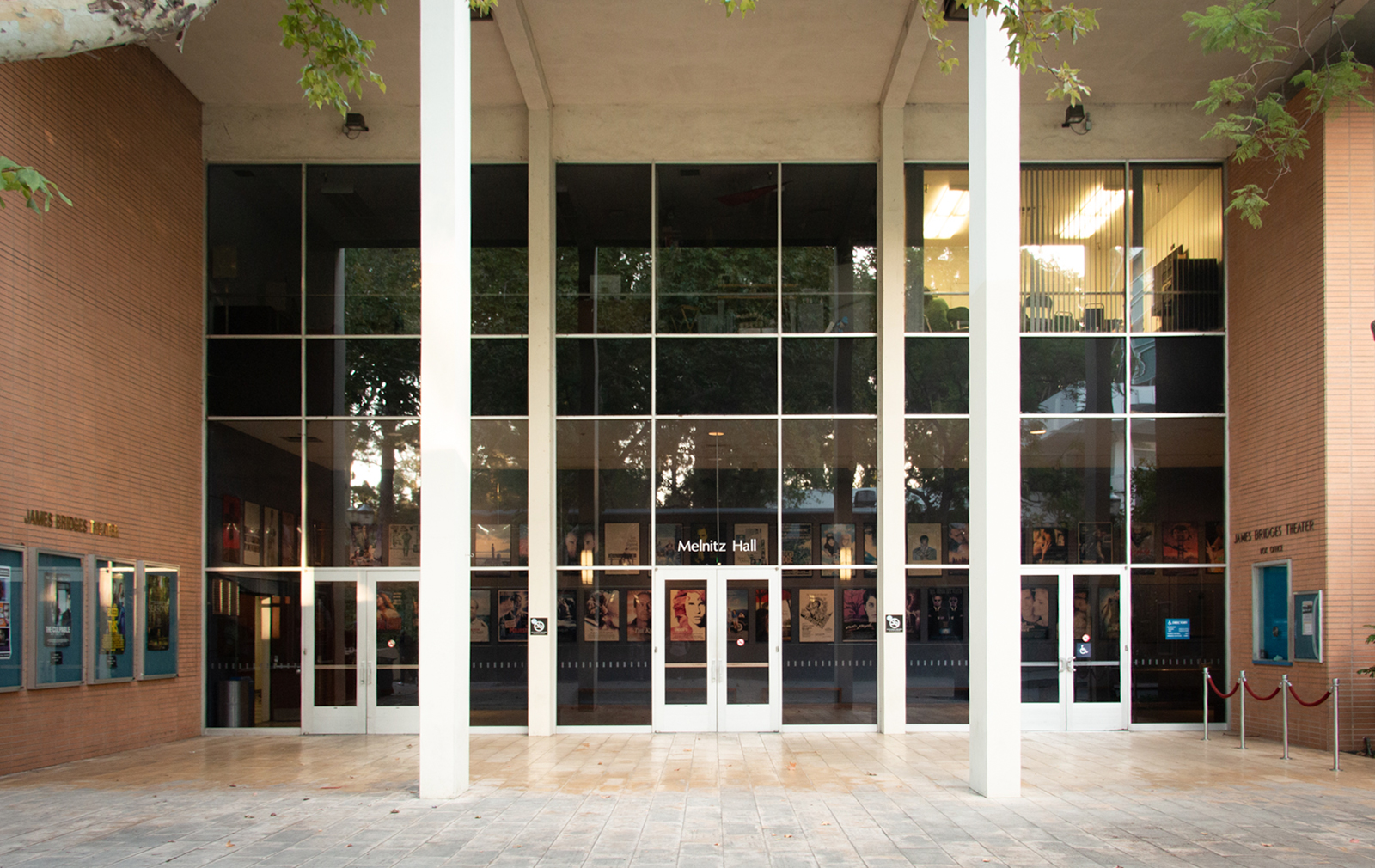
Melnitz Hall is pictured. UCLA film and television students filed a petition Tuesday in response to the department’s changes to its undergraduate narrative directing program. (Daily Bruin file photo)
By Dylan Winward
May 30, 2026 11:21 a.m.
This post was updated June 3 at 9:57 p.m.
UCLA’s School of Theater, Film and Television plans to reverse a controversial proposed change to its undergraduate narrative directing program, professors said Wednesday.
Administrators from the School of Theater, Film and Television initially announced in a May 7 email that students taking Undergraduate Film Production – a required course for students in the narrative directing concentration – would collectively only be allowed to make a maximum of eight films. The program previously had no limit on film projects, but enrollment was capped at 12 people, according to documents obtained by the Daily Bruin.
The department’s production committee, however, voted Wednesday to remove the limit on film projects.
The department announced May 7 it plans to bar students from using personal camera equipment and rental cameras for projects, a decision which TFT’s undergraduate committee is currently reviewing. It is also reviewing a decision to limit students to shooting on pre-determined days assigned by the department and to cap the number of primary characters in a film to three.
Students who broke the policy would fail the class and have to retake it, according to the documents obtained by the Daily Bruin. The department will announce its decision on the filming location and equipment restrictions by June 5, said Fabian Wagmister, the Department of Film, Television & Digital Media’s chair.
Wagmister said the department initially proposed the program changes in response to previous student projects deemed unrealistically ambitious by faculty.
“We have been dealing with a problem of scope, with students even not being able to finish their films because their scope was beyond their current capacities,” Wagmister said. “I sympathize deeply with the students’ interest, but one of the problems sometimes is that students get into such an ambitious set of projects that end up over producing and under directing.”
Many students reacted with concern, however, filing a petition Tuesday objecting to the changes.
Janaan Shahid, a third-year film and television student, said the petition focused on removing the proposed restrictions on how many films could be made.
“The biggest issue that me and a lot of my peers are having (with the changes as initially announced) is the cap on eight projects, because there are more than eight people that want to enter narrative directing to make a film,” she said. “This year, I believe 13 people were in the narrative directing program – and all 13 of them got to make their own projects.”
Wagmister said the reversal demonstrates that the department is listening to students, adding that he believes students should be able to make their own projects.
The policy barring students from using their personal equipment – which previously existed but was not enforced – is important to preserve opportunity equity, Wagminster said. He added that in recent years, students have spent large amounts of money on their projects.
“It is important for us to create a culture of production in which everybody has access to similar tools, to similar possibilities,” Wagmister said.
The potential restrictions could make students’ projects less impressive to potential employers, said Sydni Love, a third-year film and television student. She added that the previous creative freedom with such projects is one reason people choose to attend UCLA’s program, which is ranked sixth in the nation, according to The Wrap.
“Usually, students fundraise money for their projects, and they rent their gear, and they build their crew,” Love said. “They’re making these projects for festivals to sell themselves after school ends.”
[Related: UCLA TFT alumni spotlight community at LA Shorts International Film Festival]
Students were also initially unhappy with policies prohibiting the use of working professionals – which Wagmister said the department proposed to ensure students had creative control of their projects. Shahid said it was unclear whether such policies would also apply to students who work in the industry.
Juan Pablo González, the vice chair of film and television, said the department has since clarified such policies will not apply to students, even if they work in the industry.
The proposed changes were initially announced in an email to students sent a few days before current third-year students would have to declare their concentration, Shahid said. Administrators could not confirm whether the department’s undergraduate representatives attended the specific meetings where the changes were discussed, but said the representatives had been invited.
The undergraduate representatives did not respond in time to a request for comment.
Wagmister said he believes his department could have communicated better and was late to alert students of new guidelines. None of the proposed changes were motivated by departmental budgetary considerations, he added.
Shahid also said she believes the department has not communicated transparently about the new rules. Students are concerned that any new rules or restrictions could prevent them from expressing themselves, she added.
“Film school is a way for people to build their portfolios and find their voice in a lot of their work,” she said. “With the narrative directing pathway and the way that they changed everything, many people aren’t going to get the opportunity to build their portfolio – or even have an idea of what their creative process would look like without all of these restrictions.”
Contributing reports by Amanda Velasco, Daily Bruin staff