Spring Sing 2026: ScatterTones embraces individuality, brings “Scatt” sound to Spring Sing stage
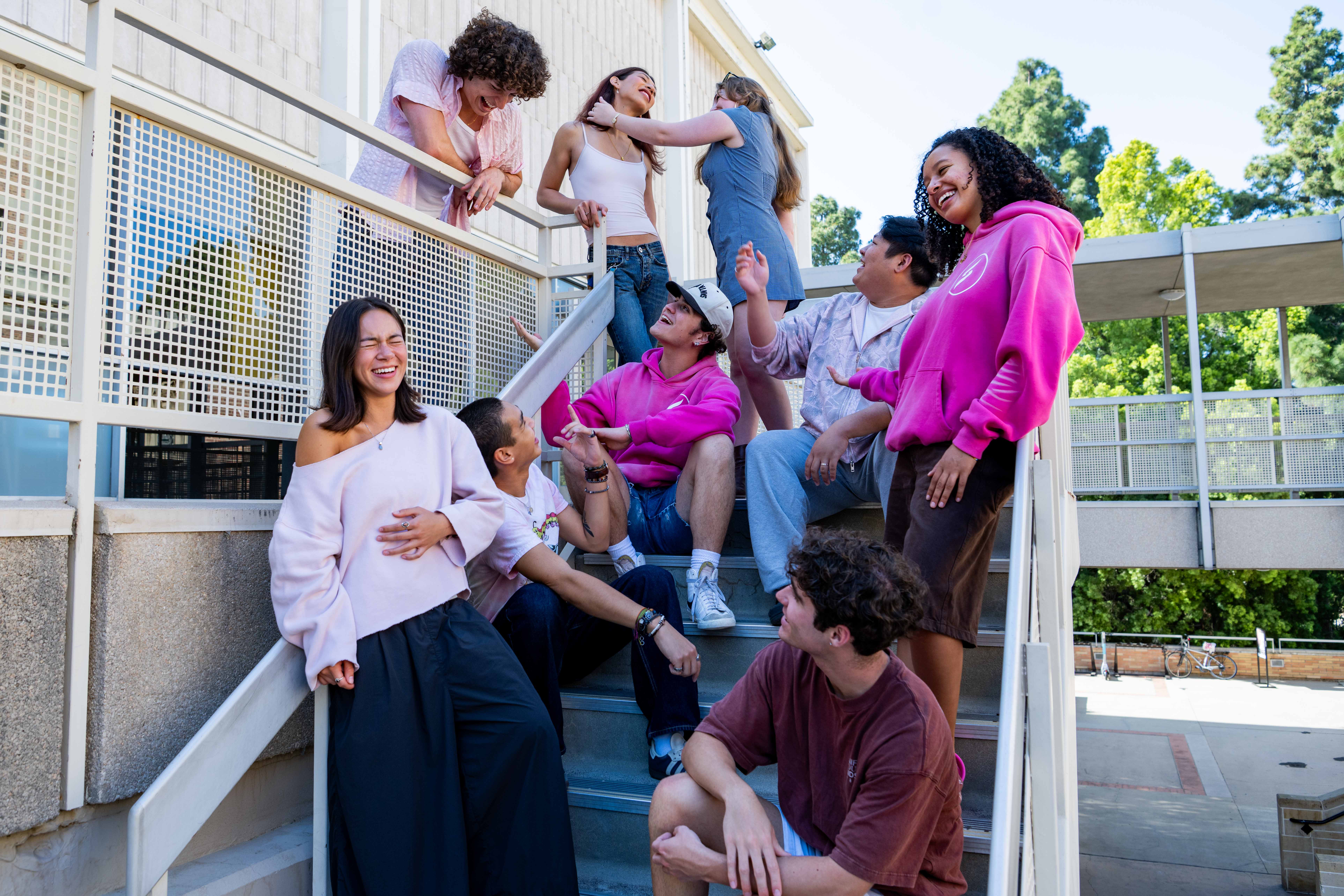
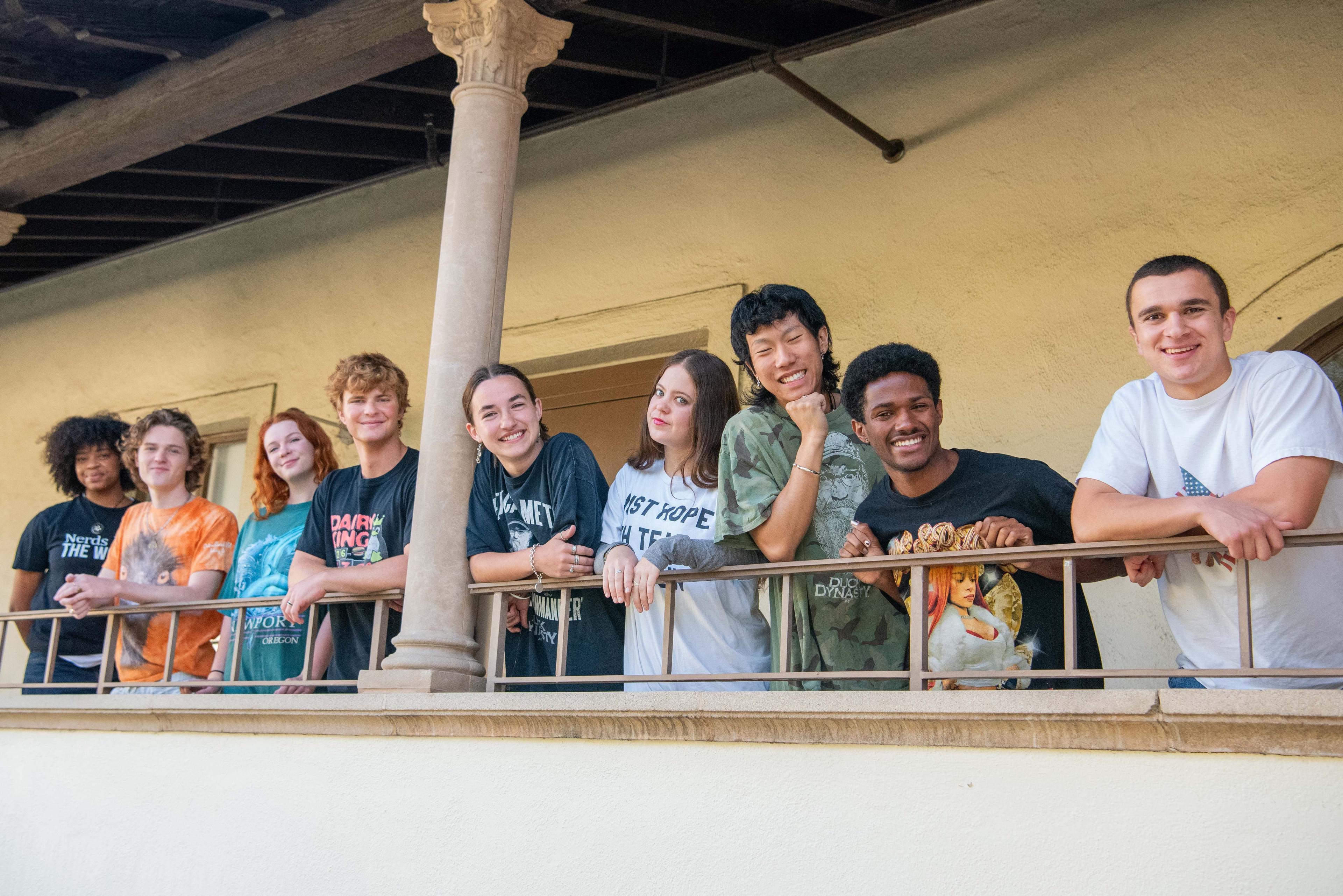
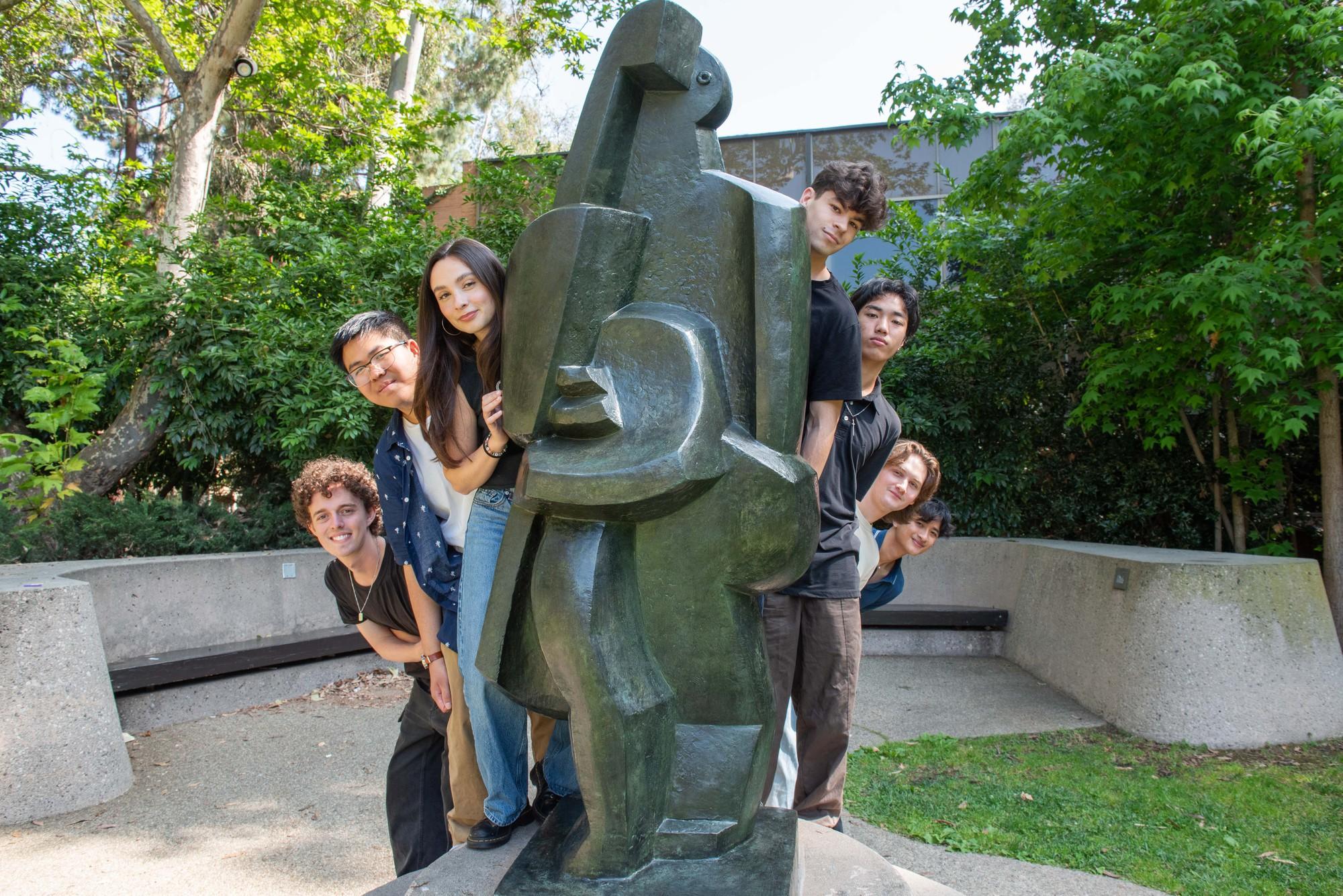
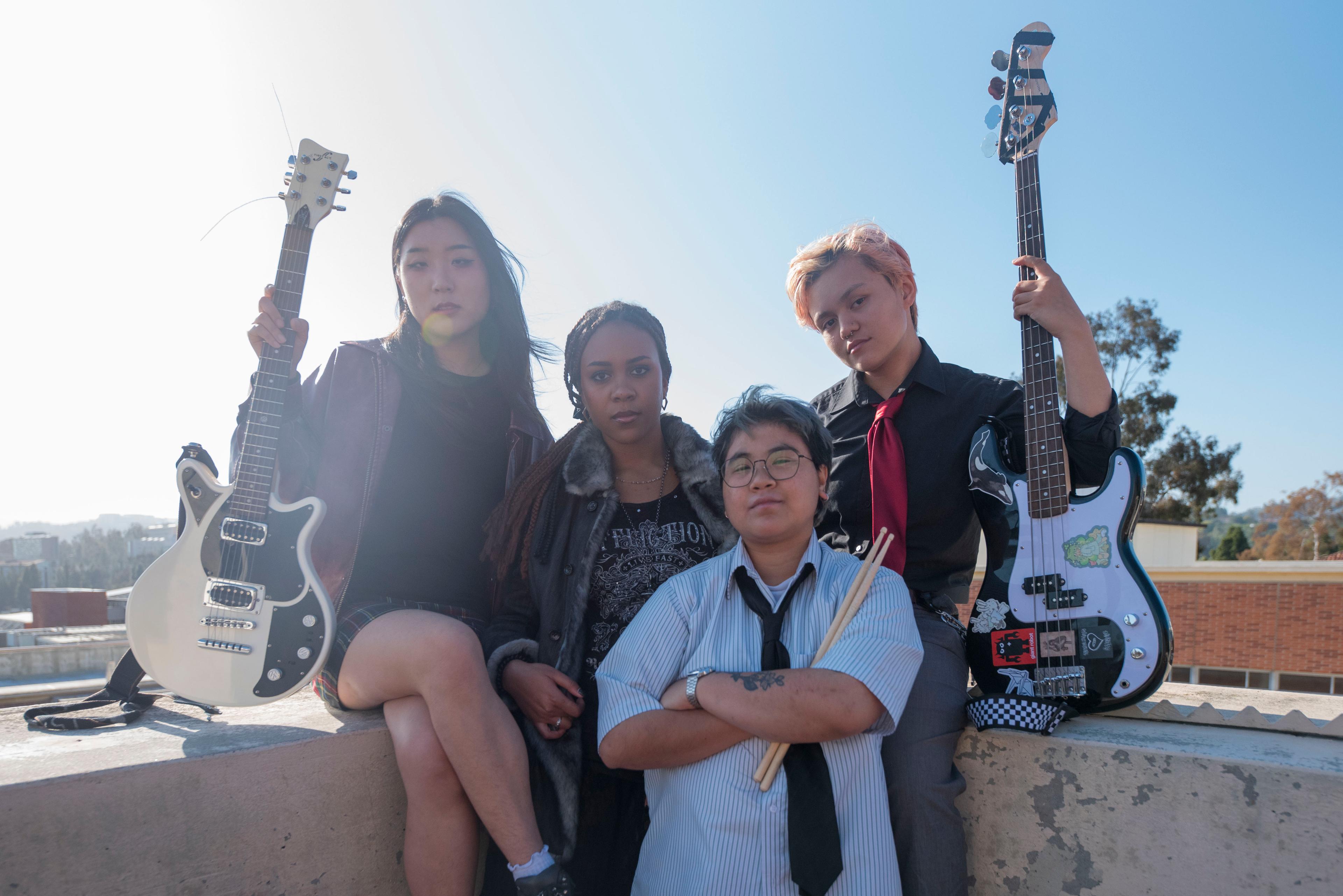
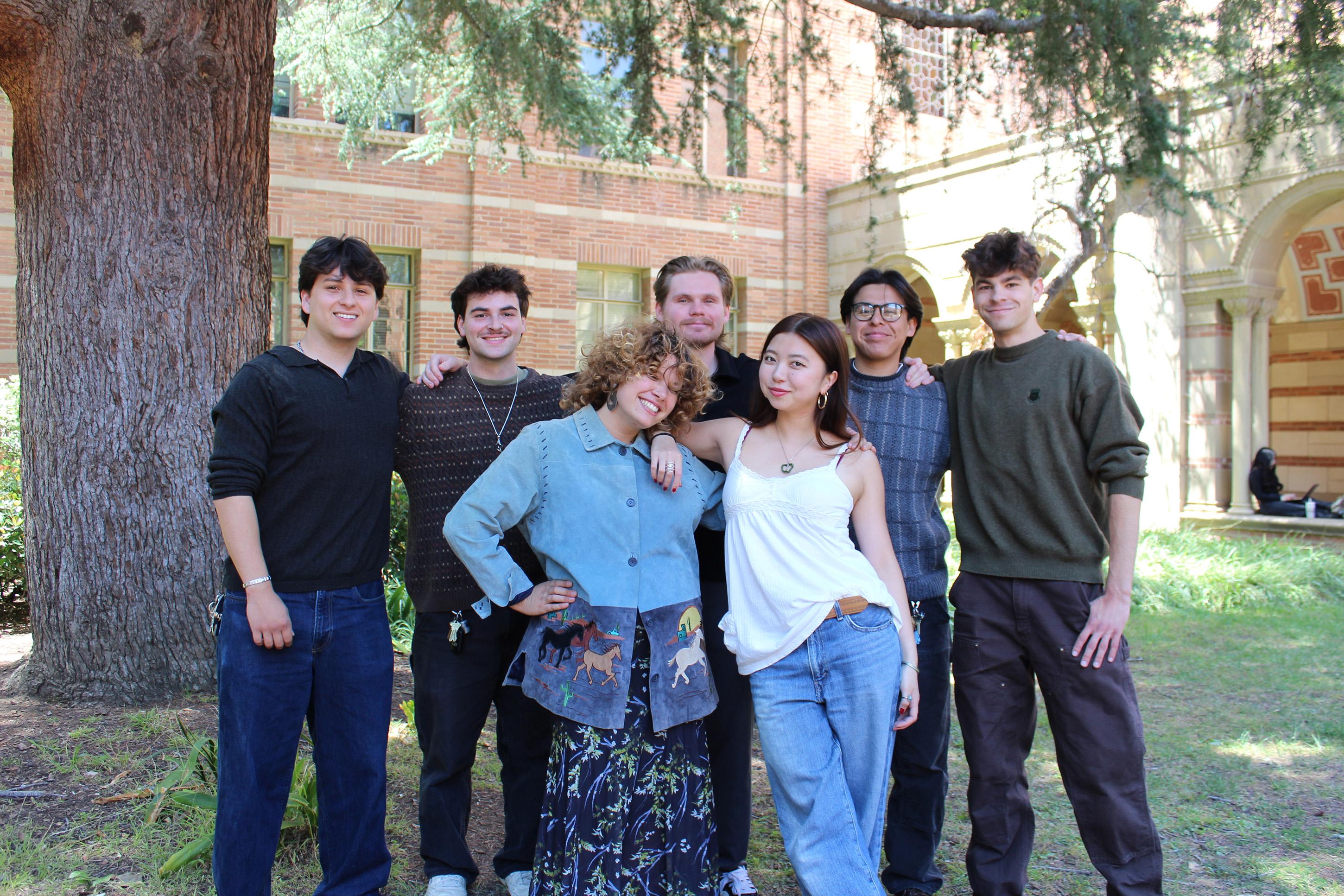
Posing on a flight of stairs next to Ackerman Union are a few members of the premier a cappella group ScatterTones. The group will perform at Spring Sing 2026, their first time back in the annual competition since 2023. (Presley Liu/Daily Bruin)

By Ana Camila Burquez
May 16, 2026 5:48 p.m.
The “Scatt” sound is making its way to the Spring Sing stage.
For the first time since 2023, the student-led a cappella group ScatterTones will perform at Spring Sing today in Royce Hall. With 13 members of the group participating in the competition, the all-gender ensemble welcomes students from all academic backgrounds, no matter their level of experience. Infusing genres such as jazz, pop and neo soul, the premier a cappella group performs only with the support of their voices, making their vocals the main instrument, Naima Kahl, ScatterTones music director and second-year cognitive science and global studies student, said. Describing the voice as an emotionally influenced instrument, Kahl said ScatterTones encourages connection to ensure they are performing to the best of their abilities.
“The voice is a very deeply personal instrument,” Kahl said. “It’s one of the only instruments that truly just comes through your body solely. Any emotion you put into it, anything that you are feeling in the moment, how connected you are with the rest of the group, that all comes out with the way that you sound and the way that you perform.”
Breaking the standard blending of voices of the a cappella environment, Kahl said ScatterTones focuses on supporting each member’s personal style. Describing her voice as unconventional, she said throughout the two years she has been in the a cappella group, she has never felt pressured to adapt or change her singing style. She added that the group’s mission of embracing a wide variety of genres and styles is key to building their signature sound.
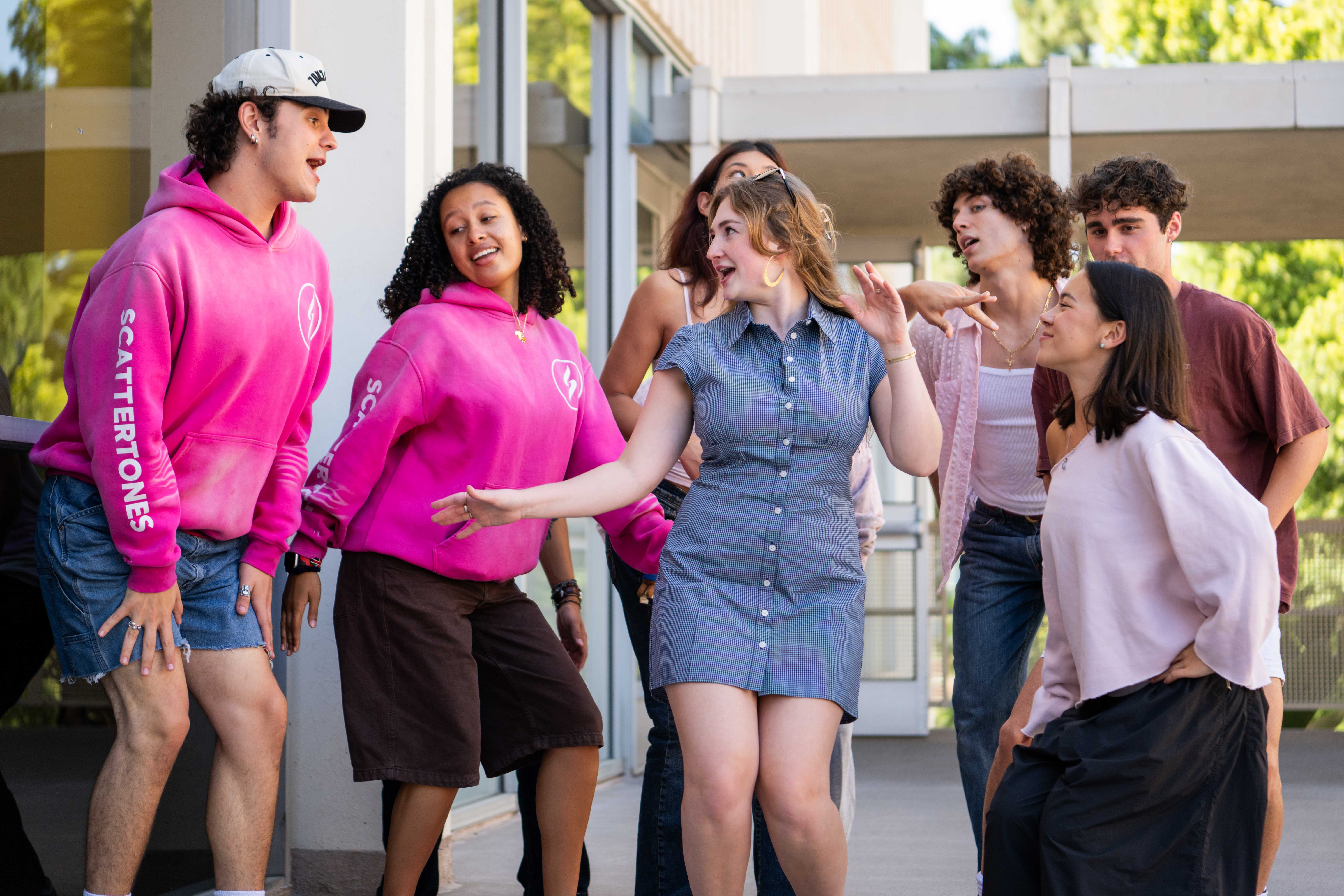
Fourth-year theater student and ScatterTones president Quentin Kelley said due to the group’s focus on individualistic sound, the ensemble’s musical interests vary year to year as new members join and others graduate. Peyton Ming, a second-year social welfare graduate student and the group’s business manager, said this can also be challenging as the group does not have a specific mold to follow and instead reinvents itself each year. Nevertheless, she added, this has helped ScatterTones push their creative boundaries.
“I think it’s really challenging because you don’t really have something else to go off of, other than your group’s history,” Ming said. “But I think that’s the fun because that’s how you really get to create what you want, and you don’t really have like this basis of exactly what we’re gonna follow because this is what all these other acapella groups are doing. Our sound is so identifiable and unique to us.”
[Related: Second Take: ‘Not a small tradition’: Spring Sing must be met with excitement, vitality]
As for the sound planned for the Spring Sing stage, Kahl said the group drew from their semi-finals set at the International Championship of Collegiate A Cappella. While the original performance for this year’s ICCA included three songs, Kelley said the group will focus on only one of them: RAYE’s “WHERE IS MY HUSBAND!” The selection of the song – chosen collaboratively by the group – was done in consideration of a cappella not being everyone’s go-to music choice, opting for a popular, high-energy track that Kelley said will hopefully be engaging for the audience.
The performance, Kahl said, will feature arrangements and choreography by ScatterTone members, resulting in a genre-bending version of the track. Kahl said the UCLA crowd can expect the song to have jazz elements woven into the original sound, as well as snippets of other popular tracks throughout the performance. In addition to this, Kelley said their rendition of the track will include a “Scatt” section, a moment where their current sound shines through. This year, Kelley said, the “Scatt sound” is characterized by jazz-adjacent harmonies, creating a rhythm-based sound rather than belted notes.
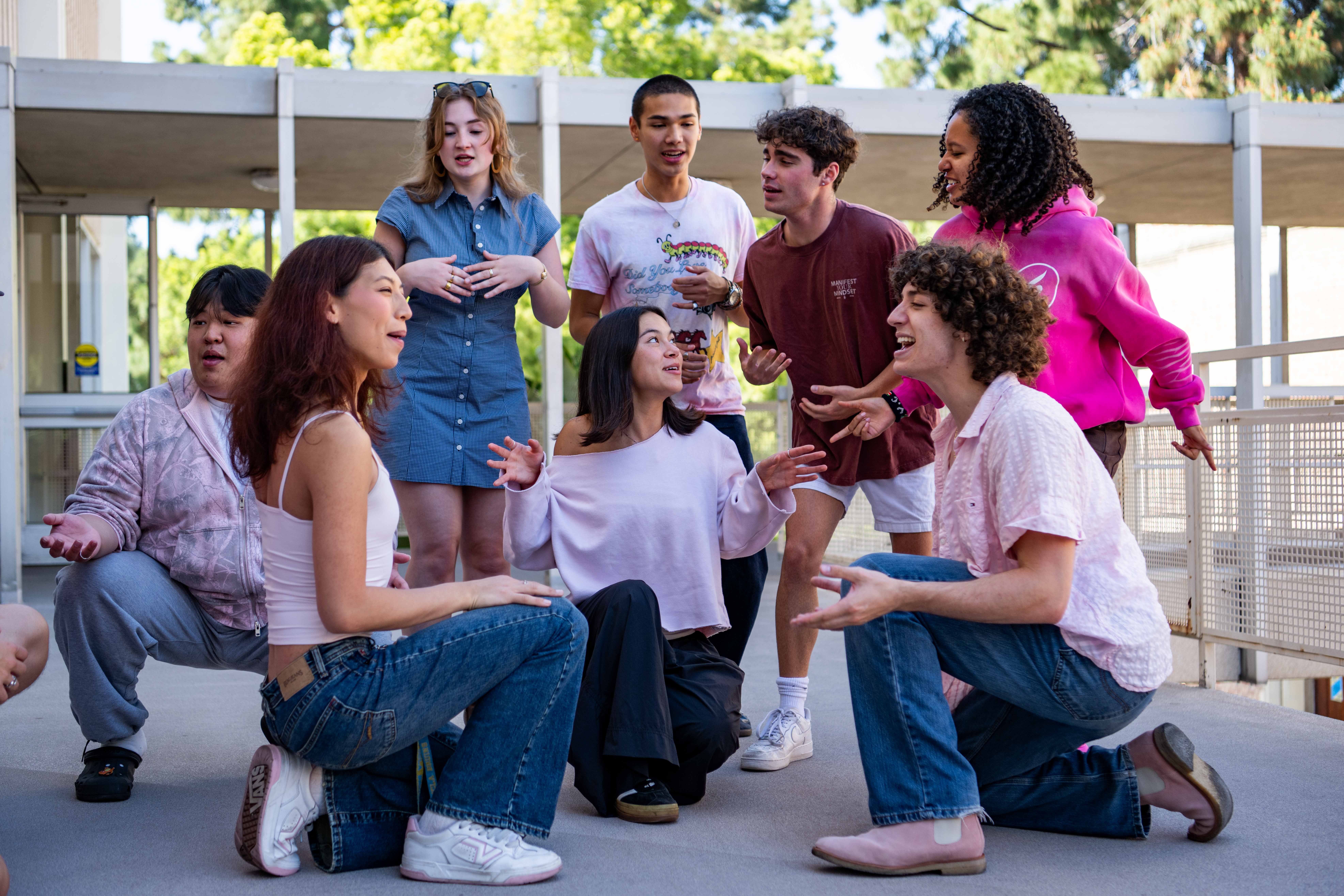
Kahl said the group took suggestions from all members for their ICCA set, which ultimately led to their Spring Sing set. She added that, as music director, she felt it was important to make space for everyone to have a say on their performances, as a capella is a high-commitment activity, and members are most likely to show their dedication if they enjoy the songs they get to showcase.
Looking to highlight their conjoint individualism through all aspects of their performance, Ming said that the group’s fashion style for Spring Sing prioritizes personal style. While faithful to their legacy colors, pink and white, Ming added that the group’s coordination is limited to choosing color shades, allowing the 13-ensemble piece to perform in costumes true to themselves.
[Related: Spring Sing 2026: Ishaan Arora takes a poet’s approach to songwriting]
Similar to their sound, Kahl said the group’s dynamic evolves each time there is a fluctuation of members, especially since ScatterTones is a fully student-led group. Ming said that although including an external advisor to the group would not necessarily be a bad addition, it would take away from the fluid essence of ScatterTones.
“I think the ever-growing, ever-expanding nature of ScatterTones and having such a student-led group is that it gets to evolve over the years, making note of all the people who came before,” Ming said.
Unlike the other competitions ScatterTones is used to participating in, the variety of acts in Spring Sing 2026 allows for the a cappella group’s set to be more engaging, Kahl said. Additionally, Kelley said the a cappella ensemble does not often have the opportunity to play for the UCLA community, making their selection as finalists even more special.
Their original three-song ICCA set, Kelley said, told a story of self-acceptance, with RAYE’s track closing the journey and symbolizing a realization of personal worth. Kelley added that with the decision to perform the set’s concluding track, he hopes the Spring Sing crowd feels connected to the song’s message and their performance of it.
“We really want people to have fun,” Kelley said. “We want people to connect with us, and we also want people to realize their worth and kind of think about their self-confidence and how awesome they are.”