Alumnus Morton La Kretz leaves legacy of philanthropy, conservation
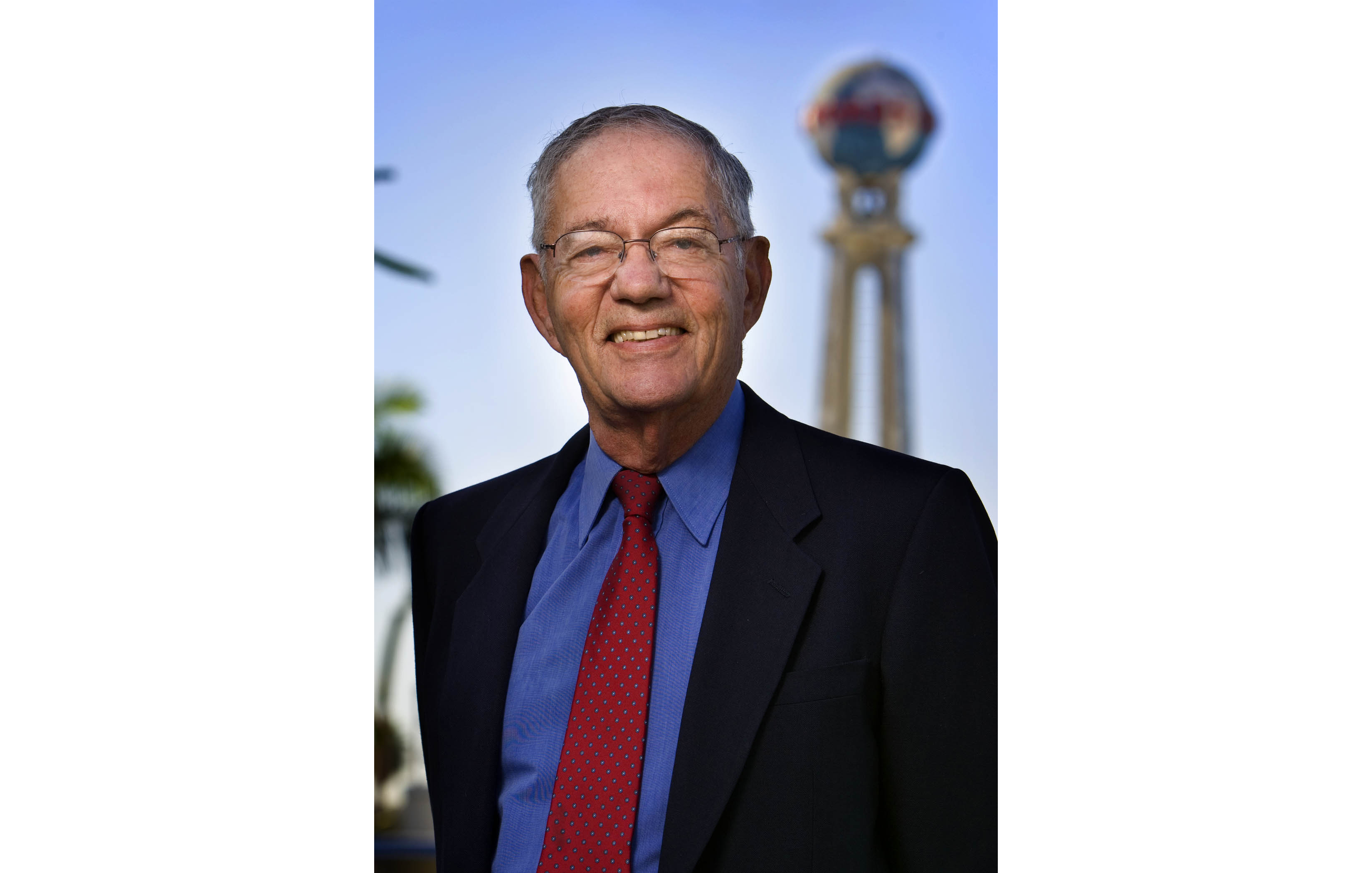
Morton La Kretz, a UCLA alumnus and environmental philanthropist, stands at Crossroads of the World. La Kretz died on Jan. 31 at 100 years old. (Courtesy of Reed Hutchinson)

By Amanda Xi
April 30, 2026 8:33 p.m.
This post was updated April 30 at 11:28 pm.
Morton La Kretz, a UCLA alumnus and environmental philanthropist, died Jan. 31. He was 100.
La Kretz funded the 2018 renovation of the La Kretz Botany Building and the construction of La Kretz Hall – UCLA’s first building to receive LEED certification, which recognizes sustainable and cost-effective buildings – in 2005. La Kretz also established the UCLA La Kretz Center for California Conservation Science in 2010.
Linda Duttenhaver, La Kretz’s daughter, said her father remained dedicated to supporting UCLA because he was grateful for the education he received as an undergraduate student. La Kretz, who graduated with a bachelor’s degree in psychology in 1948, received the UCLA Medal – the university’s highest honor – in 2018.
“When you look at where can you give back, you go back to where influenced your life,” Duttenhaver said. “He felt that very strongly about UCLA.”
La Kretz also served on the advisory boards of the UCLA Institute of the Environment and Sustainability and the Mildred E. Mathias Botanical Garden.
“He was a man in a hurry all of his life – not just when he was young,” Duttenhaver said. “He was very directed. He knew what he wanted. He had plans.”
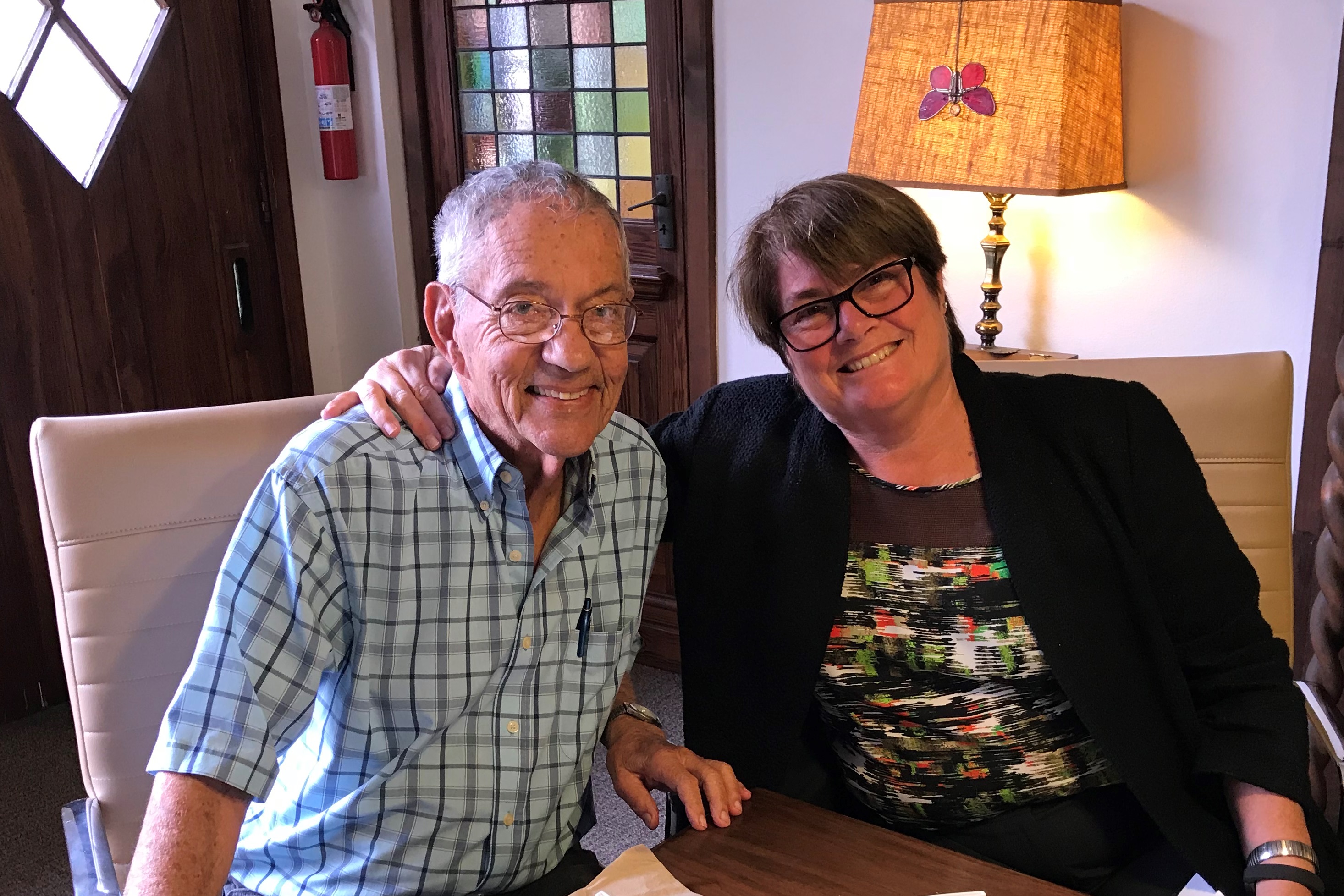
Brad Shaffer, the founding director of the UCLA La Kretz Center for California Conservation Science, said La Kretz attended nearly every public lecture at the center and often had dinners with speakers and staff after the events. The center has supported 18 postdoctoral researchers and about 100 student research projects since its founding, Shaffer added.
“He said, ‘We hire people we trust, and as long as they earn and maintain that trust, then I let them do what they want,'” said Shaffer, a distinguished professor of ecology and evolutionary biology.
Daniel Weiss – the co-chair of the IoES Advisory Board, which La Kretz also served on – said La Kretz’s donations helped several local environmental organizations, including AltaSea at the Port of Los Angeles and LA Cleantech Incubator.
Miguel García-Garibay, who was an IoES board member alongside La Kretz, said La Kretz guided the institute to focus on issues related to the affordability and accessibility of sustainable resources
“He was not one of these people that dominates the room, but his contributions were always very thoughtful and opportune,” said García-Garibay, UCLA’s dean of physical sciences and a distinguished professor of chemistry and biochemistry.
Duttenhaver said her father’s upbringing during the Great Depression informed his values – especially the belief that resources ought to be conserved.
“‘Oh, you can throw it away because there’s always more’ – that concept always bothered him,” Duttenhaver said. “He felt like we should conserve and preserve and be careful of and respect our natural environment.”
La Kretz often took his children camping in a trailer, using an ice box as a refrigerator and visiting local bakeries, Duttenhaver said.
Duttenhaver said La Kretz was deeply grateful for the recognition he received from the UCLA community.
“Who would have ever thought this young, skinny kid in the back of the class, who was a nobody, would get a medal?” she said. “He was very proud of it – it’s right here on display here in his office.”