Opinion: Vote for your dollar – don’t abstain in the upcoming student government election
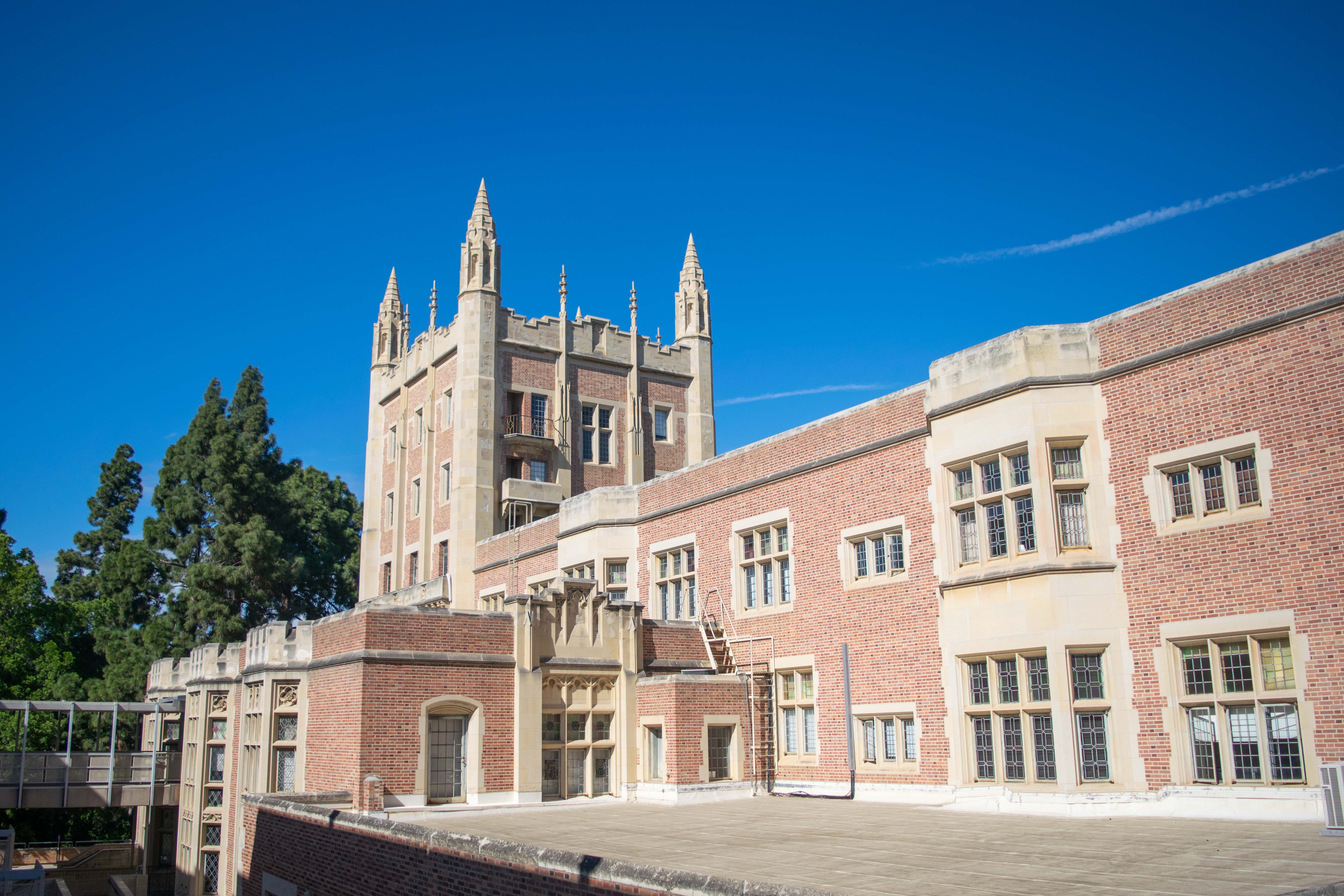
Kerckhoff Hall is pictured. Students should vote in opposition rather than abstaining from ballot propositions they disagree with, Levie and Pinnar argue. (William Gauvin/Daily Bruin)


This post was updated May 7 at 7:40 p.m.
This USAC election season, students must make their voices heard – even if that means voting no.
There are three referendums on the ballot this year.
The Student Success Referendum is proposing a $55 per quarter fee to be allocated toward identity-based undergraduate resource centers. The Bruin Life and Undergraduate Experience Fee Referendum is proposing a $27 per quarter fee toward ASUCLA operations and collaborations with student organizations, and the Bruin Bash Referendum is proposing a $3.67 increase per quarter to fund the annual Bruin Bash concert and Enormous Activities Fair.
[Related: 13 candidate races, 3 referendums to feature at 2026 USAC debates]
Each referendum must pass a 20% voter turnout threshold in order to be considered by the election board.
Students opposed to any referendum this year are left with two choices: abstaining from voting – in the hopes that the 20% threshold is not met – or checking the “no” box.
Elections are meant to be democratic. Voting, rather than abstaining, ensures elections accurately represent the opinions of the student body. Consciously abstaining undermines the purpose of student government, which is to reflect the diverse interests of the student body.
Voting should not only be a tool of support, but also of objection. Low turnout for referendums can prevent USAC from understanding which policies the student body is for or against.
Voter turnout is public information after the election. The incoming council can take this data into consideration, said Syed Tamim Ahmad, a fourth-year physiological science student and chair of the Elections Board.
A referendum that fails to reach the 20% threshold but has strong support among a small group of students could inaccurately signal to USAC officers that the policy reflects public opinion on campus.
“If voter turnout is pretty low, then I feel like it would be skewed towards the people who actively voice their opinions,” said Sharlene Chen, a fourth-year linguistics and computer science student and a former Daily Bruin contributor. “A lot of people will be underrepresented if they weren’t voting.”
USAC referendum elections are an opportunity for students to have agency in how their money is allocated in a time of financial uncertainty.
[Related: “A Perfect Storm”: How Budget Cuts Have Impacted UCLA]
Emma Herzog, a first-year psychology student, said with such a diverse student body, it is important for USAC to hear everyone’s voice.
“I feel like voting no is better than not voting at all because I am a strong believer that no matter how you feel toward a policy, it’s important to vote regardless,” she added.
The student body should view a referendum falling short of 20% turnout as a failure. It signals that UCLA students are indifferent to how USAC spends our money.
If passed, the proposed referendums would raise quarterly student payments, which could pose challenges to students relying on financial aid. According to UCLA’s 2024-25 Undergraduate Profile, 64% of students during the 2023-24 school year received some form of need-based scholarship or grant aid.
Additional fees can quickly add up for students who rely on scholarships or have limited financial resources, said Vosse Plackis Cheng, a first-year mechanical engineering student. An extra $100 per quarter – this year’s initiatives could add up to $87 per quarter – can be a significant financial burden for some students, he added.
At a diverse institution like UCLA, participation is important to ensure policies account for all perspectives.
This is one of the already few instances where students are consulted about their own BruinBill payments.
“Every demographic should really go out there and vote,” Plackis Cheng said. “You don’t want someone who’s only in one community to have a voice over all of them.”
Silence is complacency. Students should take this opportunity to tell UCLA what they want and how they want it done.
It’s not every day that UCLA will listen.
Without 20% turnout, all voices – whether yes or no – are dismissed.