Fielding faculty welcome incoming dean Kari Nadeau for leadership, research vision
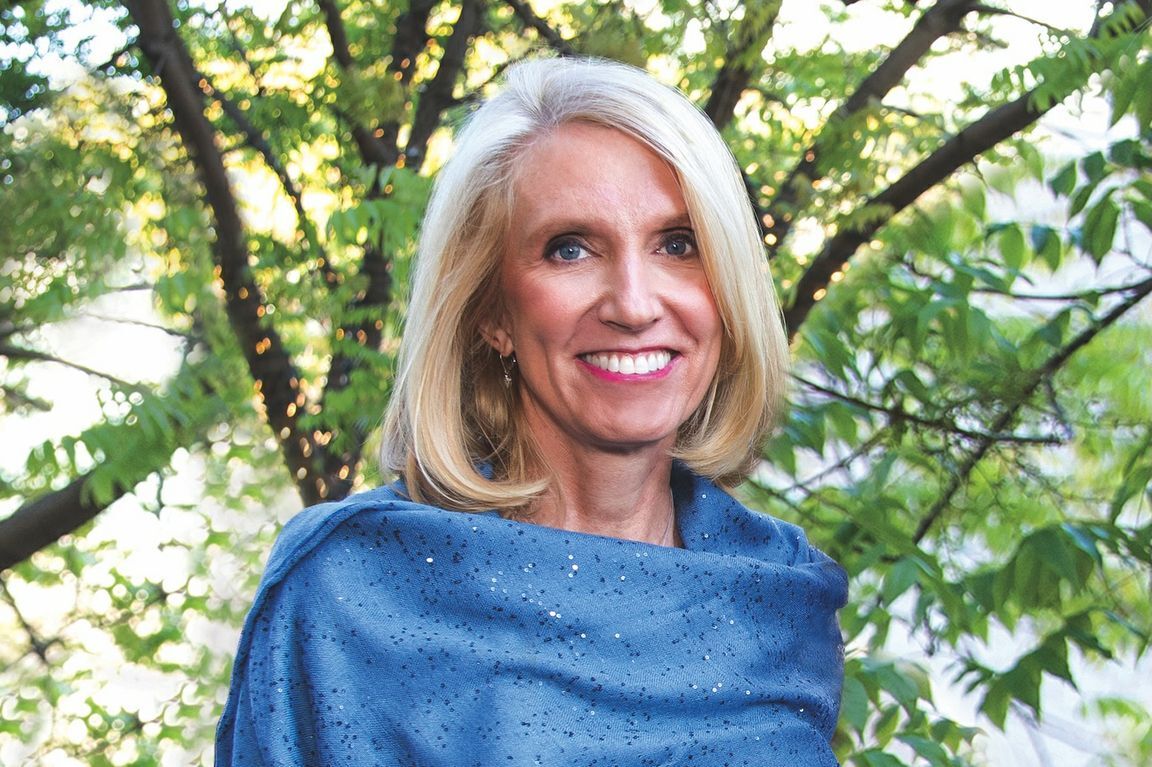
Dr. Kari Nadeau is set to become Fielding’s dean in July. (Courtesy of the Lucile Packard Foundation for Children’s Health)

By Shaun Thomas
April 29, 2026 12:24 a.m.
The UCLA Fielding School of Public Health will soon have a new leader.
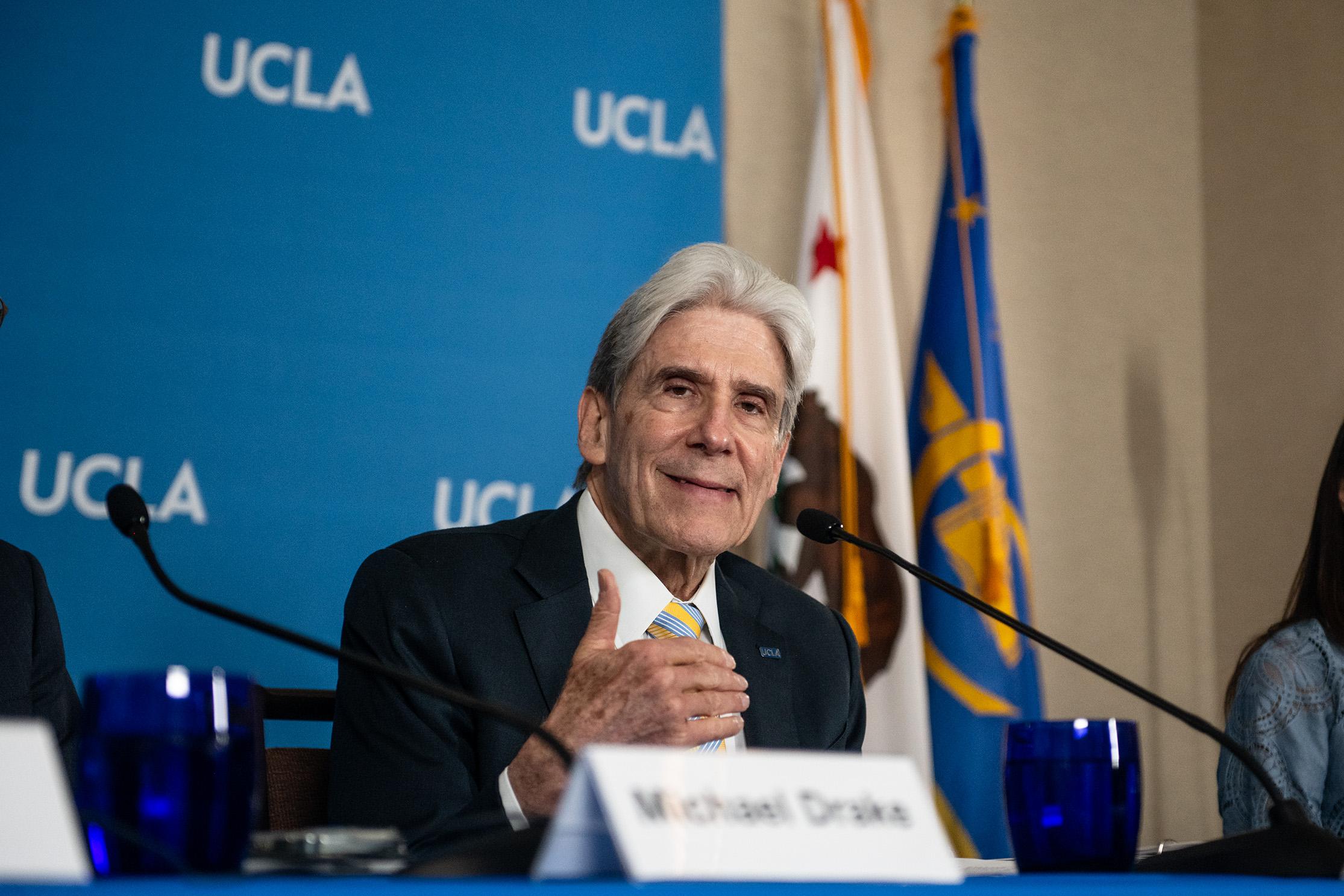
Dr. Kari Nadeau, the current chair of the department of environmental health at the Harvard T.H. Chan School of Public Health – a school which Chancellor Julio Frenk led from 2009-15 – is set to become Fielding’s dean in July, UCLA announced in March.
UCLA Media Relations did not respond to multiple requests for an interview with Nadeau, an environmental health researcher and physician. Carla Denly, Fielding’s associate dean of marketing and communications, responded to one of the emailed requests, saying she would connect The Bruin with Nadeau following her July 1 appointment.
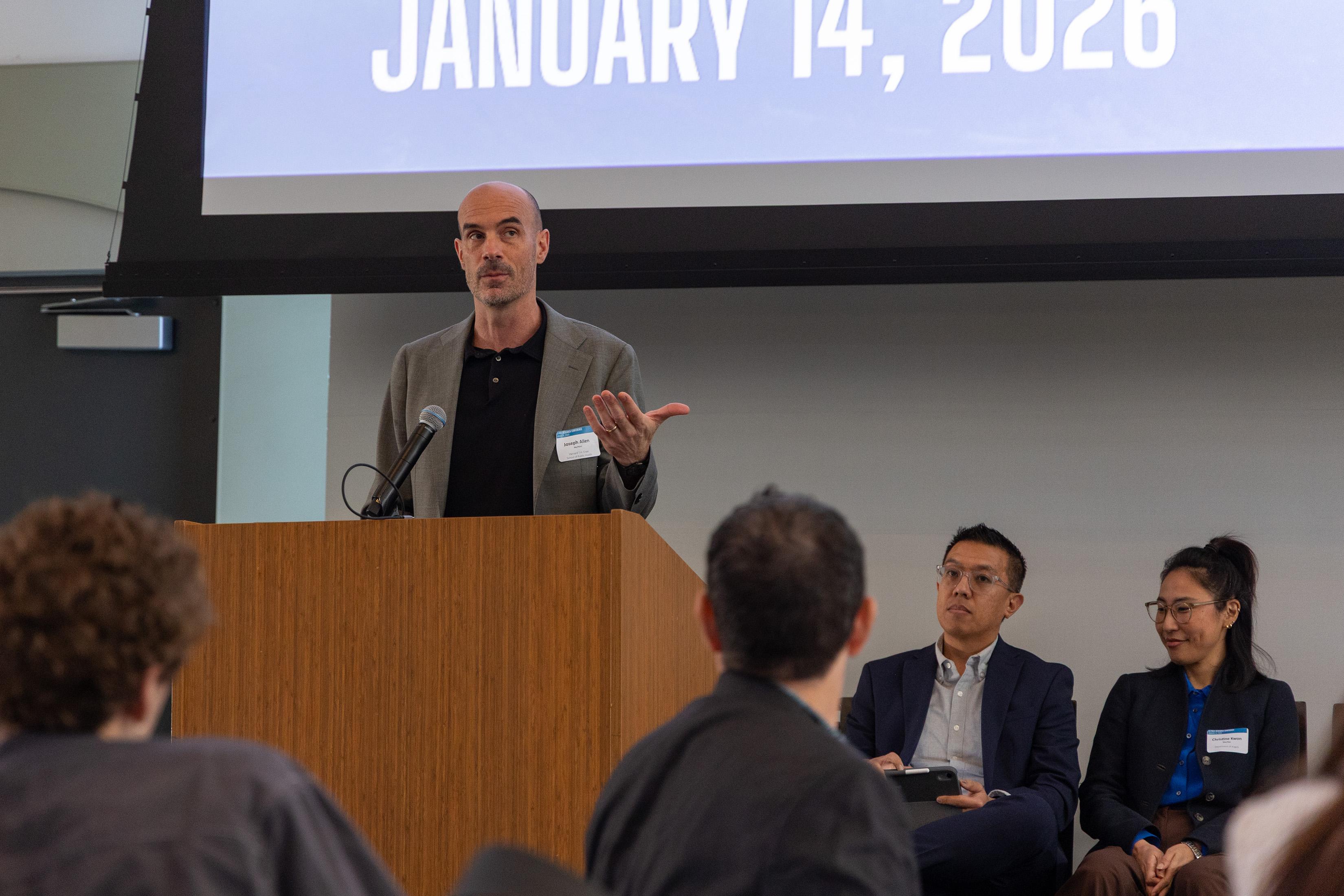
Yifang Zhu, a UCLA professor in the department of environmental health sciences, said she first connected with Nadeau in January 2025 to pursue collaborative research efforts following the Los Angeles wildfires. Fielding faculty and Nadeau led a research consortium focused on understanding environmental exposures and long-term health impacts from the fires, bringing researchers, community organizations and government partners together.
[Related: LA Fires Research Conference fosters discussion on fire survivors’ experiences]
“She has all the skills and energy and track record,” Zhu said. “She has this physician training (with) asthma, she’s been studying firefighters and occupational health and she serves on so many high-profile committees at WHO, EPA.”
Zhu also said environmental health challenges, such as wildfire exposure and air pollution, are still urgent issues in LA. Many Angelenos are facing negative health effects and anxiety tied to the fires and subsequent recovery efforts, she added.
Dana Rose Garfin, a professor in the department of community health sciences at Fielding, said Nadeau’s prior interdisciplinary approaches to the field and environmental, community health and epidemiological expertise align closely with the Fielding School’s focuses.
Garfin added that Nadeau has the ability to garner funding, which is especially important amid federal cuts to scientific research. The Trump administration withheld $584 million in federal research funding from UCLA in July, the majority of which a series of court decisions restored.
“We wanted someone who had experience and talent at getting money from diverse sources, rather than only (the) traditional federal source,” Garfin said. “I’m excited about her ability to provide guidance and steer the school forward to meet the challenges of the current moment.”
Nadeau’s leadership style is creative and collaborative, Garfin added. Nadeau supports faculty and students in their projects and values their perspectives, she said.
Sudipto Banerjee, a professor of biostatistics at Fielding, said Nadeau has demonstrated an understanding of the growing role of data science in public health. He added that he expects the school to place a greater emphasis on data-driven research under Nadeau.
Nadeau also has a strong grasp of how emerging technologies such as artificial intelligence could impact public health research – such as by assisting with the analysis of large datasets, especially in emergencies, Banerjee said. He added that the ability to rapidly process and interpret data while maintaining scientific accuracy is critical for researchers as they navigate increasing scientific misinformation.
“She is very appreciative of the increasing role that data science is going to play in all aspects of public health research,” Banerjee said.
Nadeau has experience in expanding and modernizing academic curricula, Banerjee said.
Public health schools have a responsibility to ensure their research benefits the communities they are a part of and is accessible beyond academic publications, Zhu said. Translating complex findings into clear, digestible information can help communities better understand health risks and take action, she said, adding that she hopes Nadeau will prioritize accessibility.
Zhu said she believes Nadeau will expand student opportunities, including internships and scholarships, citing her experience in fundraising.
Strong leadership means supporting students, faculty and research efforts while also navigating ongoing challenges – all of which Nadeau is equipped for, Garfin said.
“Being a voice of comfort and calmness and inspiration and passion and those are all things that I think will trickle down and make people feel strong and confident in doing this work – and knowing that even when there’s challenging times, they don’t last forever,” Garfin said. “We want to build the strong public health workforce that we’re going to need in California in the future.”