‘THIS IS OUR YOUTH’ play aims to reach multiple generations, spark conversation
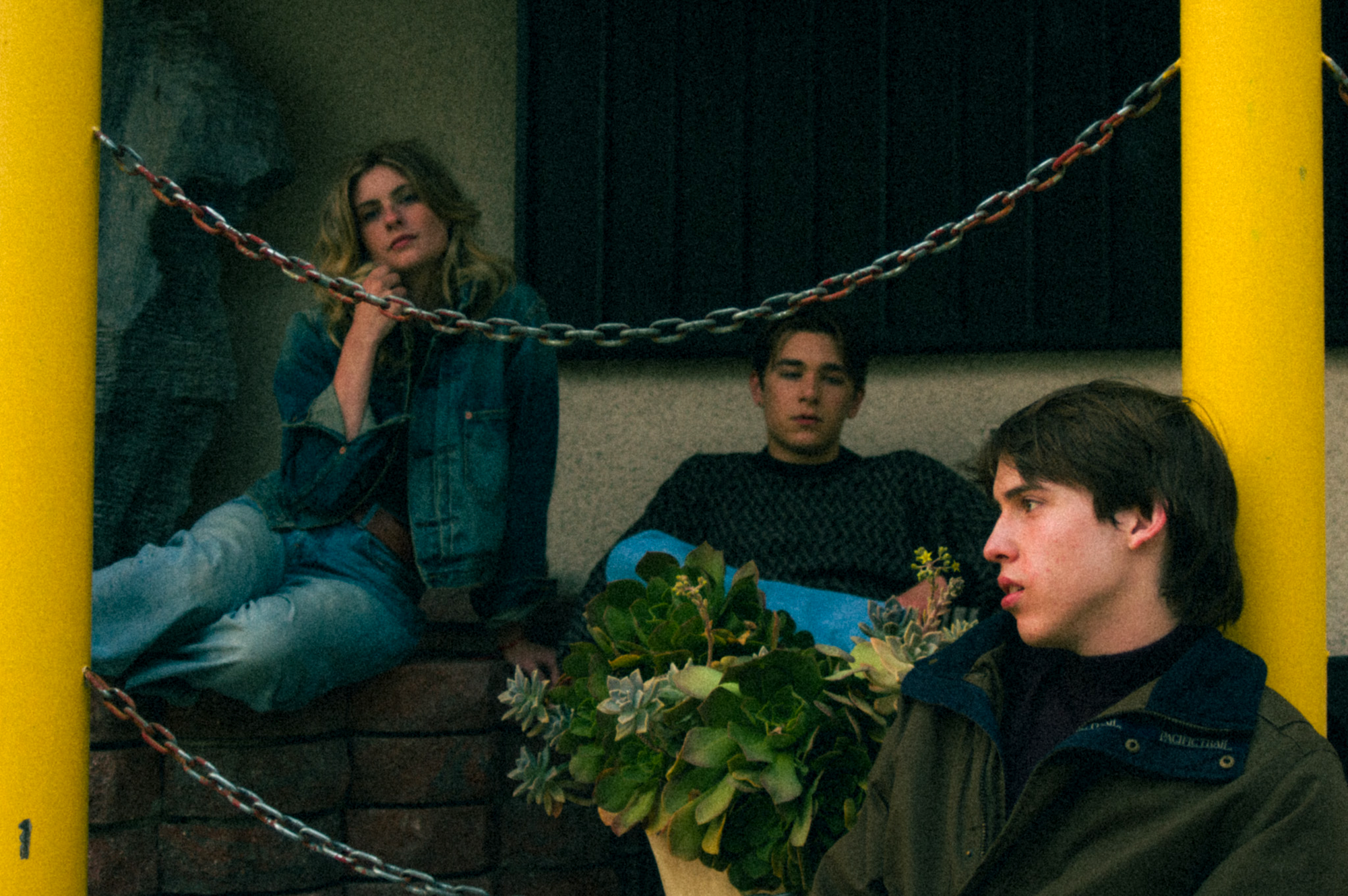
Members of the cast of “THIS IS OUR YOUTH” pose sitting between two yellow posts. The independent theater company is staging its first production, written by Kenneth Lonergan, at the Two Roads Theater in Studio City from May 1-17. (Courtesy of Paul Zenas)

By Emily Berkowitz
April 28, 2026 12:19 p.m.
This post was updated April 28 at 9:09 p.m.
In the eyes of director Avi Sol, the road to adulthood in America is paved by money, mistakes and misplaced confidence.
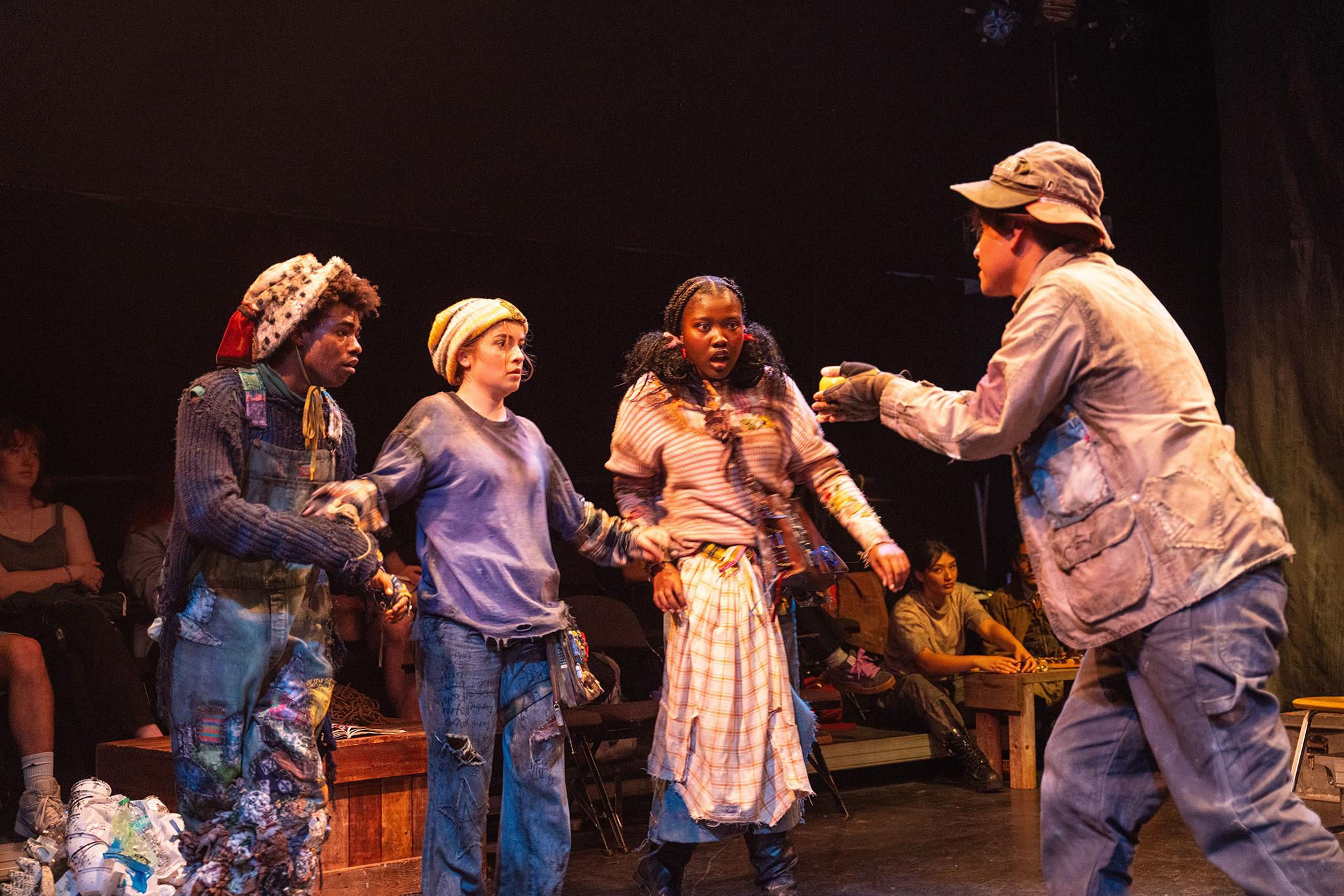
An independent theater company of just four creatives is staging its first production of “THIS IS OUR YOUTH” by Kenneth Lonergan at the Two Roads Theater from May 1-17. The show follows 48 hours in the lives of disaffected young adults Warren Straub, Dennis Ziegler and Jessica Goldman as they abuse drugs and navigate their relationships. Taking place within the walls of a grungy 1982 New York apartment, the play echoes themes of youthful hijinks, failed romance, substance abuse and the cyclical nature of adolescence – themes Sol said are timeless and universal.
“Youth doesn’t necessarily change that much,” Sol said. “Maybe what you listen to and the clothes you wear do, but the intention behind that music and those clothes, the slang and the camaraderie – it’s just a different coat of paint.”
Paul Zenas, co-producer and co-star, said, in many ways, young people in the United States are the same from each generation to the next. He said he sees parallels between what the characters experience and what young people go through today, especially regarding the response to capitalism, institutional failure and a rise of fascist ideology.
The team also framed the decades-old production as a commentary on social media and the search for identity through external validation, likening the immediate gratification Warren and Dennis get from drugs to the dopamine hits of Instagram Reels, Zenas said. Zenas added that Dennis and Warren act as a prehistoric breed of the performative male now amplified online, where power equates to curated personas and follower counts. Concurrently, he said, the male characters in “THIS IS OUR YOUTH” exhibit an intense display of bravado despite their immense insecurities and lack of self understanding.
“All that stuff disappears, and you’re left with absolutely nothing,” Zenas said, describing a world without social media. “Now, our youth and our modern day society is left floundering because we’ve fixed our entire beings on something completely made up, completely immaterial.”
[Related: Theater review: ‘For Want of a Horse’ exploration of zoophilia falls flat but humor excels]
The play is rich with comedy, but the humor isn’t slapstick – it’s grounded in discomfort and painful humility, Zenas said. He added that the laughter is born from watching two young men crumble under circumstances they created entirely themselves. Lonergan’s Irish-Gallows-humor and intentional writing style balance pain and satire in a way that amplifies the effects of both, Sol added.
“What I find not just compelling but rewatchable about Lonergan’s work is that he injects so much comedy into the tragedy,” Sol said. “You laugh and you cry, but, because there are those punch lines throughout and moments for levity, the contrast brings out the color in both emotional speeds.”
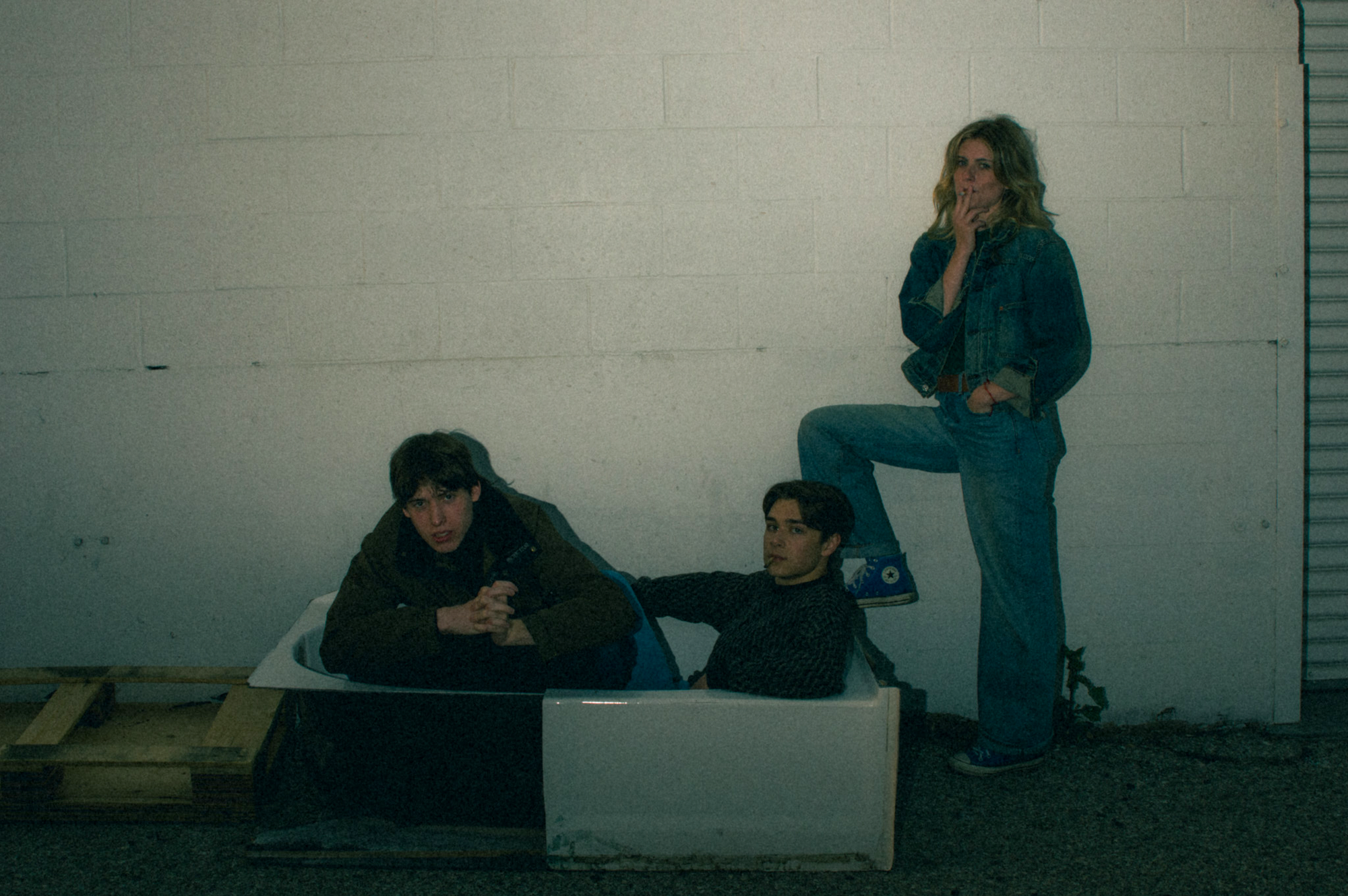
For actors Henry McLaughlin and Zenas, the production is also personal. The two met in the fifth grade, Zenas said, and they later attended the same arts high school and spent years acting together before they decided to make their independent debuts. McLaughlin said he recruited Sol and Taylor Thompson to collaborate on the project, and the team has since been able to gel in the short time frame. During this time, McLaughlin added that they’ve worked and leveraged a long-standing friendship and artistic compatibility between him and Zenas.
Sol said “THIS IS OUR YOUTH” feels like an especially good fit since Zenas and McLaughlin, whom he called future stars, will never be more suited to play these characters than they are now. Through his directorial techniques, he said he tries to lean into what is already true about them as human beings, being that they are close personal friends in their early 20s. He added that he wants to not only find the characters in them but also help the two find themselves in the characters.
“My and Paul’s chemistry has always been there,” McLaughlin said. “It’s kind of what this play is based around.”
[Related: Sara Porkalob’s ‘Dragon Mama’ compels audiences, falls short of predecessor]
Getting “THIS IS OUR YOUTH” off the ground has required the same level of loyalty and commitment, Zenas said, noting there is no money to be made in the endeavor. The cast and creative team are perfecting the production of their own volition and artistic inspiration, he added, and said they are each working around day jobs, rehearsing in early mornings and late nights whenever the theater becomes available. Indie theater projects can be especially difficult to execute in Los Angeles, he said, because younger audiences often perceive theater as boring, too “sing-songy” or inaccessible.
“People just really aren’t excited about theater,” Zenas said. “It’s not something that entices them at all. We’re in an age of dwindling attention spans, especially younger people, which is the audience we really want to see this.”
To counter that dissuasion, the team kept ticket prices affordable at $24, with student discounts, Zenas said. He hopes that young people who associate theater with trite stage talk or Broadway musicals discover something more gripping and raw in the dysfunctional and eccentric characters in “THIS IS OUR YOUTH,” he said. Live performances are more valuable than ever because audiences are increasingly surrounded with artificiality, he added. With artificial intelligence blurring the distinction between what is real and what isn’t, Zenas said this prescribes a revival of live art.
That immediacy also brings Zenas closer to his character and nurtures his fervor for performance, he said. In theater, there are no second takes or edits to fall back on, he said, making authenticity and presence pivotal in every scene. Dennis presents as a volatile bully driven by sex, money and drugs, but, when the facade eventually falls, his lostness and fear of mortality is revealed. Zenas said Dennis also embodies the toxic masculinity that has plagued men for generations, something that has hindered them from absorbing important emotional lessons.
Portraying that contradiction in his own style has been rewarding but challenging, Zenas said, adding that his goal has been to understand Dennis deeply enough that honest emotion can arise in the moment rather than being forced. He said he cited Hudson Williams’ performance in “Heated Rivalry” as an inspiration, particularly the vulnerability and openness Williams brought to the material.
“How can I not manufacture a feeling within myself and invent anything – rather, how can I just sit here and discover it all and sit into this person?” Zenas said.
Though the production takes place in Reagan-era Manhattan, Zenas said he hopes audiences leave talking about the patterns present in Dennis and Warren that continue to shape youth today. For older viewers especially, he said he hopes the show opens the conversation to reflection and recognition.
“I hope they can see that there’s a shift in the stories that the younger generations want to tell and are telling, and that we can use stories from their lives to apply directly to us, to ourselves,” Zenas said.