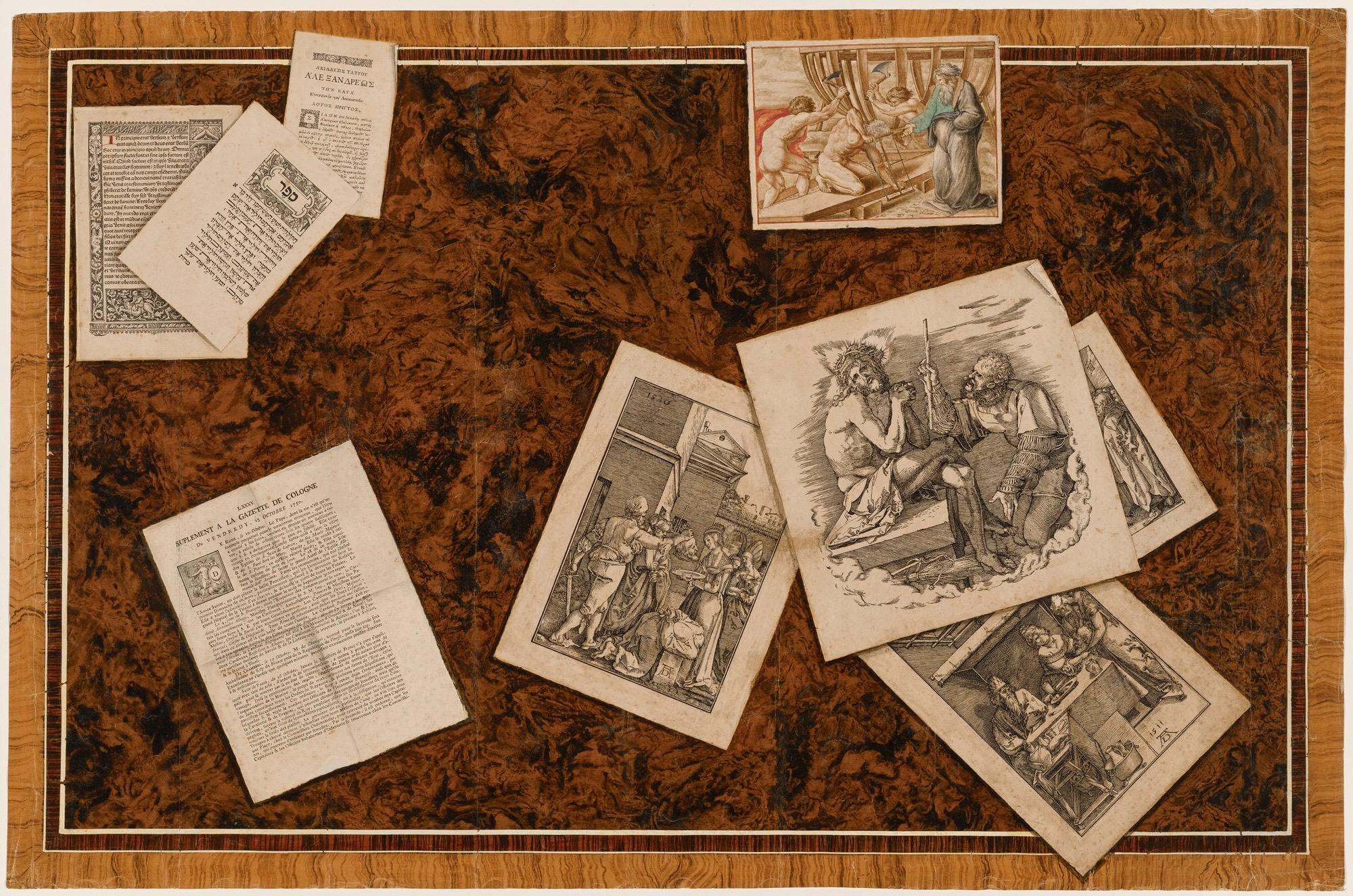
‘Virtue and Vice’ art exhibit explores messages of morality through drawings
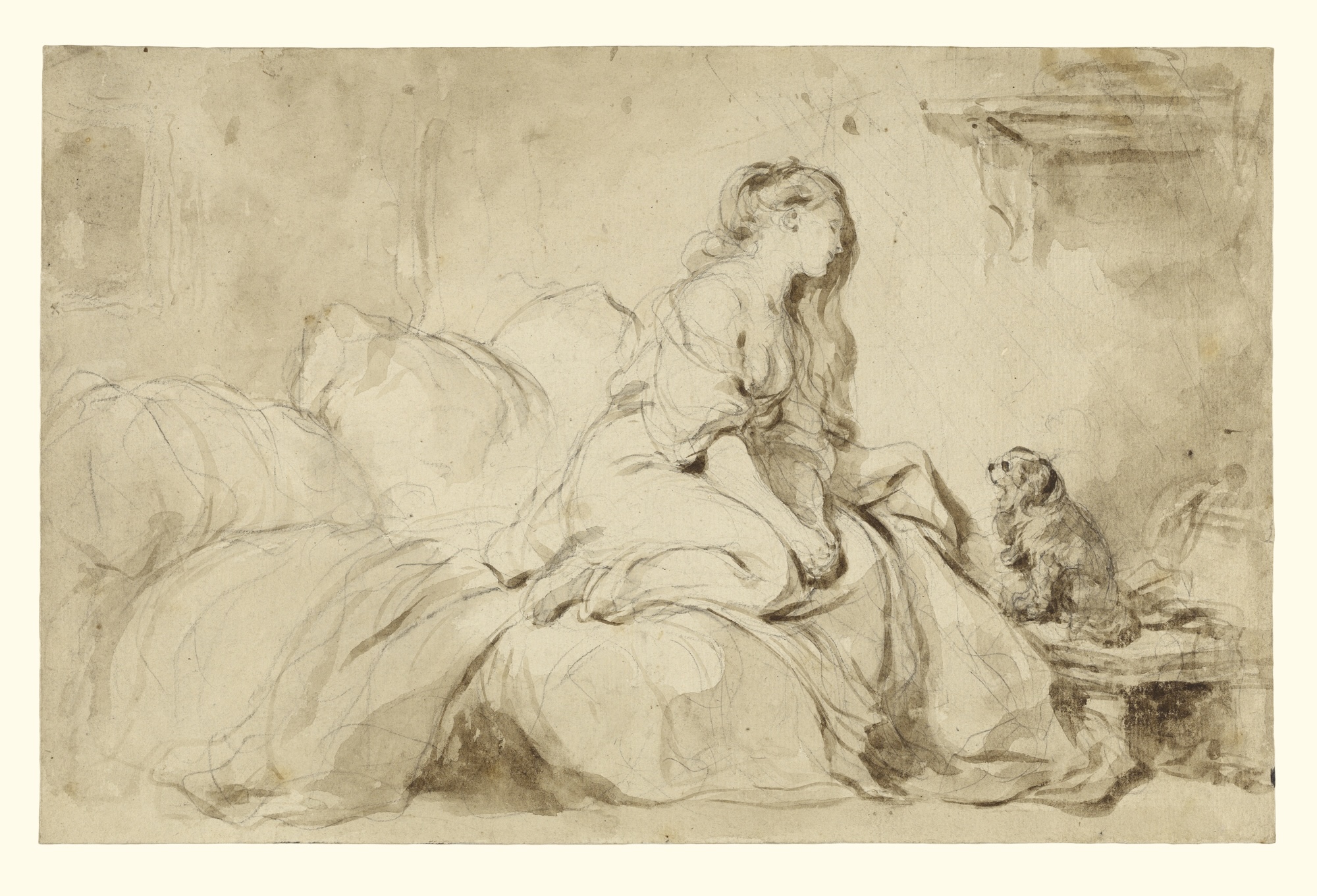
Jean-Honoré Fragonard’s “Oh! If Only He Were as Faithful to Me,” is a brush with brown wash and black chalk piece. The Getty’s new drawing exhibition, “Virtue and Vice: Allegory in European Drawing,” opened on March 3 and will run until June 7. (Courtesy of Getty Museum)

By Julia Kinion
March 3, 2026 6:58 p.m.
This post was updated March 5 at 8:43 p.m.
Find “Virtue and Vice” at the Getty Center this spring.
“Virtue and Vice: Allegory in European Drawing” is on display at the Getty from March 3 to June 7. The exhibit was curated by Stephanie Schrader, the Getty’s curator of drawings, and features pieces from the museum’s rotating collection of work. Schrader said “Virtue and Vice” showcases a variety of didactic sketches – or artwork meant to encourage good behavior and discourage bad behavior. The collection spans 300 years – from the 16th to the 19th century – and includes works from Dutch, Flemish, Italian, Spanish and French artists, Schrader added. She said the artwork varies significantly across technique because the exhibit focuses on communicating the theme of virtue and vice, rather than showing the progression of a particular style or period.
“I was trying to think about the ways that drawings were meant to instruct people, how they’re supposed to influence you – that drawings are not just supposed to be pretty, necessarily – and that they actually can suggest that you alter your behavior,” Schrader said. “They often do that in very complicated ways, and they might have been more understandable to people in the past, but today we have to reconstruct those histories, and I’m interested in telling those types of stories.”
Schrader said the Getty has a collection of 1100 drawings. Because drawings are light-sensitive, the Getty rotates their drawing exhibitions three times a year, Schrader said, with “Virtue and Vice” being the second exhibition this year, following “Learning to Draw,” which concluded its run Jan. 25. She added that this creates the challenge of conjuring new stories from the same set of pieces.
Daniela Alvarez, the public program coordinator at the Getty, said the medium of drawing allows viewers to experience a vast range of works – some in monochrome, some in color and others unfinished. Keishia Gu, the Getty’s head of education, said the accessible medium of the drawings can help inspire others to make their own art.
“Drawing really does force people to slow down because it’s so intricate, and it’s so detailed,” Gu said. “I think the close looking and the intensity of drawing is really essential to the museum experience.”
[Related: Unmaking ‘Made in L.A.:’ Will Rawls’ ‘Unmade’ highlights the systems behind LA]
Gu added that drawing compels viewers to slow down because of the focus on the process of creation rather than the output itself. She said this is because drawing illustrates the thought process of the artist more effectively than other mediums, as the places where the artist erased, redrew or changed their mind are shown in the final product – instead of concealed.
Alvarez said the exhibit is accompanied by a Selected Shorts presentation, where short stories related to the virtue and vice theme are performed.
“It’s really nice to feel like you are transported into the story by these talented artists who can feel the motion in their storytelling,” Alvarez said. “It’s a really great event to have. We get so many different artists and celebrities coming to read, and it’s fun because they have a great time reading short stories.”
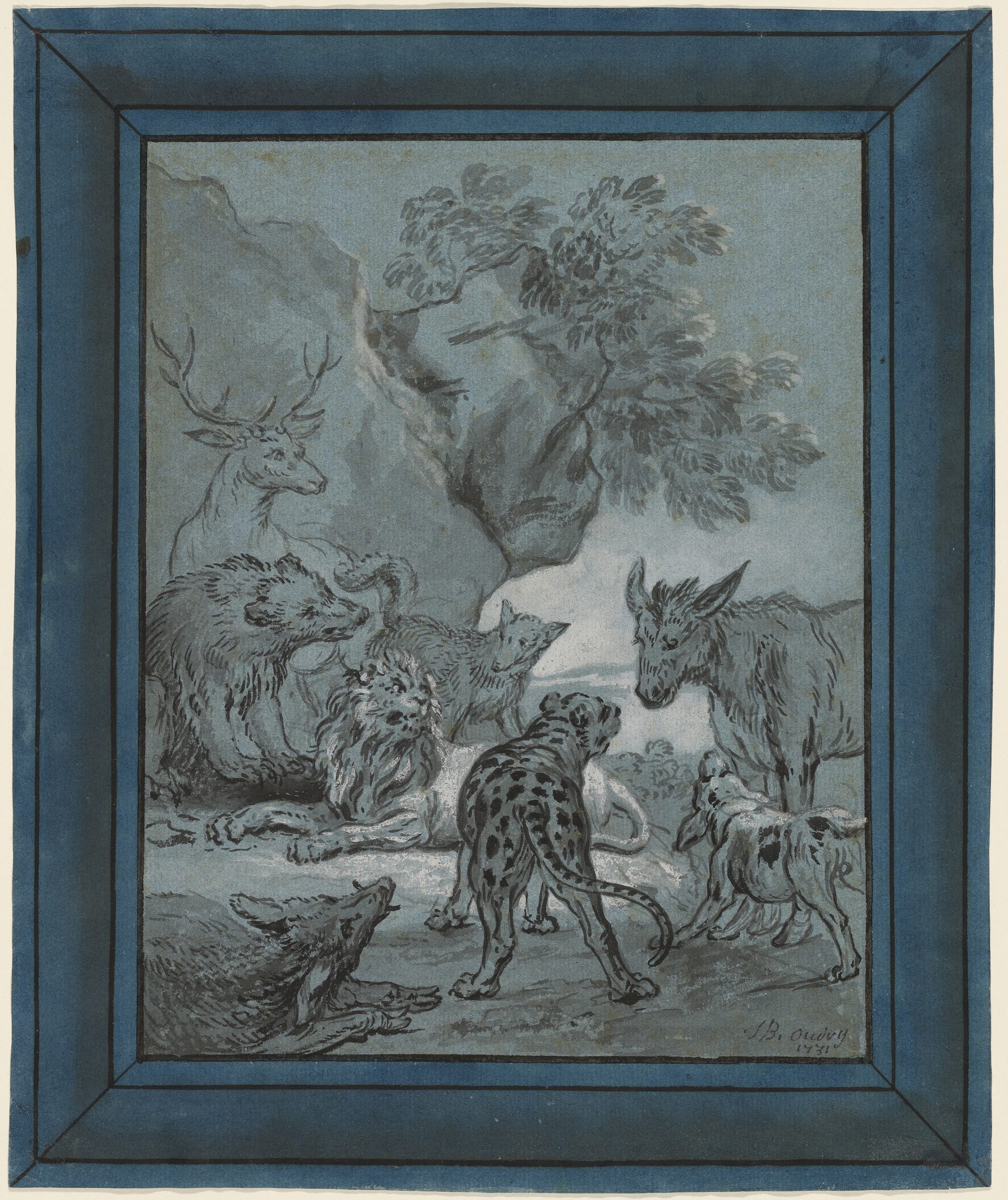
Alvarez added that the stories show a variety of different virtues and vices, with the tone ranging from humorous to emotional. She said the goal of Selected Shorts is to help people connect with the artwork more.
“There’s bound to be a story or reading by an actor that sticks with them, and then they go into the galleries and they see the artwork, and there’s an elevated and amplified sense of resonance with what they heard,” Alvarez said. “It’s such a beautiful experience of art that you’re experiencing in different ways.”
[Related: Art exhibit preview: Winter shows explore intersections of medium, culture, history]
Schrader said the exhibit aims to highlight the different ways art was used to communicate moral messages in the past. She added that drawing was a frequently used medium because it was more accessible and understandable for viewers. The use of allegory and metaphor allowed for people to comprehend the lesson without requiring them to be able to read, she said.
Gu said the virtues and vices in the exhibit range from charity and friendship to lust and greed. She added that the pieces all deal with the fundamental question of how to be a moral person.
Schrader said she wants visitors to reflect on the ways drawings can be used didactically, and she added that she is interested in the ways viewers will interact with the pieces. Gu said she seeks to emphasize the subjectivity of the pieces in the tours the guides give, and encourage viewers to find their own connection with the pieces based on their experiences.
“If you come into a drawing exhibition like this, I hope that you would feel inspired, and I hope that you would be able to take that into your personal life, and whether you doodle or you sketch or you paint or sculpt – whatever it is that you do – that you walk away feeling inspired to actually go do something and go create,” Gu said.