Q&A: North Westwood Neighborhood Council Secretary talks local goals
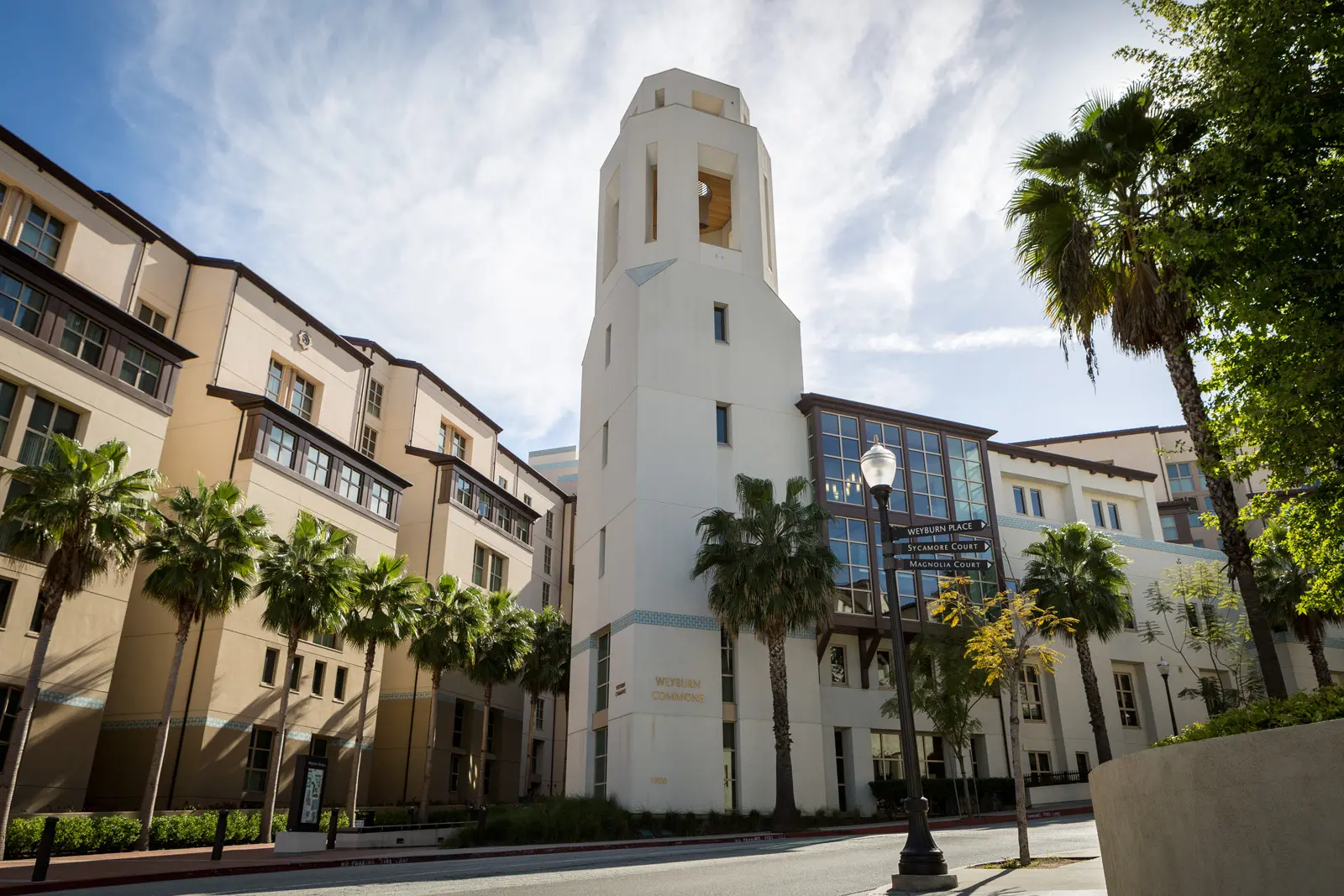
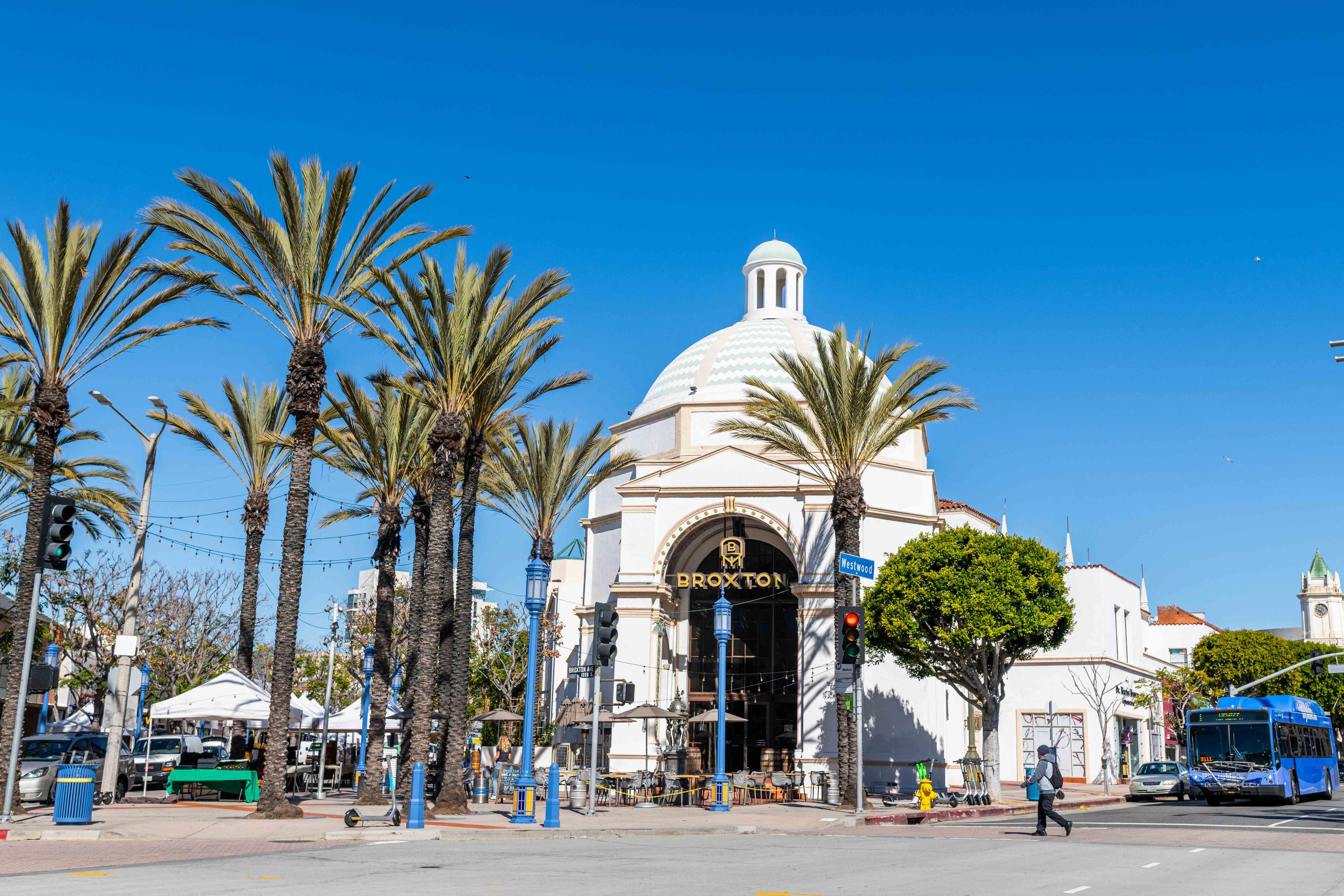
UCLA’s Weyburn Terrace, where the North Westwood Neighborhood Council holds meetings, is pictured. A Daily Bruin writer sat down with the NWWNC secretary to discuss her work and plans for the council. (Daily Bruin file photo)

By Alexis Muchnik
Jan. 29, 2026 12:23 a.m.
This post was updated Jan. 29 at 10:21 p.m.
Sailasya Munamarty was appointed as the secretary of the North Westwood Neighborhood Council in October after being appointed as an at-large board member on the council in August.
Munamarty sat down with Daily Bruin staff writer Alexis Muchnik to discuss the role of the council and what she hopes to achieve during her term.
This interview has been edited for length and clarity.
Daily Bruin: As a member of the Council appointed in August, what inspired you to join the council, and what do you hope to achieve in your time on the council?
Sailasya Munamarty: I have a big interest in the homeless population in Los Angeles and working with unhoused people, particularly with women that have issues. I have my own nonprofit that works with human trafficking victims and generally works with youth that are vulnerable across LA. So, as part of that, I wanted to join this council because it’s the lowest form of government, and so we have a say-so in advocating for people. We most recently gave a grant to an unhoused shelter over in Venice, I believe, in the Santa Monica area.
DB: What is the biggest challenge facing Westwood that you hope to tackle?
SM: There’s a lot of areas in Westwood, particularly with the unhoused population. There’s a lot of things that get ignored just because of the nature of being, in having a campus and just having people feel safe. A lot of things get ignored and pushed aside. There’s a big need for having just more resources available – more shelters, more drop-in centers. That’s something that I want to tackle, is making sure that there are resources, especially as we go into the winter, colder months, and just making sure that people have resources available to them at all times.
DB: Is there anything in particular the council has started working on to make these things a reality? Or is this just a goal for you at the moment?
SM: We’re working on bringing back in Connect Days and things like that, which provide resources for homeless populations. We are working on creating something that’s more recurrent. Hopefully, within the coming months, we’ll see these coming to action.
DB: How does your status as a UCLA student inform your participation on the council?
SM: Being a student lets me see a different perspective than some of the older members on the committee, having a fresh set of eyes and seeing how people from all different backgrounds come to UCLA. I’m also in the student government. Combining those two areas of interest – it allows me to see how education is super important as well. That’s another thing with the unhoused population, in the shelter that we recently gave a grant to, making sure that people have resources, be able to apply to colleges, apply to jobs, making sure people are stable. That’s the number one way to … set people up for success. Also just being a student at UCLA, having the privilege to learn and meet new people who come from different cultures, I’m able to kind of relate to what the current concerns are in Westwood.
DB: Part of your role as the secretary of the council is to take meeting minutes, post agendas and inform the public of meetings. How do you, in your role of secretary, intend to ensure that the council is keeping the people of Westwood informed about what’s happening with the leadership of their community?
SM: We have a social media page that tries our best to kind of advocate and share what is the most common concerns. We have a newsletter. So signing up for that is a great way to find out. And so through all of this, we definitely try to make sure that people are aware of what’s happening. In my particular role as secretary, I’m just trying to make sure that our agenda is as inclusive as possible, and making sure that when anyone has something they want to bring up or has any concern, we definitely try to make sure that they have a voice and are able to be heard at the council.
DB: How do you try to ensure that your agenda is as inclusive as possible?
SM: Generally speaking, we do get a lot of emails with people having public concerns and things like that. So when we do receive those concerns, we have our smaller committees where we do try to bring them in first, and then as soon as I hear anything that people find important, if the committee has already heard from it, we definitely ensure that we put it on the agenda in a timely fashion – so as soon as possible.
DB: To you, what’s the mission of the council, and how does the council work toward meeting the mission?
SM: The mission of the council, generally speaking, is to ensure that Westwood, particularly the North Westwood region, has resources, and we’re able to hear concerns. We’re able to advocate on behalf of people and what their concerns are to congresspeople and ensuring that policy is reflective of the interests of the residents in Westwood. When people come to us with something, reach out by email, we try to make sure we keep that in mind. I know a lot of people on the council definitely try to ask questions when congresspeople come in, and making sure that we’re holding people accountable in higher levels of government to make sure that things aren’t being cast aside. As secretary, we have to submit CIS letters, which is basically a Community Impact Statement, to make sure that we’re pushing and advocating on the general public’s behalf, to make sure that the government sees that the North Westwood community is interested in a particular action to urge government officials to take a certain decision.
DB: What, to you, is the role of local government, in this case, the North Westwood Neighborhood Council during politically fraught times?
SM: To question government officials.
Some of the biggest thing right now is, at least for me personally, is to make sure that – UCLA is not considered a safe campus at the moment – so things like that, we’re able to question government officials and check in on the progress of what’s happening on certain things. Even within committees, we’re able to meet with people and hone in on what people are generally doing. What is the current policy? When are certain laws going to come into play, certain bills going to come into play? And so being able to have the access to ask those questions is super important, and so that’s generally what we’re trying to ensure. Especially in these times, it’s really important that we push these government officials to make these decisions to protect people’s safety, to protect student safety, especially when people go into campus, it’s really important they feel safe going to their classroom. That should be the only thing on a student’s mind.
DB: What is the best way for UCLA students and other young Westwood residents to engage with the North Westwood Neighborhood Council?
SM: The best way is just showing up to the meetings. We have a lot of committees where you don’t need to be a board member. You can join the committees. Being on the Community Health, Homelessness and Safety Committee – that’s something I’m super passionate about, and that’s a great way to just get involved and try to help out the local community, local unhoused populations. We constantly promote local events where a lot of students can come in and work together. Beyond that, if you have a good question for a government official just coming to a meeting – we have public comment at all times.
DB: How do you ensure that you are representing the interests of the broader Westwood community when making decisions on the council?
SM: Reaching out to people myself, hearing what they’re interested in. I’m on student government, so I’m with the Academic Affairs Commission. Through that, I hear some concerns, people come to me in that respect, so I do try to keep that in mind.
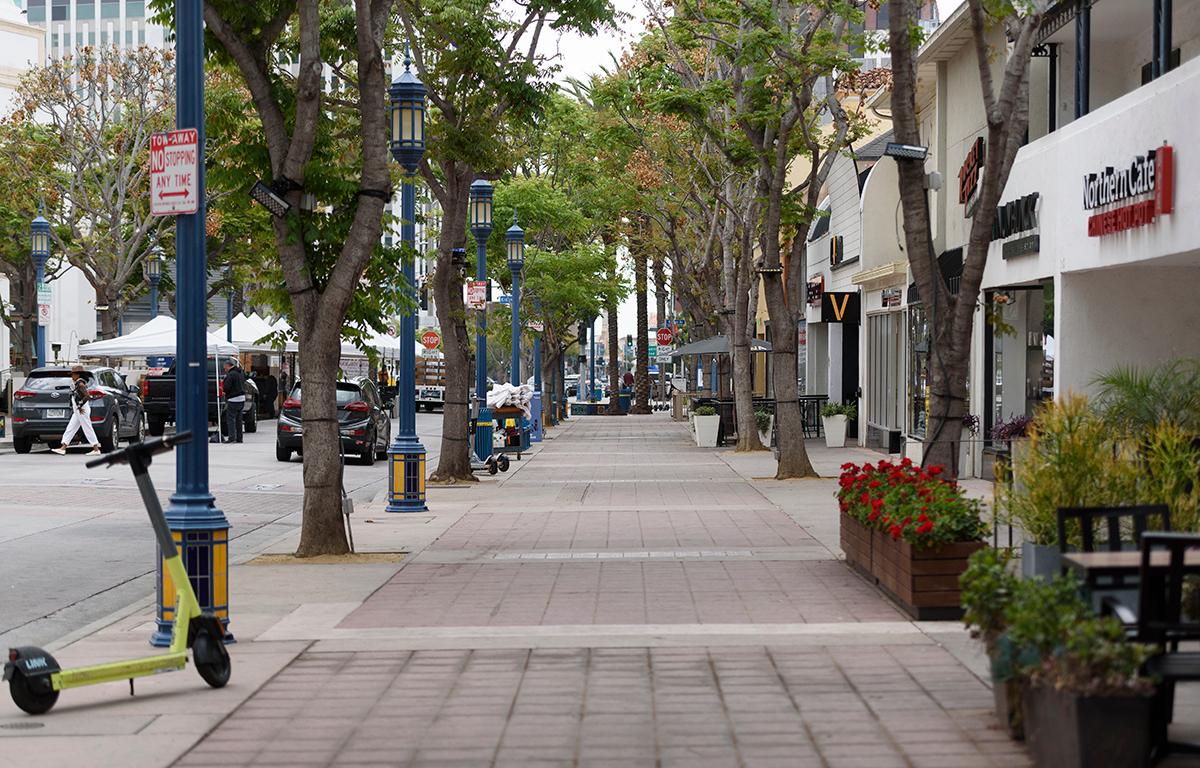
With my own nonprofit, I try to keep in mind people that I have met that are currently unhoused and hearing what their concerns are. So those are definitely the ways that I try to make sure that we are being representative. And there’s constantly also surveys where we reach out to business owners. I know that’s something the council is currently doing right now, is reaching out to business owners in the area, because there are currently up and coming projects in the Westwood area, particularly related to expanding certain walkways and walk paths. So we try to make sure that businesses and people in the area that are directly impacted by certain decisions are heard.
DB: What have been some challenges you faced thus far in your time on the council? Are there any challenges that you’re anticipating?
SM: The biggest challenge that I have is time. I think everyone in the council has a lot of great ideas, and I think it’s just being patient with making sure that we’re constantly just reaching out to the government officials, making sure that these things happen and have a life. For instance, with the Connect Days, making sure that stuff happens, cause it’s super important, and being persistent is something that’s really important.
DB: What does success look like for you at the end of your term?
SM: Success for me is definitely having a lasting program for the unhoused populations, making sure things like Connect Day and services are set in place in a way where, even if my term is done, I leave, the next person can continue to take that model on and continue to provide resources for the local population. That’s definitely something that I want to help create, is a self-sufficient mechanism for people to get resources.