UCLA pinkLab advances public health advocacy, community partnership opportunities
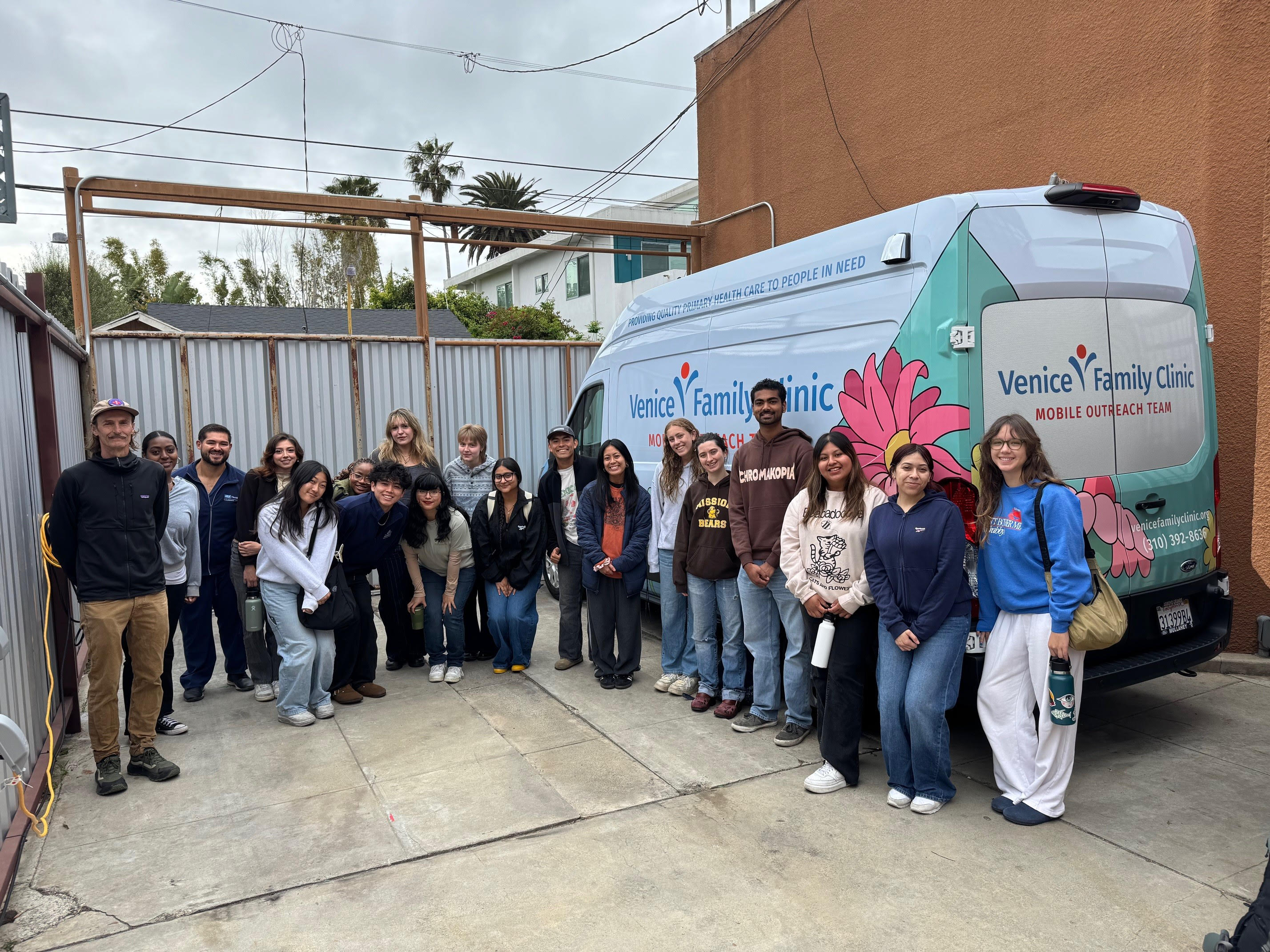
Members of the pinkLab is pictured with Venice Family Clinic as part of the Mobile Clinic Project service-learning course. (Courtesy of Sarah Blenner)

By Alisha Hassanali
Jan. 28, 2026 11:46 p.m.
Ma’ayan Epstein noticed disparities in patient care when working in the field as a psychiatry clinical research coordinator.
She said she found that patients from lower-income areas – not privately insured – were less likely to receive treatment and prognosis from health care professionals.
Epstein did not have the experience to address those inequities at the time, she said. But that changed when she became a graduate student researcher at UCLA’s pinkLab, she added.
The program, established by the Fielding School of Public Health, connects students with public health advocacy opportunities. It has offered 18 courses – including a mobile clinic service-learning class for undergraduates and a class that connects graduate students to real-world community health sciences experience.
pinkLab also provides a resource hub that supports community partners with teaching and learning materials for public health advocacy and education, according to its Instagram. These community partnerships have contributed more than 136,000 hours to local and global-public health efforts since 2018, according to its Instagram.
Doug Barrera, the senior associate director of the UCLA Center for Community Engagement, said pinkLab is part of UCLA’s effort to deepen its engagement with Los Angeles, as outlined in Goal 1 of UCLA’s Strategic Plan. The community health sciences department in the School of Public Health funds pinkLab through a grant allocated for community-engaged teaching and research, he added.
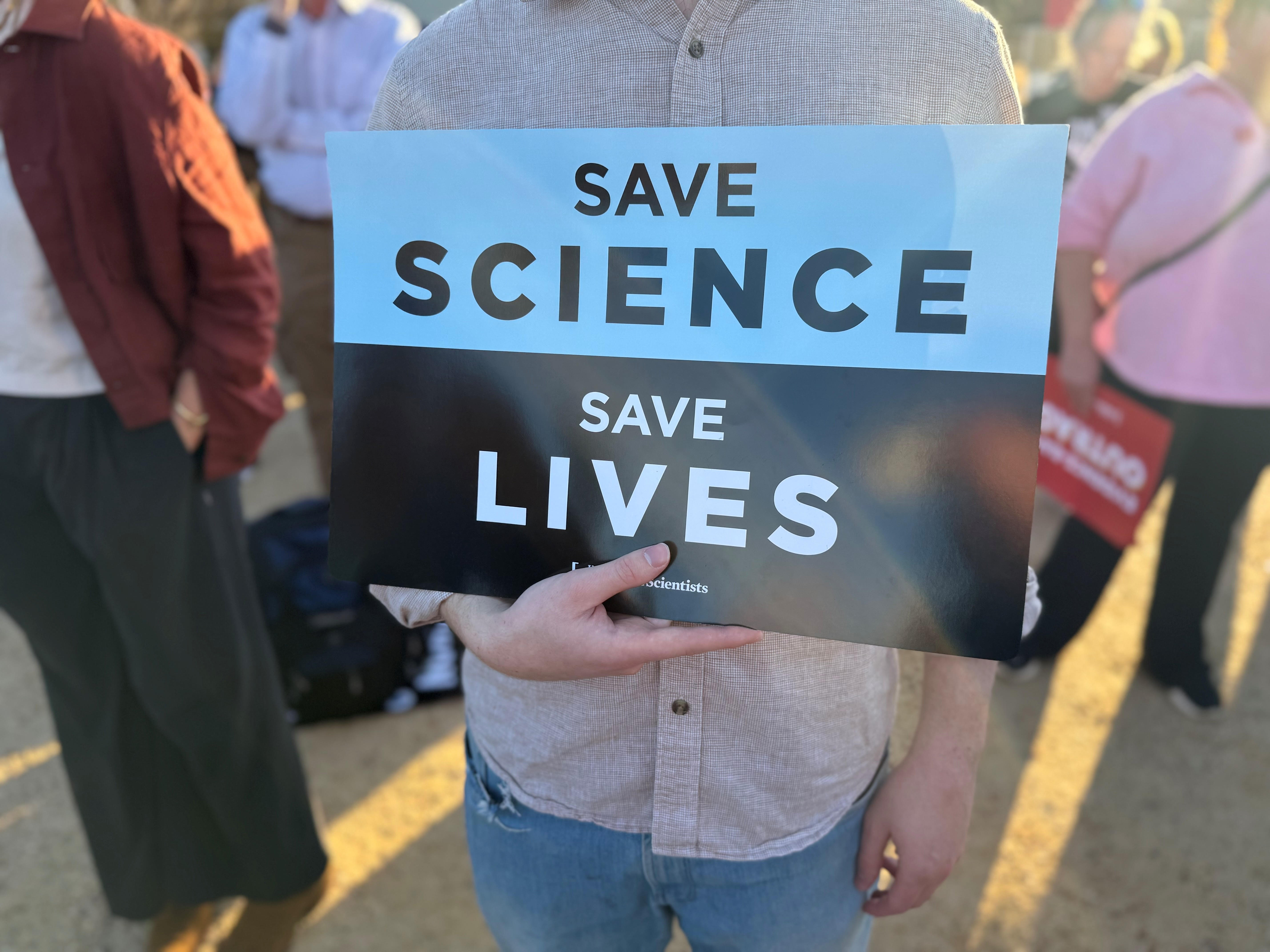
pinkLab is unique in its approach to public health advocacy as a reciprocal relationship, Barrera said. The program emphasizes the exchange of knowledge and resources, working directly with individual community organizations to carry out advocacy projects, he said.
Epstein, the curriculum development lead at pinkLab, said she hopes to create more experiences for undergraduate students to be exposed to healthcare disparities in underserved areas. This exposure will allow them to become more compassionate public health professionals, she added.
“It was shocking that I had gone to this huge public university in the middle of Los Angeles that theoretically prepared me to understand intersectional sociology, economics within the healthcare system, but I never actually was taught the tools to truly do community-based work,” she said.
pinkLab emphasizes the role of diverse community partnerships in advancing public health, said Sarah Blenner, UCLA pinkLab’s director.
“The heart of public health innovation is going to be collaboration,” she said.
Through pinkLab’s advocacy program, 77 advocacy fellows have contributed more than 42,000 hours of public health advocacy work in Los Angeles, Blenner said.
She added that her favorite part of her job is working with students to identify their passions and creating advocacy projects that allow them to make an impact and realize their professional goals.
“We can’t just advocate,” she said. “We have to make sure that we’re being effective advocates. We can get up, we can make a lot of noise, but is that really ultimately going to get us what we need?”
Blenner said she faced pushback when launching the advocacy training program in 2016. Other public health practitioners warned her to remain neutral, she added, as some believed advocating for certain policies might make them appear biased, she said.
But Blenner said she believes advocacy plays a fundamental role in ensuring that public health reforms are implemented.
“The truth is that in all of the work that we’re doing, there’s always advocacy,” she said. “If we want to get access to funding and if we want to have impacts on our community and make sure that policies in place are going to support the public health, then we have to engage in advocacy.”