Senate Bill 895 seeks to establish $23 billion research fund amid federal cuts
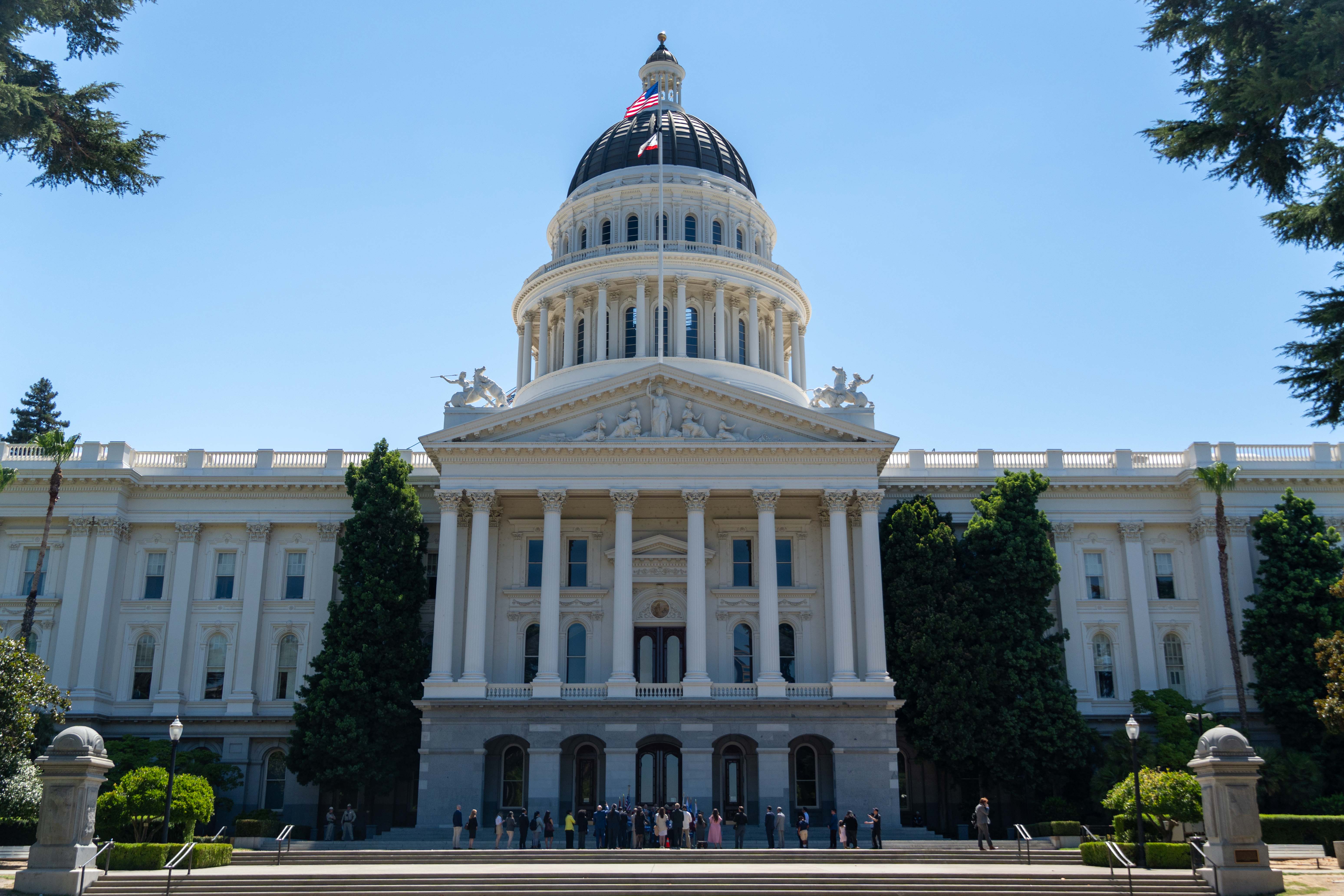
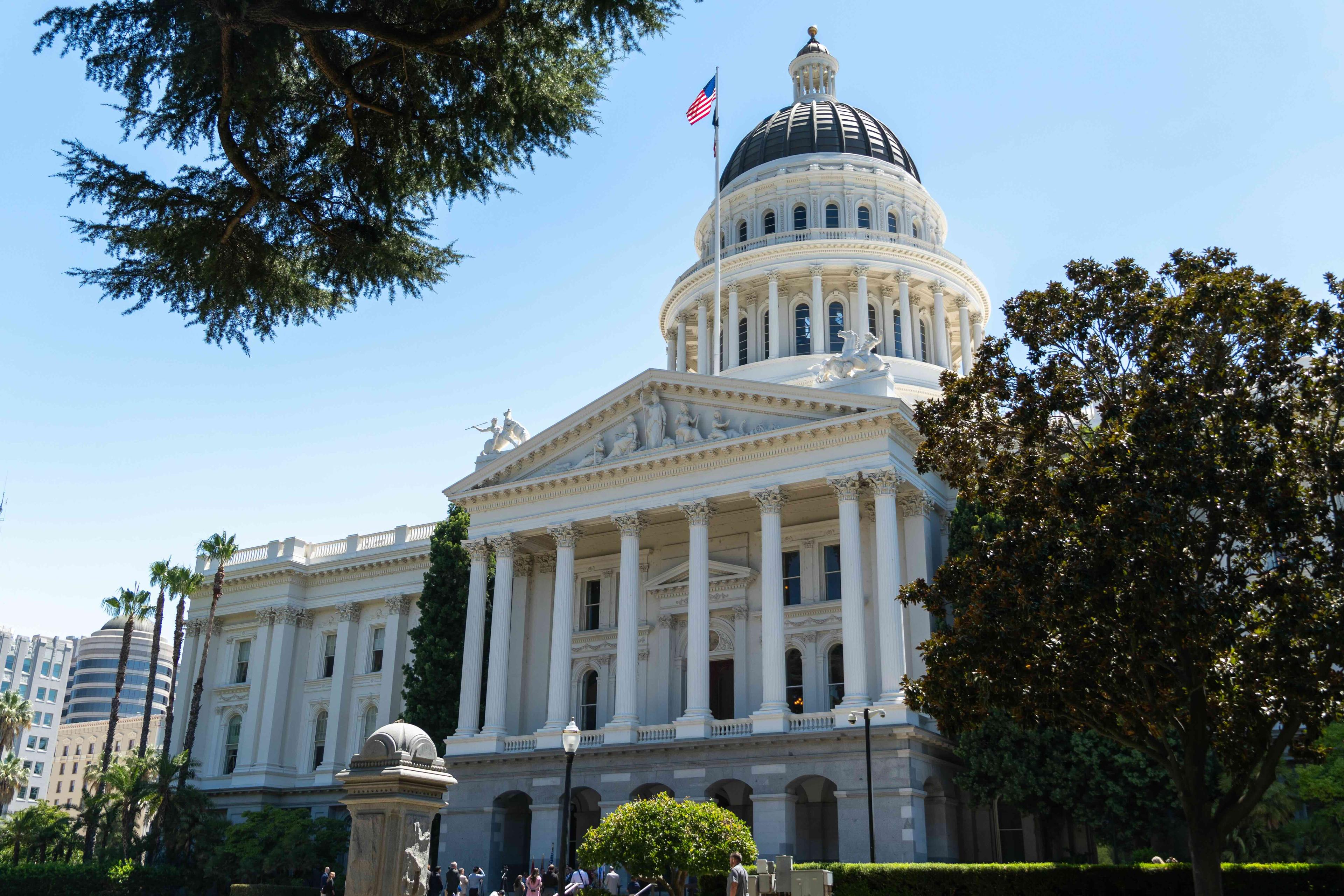
The California State Capitol is pictured. State senator Scott Wiener announced a bipartisan ballot measure intended to backfill research funding amid the Trump administration’s cuts in a press conference Friday. (Edward Ho/Daily Bruin)

By Jenna Saklawi
Jan. 17, 2026 9:03 p.m.
State senator Scott Wiener announced a bipartisan ballot measure intended to backfill research funding amid the Trump administration’s cuts in a press conference Friday.
Senate Bill 895 – joint-authored by state senators Sasha Perez and Aisha Wahab – was first introduced to the state senate Thursday. The bill must first receive approval from the state legislature and Gov. Gavin Newsom before it can appear on the November ballot.
If approved by the electorate, the measure will establish the California Foundation for Science and Health Research – which would distribute $23 billion from the sale of state bonds to research projects that have lost federal funding.
Mike Miller, the director of United Auto Workers Region 6 – which includes California – said during a Friday press conference that he believes the Trump administration has targeted California as part of its “anti-science agenda.”
The Trump administration froze $584 million in research funding from UCLA alone, suspending about 800 of the university’s grants from the National Institutes of Health, National Science Foundation and United States Department of Energy in late July.
[Related: Federal Funding Cuts to UCLA]
“These attacks jeopardize medical progress in areas like cancer, viral pandemics, heart disease, wildfire prevention and much, much more, while threatening the jobs of researchers and educators across the state,” he said.
Rita F. Lin, a judge in the U.S. District Court for the Northern District of California, reinstated the majority of the grants in August and September, but the decision is temporary and will hold while the case moves through the courts.
[Related: Federal judge orders Trump administration to restore $500M of UCLA research grants]
Lin issued another preliminary injunction in November in a case brought by UC employees, temporarily barring the Trump administration from freezing or threatening to freeze the UC’s federal funding.
[Related: Judge bars Trump administration from threatening, freezing UC’s federal funding]
However, more than 400 federal research grants worth $230 million remain eliminated or suspended across the UC, according to a Jan. 8 press release from the UC Office of the President.
UC President James Milliken said in a Sept. 3 letter to Wiener that recent federal funding losses pose a grave threat to the university. The University receives more than $17 billion per year from the federal government – including $5.7 billion in research funding – Milliken added in the letter.
Wiener, who introduced SB 895 – which was coauthored by over 30 state senators – alongside Perez and Wahab, added during the press conference that scientific research shapes California as a leader in discovery and contributes to its economy – the world’s fifth largest, according to the Public Policy Institute of California.
“That greatness is under assault from the Trump administration,” he said during the conference. “It’s an unfortunate opportunity for California to step up our leadership.”
The bill is a reintroduction of the contents added to Senate Bill 607 by Wiener and Assemblymember José Luis Solache Jr. in September, which proposed the same $23 billion bond measure to create the California Foundation for Science and Health Research.
“You can almost think of it as a California equivalent to the National Institutes of Health or the National Science Foundation,” said Anna Markowitz, an associate professor of education and president of the UCLA Faculty Association, about SB 607.
However, the authors amended SB 607 on Jan. 5 to remove language about the research bond ballot measure – which is now included in SB 895. SB 607, if passed, would now accomplish a different objective – authorizing the UC to add artificial intelligence as a research concentration at the California Institutes for Science and Innovation, which the governor’s office established on UC campuses.
Wiener said during the press conference that the authors always intended to reintroduce the bill and only proposed the bond measure under SB 607 toward the end of the 2025 legislative session – which adjourned Sept. 13 – to spark discussion while continuing to work on it.
He added that the new bill includes provisions to lower pharmaceutical costs for California residents. Pharmaceuticals developed from research funded by the California Foundation for Science and Health Research would be discounted, Wiener said.
“If the public is making this investment, we want to make sure the public benefits not only from the incredible breakthroughs that this funding will lead to but also in a very direct, tangible way,” he said.
Corinne Peek-Asa, UC San Diego’s vice chancellor for research and innovation, said during the press conference that she believes without investments in research, there is a risk that other countries will outpace the U.S. in scientific discovery.
“California has a very proud history of leading the nation in scientific discovery and SB 895 is a continuation of that important tradition,” she said. “The University of California is proud to support SB 895 and work with policymakers to bring it to fruition.”
Gabriel Edwards, an assistant project scientist at the UCLA David Geffen School of Medicine, said during the press conference that funding cuts have disrupted his research on preventing HIV transmission in California. The Trump administration terminated a $1.5 million grant that supported his project, forcing his research center to lay off workers and halting long-term work with community partners, he added.
He said that while the California HIV/AIDS Research Program – located at the UC Office of the President – contributes funding to his project, it is not enough to cover research across California that has been “targeted” by the Trump administration.
“A dedicated source of state funding would ensure that more researchers like me (would) be able to do our work without interruption and protect community partners who serve Californians,” he said.
Miller said that some funding would become available shortly after voters approved the measure. However, lawmakers would need time to establish the committee and foundation responsible for distributing the funds, he added.
Wiener said the grants would be awarded through a methodical, merit-based application system to ensure funds are awarded appropriately.
The bill will be heard in the state senate’s policy committees this spring and could reach a senate floor vote by May. Although the bill has support in the state legislature, it will only appear on the ballot if approved by the state legislature and the governor, he added.
“It’s going to take a lot of work and advocacy and organizing,” Wiener said. “We’ll work very hard to maximize the chances for this bond.”