Dizon’s Disposition: UCLA’s lack of fan culture has no clear solution
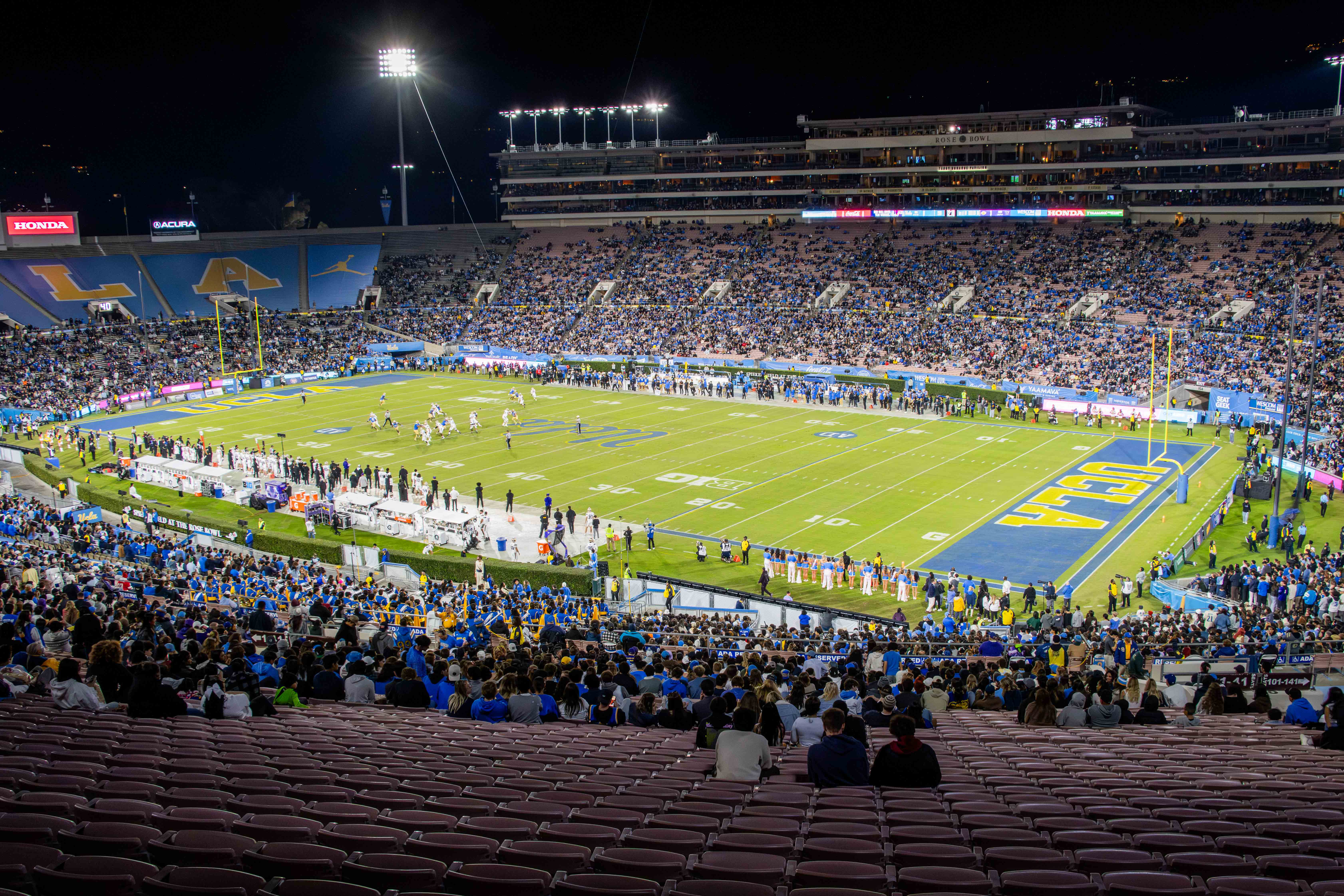
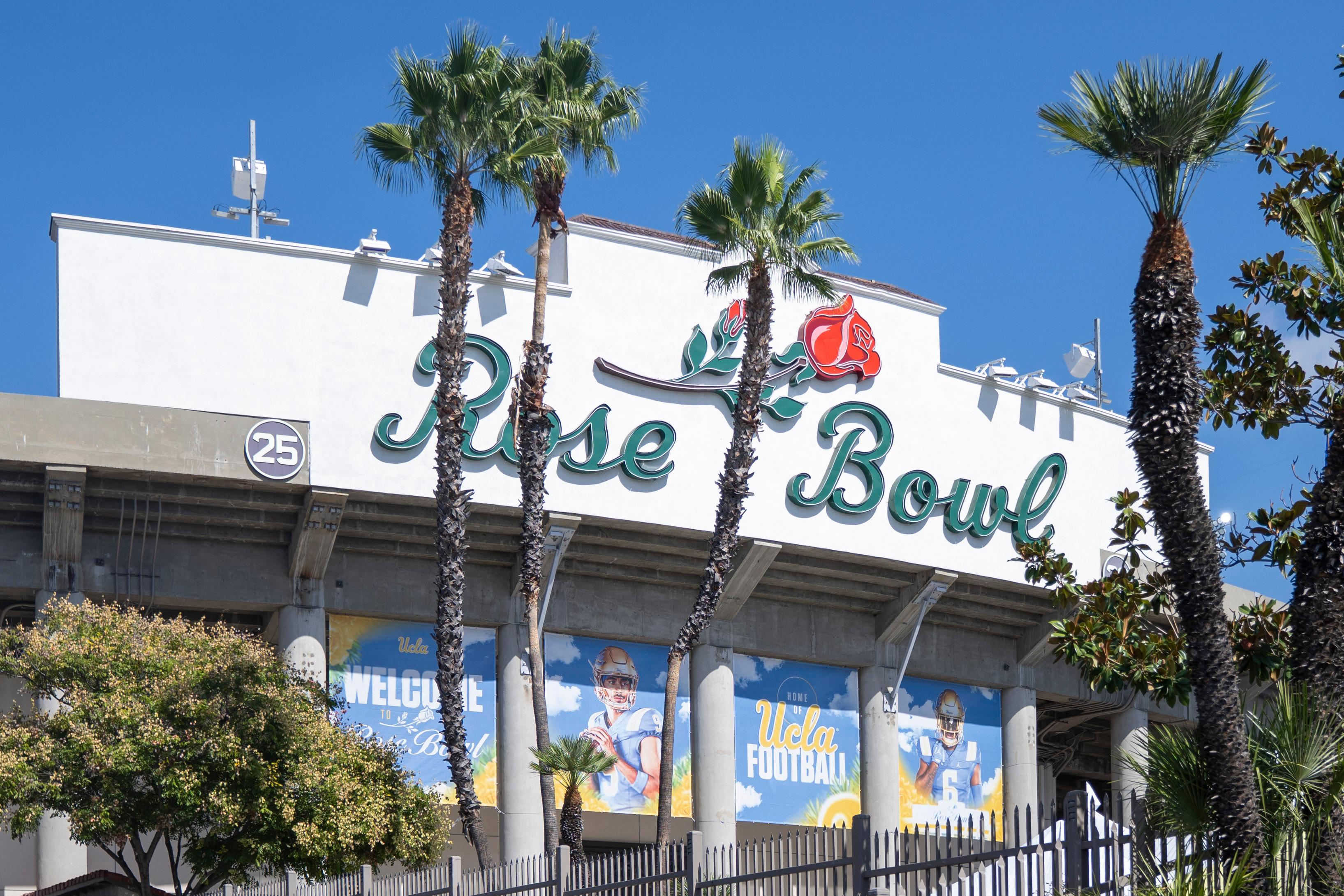
The Rose Bowl is pictured. (Brianna Carlson/Daily Bruin staff)

By Kai Dizon
Jan. 15, 2026 11:13 p.m.
UCLA is one of the best sports schools in the nation.
The Bruins have taken home 12 NCAA titles since 2016 and 16 since 2013.
Only Stanford has more NCAA titles.
But few outside Westwood may be aware of the Bruins’ athletic achievement.
And who could blame them? UCLA’s sports culture comes nowhere close to some of the best in the country, even though its athletic programs deserve it.
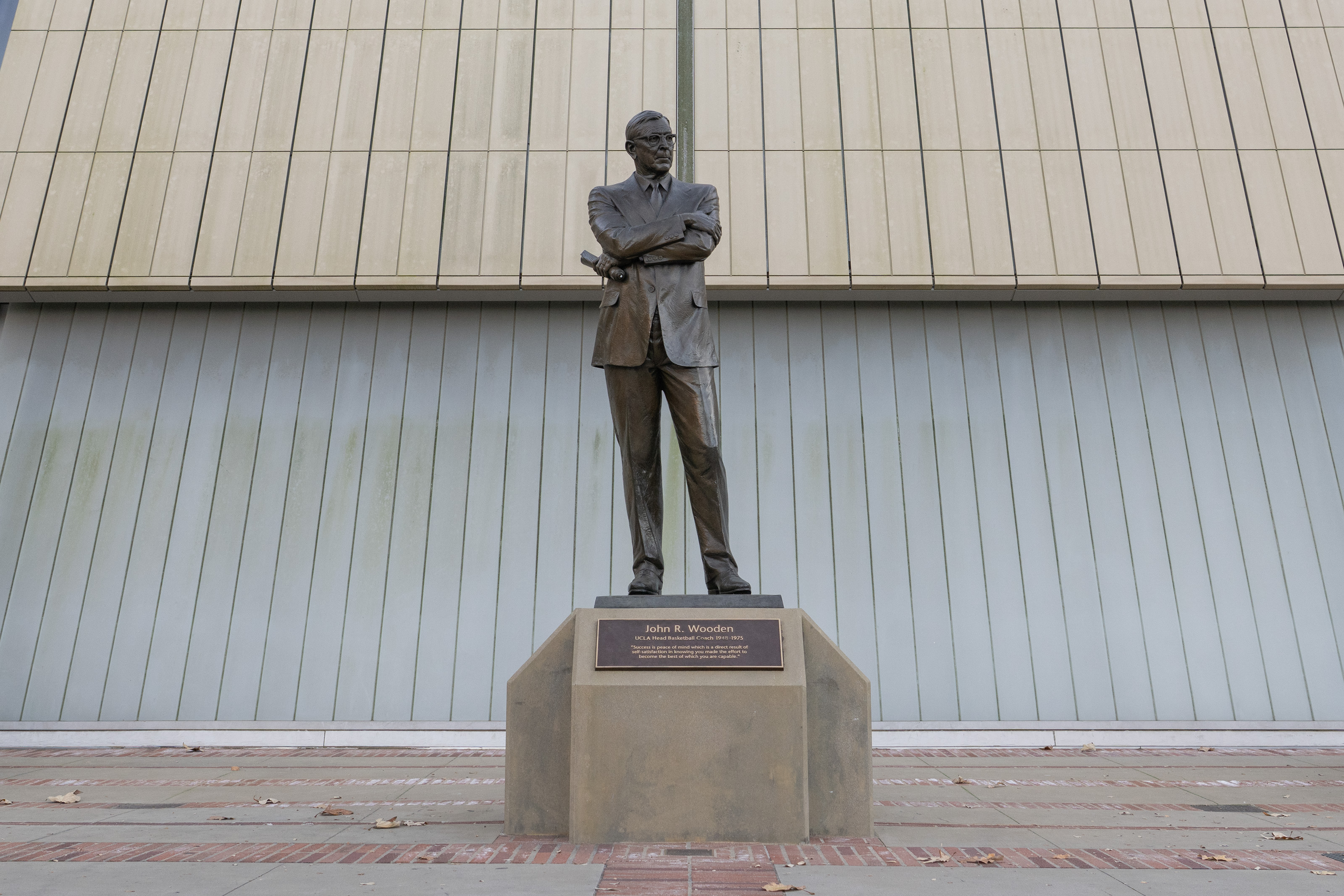
You see the banners on Bruin Walk, the stadiums on campus, the statues of John Wooden and the UCLA Athletics Hall of Fame.
But programs are followed in spurts and patches, rarely in droves.
That is not an indictment on anyone. I do not have a villain to pin this to, or even a good answer.
But we need to acknowledge the problem.
At schools with a nationally recognized sports culture, athletics become a part of people’s identity and the teams and events become more than just the final score and plays on the field.
People will argue whether college sports and its culture are a good thing.
In UCLA’s case, there is not much of a culture to begin with.
But I would like there to be.
The problem is that there are a lot of problems.
The sports culture that does exist is stuck in the 8-clap from the ‘40s, Wooden’s tenure in the ‘60s and ‘70s and a plethora of other content preserved in black and white or pixels the size of the suburban houses people could reasonably afford back then.
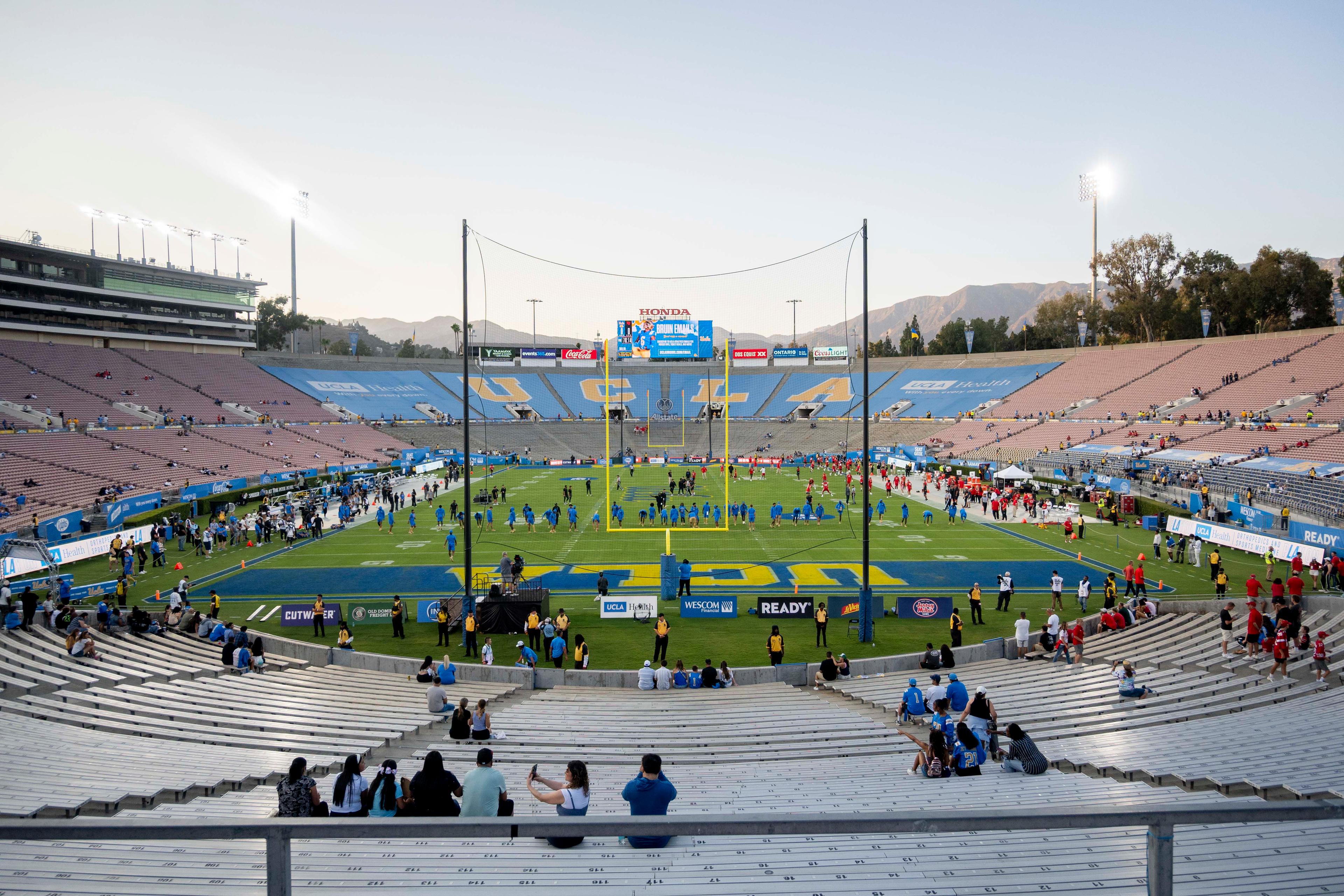
It is no secret that UCLA football has had struggles drawing fans.
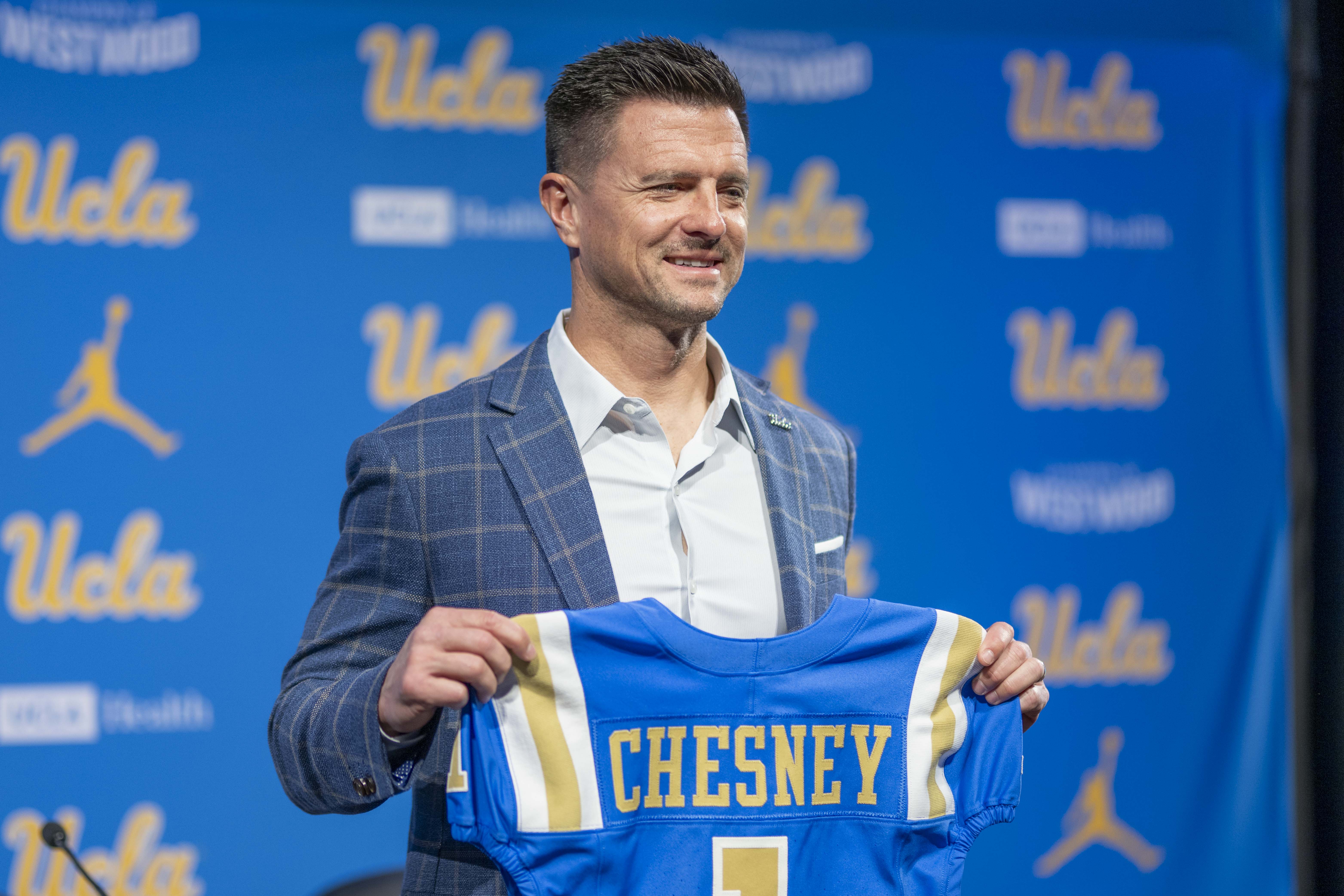
The program averaged just 37,282 fans per game in 2025 – its lowest mark since moving to the Rose Bowl in 1982. While time will tell if newly minted head coach Bob Chesney and a possible move to SoFi Stadium will change things, most people chalk up the Bruins’ poor attendance to a home stadium distant from Westwood and a mediocre-to-bad team.
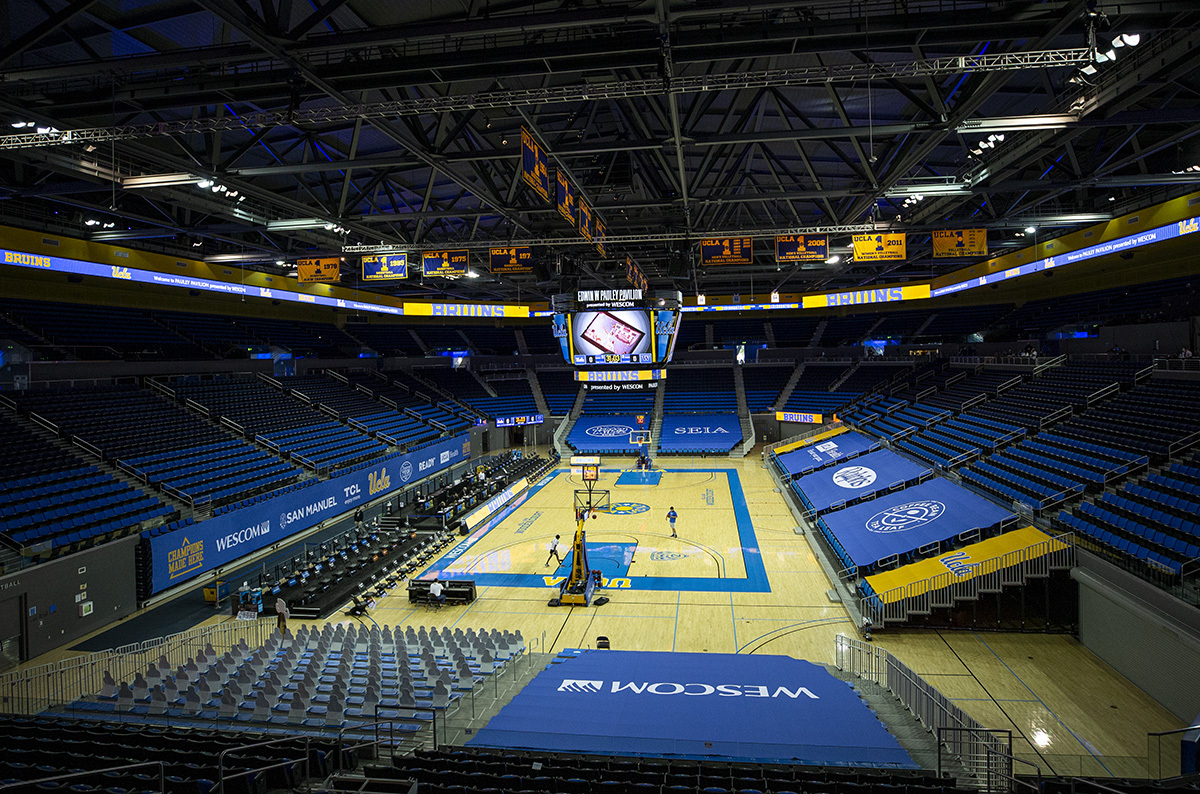
UCLA men’s basketball – supposedly the school’s premier sport – has also faced middling attendance figures despite playing on campus.
While I would argue that a college program’s unaffiliated fanbase is as, or even more, important than its student and alumni following – at least for game-to-game attendance – the Bruins’ worst figure of 4,123 attendees admittedly came against Cal Poly on Dec. 19, a week after most students had left campus for winter break.
UCLA’s best attendance came Nov. 7 against Pepperdine.
It was the first game UCLA athletics made free to students this season – part of the decision to make all of men’s basketball’s nonconference games free for students – resulting in a crowd of 9,103.
However, in UCLA’s following game against West Georgia, attendance fell to 4,133.
In UCLA’s first home game since winter break Saturday, only 6,879 showed up to Pauley Pavilion – or just under half of the venue’s 13,800 capacity.
So, an easily accessible stadium is not the only issue.
While the modern transfer portal has helped many student-athletes tremendously, it has come at the cost of the fan experience. While a fan may root for the same colors year after year, they get attached to the players.
It is hard to do that given how dramatically rosters can change year to year. A young star playing a single season at UCLA before going to the NBA would be one thing, but a player transferring to a program UCLA never faces is different – it’s a player signing elsewhere in free agency and not a player getting promoted from Triple-A.
You could point to UCLA’s departure from the Pac-12.
The Bruins’ move to the Big Ten was always a financial move – and, on paper, it was a good one. But it sacrificed a lot of the culture around UCLA sports.
At least for students, it could remain hard to build Big Ten rivalries.
Whether it be high school sports or the professional teams I rooted for, the most contentious and meaningful rivalries stemmed from the ones I felt personally connected to in some way. Like when I knew people who went to that rival high school or who were diehard fans of that rival team.
But how likely are current or future UCLA students – who largely hail from California – to know people at Iowa, Rutgers, Michigan State or Indiana?
For what it’s worth, even against longtime conference rival Oregon, UCLA only drew 7,022 to Pauley Pavilion on Dec. 6.
You could blame the team’s performance.
The clips UCLA athletics plays on the Pauley Pavilion jumbotron – the 1995 NCAA title, the 2021 Final Four run, seven consecutive national championships – are all growing further away with each passing day.
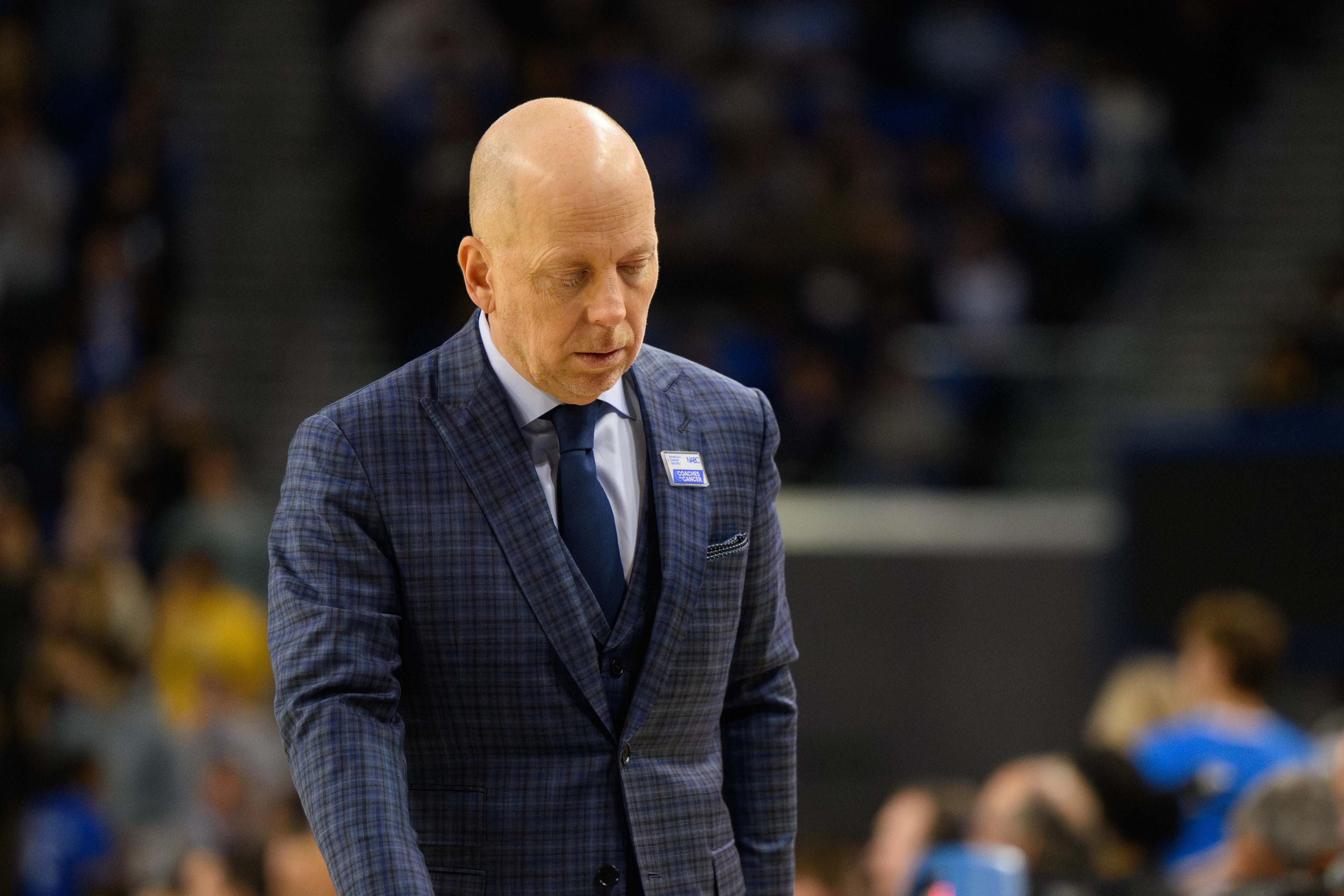
A year ago, the sentiment I got online surrounding coach Mick Cronin remained largely positive.
Maybe it was because the early successes of the Cronin era were more recent, maybe it was because it was easier to reason that the coach did not have the Name, Image and Likeness resources to field an elite team.
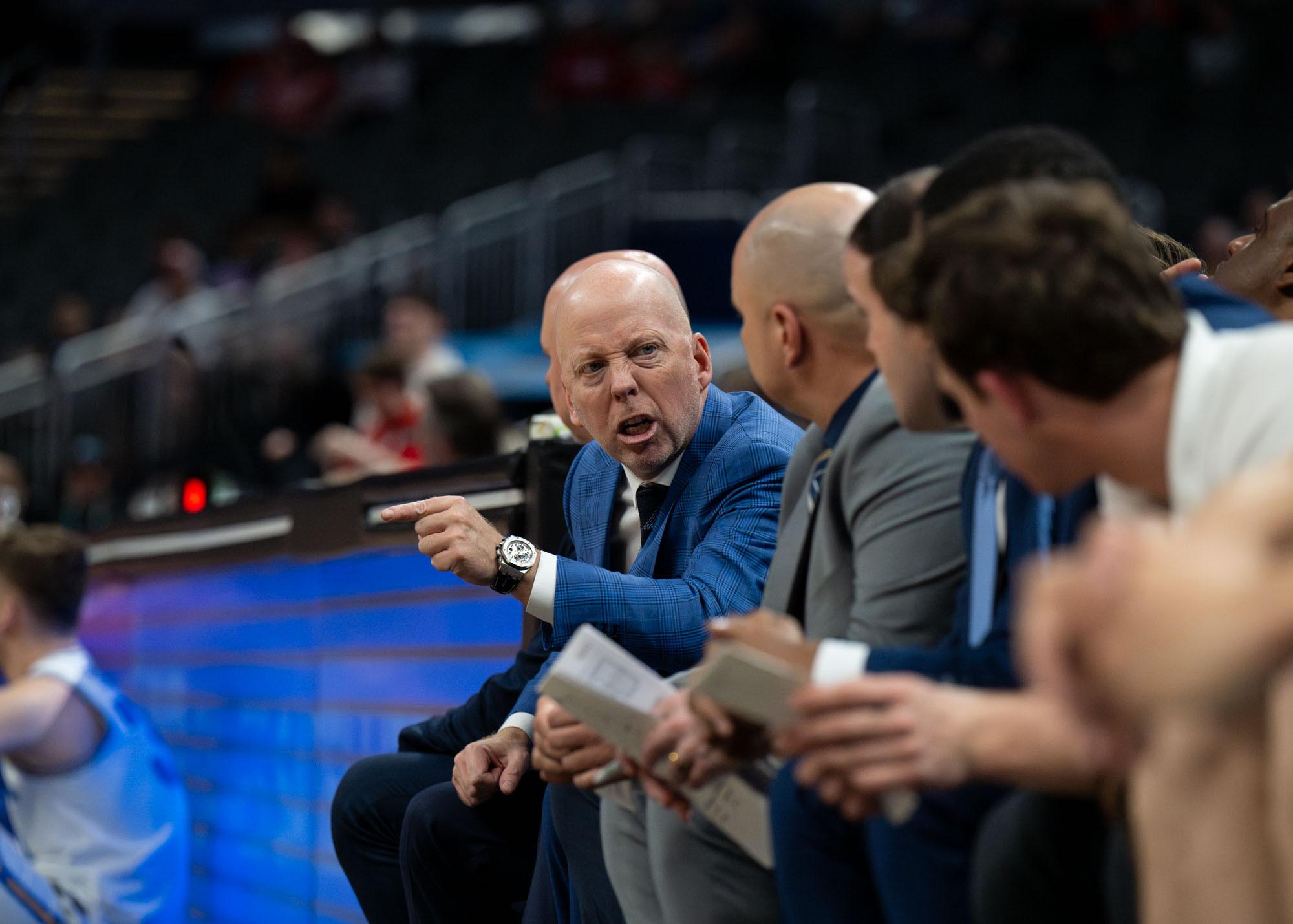
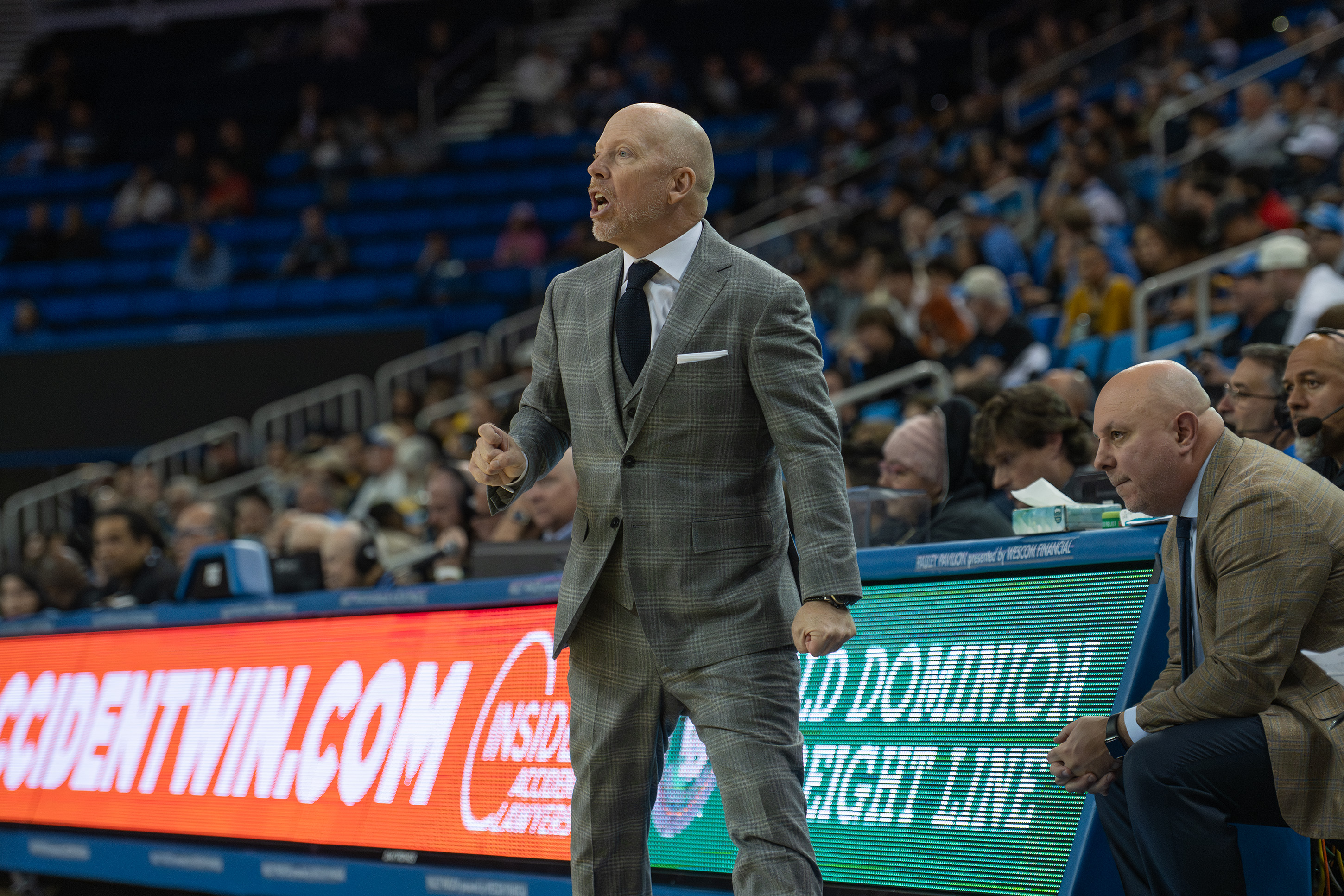
Fans, by and large, seemed to appreciate the coach’s postgame rants that often accompanied tough losses – typically criticizing his team’s mentality, attitude or skill.
But now, more and more people seem to express that a lot of what made the coach successful hinged on the pre-transfer portal and NIL era of college sports.
“I long for the days when I recruited a guy for three years and coached him for four or five,” Cronin said Saturday. “You can really help a guy at that point and impact a guy. But I won’t change. Times have changed with that, and recruiting has changed.”
Ironically, the coach has changed this season – if not his coaching, at the very least, his postgame demeanor. And especially since the Bruins’ season opener.
Cronin will still have his quips and dominating presence; he’s still not shy to say where weaknesses or mistakes showed up in a game, but he calls out individual players less. If he critiques effort or mindset, he points toward the team at large. When he talks about specific Bruins, he stresses more where he’s seen improvement.
But now, and maybe more than ever, fans are no longer happy with Cronin.
Maybe it comes from a belief that Cronin can’t gel teams fast enough with just a one-to-two season window. Maybe it’s just the lack of deep March Madness runs and NBA talent in recent years.
News of Cronin’s extension through the 2029-30 season wasn’t met with cheers. Calls for the coach’s firing only grow louder with each passing loss – but maybe that’s just habitual for fans.
Still, the transfer portal and NIL don’t solve the whole problem either.
UCLA men’s water polo won its second consecutive NCAA title in 2025. Its home matches are free to attend and take place on-campus at Spieker Aquatics Center, right next to UCLA’s Sunset Canyon Recreation Center.
The program continues to compete in the MPSF – with the Big Ten not sponsoring water polo – meaning UCLA, USC, Stanford and California remain rivals in the MPSF West. Additionally, every NCAA title since 1997 has been won by one of these four teams.
UCLA has the back-to-back ACWPC Player of the Year in sophomore attacker Ryder Dodd, and the program faces little roster turnover that isn’t due to graduation or incoming freshmen. Yet, even against then-No. 3 USC on Oct. 18, just a crowd of 750 spectators showed despite Spieker Aquatics Center’s listed maximum capacity of 2,300.
UCLA excels in a number of sports – 114 of the school’s 125 NCAA titles did not come from football or men’s basketball. They came from sports more affordable and accessible – and still, full or near-full capacity crowds are hard to come by.
Win-loss records, ticket prices, NIL, the transfer portal, stadium accessibility and familiar opponents may all very well be factors, but if even UCLA’s programs that deal with few – or even none – of those issues still struggle with putting fans in seats, it could be a sign of deeper, unmet needs or desires of potential UCLA fans, or just sports fans in general.
For starters, former football coach DeShaun Foster was right. UCLA is, in fact, in Los Angeles.
Not Tuscaloosa, or Ann Arbor, or New Brunswick, or Baton Rouge, or Gainesville, or Champaign, or Tallahassee, or Bloomington, or Clemson, or Columbus, or any of the other major cities where a college sports event is the day’s big event.
People simply have other options. Just looking at sports, LA and Southern California have an saturation of professional, college and high school events, meets and competitions.
Then there are all the things you could do to enjoy sports without spending the time and money of going to a sports event.
NBA League Pass, MLB.TV, NFL Sunday Ticket, ESPN+, B1G+, DAZN – the list goes on. Add in illegal streaming, VPNs, my mom’s ongoing cable subscription, and most people can watch any sports game in the country – and never have to completely stop whatever they were otherwise doing.
People don’t go to the movie theater like they used to.
Plus, it’s a whole lot harder to go to a sports game when you don’t know anybody else going, or everyone you do know does not want to go. No one wants to be one of the few hundred fans at a more-than-half-empty stadium.
Even if everything else goes right, do you remember what happened the last time students wanted to go to a UCLA game?
Approximately 1,000 students lined up along Bruin Walk outside Pauley Pavilion ahead of UCLA women’s basketball’s regular-season finale against USC – two top-five teams battling for the Big Ten regular-season crown.
Only 400 got let in.
UCLA – and arguably just most of college sports in general – have so many things working against fan engagement and not a whole lot going for it.
It’s not just where the stadium is, how good the team is, or how much money you’re spending.
It’s not an easy problem to solve. Especially in UCLA’s case.
Unfortunately, I don’t have an answer.
But UCLA Athletics’ is T-shirt giveaways, free pizza and Labubu raffles.