Dully’s Drop: Transfer portal, NIL era has lessened meaning of UCLA-USC rivalry
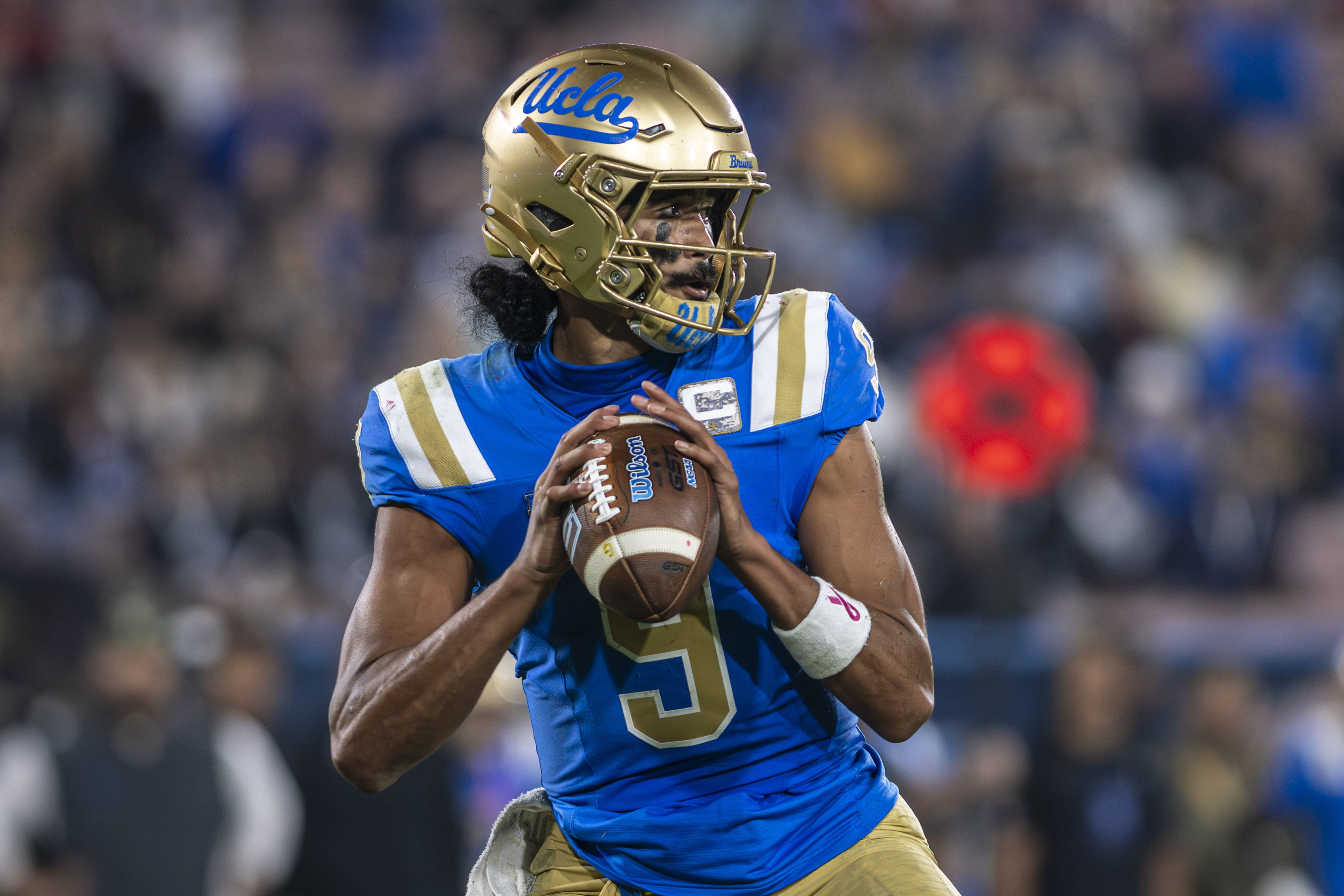
Redshirt sophomore quarterback Nico Iamaleava holds the ball and prepares to throw it downfield.(Aidan Sun/Assistant Photo editor)

By Connor Dullinger
Nov. 23, 2025 11:56 p.m.
Michigan vs. Ohio State.
Duke vs. North Carolina.
Yankees vs. Red Sox.
Bears vs. Packers.
Ali vs. Frazier.
Some rivalries remain timeless.
You can’t think of Duke basketball without thinking of UNC, the Cameron Crazies, Roy Williams and everything in between.
The “Curse of the Bambino” will entangle the Boston and New York baseball teams for as long as time.
Chicago fans will always hate former Green Bay signal-caller Aaron Rodgers. And Packers fans will consistently remind Bears fans they boast more rings.
Michigan will always hate Ohio State. And the other way around.
And despite never having watched either Muhammad Ali or Joe Frazier, I know all about the “Fight of the Century.”
But where does UCLA vs. USC stand in this elite group of hate-filled duels?
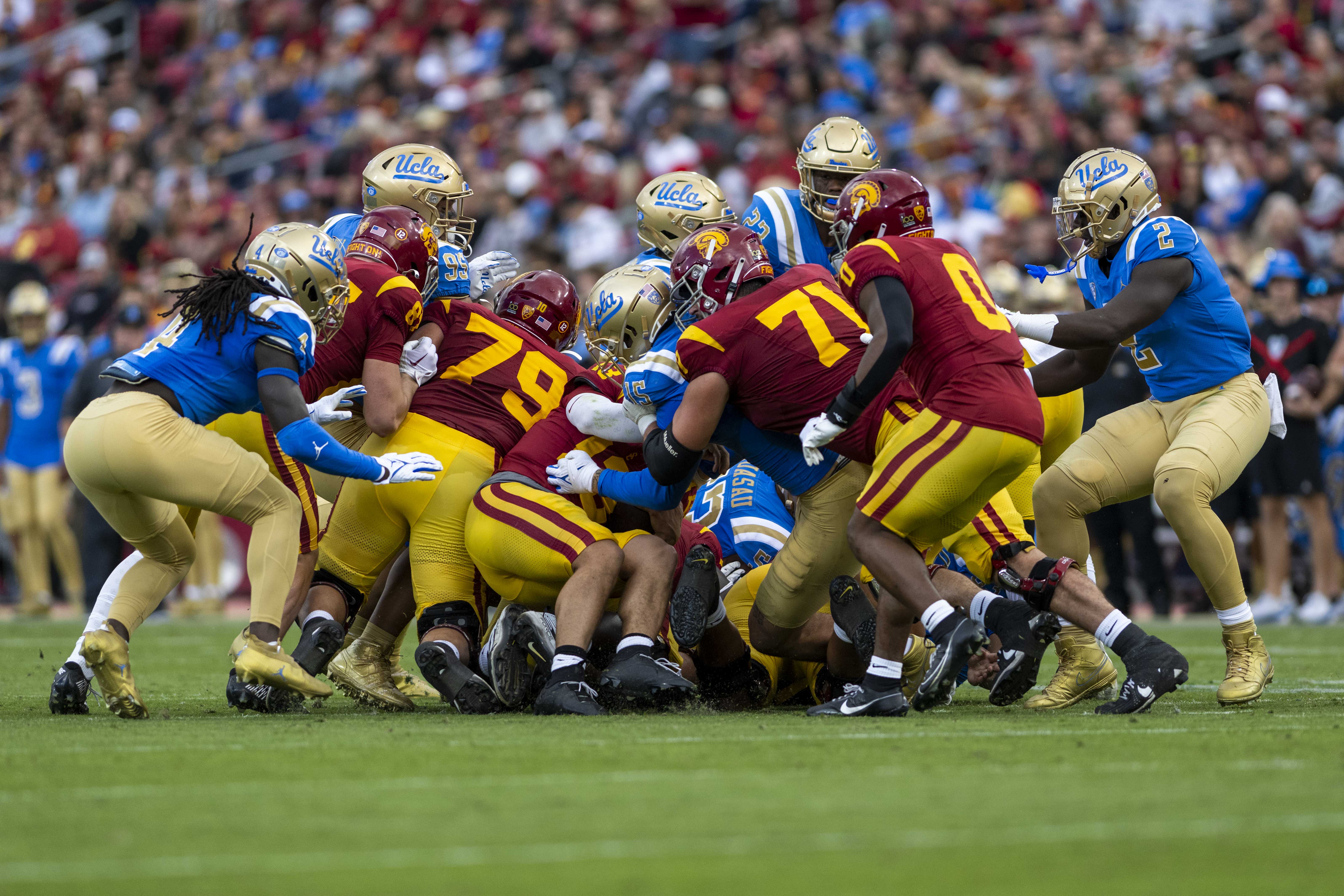
Twenty years ago – in the era of Pete Carroll, Reggie Bush, Maurice Jones-Drew, Marcedes Lewis and Matt Leinart – the Battle of Los Angeles sat shoulder-to-shoulder with its counterparts in the upper echelons of sports rivalries.
But the emergence of name, image and likeness, additional years of eligibility, and a major influx in transfer portal activity have reduced the number of people who stay at one school all four years. Beyond that, an increasing number of players suit up for two, three or four schools.
Don’t get me wrong.
I am somewhat of a supporter of what collegiate sports has become. Athletes deserve to make as much money as they can while their careers allow it. The $100 million dollar-endowed schools don’t deserve to keep all the revenue earned off the backs of their student-athletes.
And despite all of the hate the transfer portal gets – and maybe deserves – it allows mid-major and lower Power Four players to emerge on the national stage.
It also allows players to go from riding the bench on a juggernaut program to a school where they can establish a brand, an identity and a presence in the minds of scouts and professional developers.
But the cost this trickle-down effect has on schools is immense.
Players no longer feel pride in wearing a school’s colors or representing the logo stitched across their jerseys. Even if there is some pride, it pales in comparison to what college football used to be.
Athletes rarely move programs for the school – they do it for a million other reasons of higher priority – with money usually taking the top spot.
And I don’t blame them.
Unless you are from Southern California, what emotional or personal connection do you have to UCLA, let alone the crosstown rivalry? If you have been in Westwood for a quarter of the year, what obligations or deep ties do you have to the program?
Four of the Bruins’ 11 offensive starters and eight of the 11 defensive starters are transfers who have been in Westwood for less than a year.
Three of the four new offensive transfers are on their second team, but redshirt senior offensive lineman Courtland Ford is on his third school in six years of collegiate football – and even started his career at USC.
Five of the new eight defensive transfers have only been at two schools, but redshirt junior defensive lineman Anthony Jones and redshirt senior defensive back Key Lawrence are with their fourth programs, while redshirt sophomore defensive back Cole Martin is at his third in as many years.
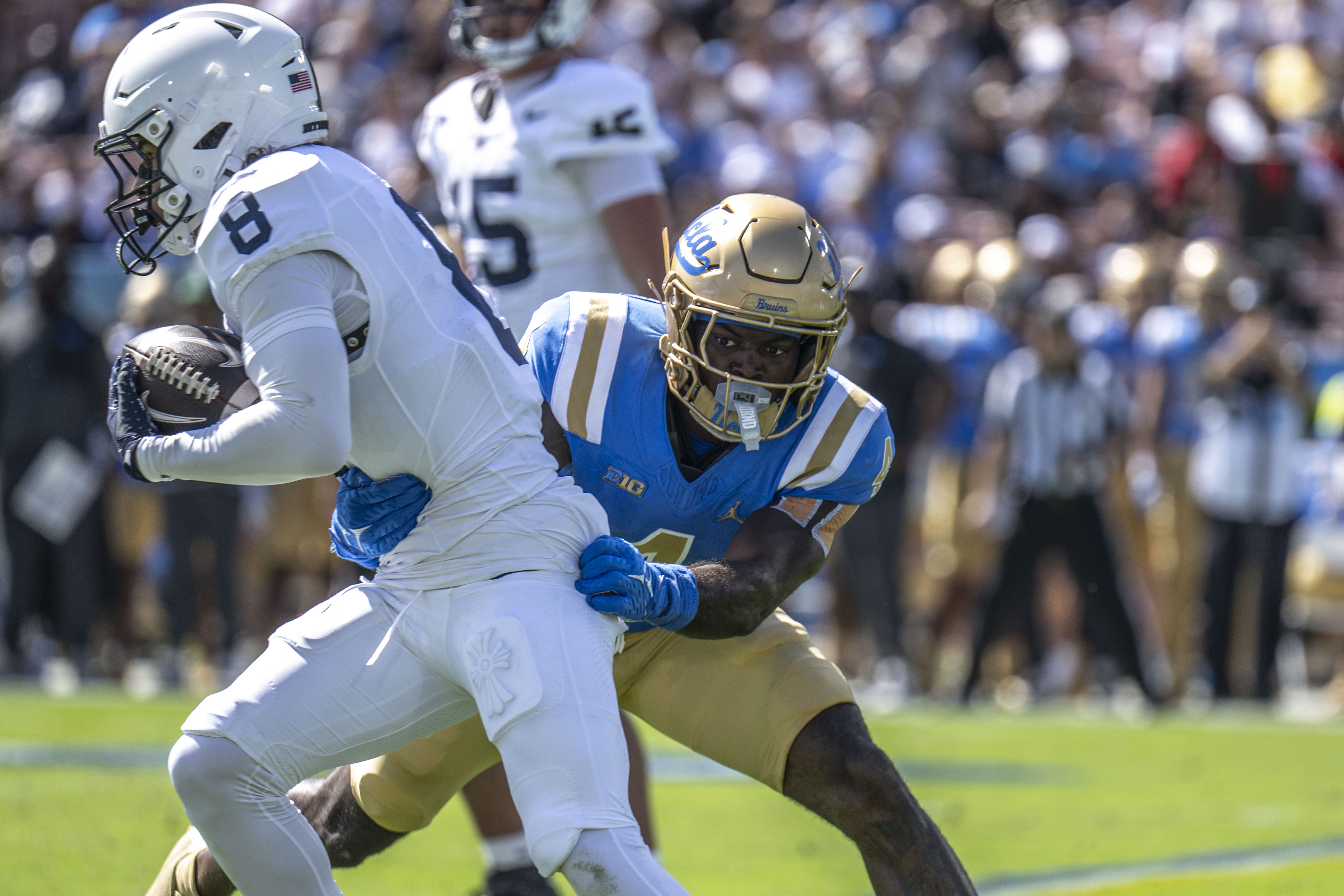
Simply put, more than half of UCLA’s starting personnel are playing in their first rivalry game come Saturday.
The crosstown rivalry is no longer a Southern California bout – filled with players who have played against each other year after year from Pop Warner football through high school to the collegiate level.
Bruins and Trojans alike are not playing for the same team year after year. Each season presents a total program overhaul with dozens of players coming in and equally as many going out. It has gotten to the point where it feels like a new coach takes over the program each offseason.
There are no consecutive years of Darnold vs. Rosen, Leinart vs. Olson or Bush vs. Jones-Drew.
This year it’s Maiava vs. Iamaleava.
And next year it will likely be two different people – and that theme isn’t exclusive to the quarterback position.
Maybe the rivalry has lost its touch, animosity and importance because of the relative status of both football teams. UCLA was never the blue blood of college football, but they were never one of the worst in the country like they are now.
And USC is a top-25 team, but 20 years ago, it had two Heisman winners, a national championship trophy and two championship appearances.
A win from either side could definitely revive a rivalry that has otherwise lost its touch. But for the foreseeable future, the microcosm that is college football will not change. NIL will continue to dominate recruiting, and a bounty of transfers will enter and exit through a swinging door.
And as long as it continues, the importance of the UCLA vs. USC game will never return to what it once was.
Everyone cares about winning.
But beating your crosstown rival just tastes a little sweeter.