UC Regents committee examines medical center outpatient growth, coverage concerns
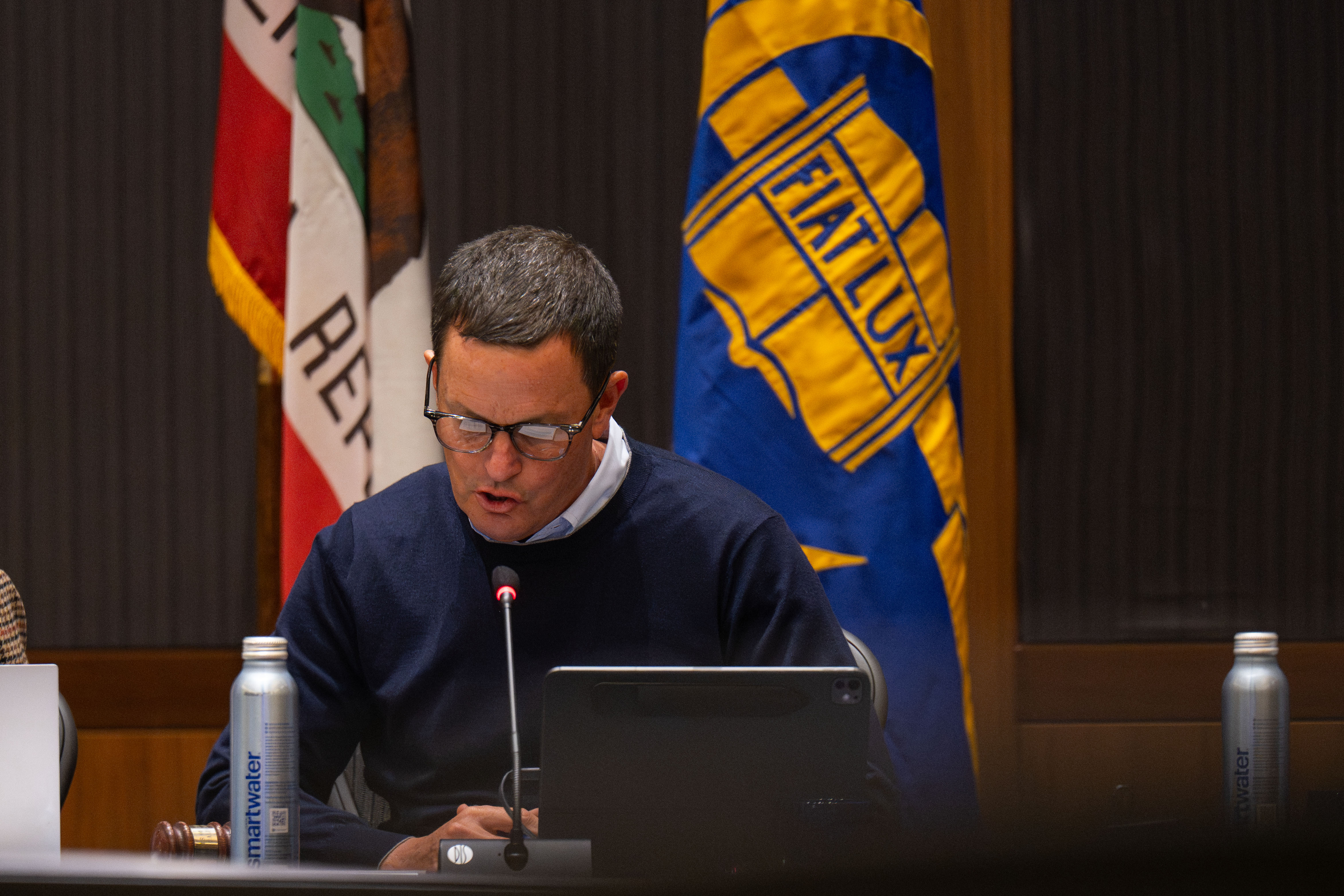
Regent Jay Sures is pictured at UCLA. The UC Board of Regents Health Services Committee announced Wednesday that more people visited UCLA Health for outpatient services than any UC medical center last year. (Andrew Ramiro Diaz/Photo editor)

By Nicholas Mouchawar
Nov. 21, 2025 9:54 p.m.
The UC Board of Regents Health Services Committee announced Wednesday that more people visited UCLA Health for outpatient services than any UC medical center last year.
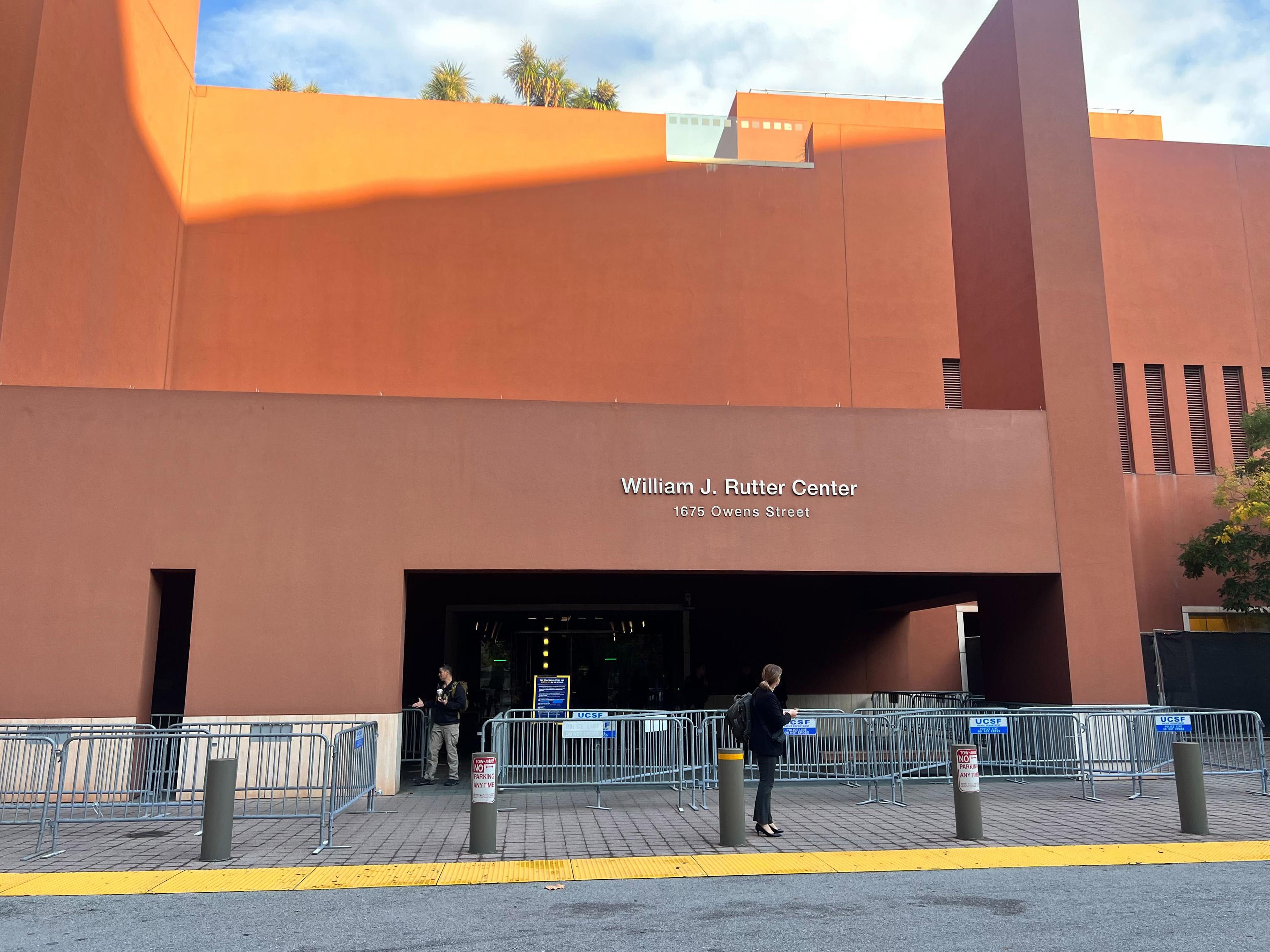
The committee provided an overview of the financial reports of its five medical centers during the Regents’ November meetings, which was held Tuesday to Thursday at the Meyer and Renee Luskin Conference Center.
David Rubin, the executive vice president for UC Health, said the 2024-25 fiscal year financial data revealed continued growth in patient volumes across the UC.
The report showed that UCLA Health’s patient volume increased by 11.9%. Its patient days – which measures the total number of days patients collectively spent in the hospital – also increased by 11.3%, a change largely attributed to its acquisition of the West Valley Medical Center in March 2024.
According to the report, UCLA Health reported more than 4,159,718 outpatient visits in the last year – the most of any UC medical center. Rubin added that medical centers are meeting increasingly demanding statewide needs by expanding services, training more health care workers and responding to priorities identified by Californians in public polling.
Rubin also said UC Health is operating in a difficult financial environment as it attempts to expand access for Medi-Cal and Medicare patients, and he praised the medical centers for their efforts.
Rubin’s remarks come amid ongoing national concerns over Medicare payment cuts and proposals to reduce federal funding for Medicaid following the recent government shutdown. These pressures have created additional uncertainty for hospitals that largely serve Medi-Cal and Medicare populations, according to the American Hospital Association.
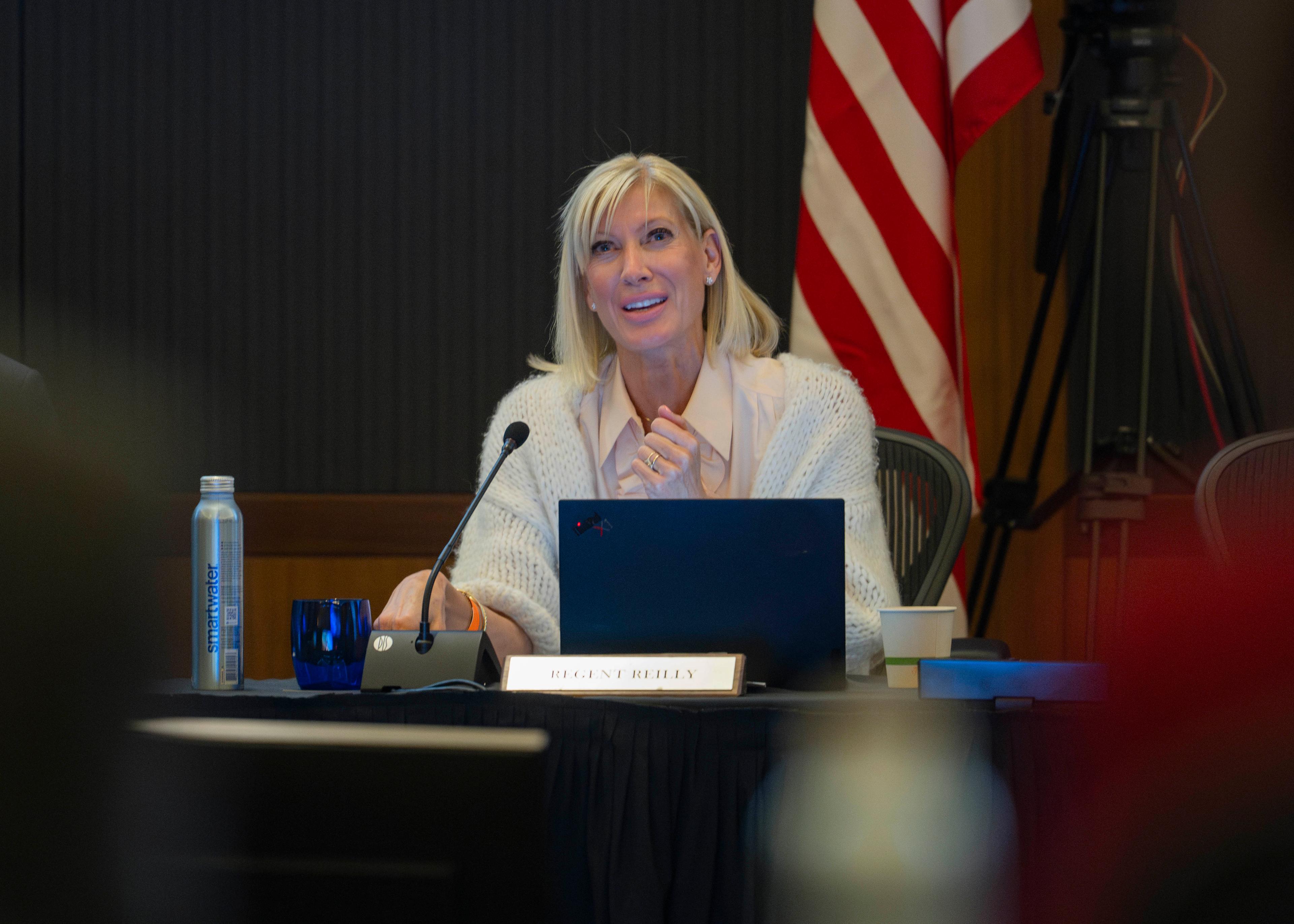
Lilly Marks, an advisory member of the Health Services Committee, said she was meant to provide context on the financial challenges facing academic medical centers but deferred her comments because the committee was running behind schedule.
Regent Jay Sures, the chair of the Health Services Committee, then invited student observer Calvin Yang to share remarks. Yang, a fourth-year student at UC Berkeley, said the report shows UC Health shoulders a large portion of care for Medi-Cal and Medicare patients even though reimbursements often fall short.
He highlighted that UC medical centers contributed $1.3 billion to the UC last year.
“I understand firsthand how these investments shape not only the care our communities receive today but also the education and values of the next generation of physicians,” Yang said.
The report also shows that UCLA Health generated more than $4.4 billion in operating revenue in the last fiscal year and ended with a positive net position of $284 million.
Yang said he is concerned that despite UC Health’s work in promoting health equity, students eligible for Medi-Cal are unable to use their benefits at UC Health student health centers, forcing these students to pay out of pocket or seek treatment elsewhere. He urged the committee to explore allowing UC Student Health Insurance Plans to bill Medi-Cal through a capitation model, which he said would enable health centers to serve Medi-Cal-eligible students without disrupting county-based enrollment rules.
Yang added that states such as Massachusetts and New York – which currently operate Medicaid premium-assistance programs – could serve as models to improve care across the UC.
“These numbers reflect more than financial stewardship – they reflect UC Health’s promise to the people of California,” Yang said.