Op-ed: Changes to UC Regents Tuition Plan threaten accessibility of UC education


This post was updated Nov. 19 at 4:06 p.m.
In its November meeting, the UC Board of Regents will be voting to renew the Tuition Stability Plan (or as it was previously titled, the Cohort Tuition Model). However, unlike the new name suggests, the tuition-setting model for incoming students will create instability for new cohorts, with large barriers to accessing and affording the UC system.
First-years pay over $2,000 more, solely because they are attending UCLA four years later. This difference in tuition is due to the UC Tuition Stability Plan voted in by the UC Regents in 2021 as a pilot plan.
Beginning in fall 2022, the Cohort Tuition Model sets tuition and fees for new undergraduates at a fixed rate for up to six years. Each new entering class, or “cohort,” pays a higher tuition rate than the last – making the UC gradually more and more expensive. This plan also includes a “step increase” of 1% for each incoming cohort, with a 5% cap on annual tuition increases.
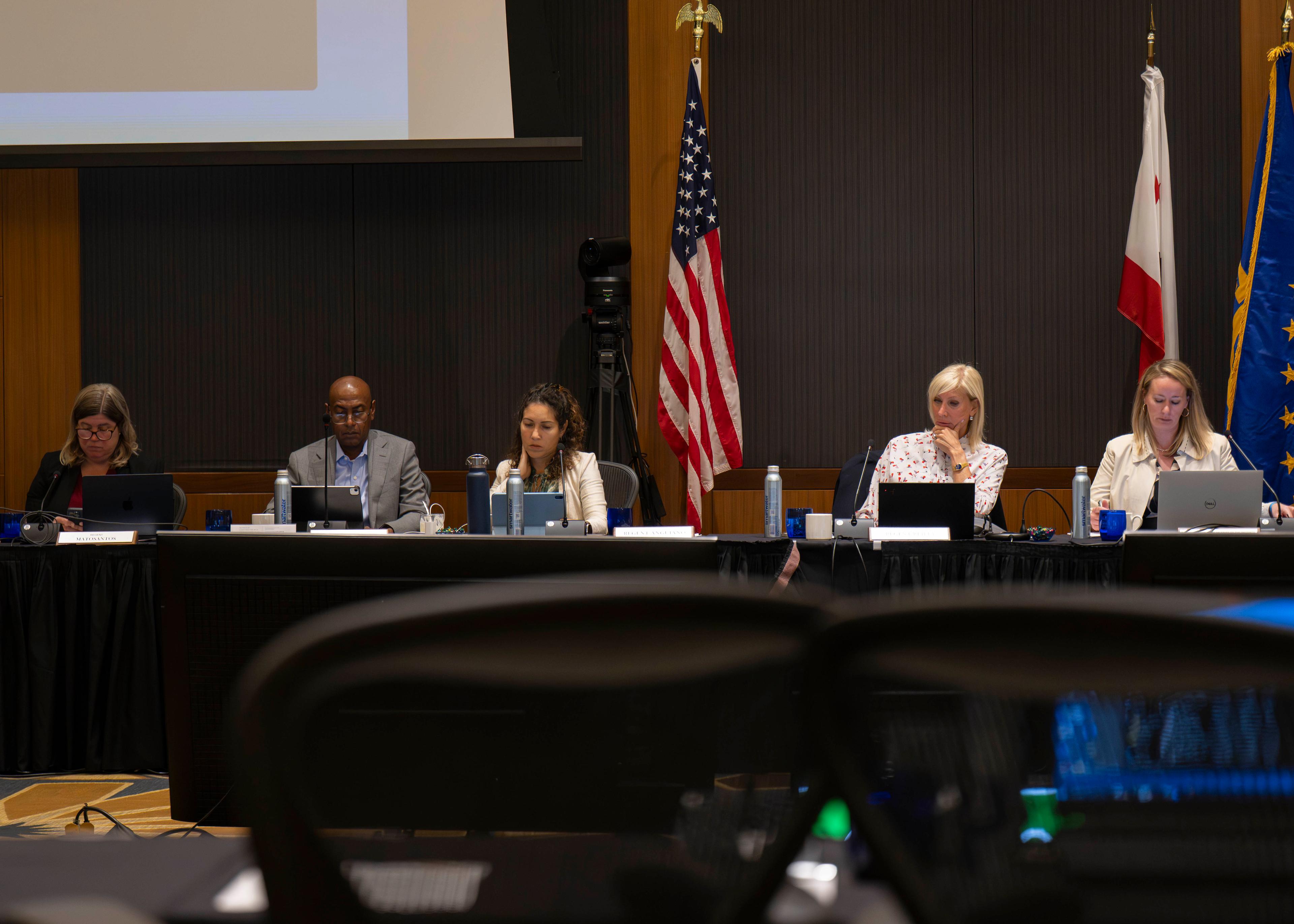
The UC Board of Regents is the governing body of the UC system. As a group of unelected individuals, the regents make key decisions on student issues.
This pilot plan was intended to last for five years, ending in 2026. However, the UC Regents moved up the final vote to this month – November 2025 – without justification. Additionally, the automatic 1% increase, which was proposed to be eliminated by the end of the pilot, is now projected to stay. The new vote also attempts to reduce the financial aid return rate for undergraduate residents from 45% to 35%, ultimately making students and families pay more out of pocket.
This is a stark change from the UC system of the past: tuition used to be free for California residents. As tuition fees were introduced, student contributions remained less than the state’s until the 2012-2013 year.
We should not deflect responsibility from the California State Legislature to continue to fully fund the UC, and passing the Cohort Tuition Model indefinitely will give us less bargaining power when asking for state funding.
Currently, 63% of students receive some type of financial aid from UCLA. The amount that students receive may drastically change from the reduction in tuition returned to students would be clearer.
One of the biggest arguments for the rushed vote and continued model is that current students will not be affected. While this is true in part, we should not be divided by our cohorts. Students currently at UCLA are already affected by the Cohort Tuition Model – paying significantly more than prior students.
These choices are intentional. The model thrives on a lack of communication between groups affected by these changes, even beyond students. One such exterior group is students’ families. Younger siblings who are set to attend UCs and parents who pay tuition will still face these increased costs, even if current students do not. Thus, parents with multiple kids enrolled in the UC system may end up paying a large difference in their kids’ tuitions.
Furthermore, the UC Regents claim that the system would be beneficial for lower-income students, yet have failed to consult these students or their caregivers for their opinions. This exposes the regents’ lack of transparency, despite the fact that their decisions impact all UC students.
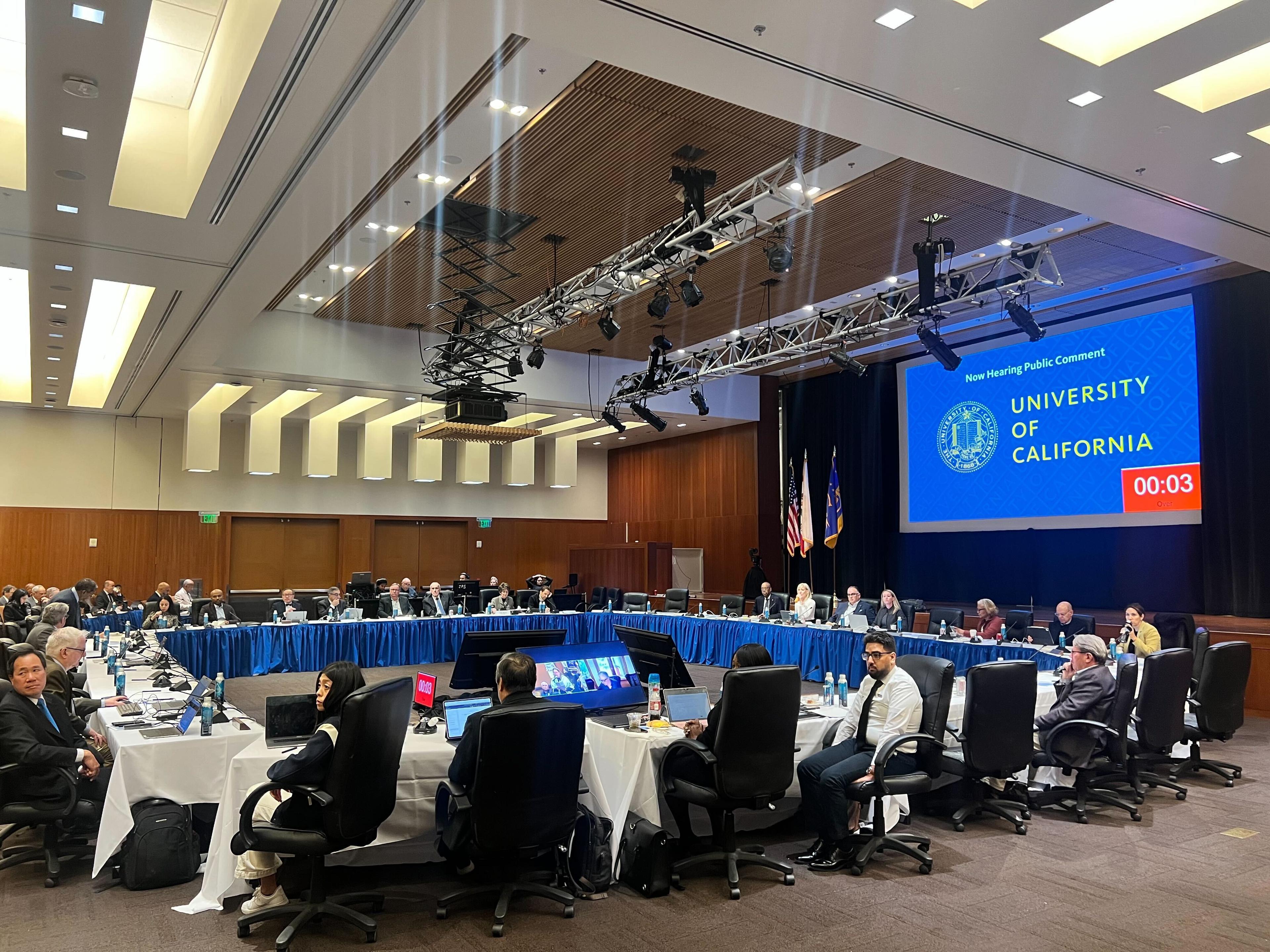
The regents are voting on the Tuition Stability Plan on Wednesday, Nov. 19 at the Meyer and Renee Luskin Conference Center. Students, parents and the broader UC community must hold the regents accountable to maintaining affordability and accessibility within the UC system by rejecting the proposed changes to the Cohort Tuition Model. They must also urge the regents to vote again in five years, after consulting students and caregivers.
Perpetual tuition hikes are not the answer to the UC’s budget crisis, and students of the future should not bear this financial burden.
The cost of education is only rising, and in order to protect the diversity and integrity of the UC system, we must continue to advocate for everyone’s right to get an education.
James Woolery is the director of UC Relations for the USAC EVP and Namrata Deepak is the internal head of staff the USAC EVP.