AUSL steps up to plate, builds on history to secure home run for women’s sports
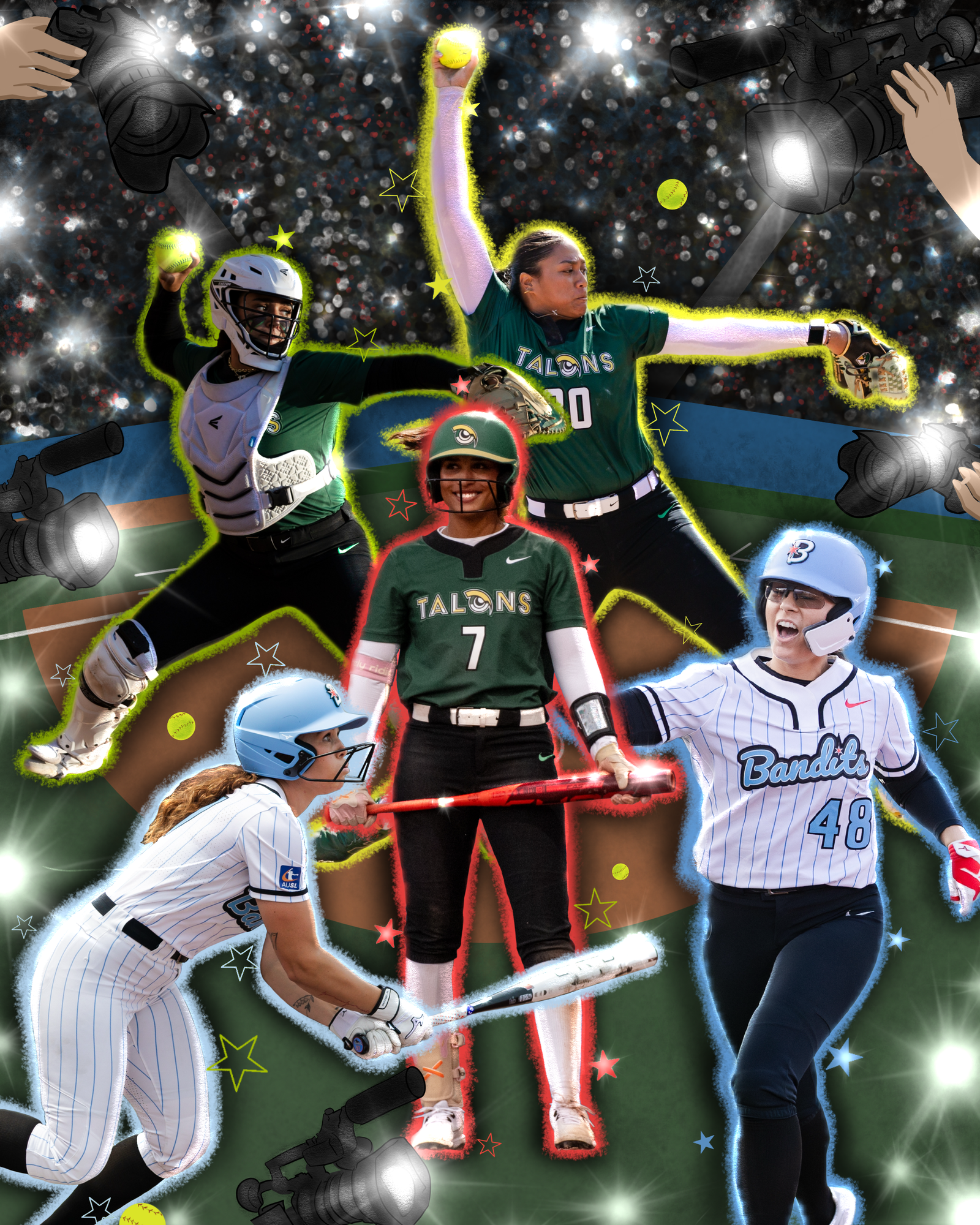
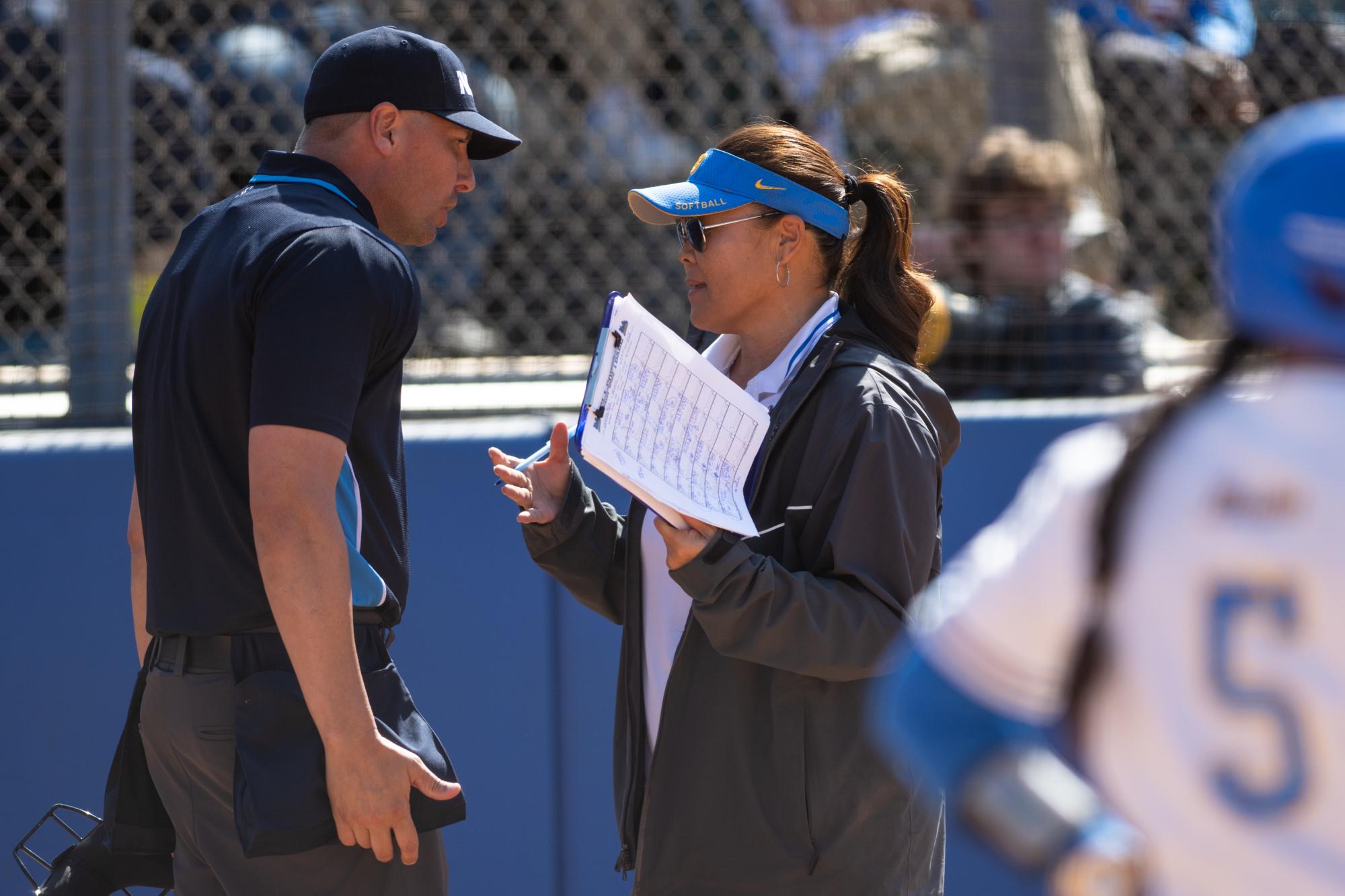
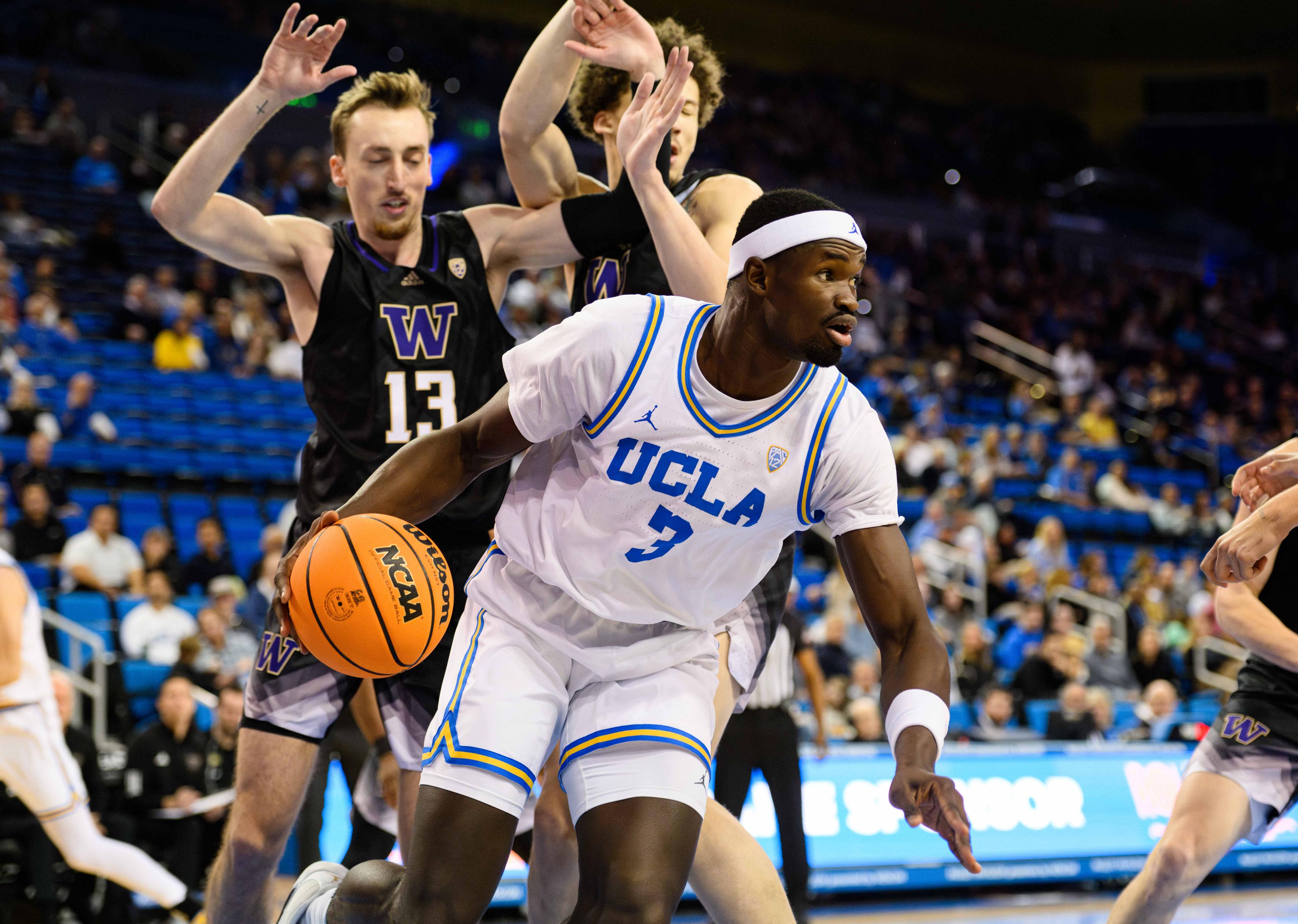
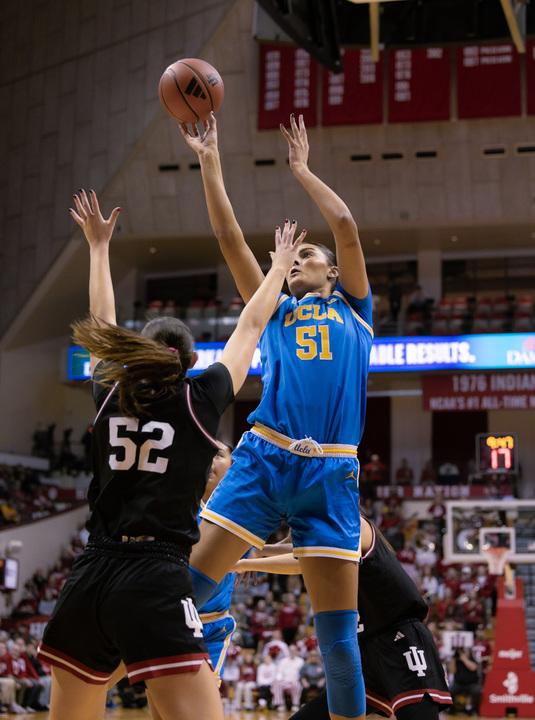
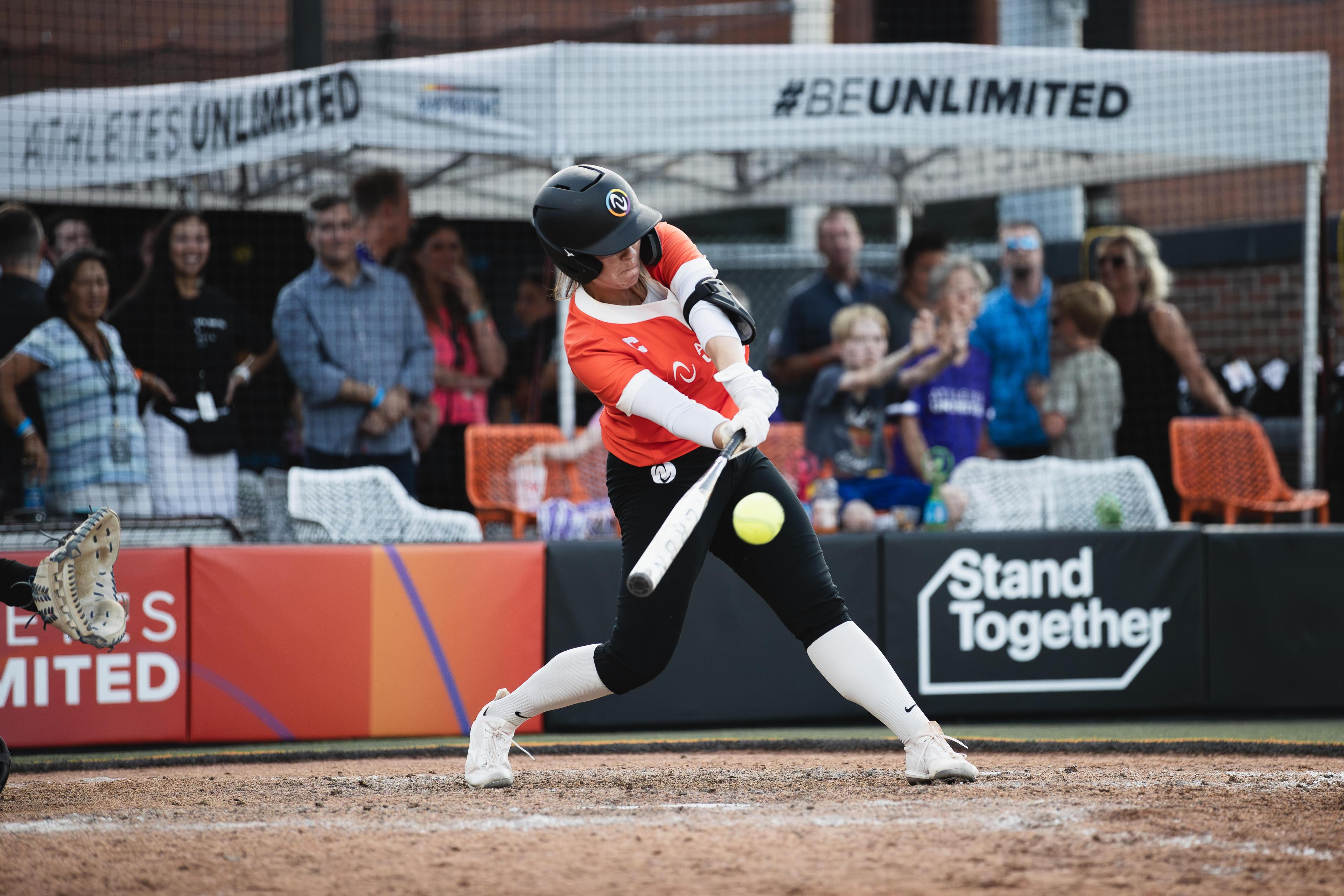
AUSL athletes and UCLA alumnae Delanie Wisz, Sharlize Palacios, Maya Brady, Megan Faraimo and Bubba Nickles-Camarena stand on a softball diamond, surrounded by flashing cameras. Eight former Bruin players contributed to the AUSL’s inaugural season in 2025, and four hoisted the championship trophy. (Photos Courtesy of Athletes Unlimited Softball League. Photo Illustration by Desiree Gonzalez/Daily Bruin staff)

By Grant Walters
Sept. 18, 2025 9:40 p.m.
This post was updated Sept. 25 at 3:55 p.m.
“There’s no crying in baseball.”
Tom Hanks delivers this notable line in “A League of Their Own,” a film that retells the founding of the All-American Girls Professional Baseball League.
The AAGPBL captured nationwide attention during World War II, when Major League Baseball players traveled overseas to fight in the war, leaving many teams with gaping roster holes.
The league’s inception marked the inaugural women’s professional league across all sports, although it lasted just 12 years.
But the AAGPBL set the precedent and passed the torch to novel leagues.
The Women’s National Basketball Association is currently leading the charge for a women’s professional sports platform that rivals men’s leagues.
Superstars with considerable brands – such as Caitlin Clark, Angel Reese, Paige Bueckers, Sophie Cunningham and Sabrina Ionescu – have helped the WNBA gain traction, generating a notable increase in viewership.
That same kind of star power once fueled the AAGPBL, with sister duo Helen Candaele – dubbed the “Feminine Ted Williams” – and Margaret Maxwell garnering national attention.
Just as the AAGPBL stamped its name in baseball history and the WNBA has continued to establish its legacy, the Athletes Unlimited Softball League is embracing the movement toward increased visibility for professional women’s sports.
“We’re really etching our names into history, and there was a lot of hard work put into it to be able to get this league running,” said UCLA softball alumnus Sharlize Palacios, who helped capture the 2025 AUSL championship with the Talons. “Setting our team and the league up the best way we could, it is just super special, especially with the group we did it with.”
AUSL Commissioner Kim Ng – who served as the Miami Marlins’ general manager from 2020 to 2023 – helped kickstart the league this summer, alongside cofounders Jon Patricof and Jonathan Soros.
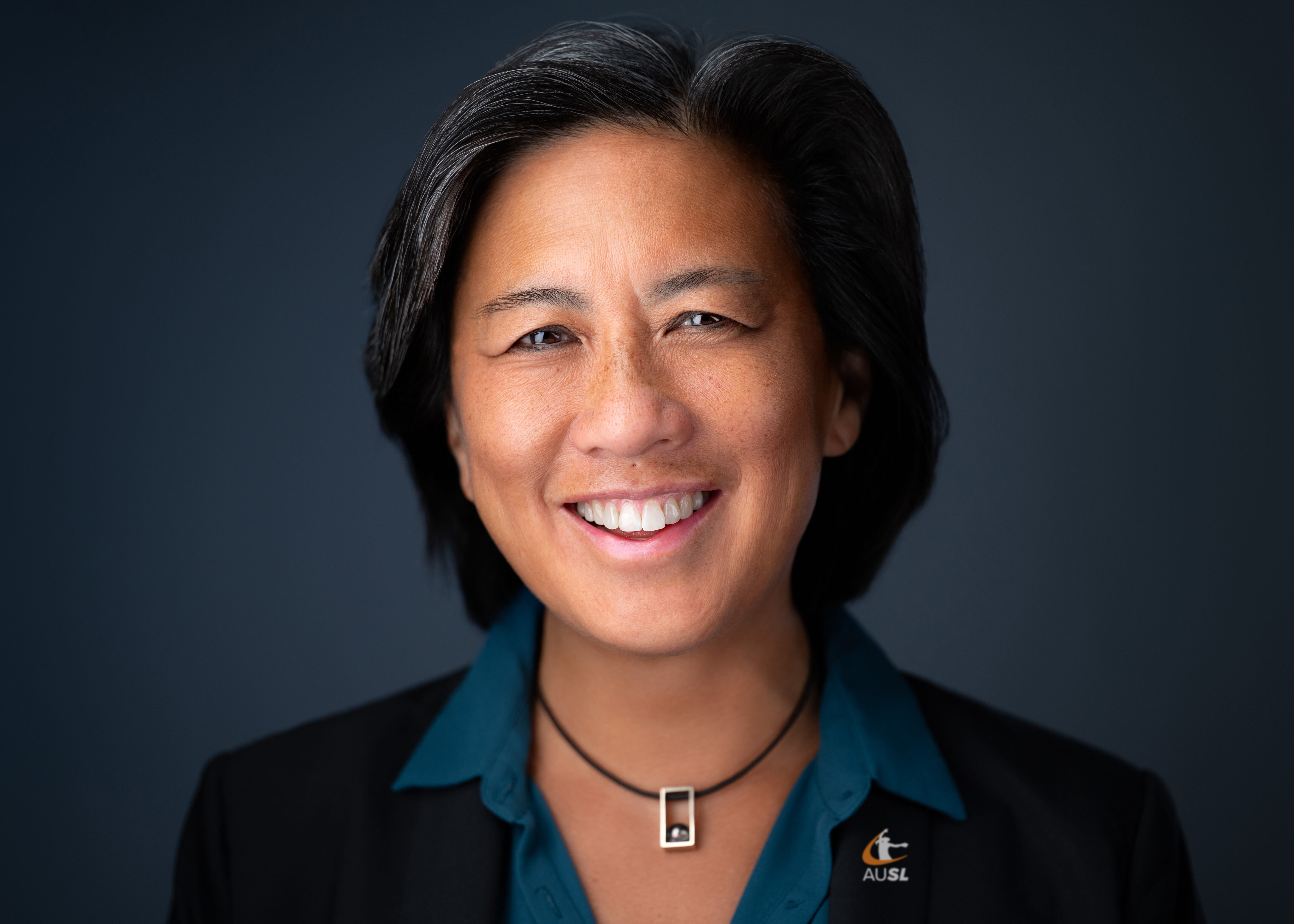
The executive group prioritized attracting softball legends to assist with the league’s launch.
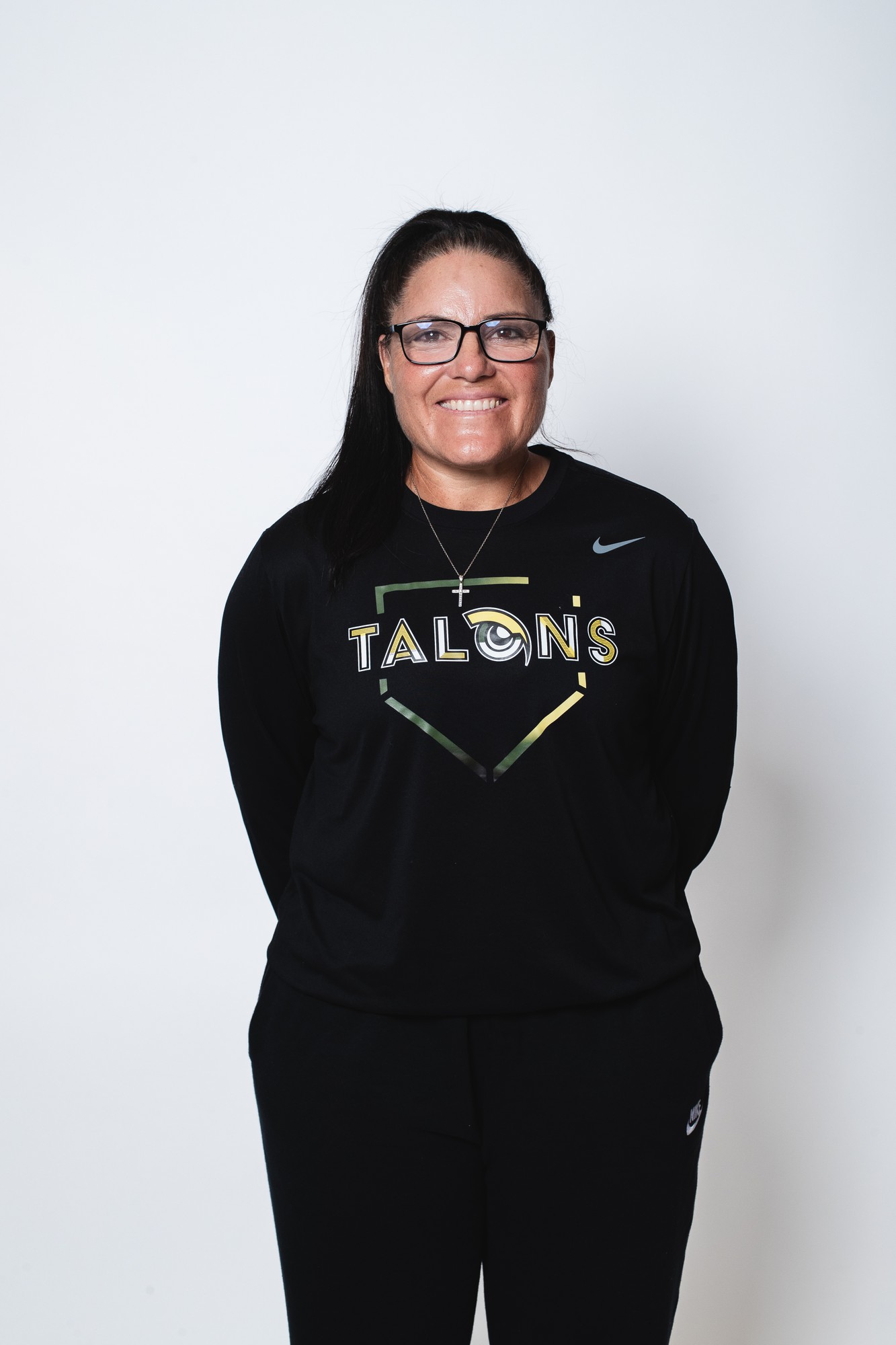
“The biggest move they made was the hiring of Kim Ng,” said Talons Associate Coach Kirk Walker, who also occupies the director of softball administration role at UCLA. “With Jon and Jonathan’s investment and with Kim Ng’s involvement, it really laid the groundwork to bring all the legends in our sport on board, which then creates a whole different platform. All of these things together create a perfect storm.”
The AUSL hired four general managers – Lisa Fernandez, Cat Osterman, Dana Sorensen and Jenny Dalton-Hill – each of whom boast significant accolades from their respective playing careers. Dalton-Hill entrenched herself as an iconic position player, Fernandez revolutionized the game as a prolific two-way weapon and Osterman and Sorensen solidified their legacies in the pitching circle.
But the quartet did not leave the sport once each concluded their playing careers. Instead, they opted to take coaching roles and have since established novel dugout legacies.
“For them to pour back into the league now really helped out the current players that are in it,” said Talons Assistant coach and UCLA Director of Player Development and Data Analytics Will Oldham. “They looked up to them, and to see that their role models are doing everything to pour back into the sport I think was huge.”
The Athletes Unlimited group sought to create a women’s professional softball league years before AUSL’s inaugural season and has organized annual softball events in Rosemont, Illinois, for the past five years.
The AUSL also had to overcome the lingering whispers of pessimists after multiple attempts at implementing professional women’s softball leagues failed, including the National Pro Fastpitch and Women’s Professional Fastpitch leagues, which suspended operations in 2021 and 2024, respectively.
And the AUSL has broken the trend thus far. The league relies on a unified front rather than splintering into competing leagues and uses social media and television coverage to captivate an audience.
“Everybody is buying into it. It looks like everyone is going to put their eggs in one basket,” Oldham said. “They (past leagues) did not have the coverage as far as TV coverage and social media, but what the AUSL did with having games available for fans on ESPN and MLB Network was huge.”
Although Ng’s operation achieved great success this summer – amassing more than 335,000 followers on the league’s social media page and generating more than 33 million YouTube views – there is still necessary room for growth.
The AUSL’s development begins with the matter of expansion.
Expansion is often a measure of league health, and it has symbolized the WNBA’s success throughout the past two decades. The league added the Golden State Valkyries in 2025 and is set to grow further with the Portland Fire’s reinstatement and the Toronto Tempo’s debut season in 2026.
And the AUSL is following the same path. Ng plans to expand the league, and each team will have delegated markets for the first time in AUSL history.
“There’s an expansion happening with two more teams next summer, and the six teams are going to be associated with a particular market and city,” Walker said. “We know the number of college players that are leaving the game each year as they graduate, and there are a lot of great professionals that are going to be around for a while, so expansion could be done, talent-wise, pretty readily.”
Yet, the AUSL did not achieve initial success on its own.
The MLB invested in the AUSL’s inaugural season, spearheading marketing efforts that revolved around promotional support through broadcasts on MLB Network and mlb.com. This partnership marked the first time the baseball league has contributed to a women’s professional softball league.
Ng’s experience as MLB’s senior vice president of baseball operations and her executive stint with the Marlins helped land MLB commissioner Rob Manfred’s commitment to the AUSL.
And the AUSL can use its baseball connections to bridge relationships with specific MLB organizations.
“The next layer is going to be the organizational involvement in specific markets,” Walker said. “There are organizations in the MLB that have really been behind some potential movement for a pro softball league, whether it be from the Dodgers, Rockies, Mariners or different teams that already know that they have a viable product with women’s softball.”
Still, the AUSL’s impact – along with other women’s professional sports leagues – extends far beyond organizational success alone.
These leagues provide women’s collegiate athletes with the opportunity to fulfill their professional ambitions, removing the senior year curtain that marks collegiate players’ final act.
“I want everyone to know in the collegiate sphere that there is a spot for you if you really want to continue to play,” Palacios said. “That is so important from the standpoint of a younger athlete. They are able to see that their dream is able to continue after college.”
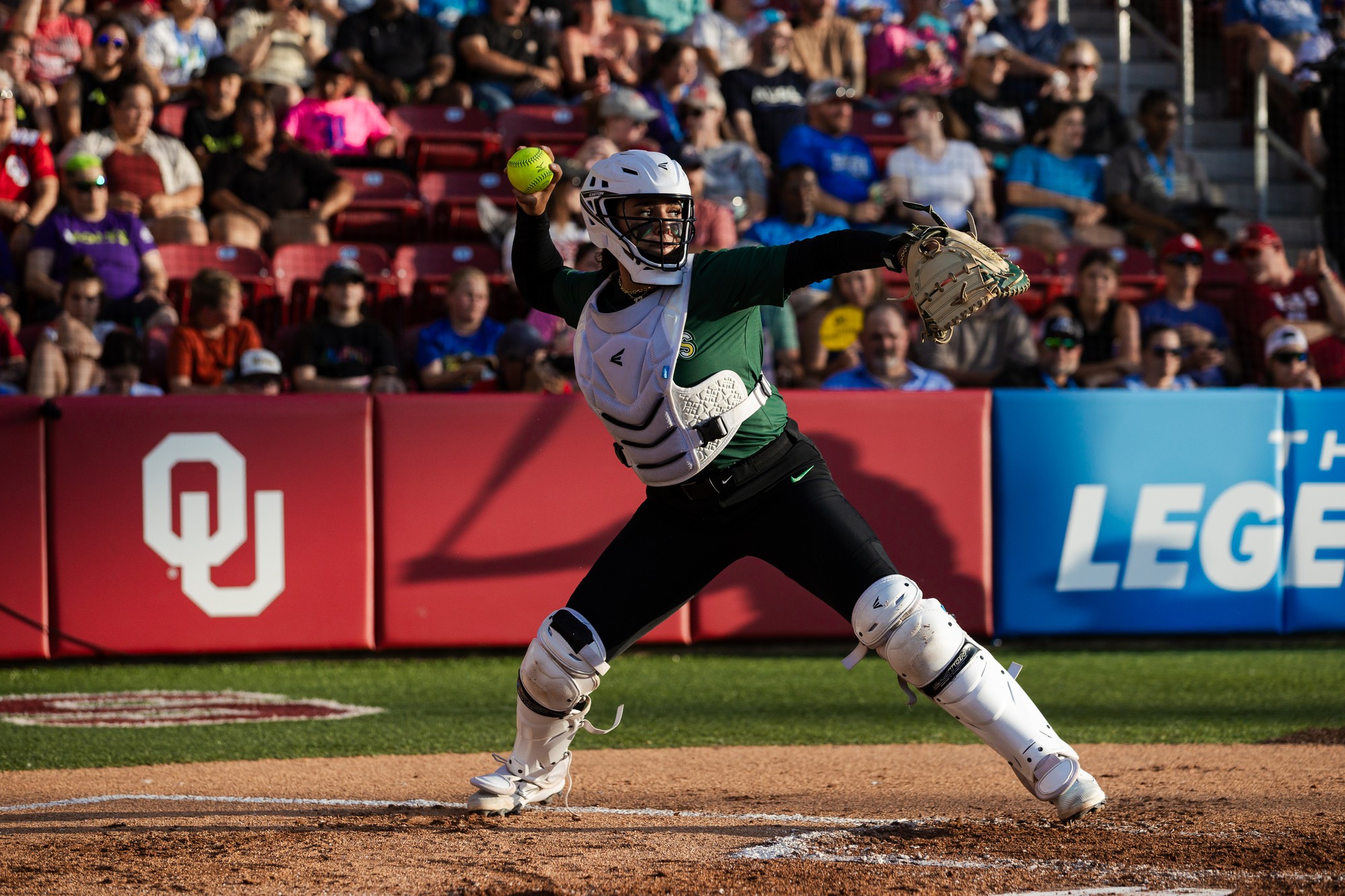
The AUSL represents the seed that the AAGPBL planted eight decades prior, which is now beginning to blossom.
Thus, “A League of Their Own” is not just based on a true story – it has flourished into a living reality that the AUSL continues to foster.