This federal-research-backed device saved her life. Amid grant cuts, she’s worried
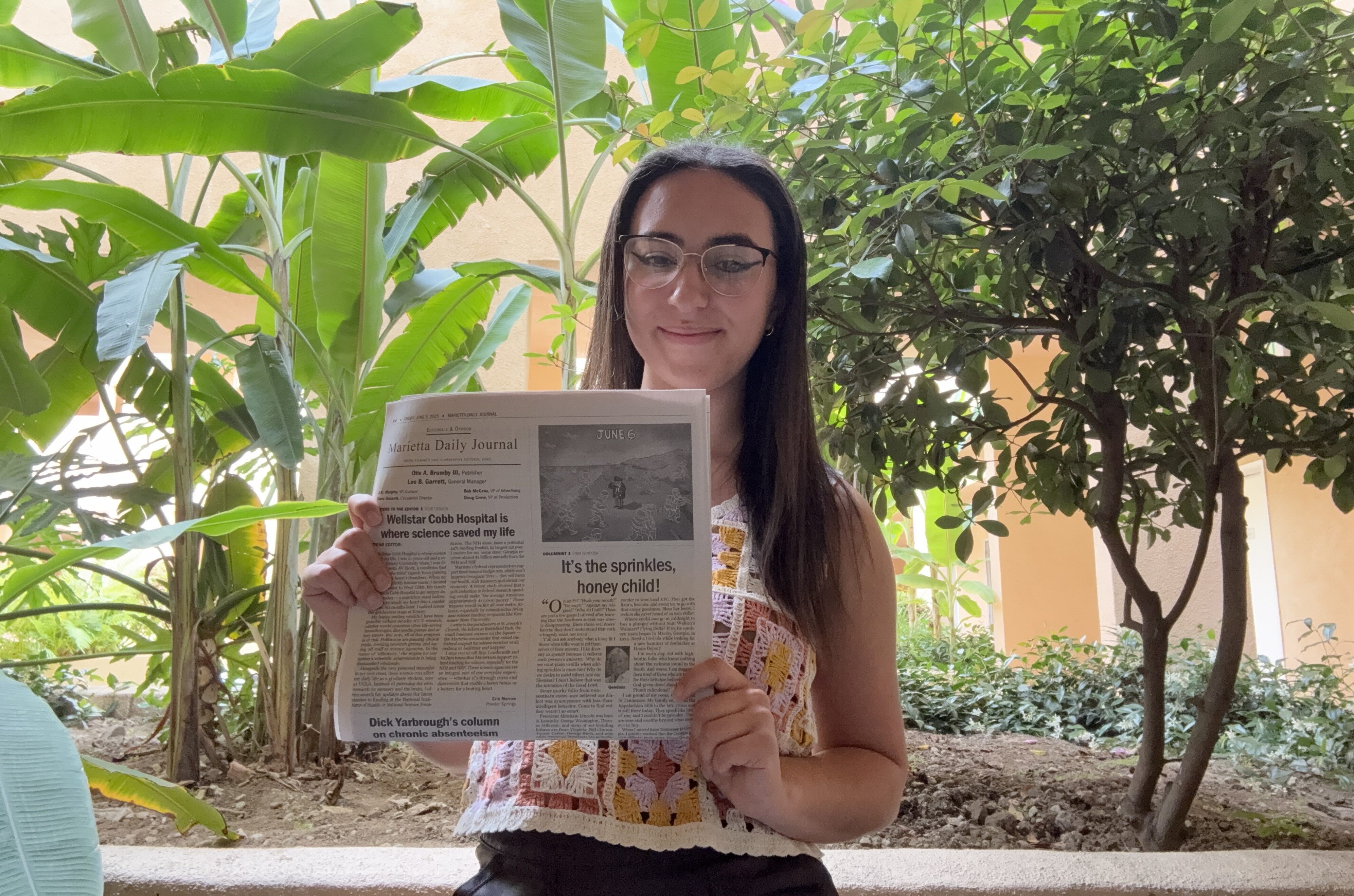
Erin Morrow, a doctoral student in psychology at UCLA, holds a newspaper. Morrow said federally funded research saved her life after she was diagnosed with a third-degree atrioventricular block. (Courtesy of Erin Morrow)

By Michael Gallagher
Aug. 28, 2025 6:45 p.m.
This post was updated Aug. 31 at 10:05 p.m.
Erin Morrow began experiencing shortness of breath and chest pain at 20 years old.
Morrow, who is now a doctoral student in psychology at UCLA, said she consulted several doctors as an undergraduate student at Emory University before being diagnosed with a third-degree atrioventricular block – a heart rhythm disorder where the organ’s upper and lower chambers do not properly send signals to each other.
“I didn’t know whether I would have sudden cardiac arrest,” she said. “I wasn’t sure if I would go to sleep and not wake up the next morning.”
Morrow underwent surgery at her local hospital in Austell, Georgia to implant a pacemaker near her heart, which kept it beating regularly. The device – made possible by decades of federally funded research – saved her life, Morrow added.
“It feels personal,” she said. “I walk around with a reminder of how important federal research is. That’s why I care about it so much, in addition to being a researcher myself.”
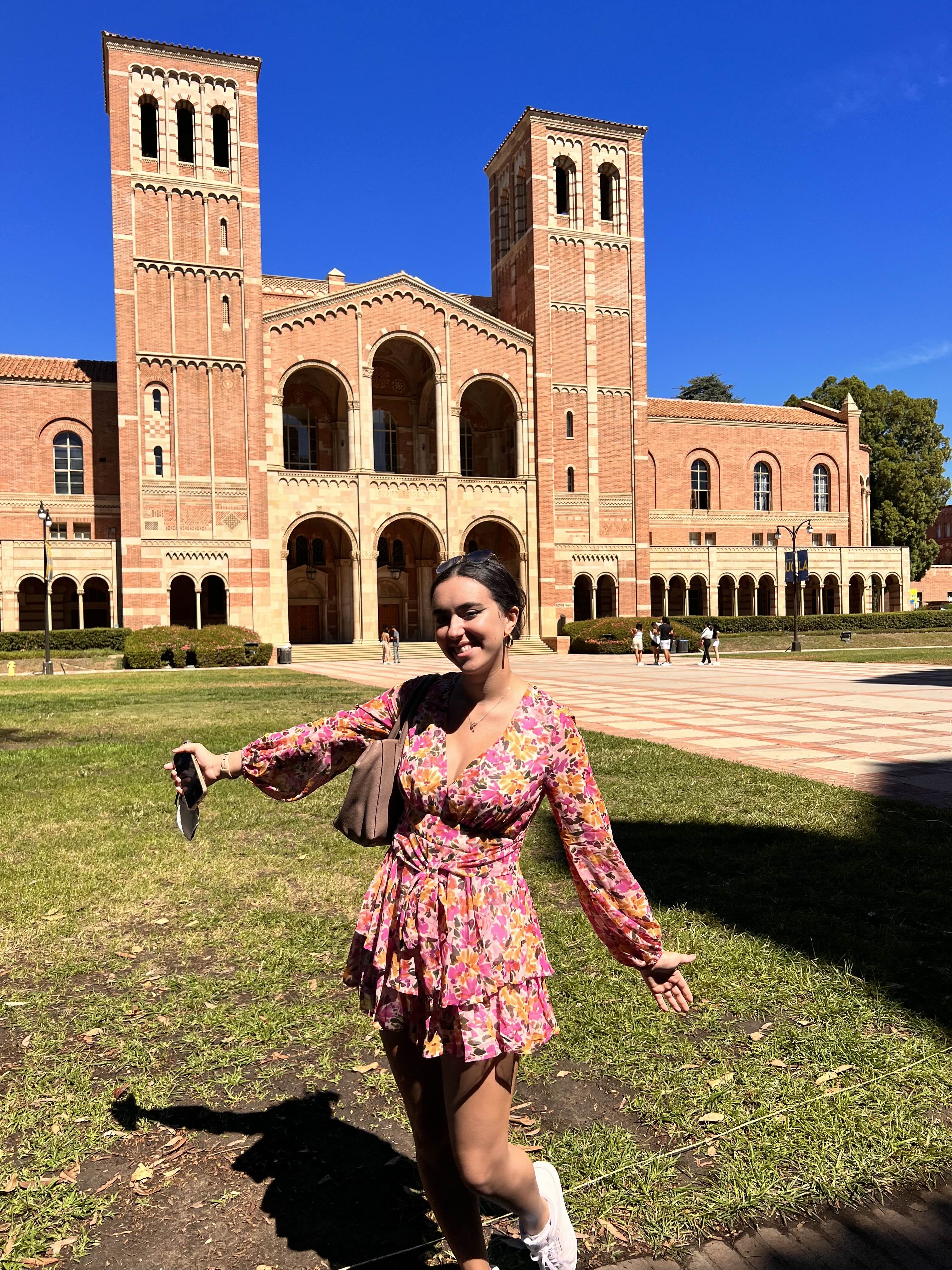
The federal government suspended around 800 of UCLA’s research grants – worth around $580 million – from the National Institutes of Health, the National Science Foundation and the United States Department of Energy in late July. The U.S. Department of Justice alleged in letters announcing the funding freeze that the university had allowed “antisemitism and bias,” engaged in illegal affirmative action practices and let “men to participate in women’s sports.”
[Related: FEDERAL FUNDING CUTS TO UCLA]
A federal judge ordered Aug. 12 that the NSF must restore its grants to UCLA, but the NIH and DOE grants remain frozen.
[Related: Judge orders Trump administration to restore some of UCLA’s frozen research grants]
An Aug. 1 email from Roger Wakimoto, the vice chancellor for research and creative activities, directed impacted researchers to cease all spending on their projects and submit a financial report detailing all expenses within 30 days to comply with the federal government’s demands.
The federal government is seeking a $1 billion settlement from UCLA to restore its research funding, in addition to several policy changes – including hiring a resolution monitor and a new senior administrator to oversee the school, discontinuing race- and ethnicity-based scholarships and banning overnight protests and gender-affirming care from being offered at UCLA’s hospital and medical school.
[Related: Proposed UCLA settlement from federal government seeks $1 billion, policy changes]
Although heart pacemakers have been around for over 70 years, they are still being improved by researchers today, said Dr. Kalyanam Shivkumar, a professor of medicine, radiology and bioengineering. Heart pacemakers, devices that regulate slow heart rhythms through electrical pulses, are implanted in around 200,000 Americans every year, according to the NIH.
But further developments in heart pacemakers – including innovations on how to “tune” them, or match particular patients’ needs – are only possible with research supported by federal funding, he said. Over 25 grants across UCLA’s cardiology department have been suspended, Shivkumar added.
“They’re hurting Americans,” he said. “The very government that is supposed to be serving its people, it’s working against the people.”
Morrow said she was inspired by her experience to research human memory and how emotions play a role in remembering significant life events in those with post-traumatic stress disorder. Her goal is to understand why particular events – both positive and negative – have long-term impacts on behavior, she added.
Morrow also seeks to examine cases of health-related PTSD, including understanding the psychological and physiological health outcomes of people who experience major cardiovascular events, she said. She added that her research has not been impacted as of Aug. 15.
“It was something that I felt was a very universal experience and something that a lot of people can relate to, including myself,” she said. “I felt as I went through all of my health struggles, I felt more validated in the decision that I had made to study this.”
Morrow said she previously hoped to work for the NIH or the NSF to advocate for brain and mental health policy. However, she added that she no longer sees this career path in her immediate future and is instead looking toward the non-profit space to advance her career.
The funding freeze “has consequences for America’s leadership in science,” Morrow said. “It has consequences for the economic activity of so many local communities that rely on economic growth from these universities, and health research.”
Emily Morrow, Erin Morrow’s sister, said she was grateful for the pacemaker device because of the impact it has had on her family. Erin Morrow wrote an op-ed in the Marietta Daily Journal to raise awareness on the harm the research suspension will bring for future patients, Emily Morrow added.
“I don’t want to imagine people who don’t have the opportunity to benefit from that research,” Erin Morrow said. “I do every day, and I feel lucky.”