Students push for reproductive, education bills at IGNITE the Capitol California
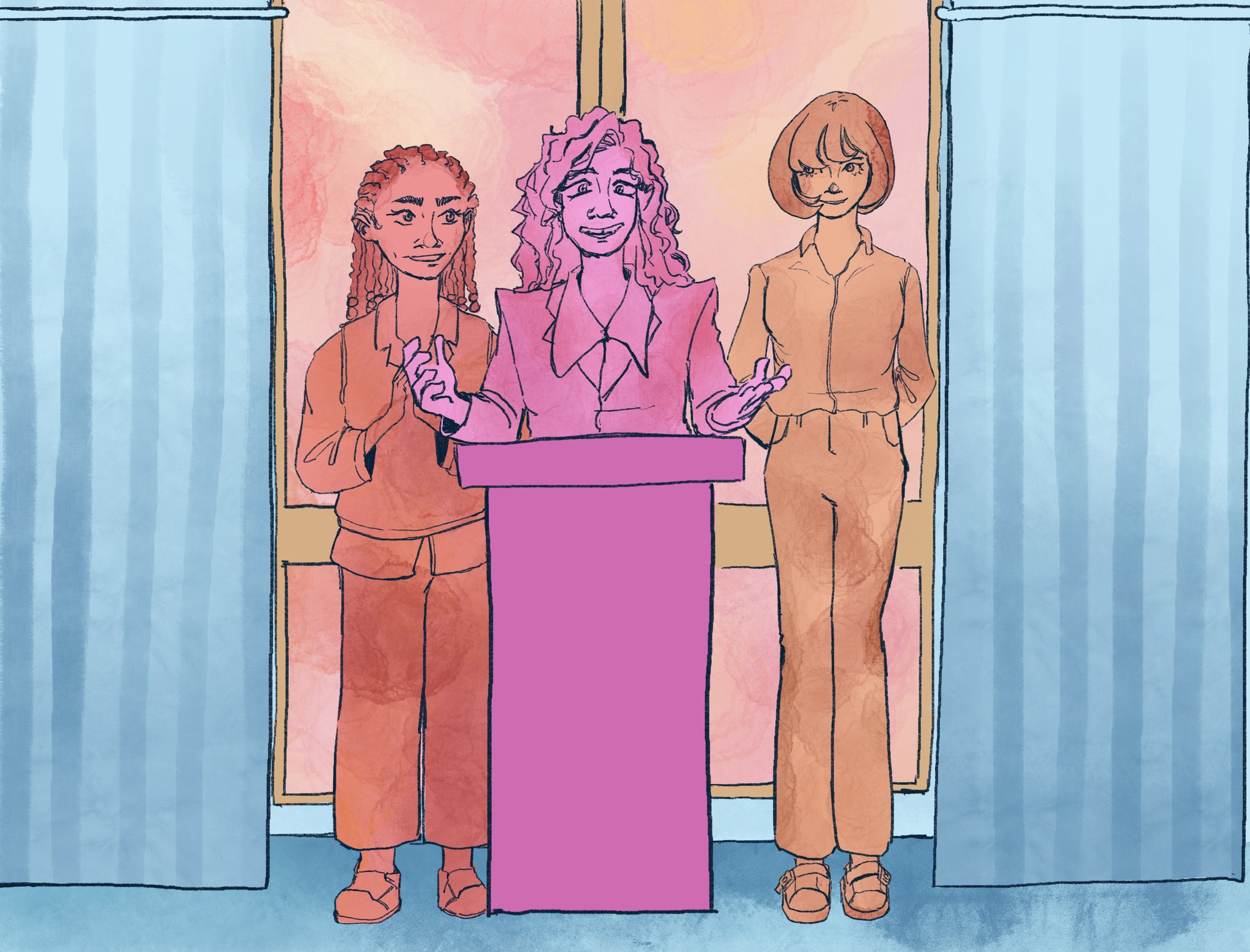
(Helen Juwon Park/Illustrations director)


Shaylyn Becton believes community college should have no barriers.
That’s why she advocated for California Assembly Bill 1035 – a bill that would waive fees for community college students – as a California fellow for IGNITE, a civic engagement organization for women that holds an annual state-level advocacy conference, IGNITE the Capitol California.
“It’s helped me before I went to grad school at UCLA, taking classes for free alongside working full time,” she said. “I feel like everybody in the state of California should have that same access.”
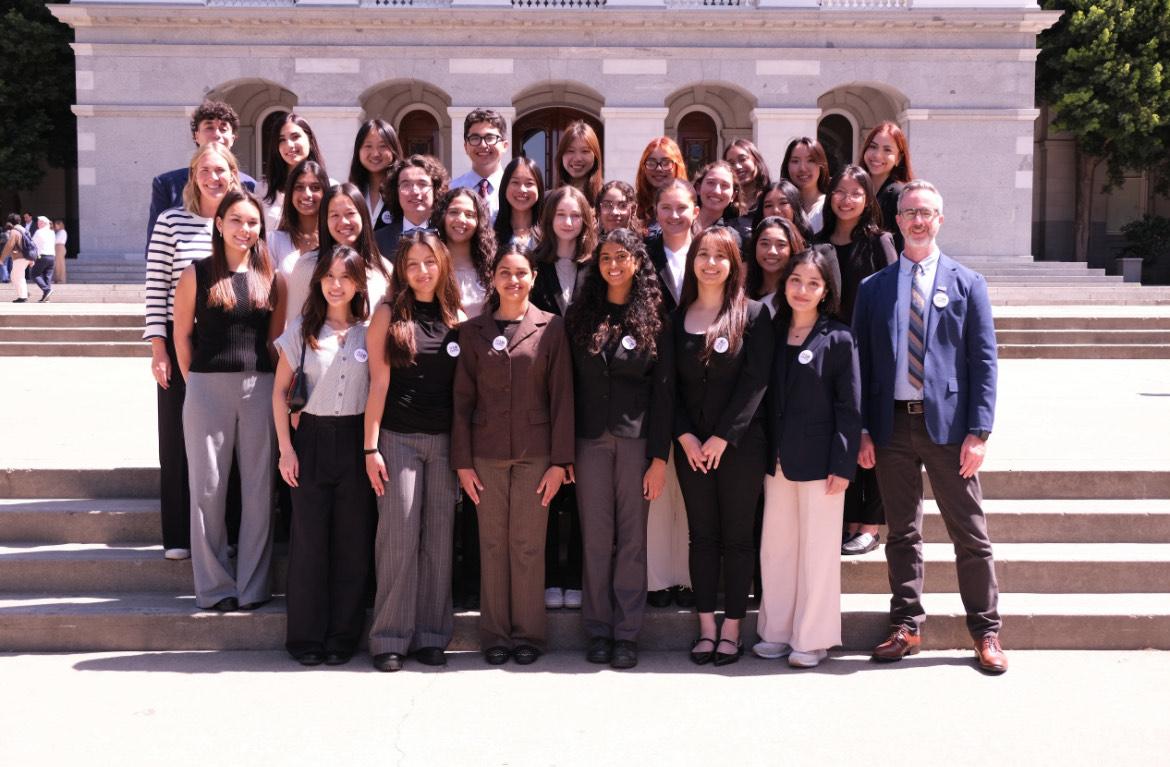
IGNITE trains over 40,000 young women, nonbinary and gender-expansive youth in community building and political engagement, according to its website. The organization – which has a chapter at UCLA – serves middle school, high school and college students, the website said.
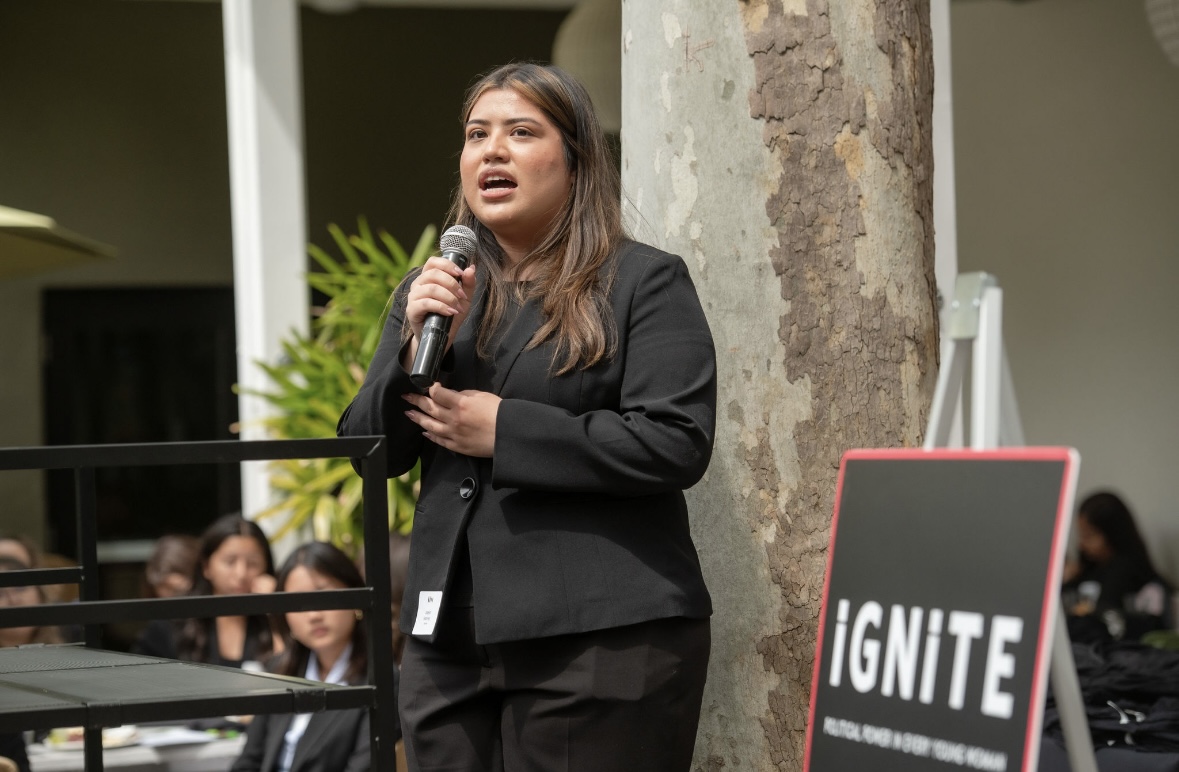
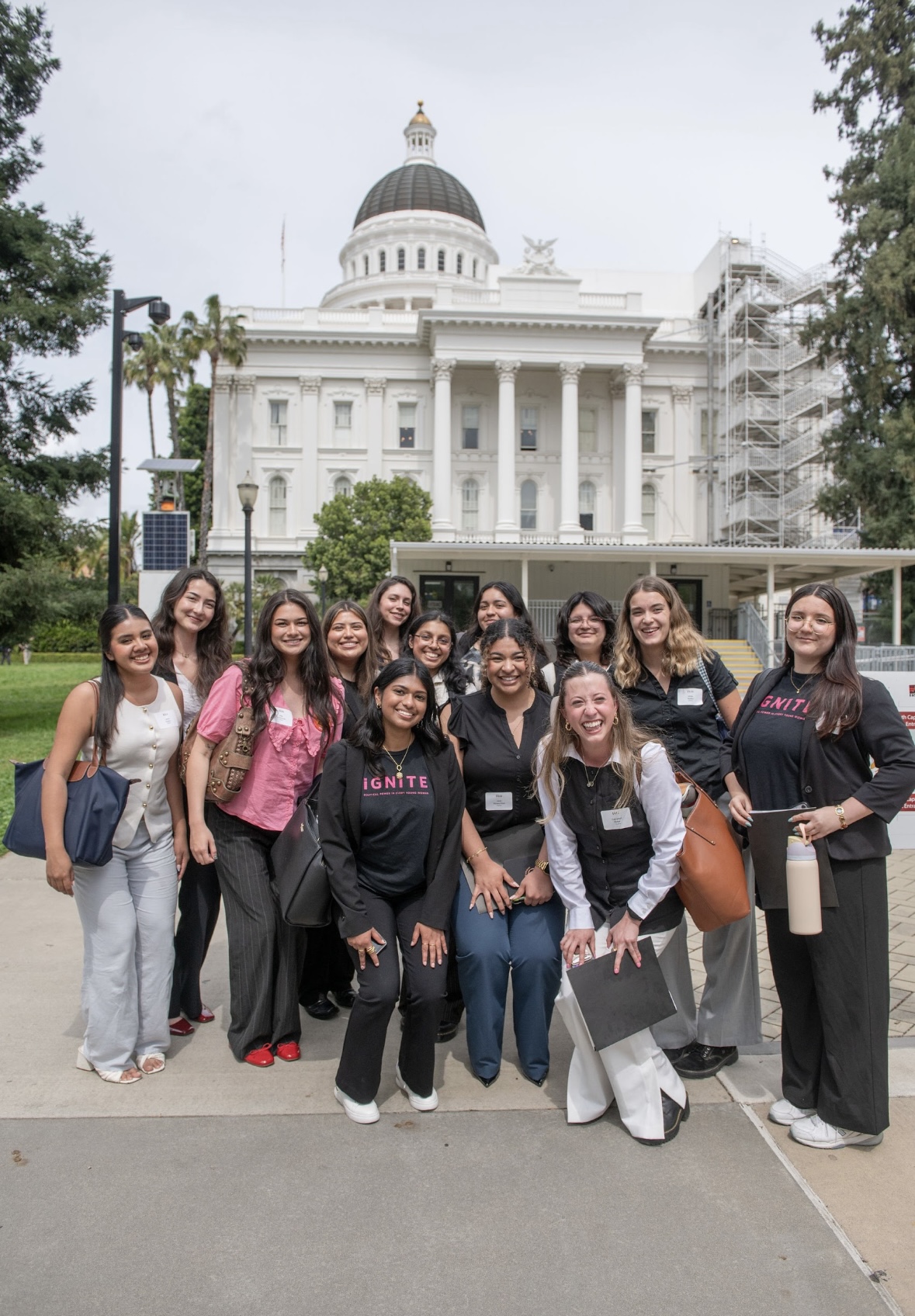
Joselyn Martinez, a UCLA alumnus, said she believes hands-on advocacy opportunities for students are often a “gatekept” experience. ITC California, a day of activities and workshops spearheaded by UCLA students and held in Sacramento, provides around 100 participants training for lobbying, said Hannah Finkbeiner, a rising third-year political science student.
“Before, for me, I had no idea that you can go to the Capitol and talk to a (California State Senate) senator or talk to a House of Rep. (California State Assembly) person,” Becton said. “I didn’t know that was possible.”
ITC California expands learning opportunities about state government for students, said Martinez, who is an organizing member for ITC. Most attendees from UCLA received free transportation and meals, Finkbeiner said.
The participants at the 2025 conference pushed for six bills related to reproductive access, health and education to be signed into law, Martinez said.
She added that student organizers trained the participants on the logistics of the legislative process, including the timeline of passing a bill and the differences between an Assembly Bill and a Senate Bill.
Finkbeiner, a member of IGNITE at UCLA’s events committee, said the participants intertwined their personal experiences into the speeches while lobbying to make an impact on the senators, assemblymembers and their constituents.
“We really emphasize that because we wanted it to be more personal and not just a repetitive lobbyist kind of speech,” she said.
Middle school student participants at the conference called for the implementation of California Assembly Bill 1122 – which would make dual enrollment programs a requirement at local educational agencies such as school districts – as they felt the opportunity would make higher education more accessible, Martinez said.
Participants in the IGNITE program who live in rural areas and often lack information about reproductive health also took the stage to lobby for California Assembly Bill 551, Finkbeiner said. The bill would authorize the implementation of the Reproductive Health Emergency Preparedness Program, which expands access to reproductive and sexual health care in emergency departments across the state, according to CalMatters.
“Without these bills, people are going to have a lot of misconceptions and not really understand what to do in really dire situations,” Finkbeiner said.
Becton said the conference helped the participants build confidence in speaking to their representatives face to face. Participants facilitated discussions on the significance of the bills and rehearsed their speeches for lobbying at the event, which went from 10:30 a.m. to 4 p.m., she added.
“I’m always really impressed with … all of the participants in IGNITE and their passion overall to civically engage,” Becton said. “There were middle school students that were prepared – they were born for this.”
While Finkbeiner said she believes many people feel a “lack of agency” in the current political climate, she added that it is important that young students’ voices are heard at the local level.
Martinez said she felt fulfilled when seeing young people come together to advocate for issues they share passions for.
“We don’t know what’s going to happen with the Department of Education currently,” Finkbeiner said. “But I feel like in a time where everyone feels so powerless, it’s really important to get out there and directly talk to your representatives.”