Dully’s Drop: Foster’s vision for UCLA football identity can be realized with Nico Iamaleava
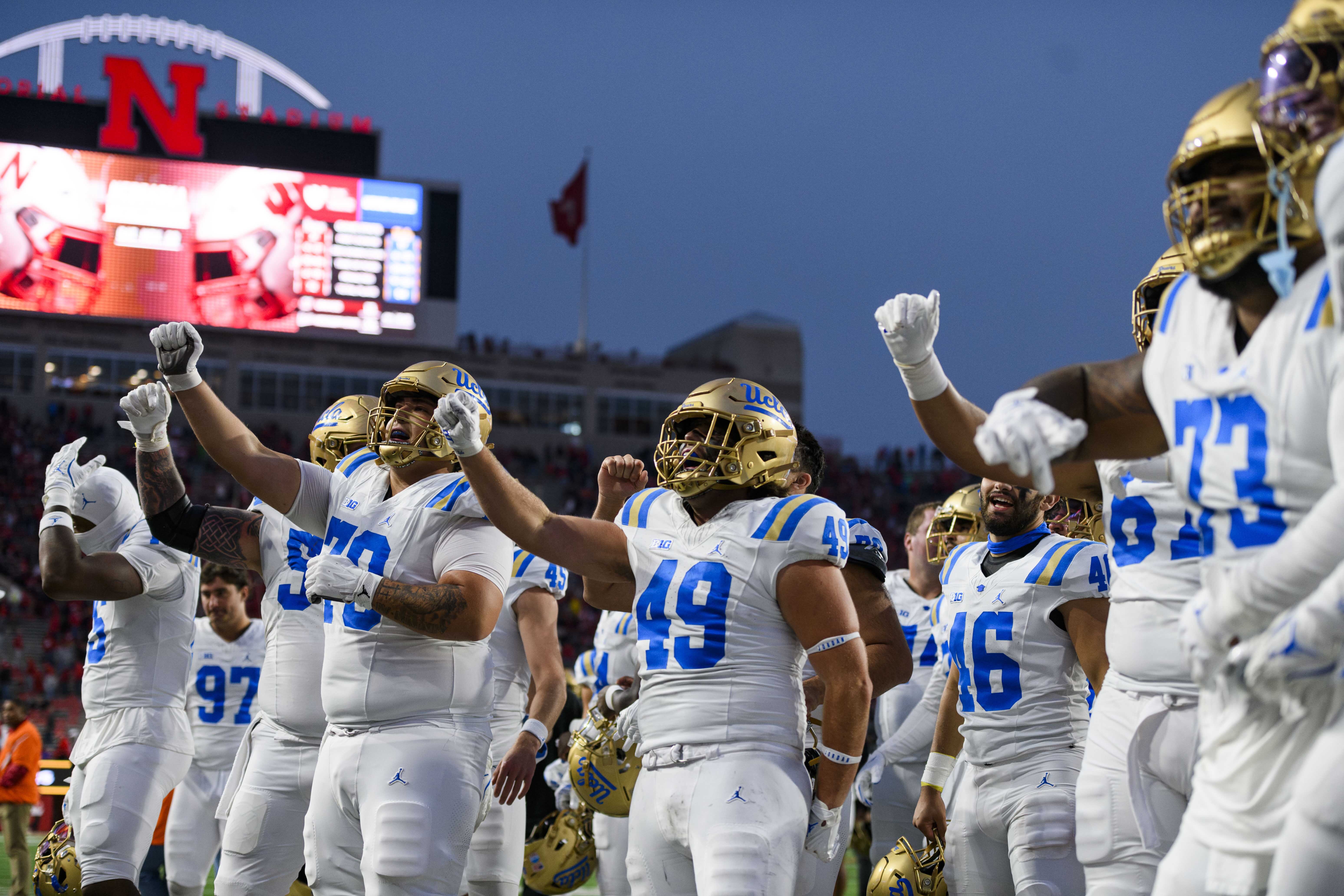
UCLA football players come together on the field at Memorial Stadium in Lincoln, Nebraska. (Myka Fromm/Daily Bruin senior staff)

By Connor Dullinger
Aug. 23, 2025 7:54 p.m.
Every good team has a personality.
It’s not necessarily the characteristics or traits you would ascribe to a movie character, novel protagonist or real person. More so, it is the tone and connotations that permeate the team, not only describing how the players within the team play but also molding the people in the organization together as well.
The NFL’s AFC North division has always had a smash-mouth, rugged and gritty personality – one defined by battles won in the trenches, games won in the most ugly of fashions and rivalry hatred that runs deep.
The New York Yankees were given the “Bronx Bombers” nickname as far back as the 1920s, characterized by all-time greats Lou Gehrig and Babe Ruth and continuing a century later with the likes of Aaron Judge and Alex Rodriguez.
The Showtime Lakers played the game like a poet – articulate, precise and at such a fast pace it almost seemed slow. Magic Johnson orchestrated a seemingly unstoppable fast-break offense and led with such sorcery and enchantment that only LeBron James and Luka Dončić come close to rivaling it.
A team’s personality lasts forever, entrenching its roots during peak harvest and holding them firm through storms until a new flower blooms.
UCLA football’s personality – one of pride, humility and authenticity – took hold under former head coach Terry Donahue’s supervision. As a former Bruin walk-on, Donahue helped breed the foundation the Bruins now stand on – resilience in the face of adversity.
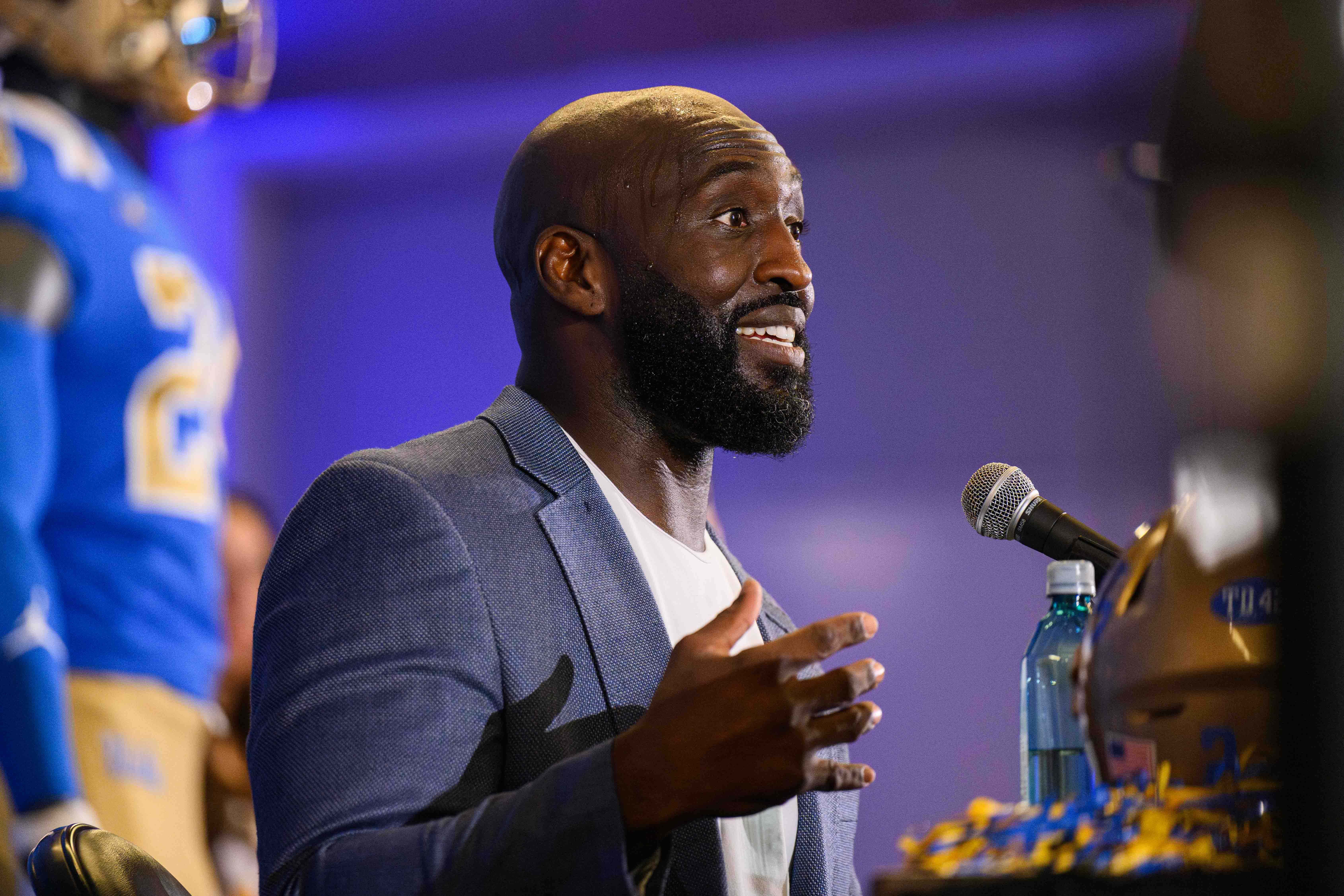
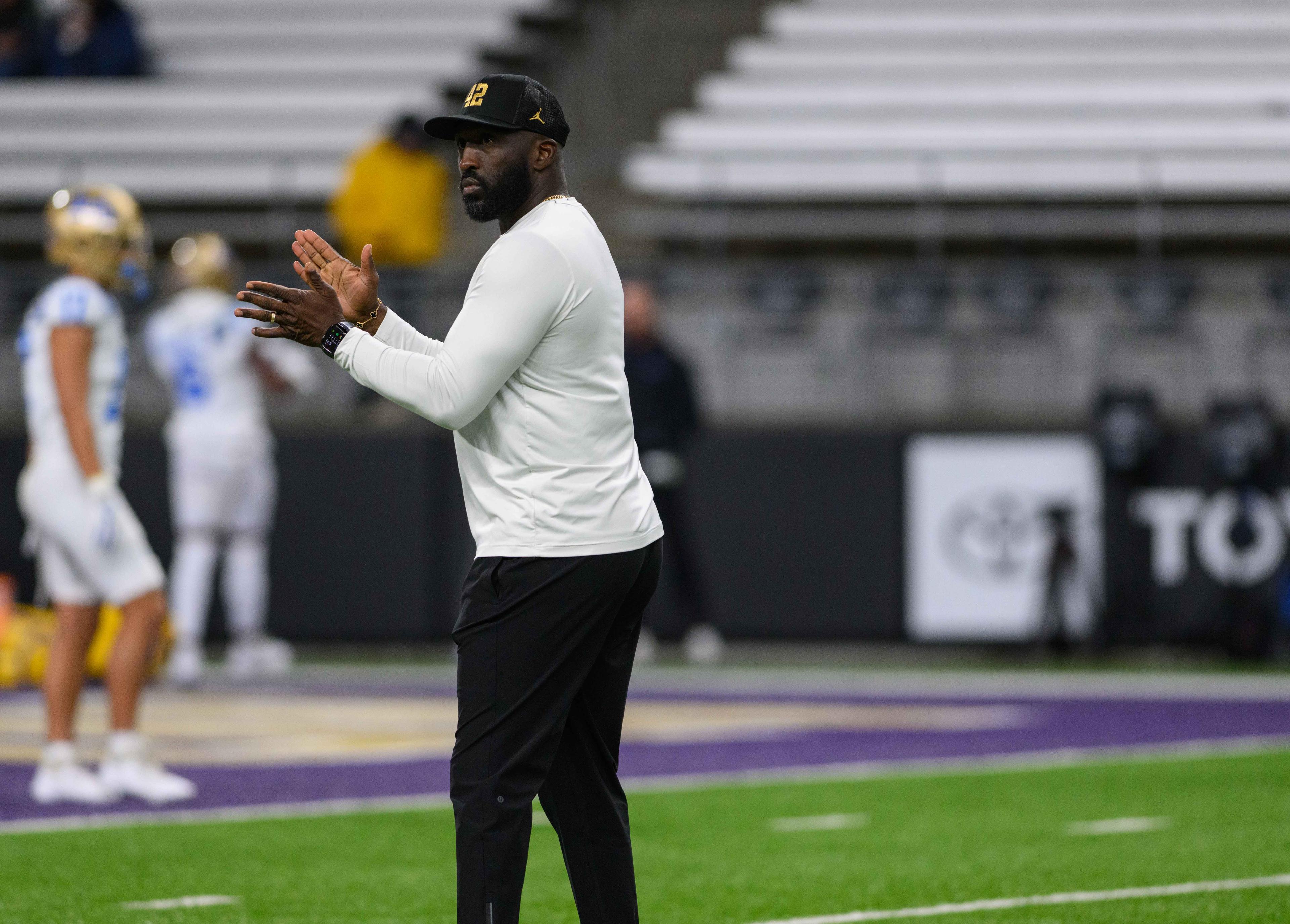
Head coach DeShaun Foster has enriched Donahue’s roots, providing his alma mater with the water and nutrients to thrive while blossoming a new crop. Discipline, respect and enthusiasm are the pillars that keep the Bruins grounded, ensuring proper growth and development.
But when personality is transformed into an identity, the good teams become great.
The Pittsburgh Steelers’ Steel Curtain boasted an identity predicated on toughness and power, manifested in a front seven that would embrace smash-mouth football and haunt opposing offensive lines.
The Seattle Seahawks’ Legion of Boom was no different. Richard Sherman and Kam Chancellor were notorious ballhawks who made quarterbacks second-guess every pass they threw.
A team’s personality is something you gameplan, but a squad’s identity is intrinsic to its core.
While the Bruins have established a personality, it seems they lack an identity.
But something seems to be brewing.
There has been a sense of freshness and novelty ever since Foster took the helm. But he has also fostered a desire for vengeance – a chip on the shoulder.
Maybe it has come from years of underperforming or been empowered by seasons of failing to win big games and consistent overshadowing from the Bruins’ rival across the city.
Whatever it is – it is palpable.
You can feel it from the Rose Bowl to Royce Hall, and Foster has no problem showing it. He wants to put his alma mater on the map, to show the Bruins belong in the Big Ten and to illustrate what California football is all about.
Although Foster may be the architect of the Bruins’ revamped program, he lacked a developer – at least until one fell into his lap.
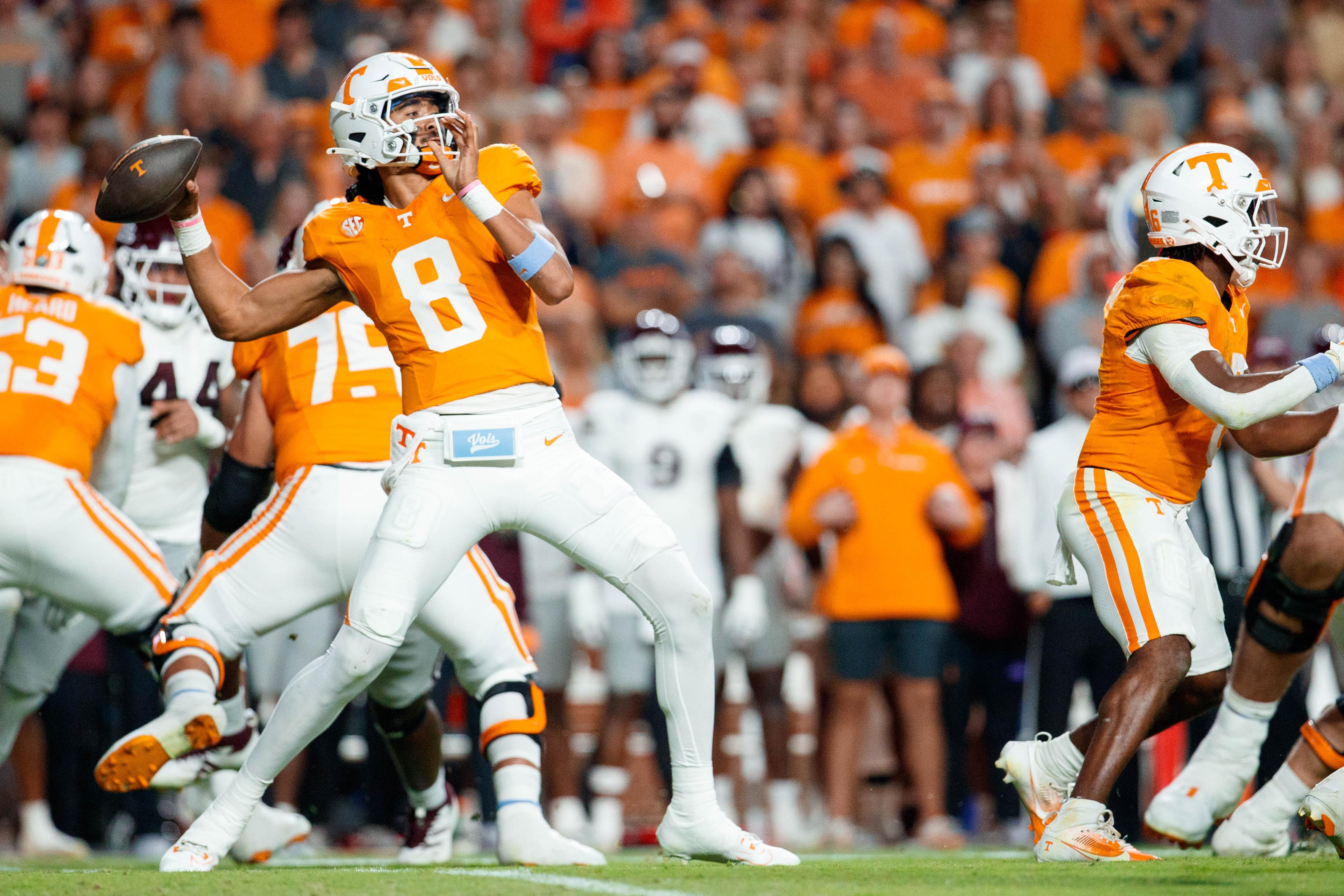
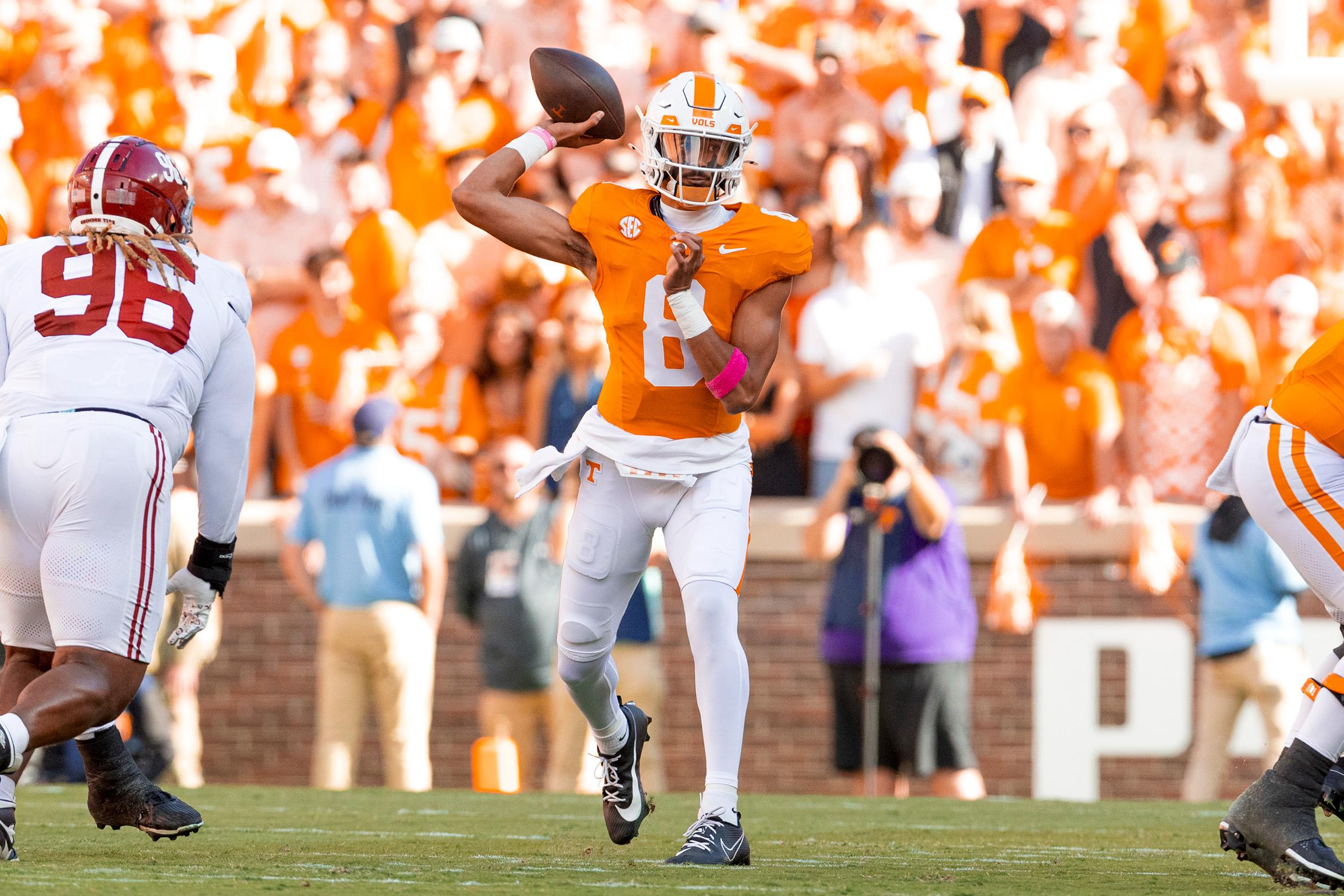
Redshirt sophomore Nico Iamaleava embodies exactly what UCLA football is attempting to embody – proving the naysayers wrong while putting others in their place. It is impossible to talk about Iamaleava’s move to Westwood without mentioning the circumstances of his transfer.
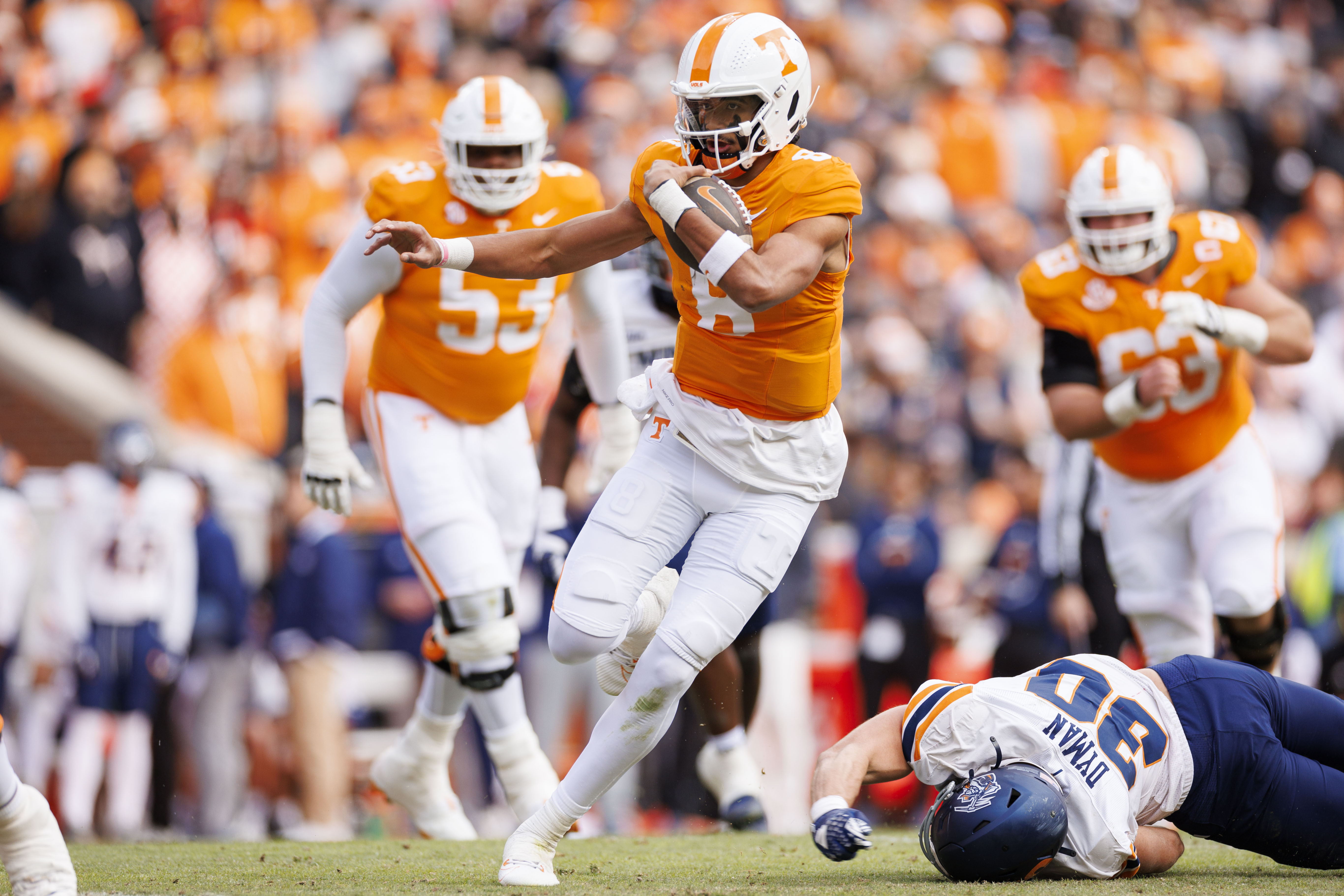
The former Tennessee signal-caller heard every opinion under the sun when he departed Knoxville. And Iamaleava could have fed into the critics and college football aficionados who put a target on his back.
Instead, Iamaleava did what every quality leader does – he stuck to his roots, dug into his identity and found a place that was attempting to foster the same ideals he valued. He never responded to the critics or sank into the shadows; he took up the reins in an entirely new environment.
Iamaleava could tie a perfect bow on his collegiate career with a successful 2025 campaign. But while he may be penning the concluding chapters to his own collegiate story, he is also writing the preamble to the Bruins’ future.
It takes just one year to reemerge from the depths of mediocrity in today’s college football landscape, and Indiana’s 2024-2025 campaign is a perfect example. The program recorded just three winning seasons in the last 20 years prior to last season.
Insert a new coach, offensive coordinator – the same one UCLA now has – and a new face under center, and the Hoosiers won a program-record 11 games and clinched a trip to the College Football Playoff for the first time in school history. Fast-forward a year after the Hoosiers’ historic season, and they garnered their highest-ranked recruiting class in over 20 years.
The Bruins have won five bowl games – two of which were the LA Bowl and the EagleBank Bowl – and produced just three double-digit win seasons in the last 20 years. They desperately need a breakthrough season – like Indiana – to stabilize the program and prevent sinking further into mediocrity.
But change allows for personality to reemerge and identity to take hold.
UCLA made the necessary changes to its roster and coaching staff, and it seems like the Foster culture is redefining its personality. Now, all the program needs to do is win.
Iamaleava is leading the charge, not only for himself, but to readjust the Bruins’ sails, marshaling a new voyage.