UCLA student researchers face uncertainty amid federal cuts, budget proposals
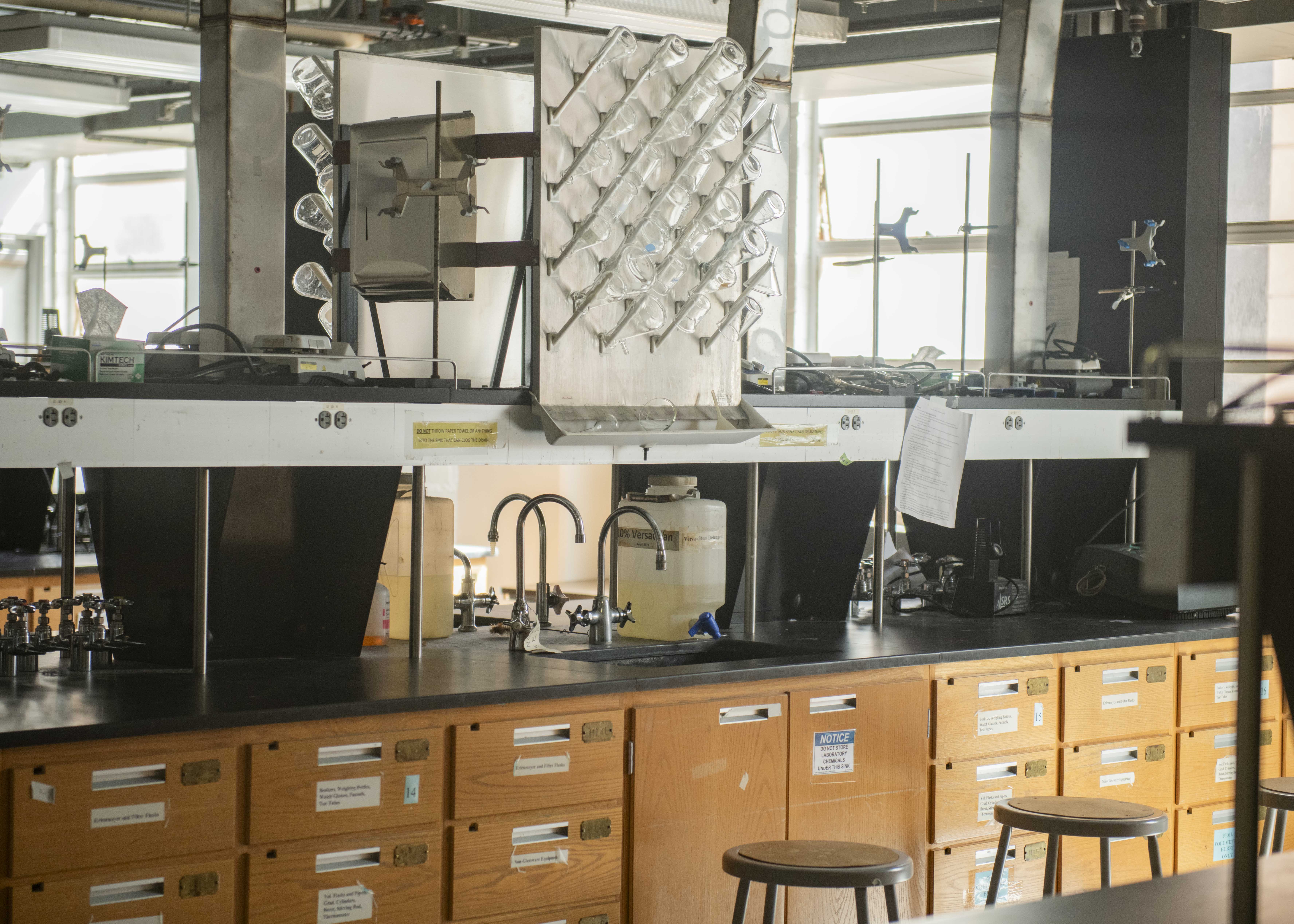
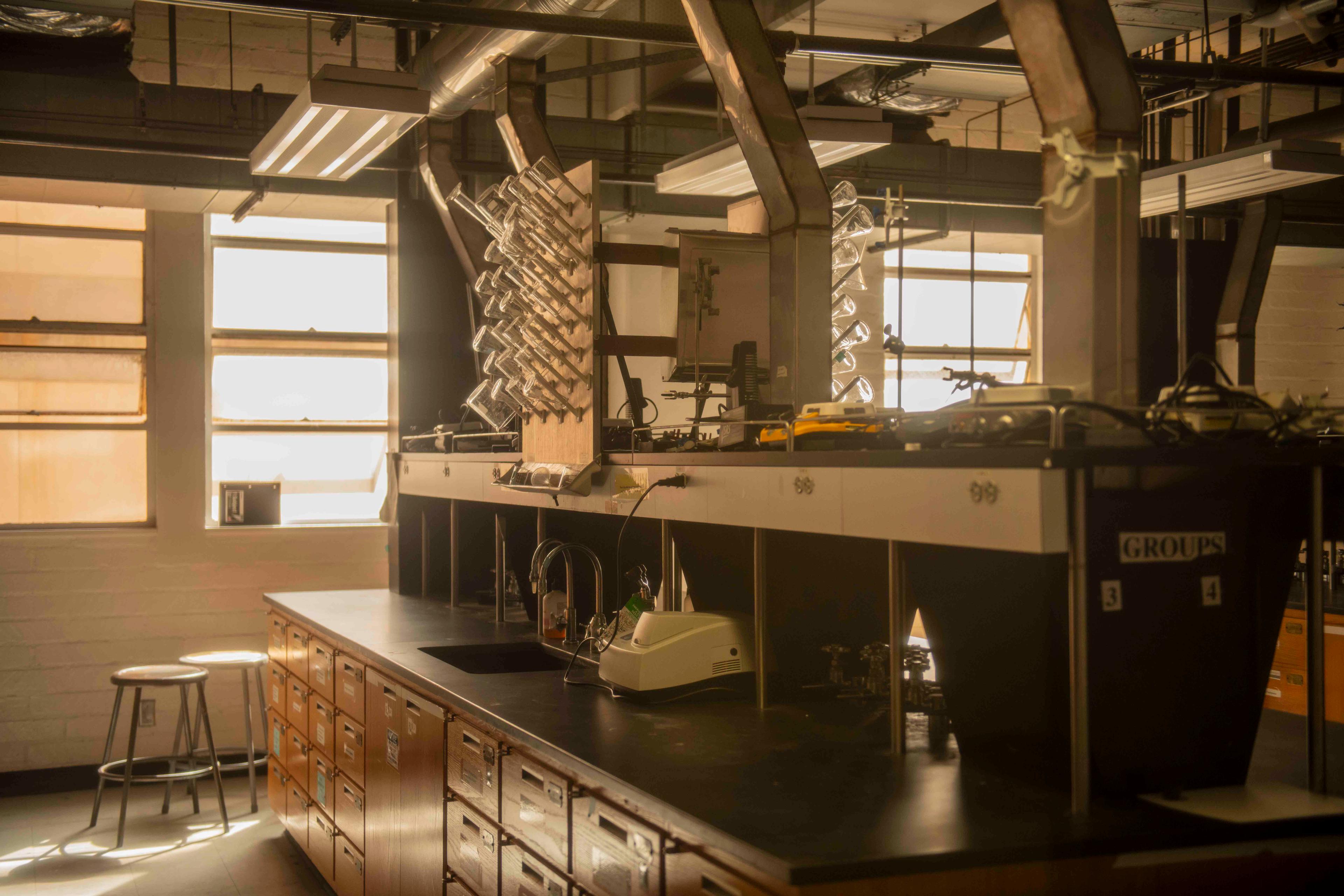
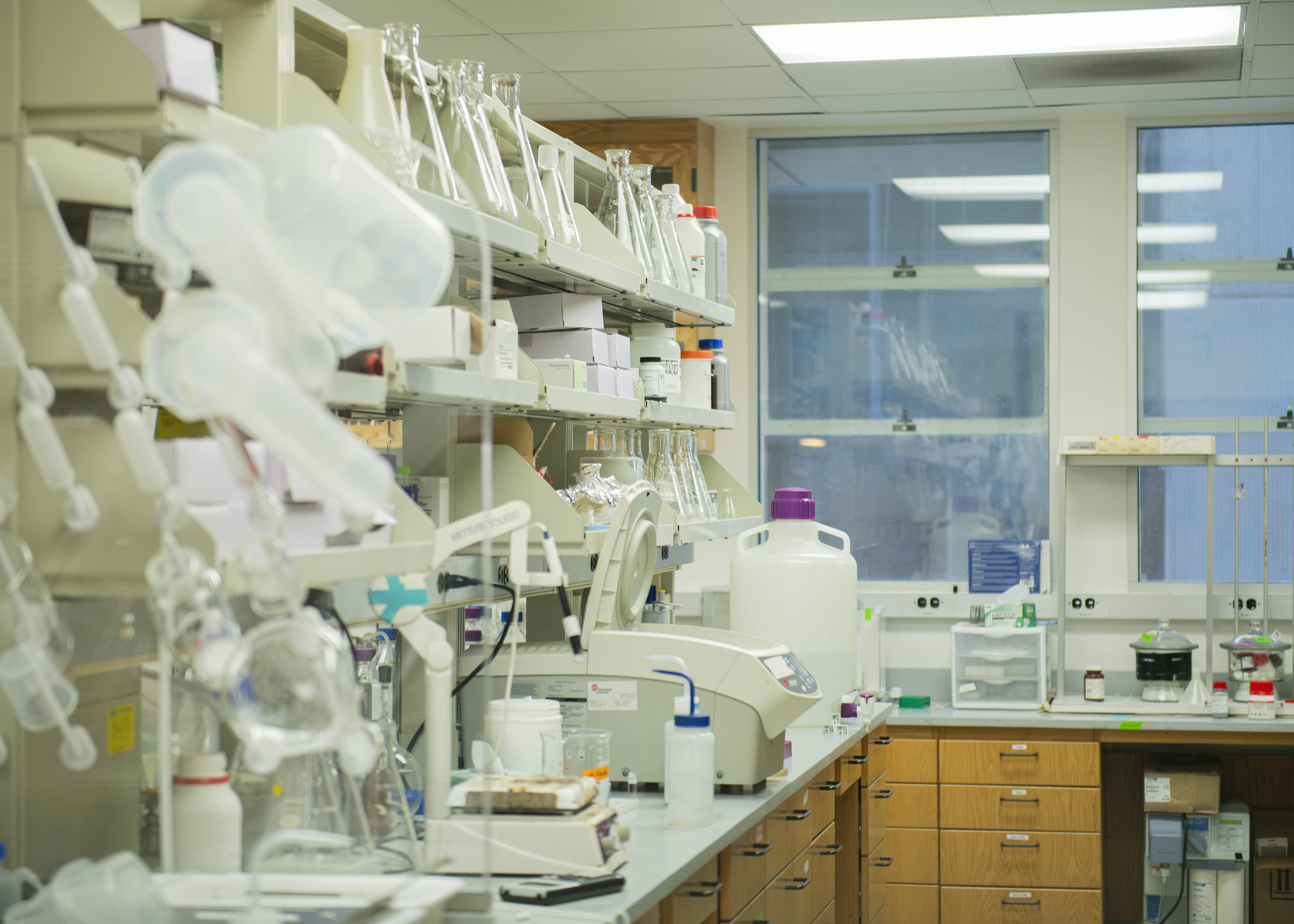
A UCLA lab is pictured. Student researchers at UCLA are grappling with the next steps in their academic and professional journeys as the threat of research funding cuts looms over them. (Libby Li/Daily Bruin)

By Reese Dahlgren
July 12, 2025 8:11 p.m.
This post was updated July 13 at 8:32 p.m.
Student researchers at UCLA are grappling with the next steps in their academic and professional journeys as the threat of research funding cuts looms over them.
The Trump administration proposed a $4.7 billion cut from the National Science Foundation’s $9 billion budget, according to NPR. Additionally, the Trump administration proposed that the National Endowment for the Humanities and National Endowment for the Arts, which are allotted $207 million each, be eliminated entirely, according to PBS News.
The National Institutes of Health also recently announced it would cap indirect costs at 15% for its grants, which many academic researchers rely on. While a federal judge blocked the ruling, the NIH appealed the decision, leaving many UCLA students unsure of the future of their scientific research.
[Related: UCLA researchers express concerns on academic funding cuts, NIH indirect cost caps]
Leonardo Dionisio, a neuroscience doctoral student whose research focuses on mouse models of neurodegenerative disease, said he hopes to become a professor and open his own lab in the future. He added that, when his mentee told him about the funding cuts, he was taken by surprise and began reevaluating his career timeline because a lab he was interested in joining is facing funding uncertainties.
“It actually changed my dissertation year,” Dionisio said. “I was considering leaving in August, and I pushed it back to the end of fall quarter, so hopefully in December I’ll be able to prepare.”
Dionisio’s work focuses on the impact of the HAP40 protein on Huntington’s disease, which could contribute to therapies for the illness, he added. Dionisio added that, with the current uncertainty regarding future funding, he has considered looking outside the United States for job opportunities.
“I think that’s the number one issue with scientists. … They always have to plan and plan ahead,” Dionisio said. “So, what am I going to tell you based on what I know now? I don’t know. It changes. So, I’m a little bit angry and a little bit worried.”
Sierra Talbert, a doctoral student in library and information studies who studied computer science and gender studies during her undergraduate years, said her research focuses on the role of justice and ethics with regard to technology’s – particularly artificial intelligence’s – impact on society. She said she hopes to combine her knowledge from these fields in her research to critically assess the impacts of technology on marginalized communities.
“We’ll just have less doctoral students from this specific time, and, if they are still studying, they probably will not be as socioeconomically diverse,” she said. “It might just be people who can fund their own programs and have the money to be a PhD student and probably not get as much money back in the eventual careers that they could get into.”
Talbert added that her department currently does not have enough resources and that there is uncertainty about the future funding that students will be provided with.
She said she plans to diversify her research, which focuses on studying marginalized groups, to make herself more marketable for computer-science-based research positions, as many DEI and ethics positions are currently facing uncertainty.
“The climate is actually terrible,” Talbert said. “I am glad I’m in school right now because of it, because the job market is kind of terrible, and nobody knows what’s happening right now.”
Katelyn Lyle, a fourth-year chemical engineering student, said she began conducting research on clean energy in batteries during her freshman year. She said she was shocked and upset to learn about the shift from more sustainable projects to those like fracking.
[Related: ‘Tragic and devastating’: Scientists react to funding cuts for climate research]
“As someone who is dedicating all of her energy to sustainables, it does make me nervous,” Lyle said.
Lyle, who plans to pursue her doctoral degree in mechanical and aerospace engineering at Princeton University after graduating from UCLA, added that she feels lucky to have secured funding for her doctoral studies both through the school and the US NSF Graduate Research Fellowship Program – a government run agency that awards grants to students pursuing masters or doctoral degrees in STEM fields, according to its website.
Lyle said the NSF GRFP typically gives upwards of 2,000 fellowships to student researchers, but that number was reduced this year. Approximately 1,500 awards were given out for the 2025-2026 cohort, according to a LinkedIn post by the NSF.
“I’m the only person I know that got it, which is insane,” she said. “Normally, you know several people who get it, and I know people who are going to Stanford and MIT and top institutions who were expecting to get it and didn’t.”
Justin Louie, a materials science graduate student researching radiative cooling materials at the Raman lab, said the lack of funding will have significant impacts on research, as professors will have to accept fewer graduate student researchers.
The effects of funding cuts will be seen further in the future as student researchers are not able to support the research projects that lead to important publications, he added.
Lyle also said she believes research is at the heart of the technological advancements that revolutionize everyday life, and she worries that a lack of funding will impact this research moving forward.
“I think there’s a risk of further harm down the line that we might be able to see now,” Lyle said. “If there’s less research happening, then there’s less people that are out there anticipating these problems before they form and trying to solve them when they are in their nascent stage.”