






New York’s Museum of Modern Art to feature films by UCLA alum Charles Burnett
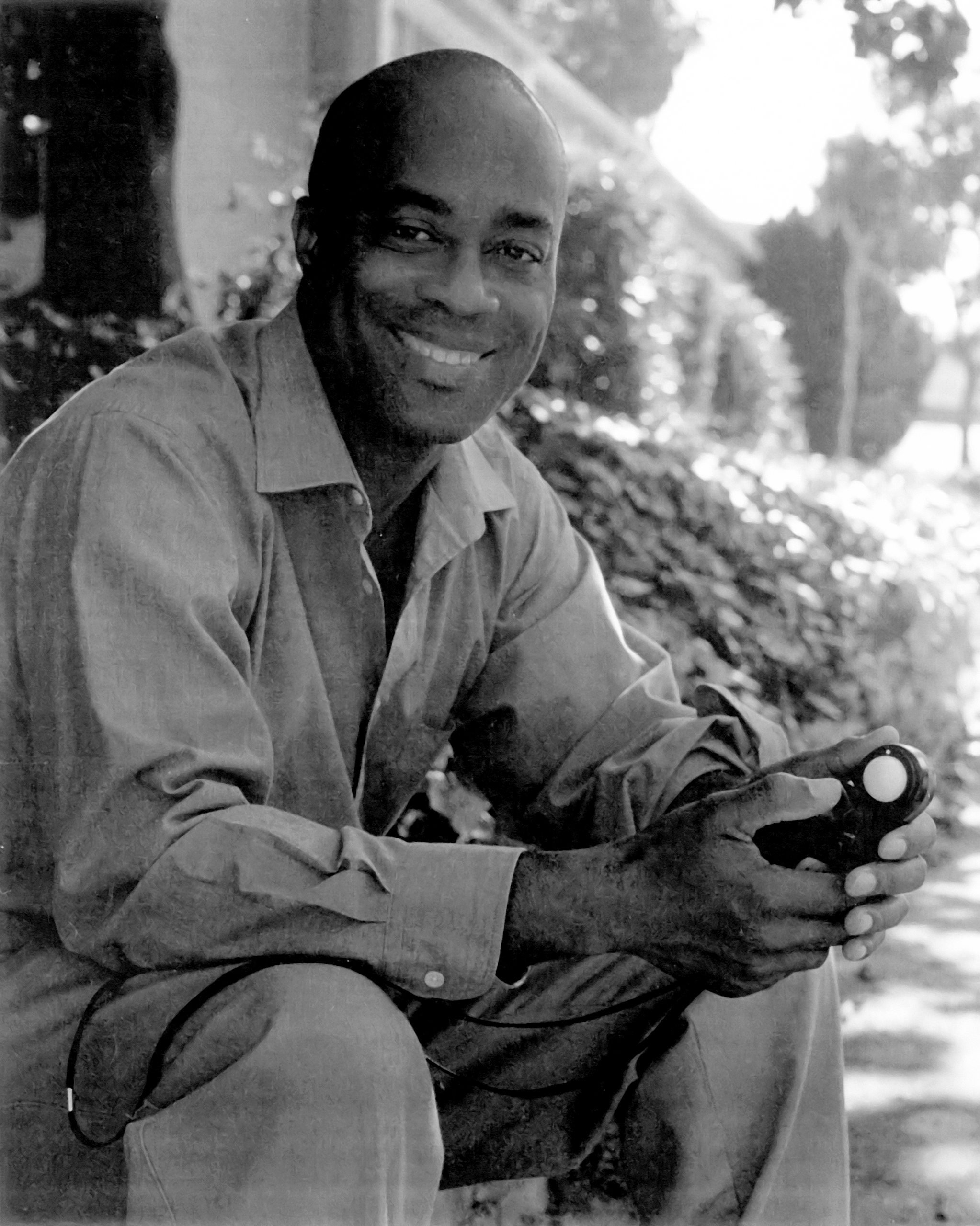
Theater, Film and Television alumnus Charles Burnett’s work will be showcased at MoMA in New York. (Credit: UCLA Theater Film Television)

By Spencer Pratt
April 5, 2011 12:23 a.m.
As a young boy, Charles Burnett had a speech impediment that caused him to be riddled with shyness. The temporary debilitation would make him a careful listener and an astute observer ““ two qualities that played large roles in his filmmaking.
“I enjoyed telling stories about my friends, and that was what my thesis film was about ““ my neighborhood,” Burnett said. “I never thought that I was going to make a living in film.”
Burnett received a bachelor of arts degree in writing and languages from UCLA in 1969, and in 1977 he received a master of fine arts from the UCLA School of Theater, Film and Television.
Beginning on Wednesday, 20 of Burnett’s films will be showcased at the Museum of Modern Art in New York in a month-long series titled “Charles Burnett: The Power to Endure.”
“Charles Burnett is one of the most recognized members of a group of students that attended UCLA film school and the so-called L.A. rebellion,” said Jan-Christopher Horak, director of the Film & Television Archive at UCLA.
The members of the L.A. rebellion sought to react against the influx of Blaxploitation films that Hollywood was producing in the 1970s. The filmmakers were deeply interested in spreading the truth about the African American community, Horak said.
The series will begin with a screening of Burnett’s critically acclaimed 1977 film “Killer of Sheep,” which chronicles the life of a butcher in the Watts neighborhood of Los Angeles. The Film & Television Archive was responsible for the complete restoration of the film.
Professor Allyson Nadia Field at the School of Theater, Film and Television said the two main influences in the film are neorealism and documentary.
“Cinema had distorted people of color so much,” Burnett said. “I guess you could say I was influenced by documentaries in many ways and trying to create the illusion that what you are looking at is real.”
Perhaps a third influence that could be drawn from the film is the landscape of Los Angeles itself.
At the time when the film was shot, the city was a desert wasteland. Burnett said its largely undeveloped regions outside of the central core served as a perfect backdrop ““ West Coast suburbia became dipped in a Southern aesthetic.
Burnett said you could almost picture parts of the city as coming out of a scene from “The Adventures of Tom Sawyer”; recreating that feeling of a Southern town within the California context was important to him.
The soundtrack of the film contains music from artists like Earth, Wind & Fire and Louis Armstrong. Burnett said that he chose to score the film with the soulful sounds of these artists for two specific reasons, the first being that many of these songs were played for Burnett when he was a child.
“Listening to the music as a kid, you don’t really understand it but later on you understand the lyrics of it and the importance of it,” Burnett said.
The second reason Burnett was drawn to these artists was because he felt a need to preserve the music. At the time, the music of these artists was hard to find and was recorded on vinyl, which was not durable and had a tendency to break.
In the film world, Burnett’s reputation remains upheld by praise from his colleagues.
“He is an incredible thinker,” Horak said. “I know few people who garner as much respect as he does.”
Burnett does not fit under the scope of the stereotypical ego-driven filmmaker, primarily because he is incredibly secure in his talent, and he lets his work speak for himself, said Field.
Burnett’s work had been showcased at the Louvre in Paris and at the Berlin Film Festival.
His film career spans over the course of more than 30 years, and Burnett continues to write screenplays and remain involved in cinematic arts.
“He’s the one who’s been able to sustain a successful career and not compromise his artistic integrity, which is remarkable for any filmmaker,” Field said.


