

Undergraduates shouldn’t need cold emails to land research at an R1 university like UCLA
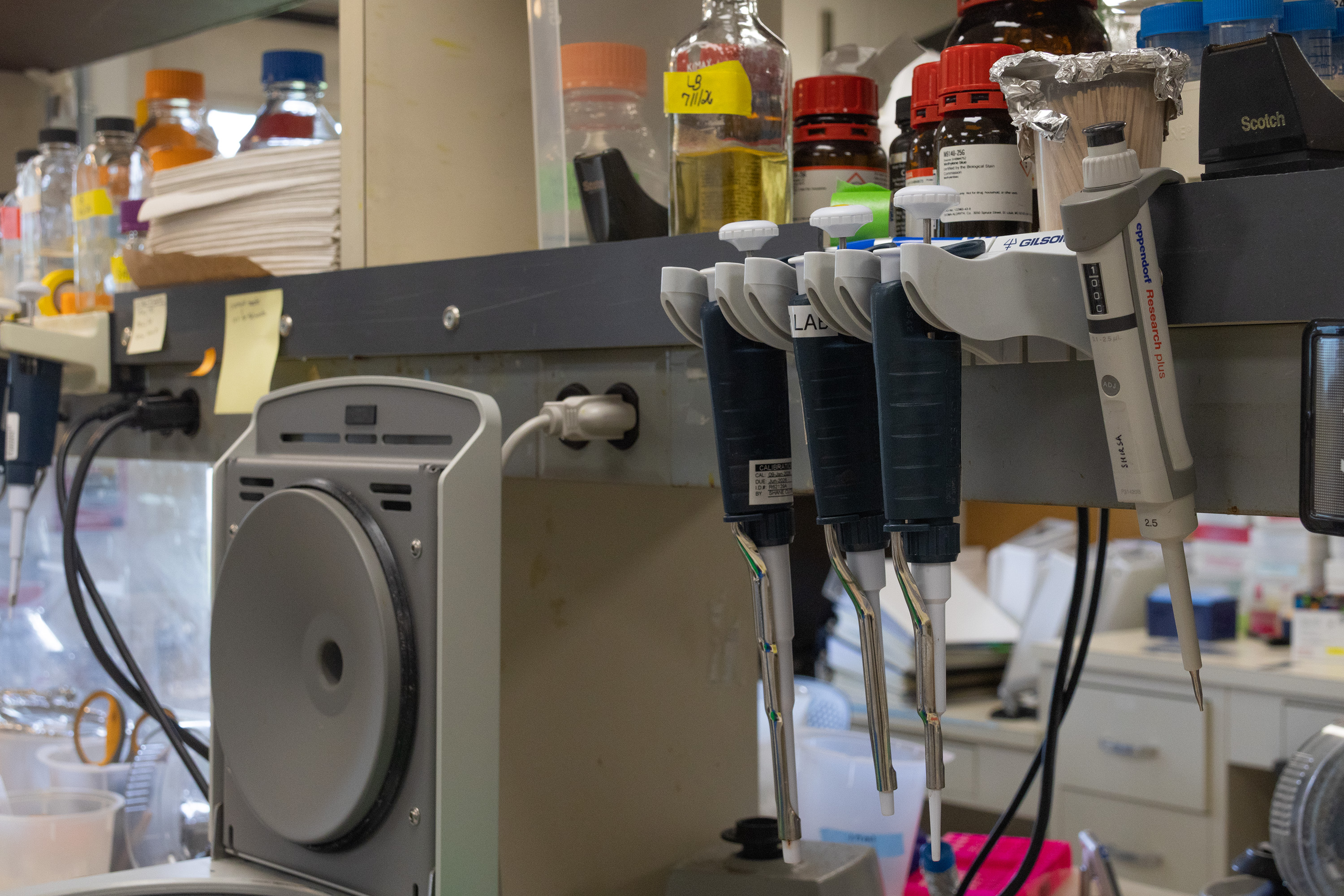
A UCLA Research Lab is pictured. Columnist Chidiebere Moseri argues that there should be more transparency on how students can get involved with research. (Selin Filiz/Daily Bruin senior staff)

By Chidiebere Moseri
Nov. 29, 2026 12:14 p.m.
Two weeks, 50 open tabs and over 100 emails sent to professors in hopes of joining their laboratory.
No replies.
For many students attempting to pursue undergraduate research, this is a canonical experience. A selling point of UCLA is its position as an R1 research university, meaning it is classified as one of the best American institutions for research spending and doctorate production.
But because of high demand and low supply, finding a research position as an undergraduate can prove to be a Herculean task.
Outdated lab websites, unclear logistics and the 2026 discontinuation of the Undergraduate Research Portal further complicate this issue. To rectify it, academic departments should establish centralized, robust systems for undergraduates to seek research opportunities.
Right now, many students are able to secure a lab position only after exhaustive cold emailing.
“It seems like endless emailing, emailing, not getting a response,” said Ileesha Garg, a second-year physiological science student in the Mack Lab. “It can be really disheartening.”
This “system” isn’t advantageous for the people on either side of the equation. Without an organized system to help students access research opportunities, cold emails bombard professors’ inboxes.
“It used to be maybe four a quarter, and now it’s four to seven a week,” said S. Thomas Carmichael, the chair of the Department of Neurology. “I don’t know what happened, but there’s a substantial increase in undergrads emailing.”
This uptick in cold emails could be fueled by artificial intelligence, said Aparna Bhaduri, an associate professor of biological chemistry. She added that she receives about 80 emails a week about undergraduate research opportunities. The use of AI can make it difficult to determine students’ interest level in the project, she said.
Bibhabari Mohanty, a second-year microbiology, immunology and molecular genetics student in the Teitell Lab, said she believes a more proactive system could potentially remedy this issue. One-on-one mentoring and an accessible database displaying updated lab positions could help, she added.
“A bit more transparency would help both the researchers find proper applicants for the lab that are interested, and also students to know which labs are recruiting,” Mohanty said.
Both Bhaduri and Carmichael, however, said that UCLA already has a bloated bureaucracy, and introducing a new platform could contribute to that.
But an organized framework does not need to be a university-wide one. Each department is capable of establishing a comprehensive system that it would manage and could tailor to its needs.
This isn’t a novel or foreign concept. The UCLA Physical Science Department established a research match system earlier this quarter that helps undergraduates join labs that best fit their interests.
UCLA shouldn’t wait for the issue to worsen. Departments must take action now to ensure that participation in undergraduate research is accessible and the process is transparent for professors and students alike.