UCLA must prepare Bruins to navigate the world. A civics course could be the answer
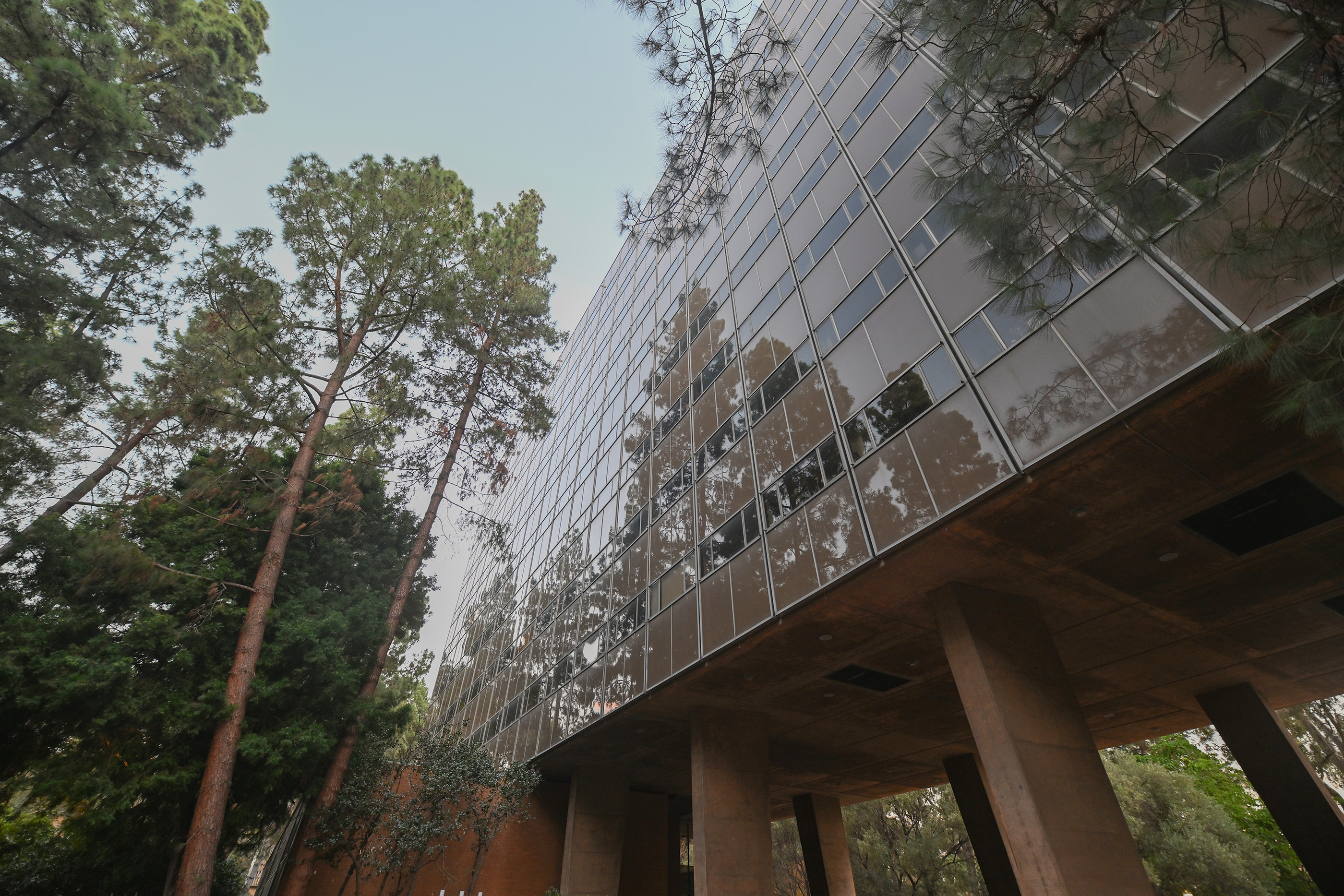
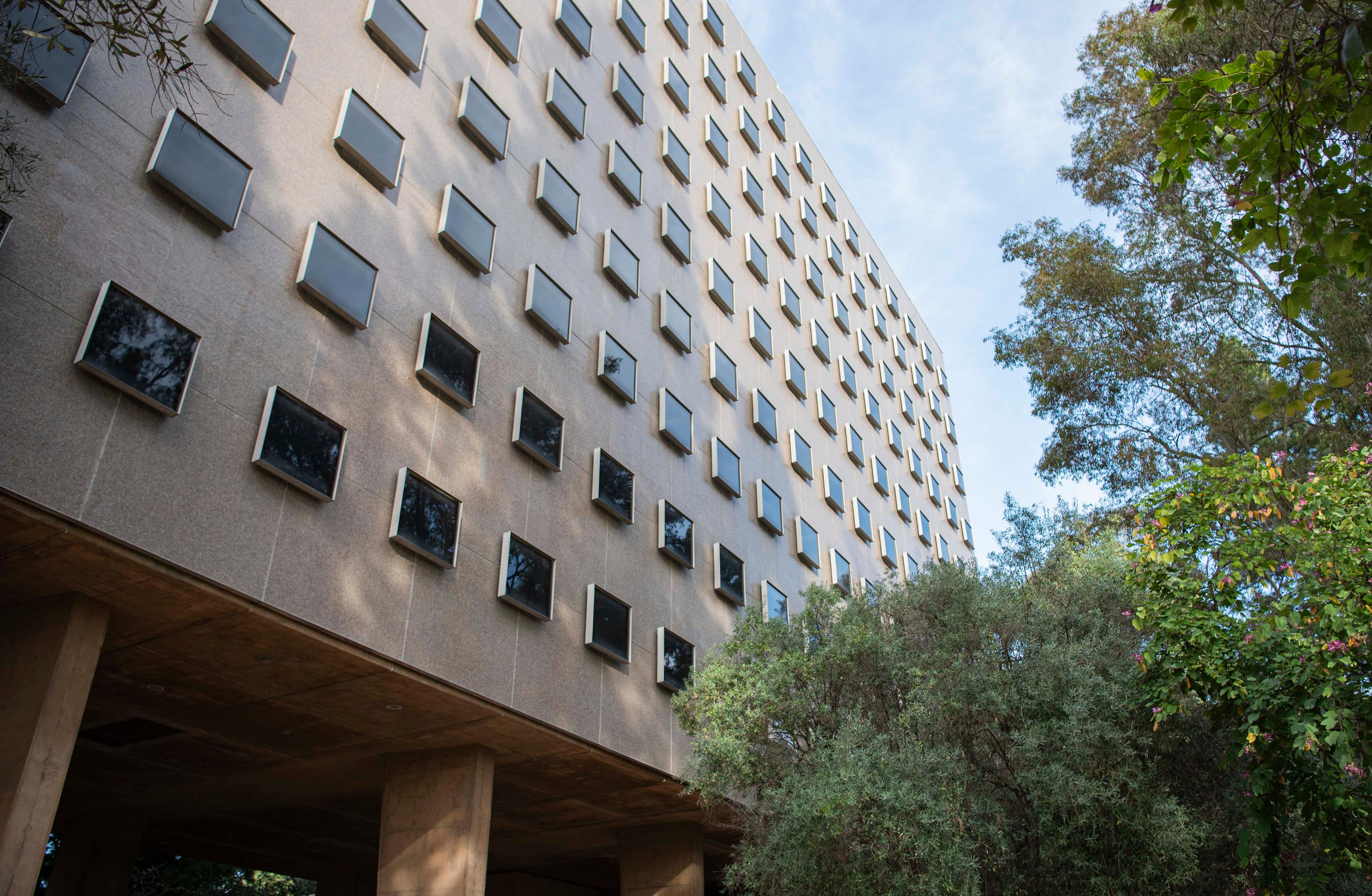
Bunche Hall is pictured. Columnist Zainab Rauf argues that UCLA must make civics a part of their general education requirements. (Andrew Ramiro Diaz/Photo editor)

By Zainab Rauf
Nov. 18, 2026 10:32 p.m.
UCLA prepares students for their futures with prestigious degrees, polished resume and career advantages.
But navigating the political world after graduation is a lesson Bruins are left to learn alone.
Political engagement extends beyond simply showing up at the polls. It requires students to understand how political institutions work, evaluate the information presented to them and engage in difficult conversations with those who hold opposing perspectives.
A distinguished educational background means almost nothing when students graduate without knowing how to participate in the political systems that shape their postgraduate lives.
UCLA must address this gap by implementing a mandatory civic education course as part of general education requirements. Political literacy should not be optional at an institution that prides itself on academic excellence.
For some Bruins, distrust has discouraged them from participating in politics altogether.
Nicole Serrao, a fourth-year public health student, said misinformation online is stopping her from voting. She added that she believes if she isn’t well-informed, she shouldn’t vote.
Opportunities for political discussion are limited in classrooms and coursework, especially as a public health major, Serrao added.
As a person who considers herself to be politically engaged, Katie Kunkel, a third-year business economics student, said she believes UCLA should do more to teach students how to interact with politics in the real world.
Political clubs and impromptu discussions on Bruin Walk are opportunities for engagement and discourse for students, Kunkel said. These opportunities may allow Bruins who are already interested in politics to engage, but it largely depends on a self-selecting group to actively seek them out.
Early major specialization can also deprioritize civics courses, as people race to declare their particular course of study.
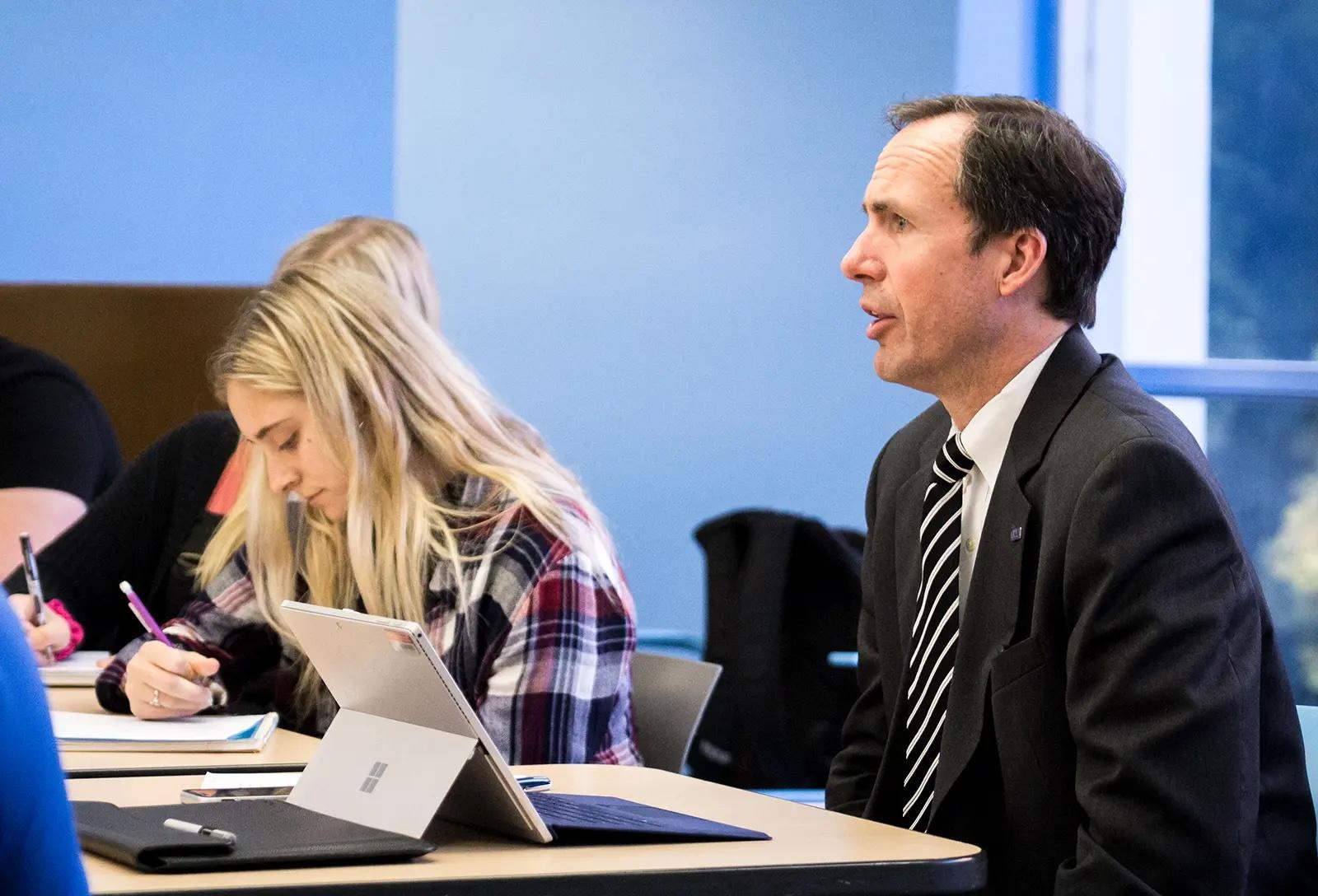
“There’s so much pressure on students to specialize early, and to treat education as a means to getting a job,” said John Branstetter, a continuing lecturer in UCLA’s political science department.
Civic education should not be left to personal interest. Since public universities are meant to serve the people, UCLA has a responsibility to prepare Bruins not only for the workforce but also for political participation.
A mandatory civics course should teach students to critically evaluate political information, formulate their own personal beliefs and participate in civic mediums beyond voting.
“It’s not just being informed, but being broadly capable of critical thought in public affairs,” Branstetter said.
One possible approach is to introduce a civics cluster for first-year students. Making this course a general education requirement would ensure that civic literacy becomes a foundational aspect of UCLA’s efforts to create well-rounded graduates.
Branstetter said a yearlong cluster that brings together professors from varying departments can aid in teaching students about different government structures, political theory and how to critically engage with political institutions.
There are certainly concerns about whether the political science department has the funding to carry the burden of such a requirement, Branstetter said. The department cut reader and teaching assistant positions in response to a budget deficit, the Daily Bruin reported in July.
[Related: Opinion: UCLA owes funding transparency to its political science students, professors]
Still, limited funding should not prevent UCLA from prioritizing civic education.
Rather than letting financial constraints determine course introduction, UCLA must reevaluate its allocation of resources and invest in a requirement that improves student and community return on investment.
It’s time that UCLA prepares its students to navigate the political world beyond Westwood.