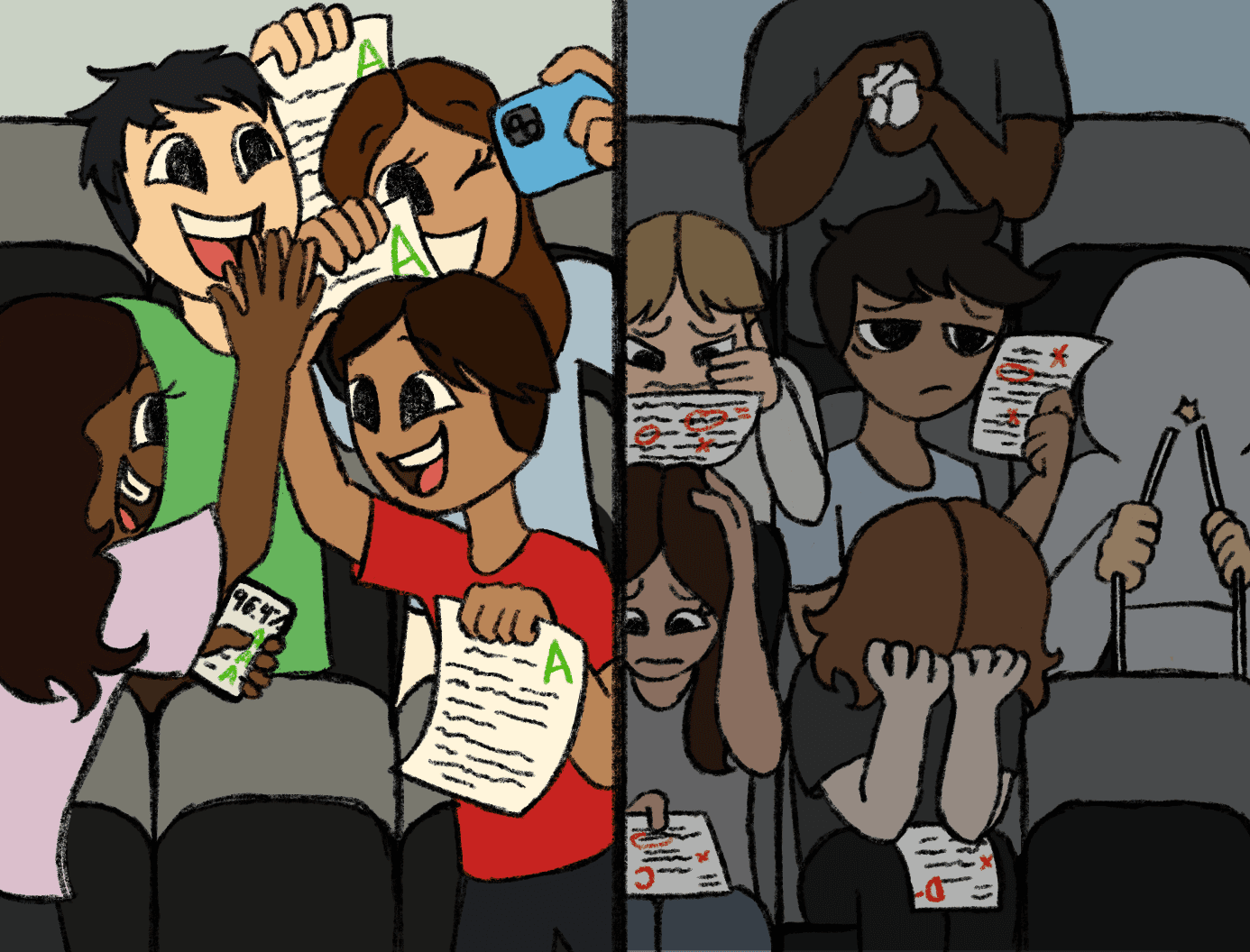
UCLA must prioritize instructional quality in response to reducing number of TAs
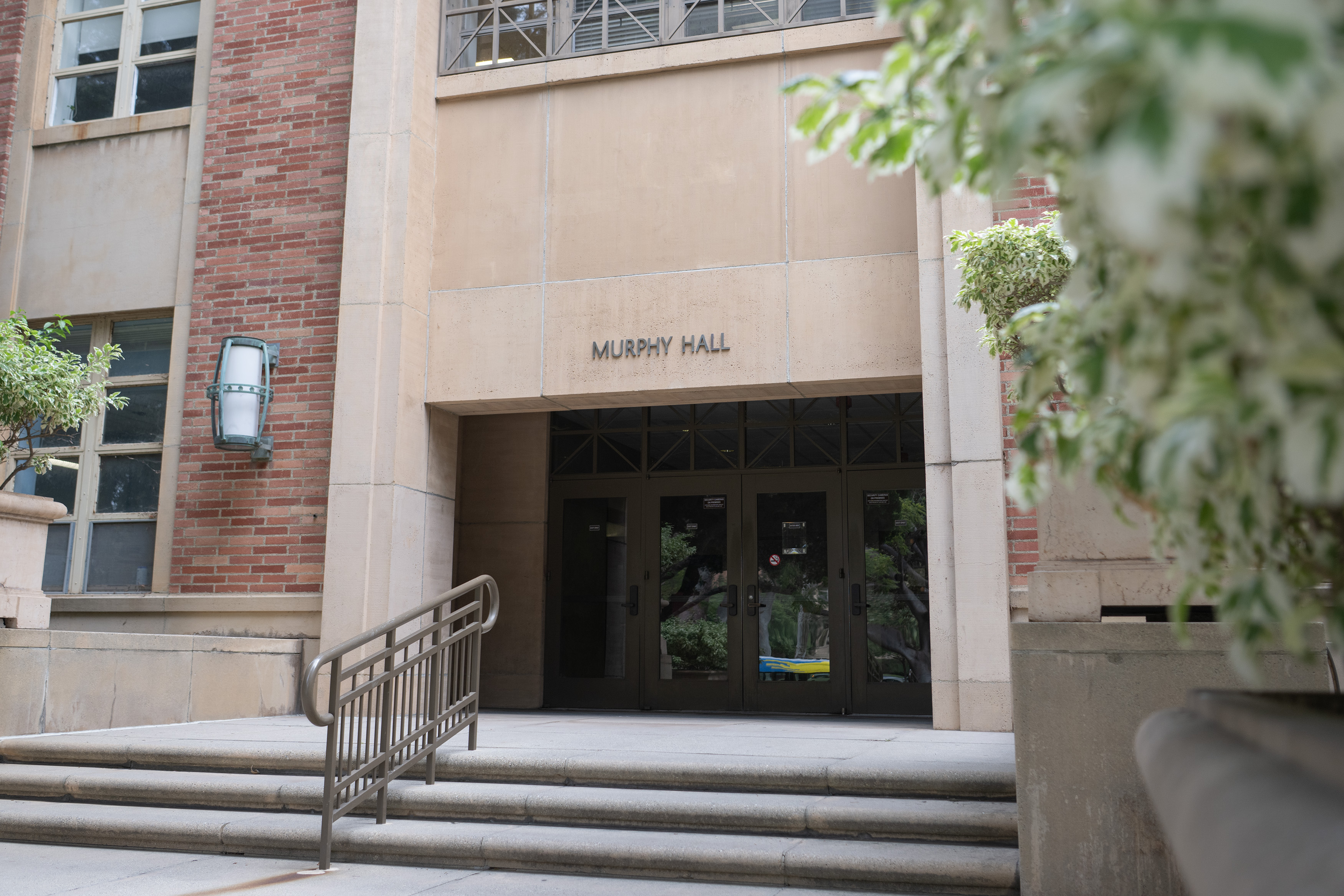
Murphy Hall is pictured. Columnist Alessandra Kahn argues that amid TA shortages, the Academic Senate must provide professors with greater teaching support. (Crystal Tompkins/Daily Bruin senior staff)

By Alessandra Kahn
Nov. 16, 2026 3:28 p.m.
Typically, universities are places where instructors teach students. UCLA is challenging that expectation.
As academic departments reduce teaching assistant positions, some instructors may need to redesign their courses to suit diminished instructional support.
Undergraduates deserve teachers with enough time to teach. Attending college may be a lesson in independence, but that shouldn’t be the only lesson students learn.
As the body that oversees degree and enrollment requirements, the Academic Senate must provide immediate support for departments grappling with smaller teaching teams. This support should include comprehensive guidelines for replacing graded assignments with structured work to enhance student learning.
Last year, the mathematics department cut grader positions and limited TA jobs.
Kyle Seshiki, a fourth-year applied mathematics student who transferred to UCLA last year, said this quarter, fall 2026, is the first time he’s received concrete feedback on his homework.
“Besides just reviewing lecture notes, there’s usually not too many resources from the class itself,” Seshiki added. “Usually that means a lot of self-study and looking online.”
South Campus departments aren’t the only ones strapped for cash: UCLA’s political science department has scaled down TA roles, forcing instructors to change how they teach.
[Related: UCLA owes funding transparency to its political science students, professors]
Tim Hunter, a professor in the Department of Linguistics, said select courses have lost part or all of their TA support. Linguistics 185B: “Computational Linguistics II” will no longer have a TA, he added.
“That course is going to look very different from the last time I taught it,” Hunter said. “I’ll be doing all the grading now, and so, there’s just no way that I can assign a comparable amount of work.”
It’s not just time commitments that are changing. As instructors rework their syllabi to accommodate reduced resources, learning outcomes are vulnerable to taking a hit.
“If instructors and TAs have less time to dedicate to grading and giving feedback on work, then that is going to mean less good information coming back to students about their progress,” Hunter said.
The Academic Senate aims to foster informed and inclusive decision making. The body should, then, inform instructors of effective ways to retain assignment-centered components and keep time commitments aligned with course credits.
“As the conditions for instruction at UCLA continue to evolve, the Academic Senate is gathering information about university-wide trends and evaluating the need for Senate guidance,” Tim Groeling, the Academic Senate chair, said in an emailed statement.
Whether instructors heed it or not, well-informed guidance surely can’t hurt. So why wait?
Some solutions could include ungraded worksheets with answer keys or interactive lecture styles that require students to apply relevant skills. Other ways to alleviate professors’ workloads are online automatic grading programs such as WebAssign. Such sites may not measure up to good-old human feedback, but they’re certainly better than nothing.
A 2024 study by UC Irvine researchers found that learner-centered undergraduate STEM courses – which entail ongoing, informal assessment – were associated with more equitable student achievement. Feedback is vital to students’ learning in college.
Of course, not all disciplines require the same assistance. An online grading tool that works for a physics course might simply not be compatible with a mathematics one.
Support from the Senate, though, doesn’t need to follow a one-size-fits-all protocol. A simple, research-driven report on alternative pedagogical approaches and their suitability for particular academic contexts would be a good start.
This is not to say teachers are ill-equipped to choose their own methods of instruction. But significant restructuring across several academic units warrants oversight to ensure workloads remain consistent.
Even when the money is tight, UCLA should be a site for active learning.