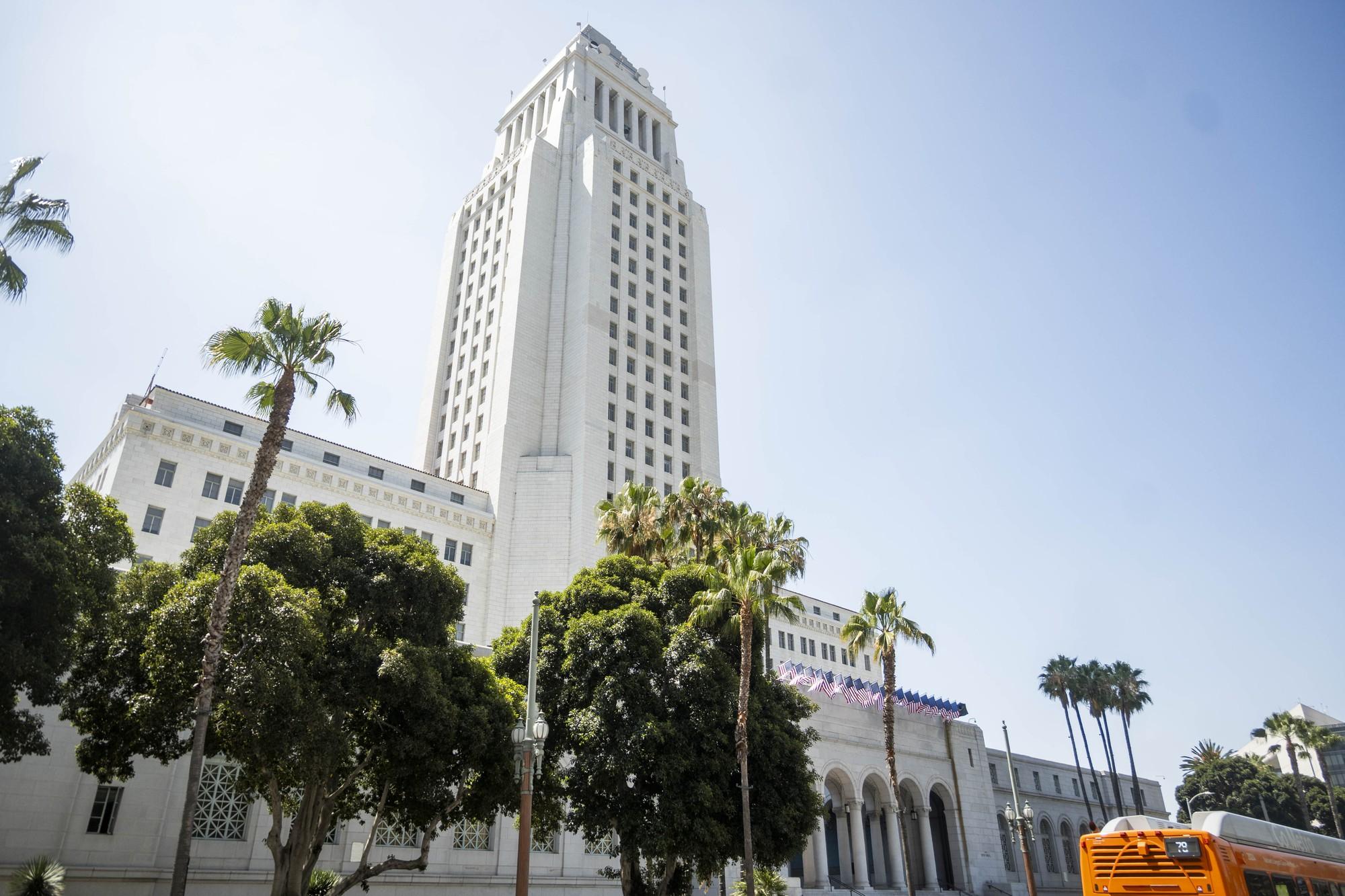
The mayor may lead LA, but other elected officials hold the power to change it

By Editorial Board
Nov. 2, 2026 3:53 p.m.
As the Nov. 3 election nears, the Los Angeles mayoral runoff is dominating the media.
Two former allies – incumbent Mayor Karen Bass, backed by establishment Democrats such as Gov. Gavin Newsom and former Vice President Kamala Harris, and Councilmember Nithya Raman, endorsed by the Democratic Socialists of America – will face off for the seat.
The neck-and-neck race has driven a rift between Angelenos – and, like any divisive race, it has gripped headlines.
It’s crucial to vote for the mayor Angelenos think will run the city best. But it’s just as vital to understand that, in our city, executing a citywide agenda requires far more than a mayor’s vision – those who pull the strings are up for election, too.
The LA government’s power is rooted in the LA City Council and the county board of supervisors. Understanding the roles of elected local leaders will allow voters to make more informed decisions this midterm election.
New York City Mayor Zohran Mamdani has no doubt flooded many students’ social media algorithms: fixing potholes, working to implement free child care and freezing rent for those in need. Angelenos may be looking for a similar figure to lead their city.
But one reason Mamdani has achieved many of his campaign promises in his short tenure is that the New York City mayoral seat simply has more authority than that of LA.
No matter who voters elect, the LA mayor is bound by the LA City Council, which creates local laws, authorizes infrastructure improvements and imposes city taxes. The mayor can approve or veto City Council decisions, but the council can typically override the mayor’s veto with a two-thirds majority vote.
The issues the LA City Council deals with can directly affect students. In September 2026, the council directed the LA Housing Department, in coordination with the Housing Authority of the City of Los Angeles, to work on a report about all rental-assistance programs available to residents of properties owned or administered by the HACLA, including programs related to Measure ULA. The measure is a funding stream that generates revenue for affordable housing in LA, according to the LA Housing Department’s website.
The council directed LA City Planning to pursue a phased implementation approach of Senate Bill 79, also known as the Abundant and Affordable Homes Near Transit Act, which allows for the construction of multifamily housing near major public transportation stops. The council went on to adopt the Low-Rise Ordinance to create this housing and increase transportation accessibility.
With a $54 billion budget, the County Board of Supervisors oversees countywide health care services, social welfare programs and, in part, law enforcement infrastructure, along with a plethora of other duties.
The city council has 15 members, and the board of supervisors has just five. In the upcoming election, two city council seats are contested, but there’s little chatter about them, despite the enormous weight they hold in LA policymaking.
If Angelenos want to see change in their communities, they must pay equal mind to the races occurring further down the ballot.