

UCLA students ask for transparency, accountability in new Student Conduct Code
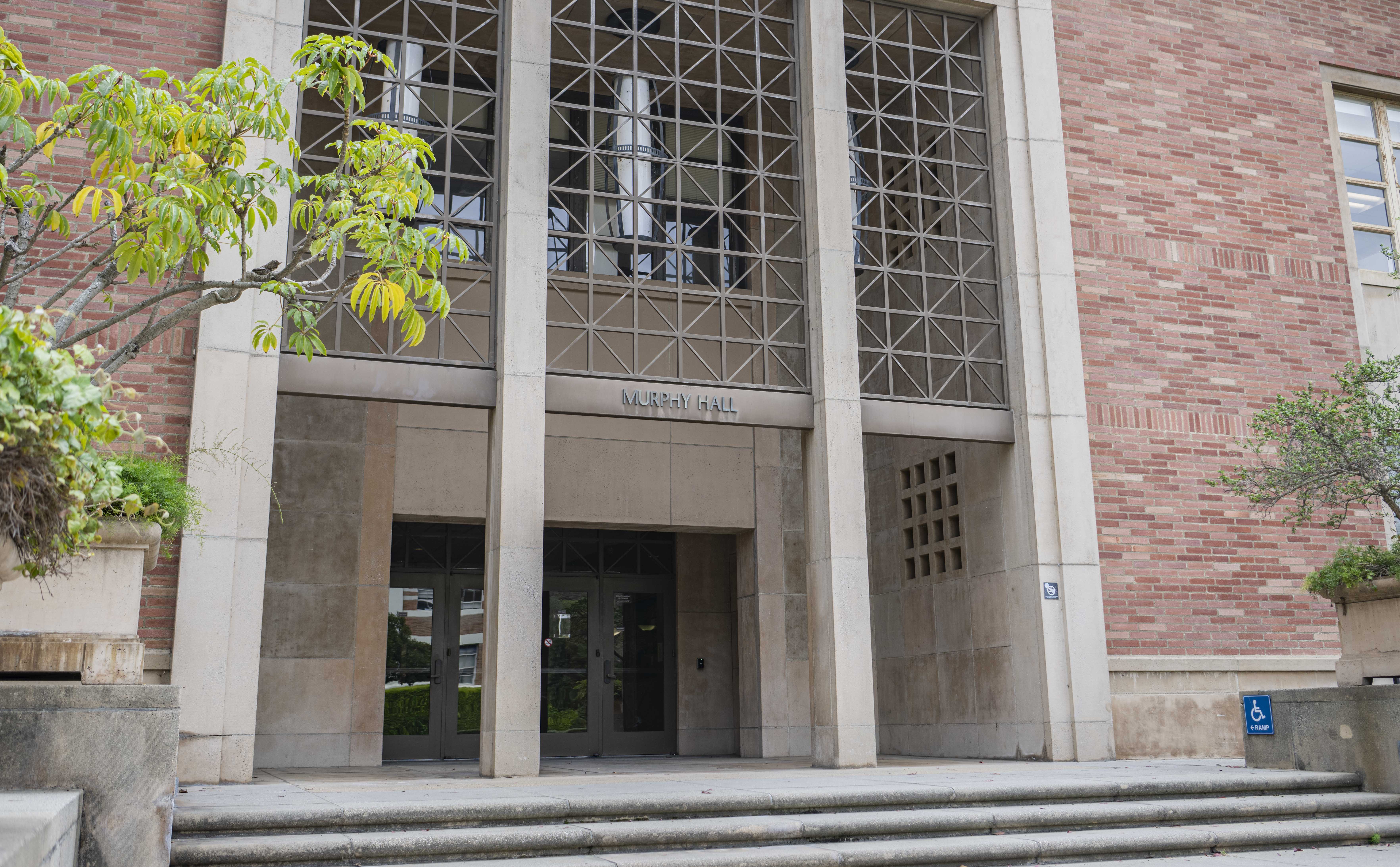
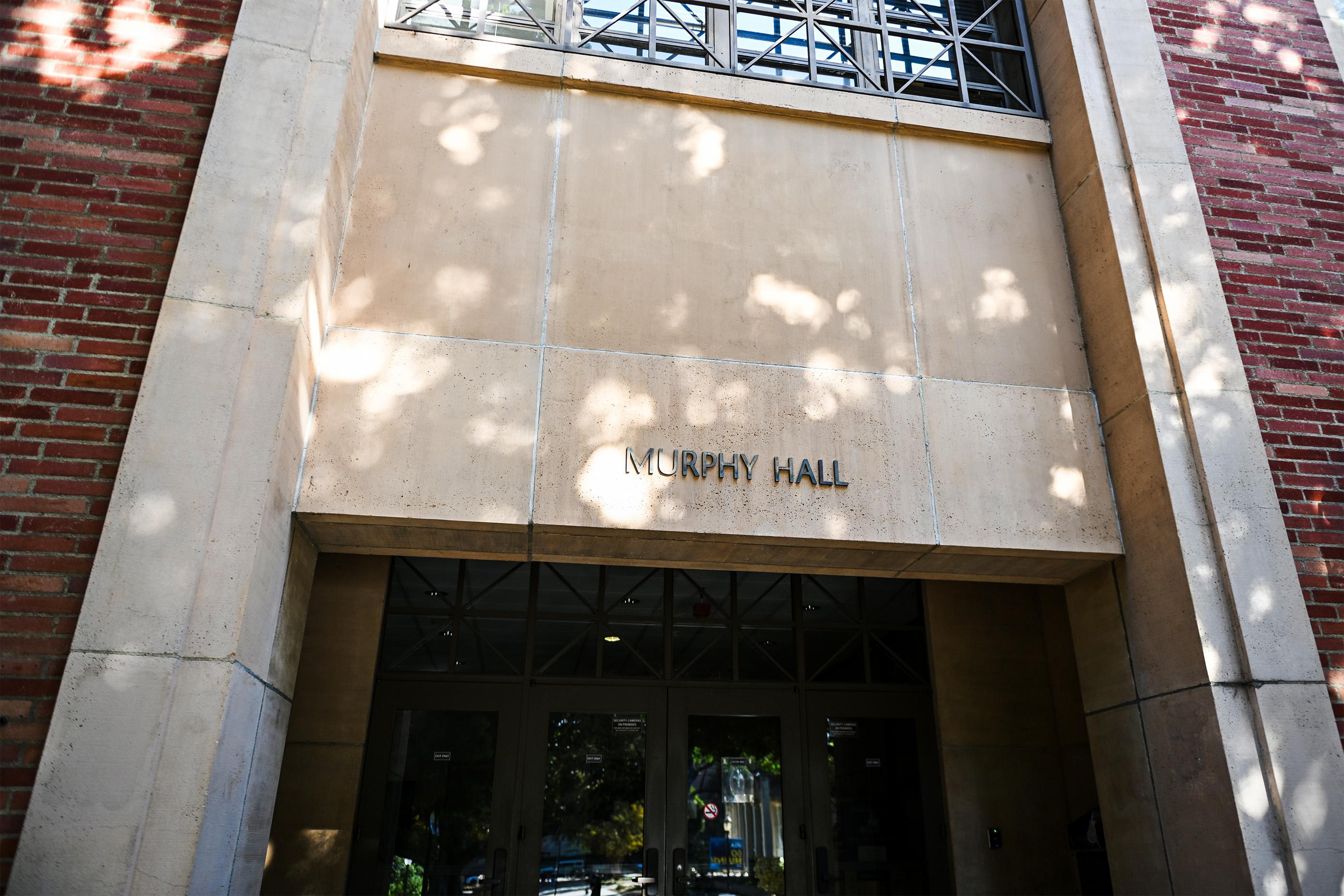
Murphy Hall, which houses the office of the dean of students, is pictured. Some students are calling for changes to the Student Conduct Code, citing concerns over due process and transparency. (Crystal Tompkins/Daily Bruin senior staff)

By Josh Lane
Oct. 15, 2026 9:10 p.m.
This post was updated Oct. 15 at 9:57 p.m.
Some students are calling for changes to UCLA’s new Student Conduct Code.
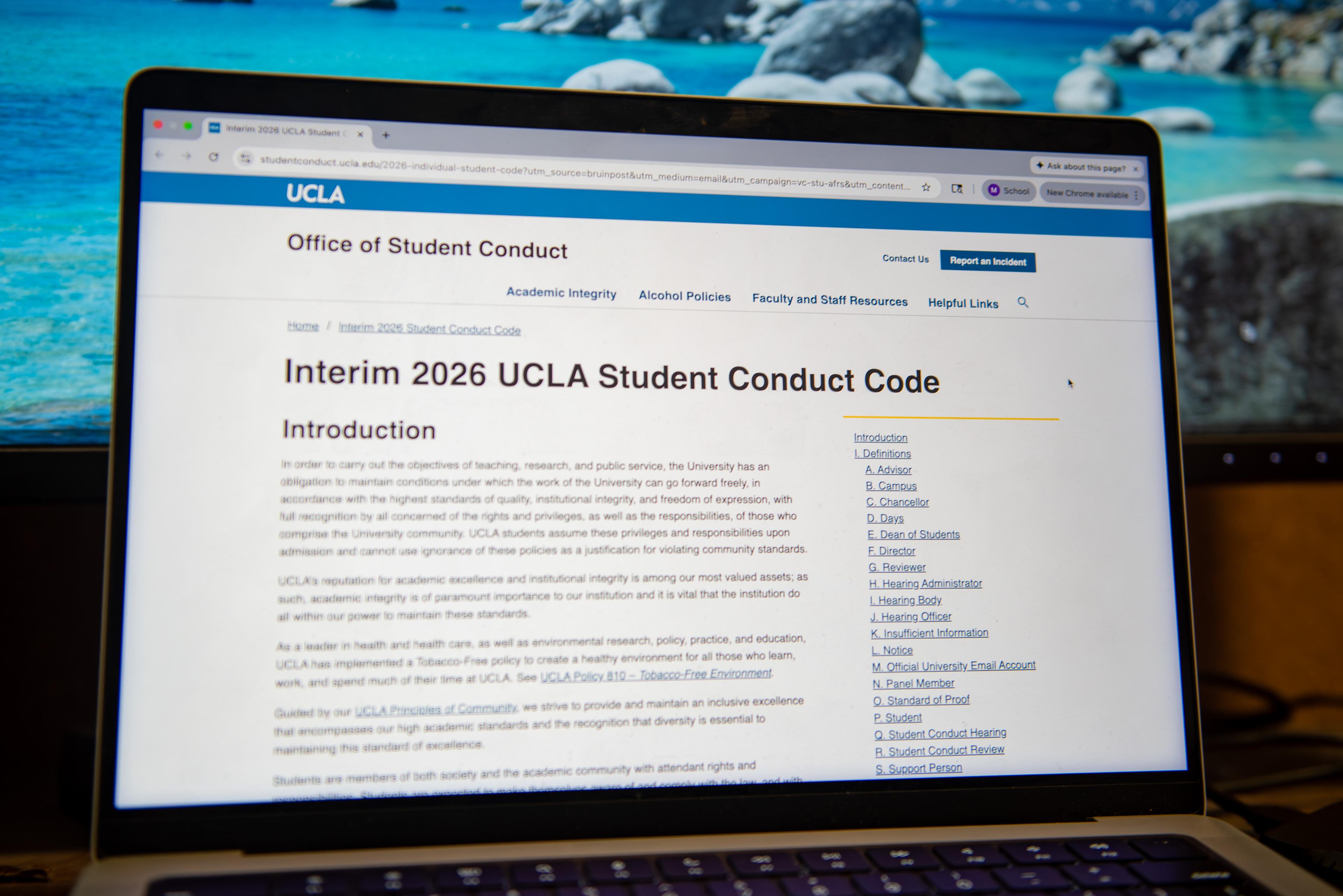
Interim changes to the Student Conduct Code went into effect Jan. 1, according to a universitywide email from Vice Chancellor for Student Affairs Monroe Gorden Jr. and Dean of Students Jasmine JS Rush, and included new terms for assessing the credibility of a student’s testimony, more time to appeal decisions and the removal of the Student Conduct Committee. The code of conduct is formally published by UCLA’s chancellor and outlines campus policies and potential punishments for conduct violations.
After Amed Galo Lopez was charged with several conduct violations following a June 2024 pro-Palestine demonstration, he said he could have been removed from his doctoral program.
Lopez, a history doctoral student, said he completed his written doctoral exams ahead of the hearing to preserve his academic progress in case he was charged with an academic suspension.
The proceedings lasted more than two years, Lopez said, before UCLA ultimately found him not responsible for the alleged violation.
“For a graduate student, … we get kicked out of the program,” Lopez said. “Readmission is not guaranteed, and that happened with a couple of my colleagues.”
[Related: UCLA Student Conduct Code undergoes updates in hearing, timeline, appeal processes]
A spokesperson for the Office of Student Conduct said in an emailed statement that the university is still reviewing campus feedback as it works to finalize its Student Conduct Code.
Dylan Kupsh, a computer science doctoral student, said he was first charged with a conduct violation in August 2024, around two months after he participated in that spring’s Palestine solidarity encampments.
He added that he was banned from campus for nine months, faced multiple suspensions and had his degree withheld as a result of the conduct process. Kupsh filed a lawsuit against UCLA, alleging multiple due process violations and discriminatory policies.
“There needs to be a lot more transparency into the process,” Kupsh said. “Not just to the general public, but to the students themselves.”
Under UCLA’s 2021 Student Conduct Code, hearings took place in the presence of the Student Conduct Committee – a panel of multiple faculty members, staff members, undergraduate students and graduate students appointed by the chancellor.
Under the new code, however, student conduct hearings will take place with one officer, and a committee will only be provided under “exceptional circumstances.”
In both versions of the code, hearings are closed to witnesses and outside spectators.
Lopez said although the panelists in his initial hearing found insufficient evidence to support the charges against him, Rush reopened the case by vetoing the decision laid forth by the panel.
In his second hearing, Lopez said UCPD and Rush attempted to introduce new evidence, even though it was past the 72-hour deadline. After the hearing committee dismissed the charges against him a second time, Rush dropped the case against Lopez, he added.
UCPD did not respond in time to a Tuesday request for comment.
The Undergraduate Students Association Council condemned the Student Conduct Code changes in a Sept. 1 letter sent to university officials, saying it weakens students’ due process rights and gives administrators excessive discretion over sanctions and appeals.
Students may appeal decisions on certain grounds, including if a proposed sanction is disproportionate to the Office of Student Conduct’s findings, the spokesperson said in the statement.
Gabrielle Trujillo, USAC’s internal vice president, said with the interim changes, the conduct process is vague and leaves the deciding power of a case only to the dean of students.
“The dean is given this godly sense of power with no mode of accountability,” Trujillo said. “There is no section that says accountability for the dean, and it’s crazy because the dean can actually retry cases.”
The proceedings can last years, and Galo Lopez and Kupsh said the process affects their academic and personal lives, even after a decision has been made.
“Your life is your friends, your work and your house, and I feel like all my friends were UCLA students basically, and my work was UCLA itself,” Kupsh said. “Those parts of my life were completely separated from me.”
Contributing reports by Nicholas Mouchawar, Campus politics editor.