Relocating for a Tech Job: A Practical Guide to Moving to San Jose

By Classifieds
Sept. 28, 2026 3:24 p.m.
Accepting a job offer in San Jose is the easy part. Figuring out how to actually get there, on a timeline that usually gives new hires two to four weeks, is where most people underestimate what’s involved. Between finding housing in one of the tightest rental markets in the country, coordinating a cross-country or cross-state move, and starting a demanding new job on top of it, the relocation itself can end up being more stressful than the job search that got you the offer in the first place.
This guide walks through the timeline, the costs people tend to miss, and the questions worth asking before you book anything.
Start with the timeline your offer actually gives you
Most tech offers come with a start date, not a moving plan. The gap between the two, typically two to four weeks, goes fast once travel, housing, and logistics all need to happen in parallel. Working backward from the start date tends to produce a more realistic plan than working forward from the offer letter:
- Four or more weeks out: research neighborhoods relative to your office location, and get a moving quote locked in
- Two to three weeks out: finalize housing, whether temporary or permanent, and confirm your move date with a mover
- One week out: handle utility transfers, address changes, and any building-specific move-in paperwork
Compressing this timeline is possible, but it usually means paying more for expedited moving services, temporary housing, or both. If there’s any room to negotiate a slightly later start date to give the move more breathing room, it’s worth asking.
Temporary housing is more common than people expect
Given how competitive San Jose’s rental market can be, a meaningful share of new hires land in short-term corporate housing for the first 30 to 60 days while they search for a permanent place. This isn’t a sign that something went wrong in the planning: even well-prepared candidates often find that the best available units require in-person viewing, which is hard to manage from another state or country before a start date.
If temporary housing is part of your plan, a few things are worth confirming before you commit to a moving date:
- Does the temporary housing option come furnished, or will you need to move your own belongings in twice: once into temporary housing, and again into a permanent place?
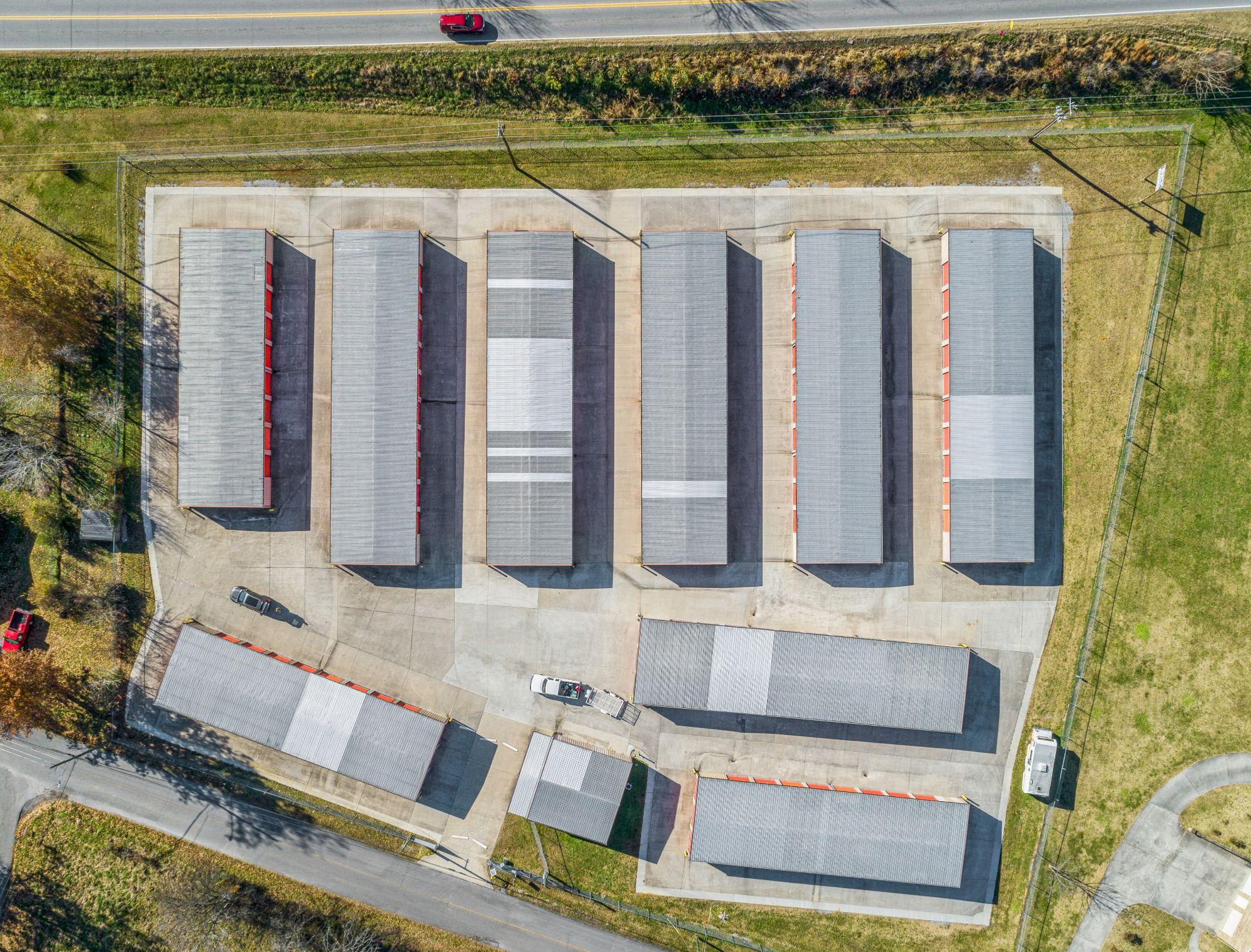
- Does your moving company offer short-term storage between a temporary stay and a permanent address?
- Is there a reasonable radius between the temporary housing and the neighborhoods you’re actually considering, so the eventual second move isn’t a long-distance repeat of the first?
Not all moving companies handle the storage-and-second-move scenario well, and finding out after your belongings are already in transit is the wrong time to learn that.
Budget for costs beyond the mover’s invoice
New hires relocating to Silicon Valley often budget carefully for the move itself and miss the costs that surround it:
- Security deposits that run higher than what’s typical in most other cities, sometimes a full month or two of rent
- Parking permits, if a building doesn’t include one, particularly common downtown and in North San Jose
- The gap period between when a previous lease ends and a new one begins, which can mean paying for temporary housing, storage, or both for a stretch of time that wasn’t part of the original budget
- Application and screening fees, which add up quickly in a competitive market where it’s common to apply to several units before one comes through
None of these costs are unusual on their own, but stacked together they can add a meaningful amount to a relocation budget that only accounted for the moving company’s invoice and a security deposit.
What HR relocation packages typically cover, and don’t
Relocation packages vary widely from one company to the next, ranging from a flat stipend to full-service coordination handled by a dedicated relocation vendor. Before booking anything, it’s worth confirming a few specifics with HR:
- What’s reimbursable, and is there a cap
- Whether receipts are required, and in what format
- Whether the company has a preferred vendor list for moving services
- Whether temporary housing is covered separately from the moving budget, or comes out of the same stipend
- Whether the package covers a house-hunting trip before the move, or only the move itself
If the company doesn’t have a preferred vendor list, a San Jose moving company used to corporate relocations can usually work directly with an HR contact to streamline invoicing, removing one layer of coordination from an already busy timeline.
Choosing a neighborhood without knowing the city yet
One of the harder parts of relocating for a job is picking a neighborhood before you’ve spent any real time in the city. A few practical starting points tend to narrow the search faster than browsing listings at random:
- Commute matters more in San Jose than the mileage suggests: Traffic patterns around the tech corridor and major freeways mean a commute that looks short on a map can run considerably longer during peak hours. It’s worth checking typical drive times at the hours you’d actually be commuting, not just the distance.
- Downtown and North San Jose suit different lifestyles: Downtown tends to draw people who want walkability, restaurants, and a shorter commute into the urban core. North San Jose is closer to many major employers but is more car-dependent and less walkable.
- Established neighborhoods like Willow Glen or Rose Garden offer a more residential feel with older housing stock, generally better suited to people planning to stay longer term rather than searching for a short lease near the office.
None of these are universally right or wrong choices. They’re trade-offs worth understanding before signing a year-long lease sight unseen.
Shipping everything versus starting fresh
Not every relocation makes sense as a full household move, and it’s worth running the numbers before defaulting to shipping everything. A few factors tend to tip the decision one way or the other:
- Distance matters more than most people expect: A move from within California is a very different cost calculation than a move from the East Coast or overseas. Long-distance and cross-country moves can approach, or exceed, the cost of replacing furniture locally once fuel, mileage, and crew time are factored in.
- Furniture quality and sentimental value still tip the scales for a lot of people: A move that looks expensive on paper can still make sense if it’s avoiding the replacement cost of higher-end furniture, or if some items simply aren’t replaceable.
- A partial move is often the most cost-effective middle ground: Shipping select high-value or hard-to-replace items while selling or donating the rest, then furnishing the new place locally, splits the difference for people relocating a long distance on a tight timeline.
Getting a moving quote early, even before the decision is finalized, makes this comparison easier by turning a vague guess into an actual number to weigh against replacement costs.
International hires face an extra layer of timing
For candidates relocating from outside the United States, visa processing timelines add a layer of unpredictability that domestic hires don’t deal with. A start date that assumes visa approval on a specific schedule can slip if processing runs long, which ripples through everything else: the moving date, the temporary housing booking, and the lease start at a permanent place.
A few things help absorb that uncertainty:
- Booking moving and temporary housing with some flexibility built in, rather than locking in dates that assume a best-case visa timeline
- Confirming with HR whether the relocation package accounts for potential delays, and what support is available if a start date needs to shift
- Keeping shipping and moving logistics separate from visa-dependent steps where possible, so a delay in one doesn’t automatically cascade into the other
Relocating with a family changes the math
A single new hire moving alone has very different logistics than someone relocating with a spouse and kids. Families relocating for a tech job in San Jose tend to run into a few additional considerations:
- School enrollment timelines often don’t align neatly with a corporate start date, and some districts require proof of address before enrollment can begin, which can complicate a temporary-housing situation
- A second income or job search for a spouse adds another variable to the neighborhood decision, since commute considerations now apply to two workplaces instead of one
- Household size affects the temporary-housing-versus-permanent-housing decision more heavily, since a family of four living out of a hotel or short-term rental for two months is a very different experience than a single person doing the same
None of this means a family relocation is more difficult to execute well, just that it benefits from a slightly longer planning runway where one is available.
A few things that go smoother with advance planning
A handful of small decisions, made early, tend to prevent most of the last-minute stress that comes with a compressed relocation timeline:
- Booking a moving company as soon as a date is confirmed, since availability tightens considerably during peak hiring seasons in the spring and late summer
- Getting a written inventory or estimate before the move, rather than a rough phone quote, to avoid surprises on move-in day
- Confirming building-specific requirements, such as certificate of insurance or elevator reservations, well before the move date rather than the week of
- Setting up mail forwarding and utility transfers at least a week ahead, so services are active on arrival rather than after a delay
Moving for a job doesn’t have to mean moving blind
Relocating for a new role in San Jose is stressful enough without the logistics catching you off guard. Most of the friction people run into, whether it’s a missed elevator reservation, an underestimated security deposit, or a mismatch between temporary housing and the eventual permanent neighborhood, comes down to planning backward from the start date rather than forward from the offer letter. A little structure around the timeline, the budget, and the neighborhood search tends to solve most of it before it becomes a problem.