How UCLA students are navigating the shift to cashless campus transactions


By Classifieds
June 26, 2026 1:33 p.m.
How UCLA students are navigating the shift to cashless campus transactions
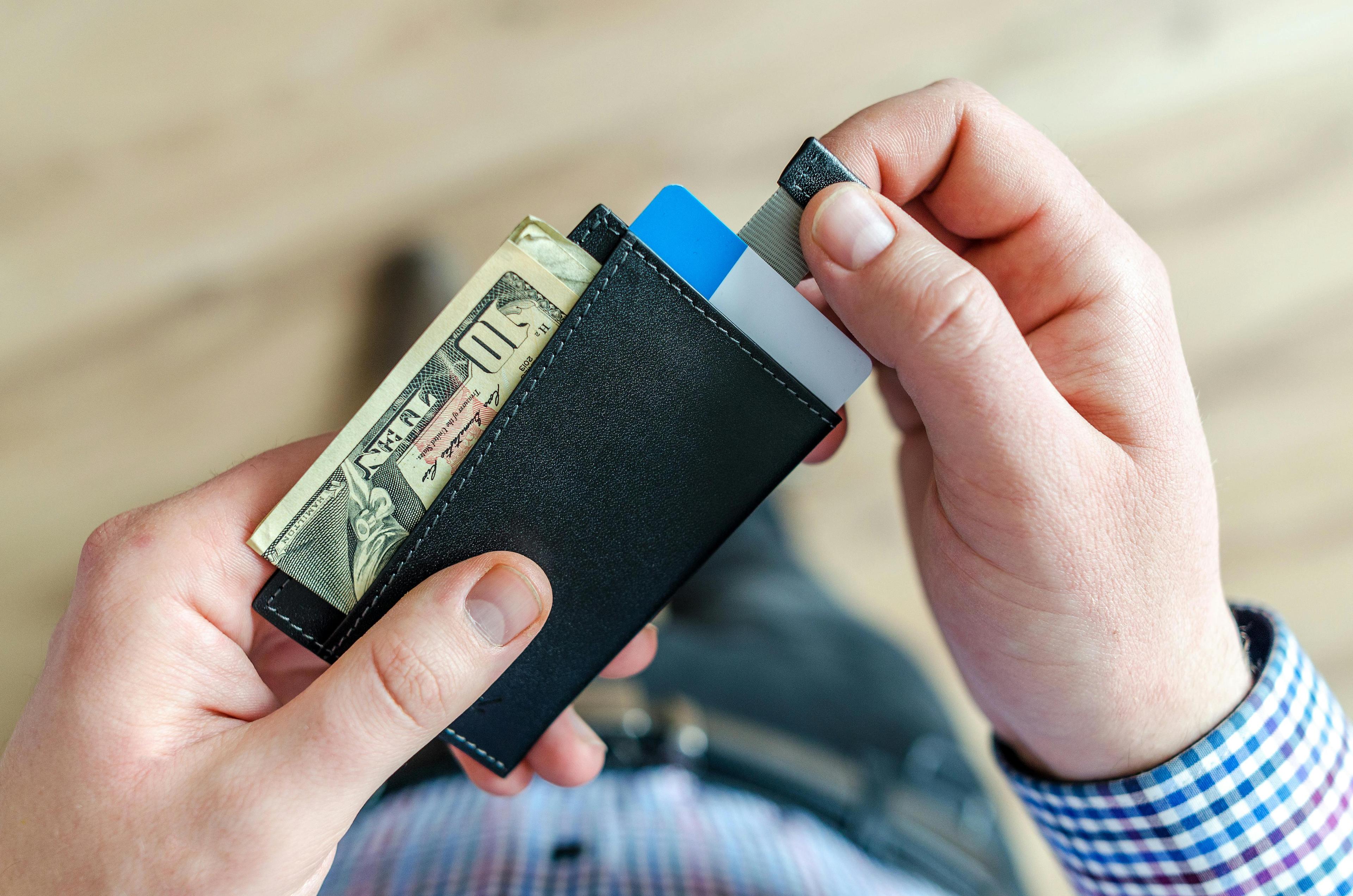
Paying for lunch at Bruin Café or printing a paper in the library used to mean having a few dollars on hand. Not anymore. Starting January 3, 2026, ASUCLA made all of its restaurants and the U.S. Post Office Express in Ackerman Union cashless, accepting only credit and debit cards, mobile wallets like Apple Pay, and campus-specific programs like Bruin Rewards. The shift was partly prompted by the federal discontinuation of pennies, but it also reflects a deeper structural change in how students engage with money on campus.
The practical effect is significant. A BruinCard, a bank card, or a smartphone wallet has become the baseline requirement for participating in most on-campus commerce — from grabbing coffee between classes to attending a sporting event or picking up a textbook. For students already living in app-based ecosystems, the change is largely invisible. For others, it raises real questions.
Bruin Cash and the cashless push
ASUCLA’s cashless rollout is not a pilot program — it’s the stated default. All ASUCLA-operated dining locations now expect payment via card or mobile wallet, and the Bruin Rewards program adds a campus-native layer on top of conventional payment methods. Meal swipes have even been assigned a cash value of $10 at ASUCLA restaurants, allowing students to convert their dining plans into a flexible, quasi-stored-value option rather than paying out of pocket with physical currency.
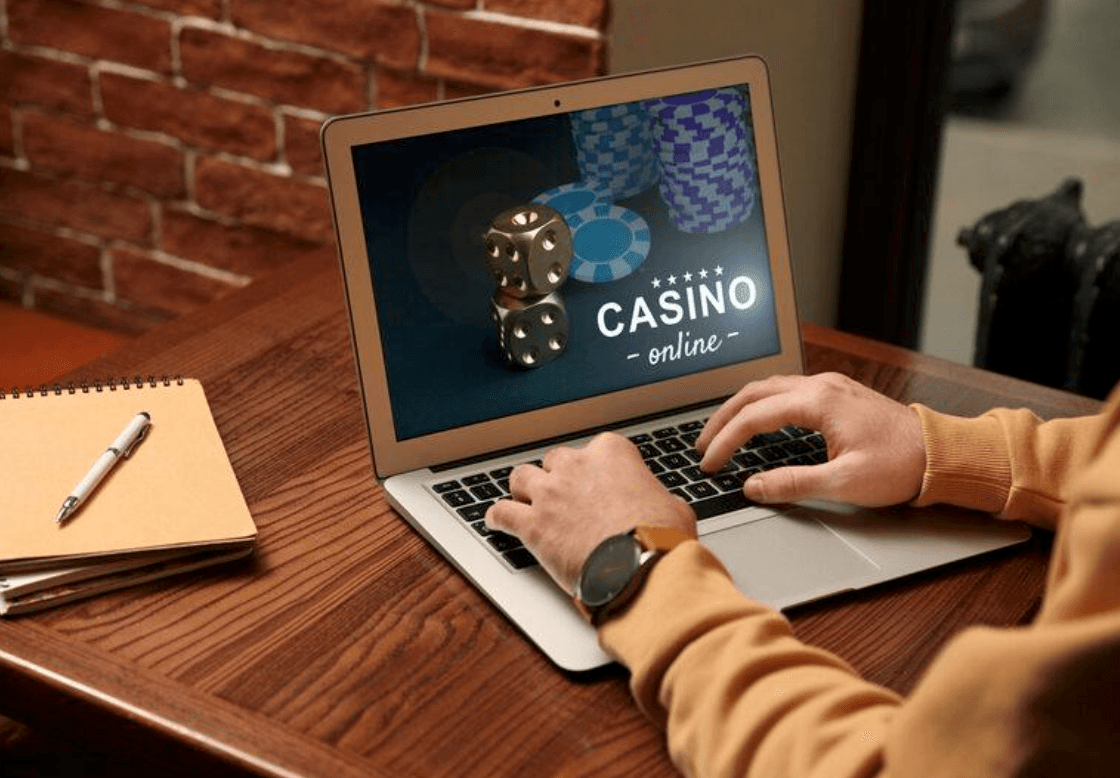
This frictionless model echoes developments across multiple digital industries. In online spaces ranging from e-commerce checkout flows to digital entertainment platforms, the expectation of account-free or app-based transactions is increasingly normalized. It’s even more obvious in travel apps or on fast-paced gaming and iGaming platforms, where time-sensitive offers are more common than regular deals. In these markets, digital wallets and crypto payments are on the rise, especially in online gambling platforms, as crypto enables quick transactions with more security layers, anonymity-wise (source: https://esportsinsider.com/crypto/no-kyc-casinos).
UCLA’s cashless infrastructure is a campus-specific expression of the same broad push toward seamless, low-friction digital payments.
Where students still hit payment walls
Not every student arrives at UCLA with a credit card and a linked mobile wallet. Commuter students, transfer students, and international students who rely on cash from off-campus jobs face a narrowing window of cash-accepting options. ASUCLA has preserved limited cash registers at four UCLA Store locations — Ackerman Union, Hill Top Shop, LuValle Commons, and the Health Sciences Store — but those are explicitly described as exceptions within an otherwise cashless system.
The equity dimension is real and increasingly documented. Financially vulnerable and digitally excluded people risk being left behind when cashless transitions move faster than inclusion efforts. On a campus like UCLA, that can include unbanked students, those without consistent device access, or anyone navigating the U.S. banking system for the first time. Stored-value options like the BruinCard help, but only for students who successfully navigate the account-loading process to begin with.
How anonymous digital transactions work elsewhere
UCLA’s experience is part of a much larger market movement. According to Fortune Business Insights, the global cashless payments market was valued at $139.61 billion in 2024 and is projected to nearly double to $295.08 billion by 2032. That growth is driven by mobile wallets, QR-code payments, and app-embedded transactions — the exact mechanisms students use every day across The Hill and beyond.
What’s particularly relevant for Bruins is how the underlying logic of these systems prioritizes speed and reduced friction over traditional account-based verification. Across e-commerce, food delivery apps, and digital entertainment platforms, design choices consistently favor one-tap or scan-to-pay interactions. UCLA’s WEPA printing stations, BruinCard-linked laundry machines, and cashless dining counters all reflect this same design philosophy at the campus infrastructure level.
What students actually want from campus payments
Convenience is the headline benefit, but students consistently push back when systems feel exclusionary. The ASUCLA cashless campus policy acknowledges this by retaining limited cash registers, but the direction of travel is clear. Most students want fast, reliable payment at every touchpoint — and that increasingly means apps, not wallets.
The bigger ask, particularly among graduate students and those managing tight budgets, is for transparency and control. App-based payments can make spending feel abstract, which creates genuine budgeting challenges when every transaction is a tap rather than a deliberate exchange. The ideal system — from a student perspective — is one that’s fast and frictionless at the point of sale, but also gives clear, accessible spending summaries that help people stay financially aware throughout the quarter. UCLA’s current infrastructure handles the speed side well; the visibility piece remains a work in progress.