4 ways UCLA students are spending free time between finals


By Classifieds
June 26, 2026 1:33 p.m.
4 ways UCLA students are spending free time between finals
The stretch between midterms and finals is one of the most disorienting periods on any college campus. Students need to study hard, but they also need to breathe. At UCLA, Bruins have developed a mix of time-honored habits and newer digital rituals to survive the pressure without burning out entirely.
What does that actually look like in practice? A walk through Westwood, an episode of something on Netflix, a campus crafts session — and for a growing number of students, some form of digital entertainment that goes beyond traditional streaming. Here’s a closer look at how undergrads are spending the windows between exam blocks.
Bruins hit Westwood spots for breaks
UCLA’s Westwood location gives students an unusually accessible pressure valve. A ten-minute walk from central campus puts students on Westwood Boulevard, where coffee shops, cheap eats, and bookstores offer a change of scenery without eating up an entire afternoon. For those with a bit more time, a rideshare to Santa Monica or Venice Beach makes for a restorative half-day escape that students can justify between study sessions.
Campus green spaces serve a similar function without leaving the Hill. The sculpture garden near the Fowler Museum and the quieter paths around Royce Hall are popular spots for a brisk walk or a quiet sit-down. UCLA’s own campus-life communications have long framed outdoor movement as part of a productive academic routine — not a distraction from it.
Streaming and gaming fill dorm downtime
Screens are the default decompression tool for most UCLA undergrads. Whether it’s queuing up a new series, returning to a long-running game, or dropping into a Twitch stream for thirty minutes between problem sets, digital entertainment fits naturally into the fractured schedule of finals season. Short, controllable sessions make streaming and gaming especially appealing when students can’t commit to longer offline activities.
The broader digital entertainment landscape has expanded significantly in recent years, and students increasingly browse a wide range of platforms. Those exploring options like recommended crypto casinos for players can get a clear overview of how crypto-based gaming platforms have developed as a category within online entertainment — one that a subset of digitally native students has started experimenting with during free periods.
Online entertainment platforms draw curious students
Streaming’s dominance in U.S. media consumption helps explain why digital downtime has become so normalized for this generation. According to a Nielsen milestone report, streaming accounted for 44.8% of all U.S. TV viewing in May 2025 — surpassing the combined share of broadcast and cable for the first time. For Gen Z students who grew up with on-demand everything, that figure is hardly surprising.
Gaming and social video occupy a similar space. Students cycle through YouTube, short-form content, and casual mobile games as micro-breaks that feel manageable and low-commitment. The appeal isn’t necessarily entertainment quality — it’s the ability to switch off from academic pressure for fifteen or twenty minutes without disrupting the broader study session.
Campus events offer free stress relief
UCLA makes a point of programming structured breaks during the most intense weeks of the academic calendar. Week 10 and the lead-up to finals typically include movement and meditation sessions, craft workshops, and plaza events organized through the campus events calendar. These give students a sanctioned way to step away from their laptops without feeling like they’re falling behind.
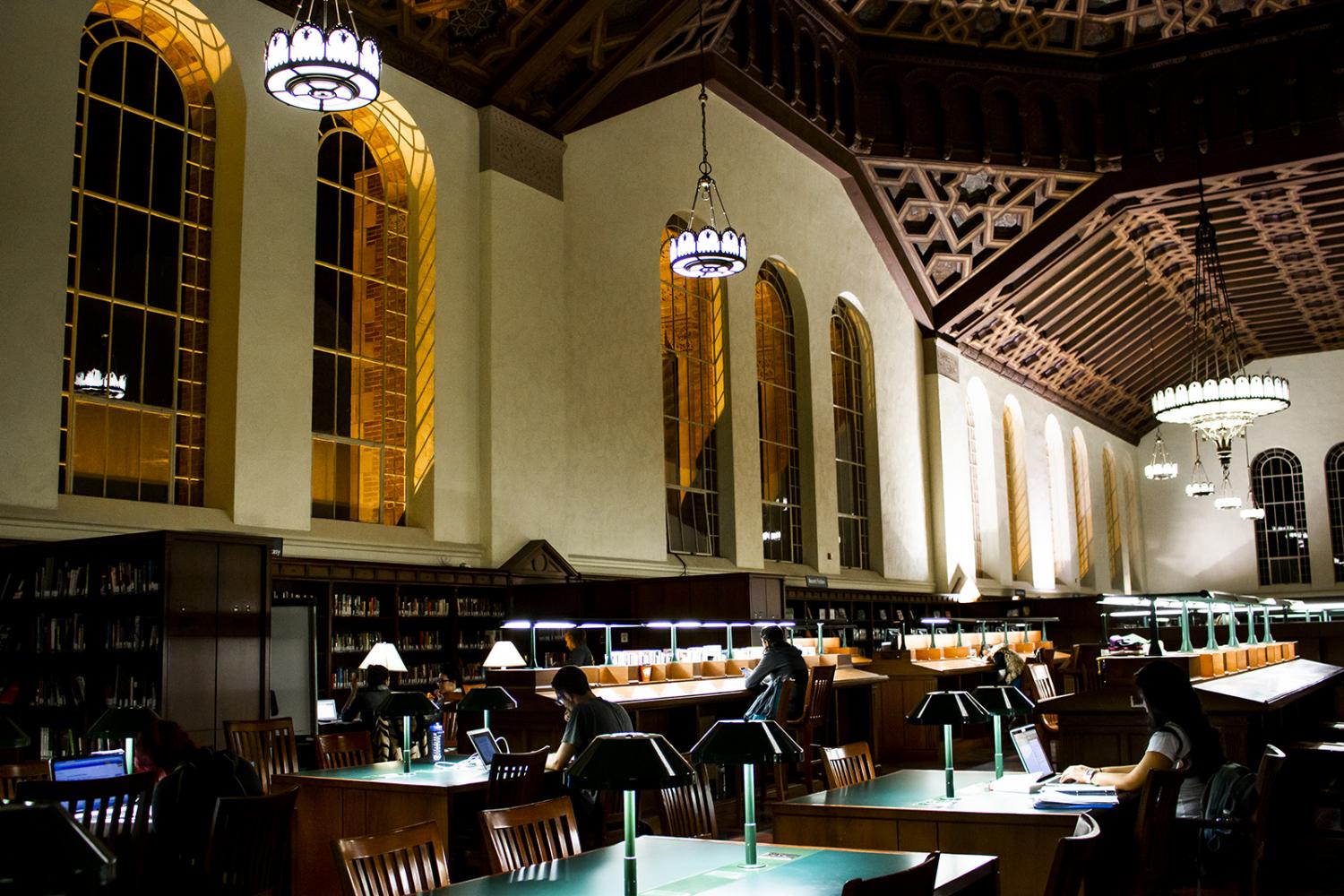
The UCLA Library’s “Stressbusters” program is one of the most visible examples, offering therapy-dog visits and study-break activities inside Powell and Young Research Library. According to research from the Healthy Minds Study, depression and anxiety among college students have declined for three consecutive years — but rates remain significantly elevated compared to the general adult population, which helps explain why UCLA invests so consistently in these campus wellness touchpoints.
How UCLA students actually recharge between exams
The most effective recharging strategies tend to combine physical movement, social interaction, and brief digital escapes rather than leaning entirely on any one approach. Students who step outside, connect with a friend, or attend a campus event often report feeling more focused when they return to their desks. The key is intentionality — using free time purposefully rather than defaulting to passive scrolling for hours.
Academic stress remains a defining feature of college life nationally. A 2024 survey cited by The Hill’s campus mental health coverage found that 37% of students identified academic pressure as the top driver of the mental health challenges facing college campuses. At UCLA, that backdrop makes genuine downtime more than a luxury — it’s an essential part of staying functional through the end of the quarter.