The Cost of a Guarantee: UCLA Housing Rates Rise as 4/2 Plan Expands Access
(Andrew Ramiro Diaz/Photo editor)


This post was updated June 3 at 2:18 p.m.
UCLA has a four-year housing guarantee for undergraduate students, but housing rates have steadily increased since its implementation.
What the 4/2 Guarantee Promised
UCLA announced in March 2022 that incoming first-year students would be guaranteed up to four years of university-owned housing. Incoming transfer students have been guaranteed up to two years since fall 2022.
UCLA has since described this commitment as its “4/2 guarantee,” framing it as an expansion of student access to campus housing. But the guarantee has raised questions about how UCLA Housing manages demand, rates and room arrangements.
A Steady Rise in Dorm Housing Rates
The prices of dorms have increased since UCLA’s implementation of the 4/2 guarantee.
Rates rose steadily from 2022 to 2026 across classic, deluxe, plaza and suite-style dorm options. For example, a classic triple – the cheapest dorm type – rose from $8,267 in 2022 to $9,672 in 2026, while the most expensive room – a plaza single – rose from $16,708 to $19,542, which amounts to about a 17% increase from 2022 to 2026.
UCLA applied the same annual percentage rate increases across room types, a UCLA Housing spokesperson said in an emailed statement. Rates rose by 2.5% in 2022 and 2024 and 4.5% in 2024, 2025 and 2026, the spokesperson added in the statement.
Behind the Scenes
The 4/2 guarantee navigates a challenge: meeting planned capacity and rising costs of running and expanding the system, the spokesperson said in the statement. UCLA Housing raised rates to pay for higher operating costs, upkeep and repairs for older buildings and long-term financial obligations, the spokesperson added.
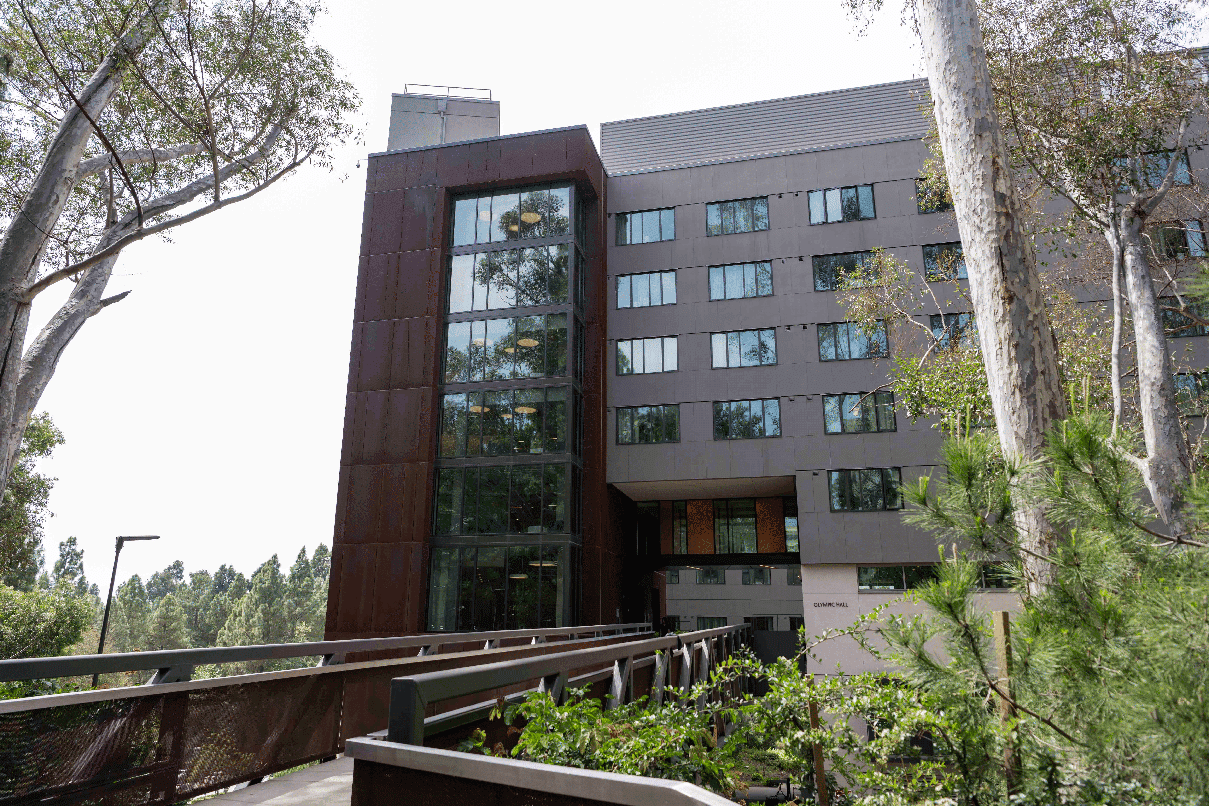
Olympic and Centennial Halls were built in 2021 to support UCLA’s 4/2 commitment, the spokesperson said in the statement. The debt connected to those projects is a component of rising dorm rates, the spokesperson added.
At the same time, labor, utilities, insurance, maintenance, vendor costs and construction-related expenses have increased, with many climbing faster than inflation in recent years, which has contributed to higher housing rates, the spokesperson said in the statement.
UCLA Housing operates on a cost-recovery model, rather than a profit-seeking one, the spokesperson said.
When the Guarantee Met Limited Space
To meet housing demand, UCLA Housing temporarily increased capacity in some parts of its system during the 2025-2026 school year. For instance, Housing converted existing double rooms to triples on the Hill, and some four-bedroom, eight-person apartment units were converted into four-bedroom, 10-person arrangements.
However, the denser apartment setup was temporary and will not be offered for the 2026-27 school year, the spokesperson said.
However, the spokesperson said UCLA Housing left most of its inventory the same.
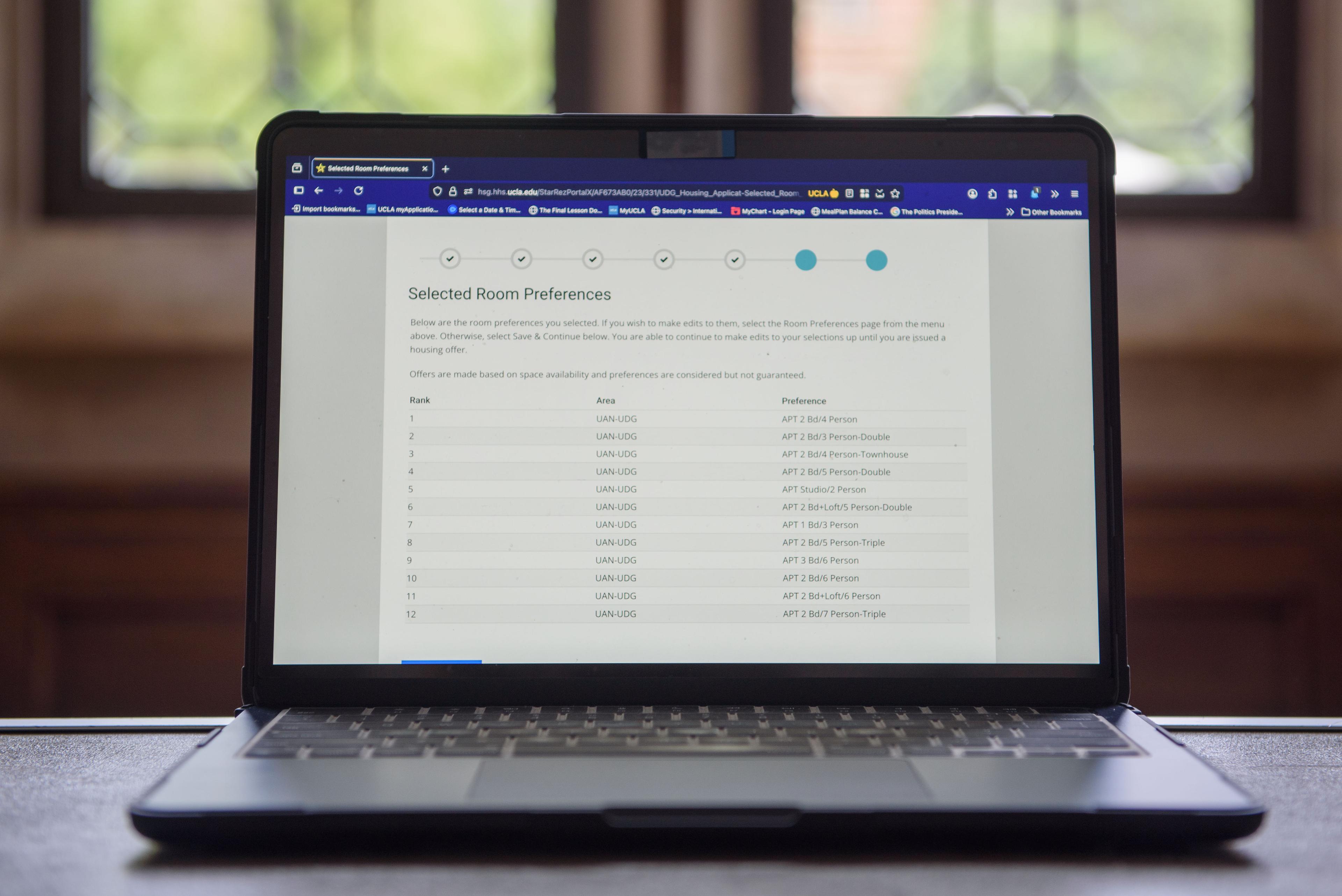
Maxon Li, a second-year biochemistry and computational and systems biology student who currently lives on the Hill, said he chose to live in University Apartments because it offered him the chance to move into a double next year.
Yifei Liu, a second-year computational and systems biology student who currently lives on the Hill, said she is considering renting off-campus housing next year for more privacy and independence.
“I appreciated that UCLA offers guaranteed housing, but I also felt that having a guaranteed option is different from having an ideal option,” Liu said. “A lot of students are forced to balance convenience, affordability and quality of life, and sometimes, the more affordable option is not necessarily the most comfortable one.”
After sending out housing offers for the 2025-26 school year, UCLA Housing opened some space it had previously held back, including doubles and singles, allowed students to request dorm assignment changes and brought back additional doubles and singles on the Hill, the spokesperson said.
The Long-Term Outlook
UCLA Housing hopes to repurpose and build new housing in the future, the spokesperson said.
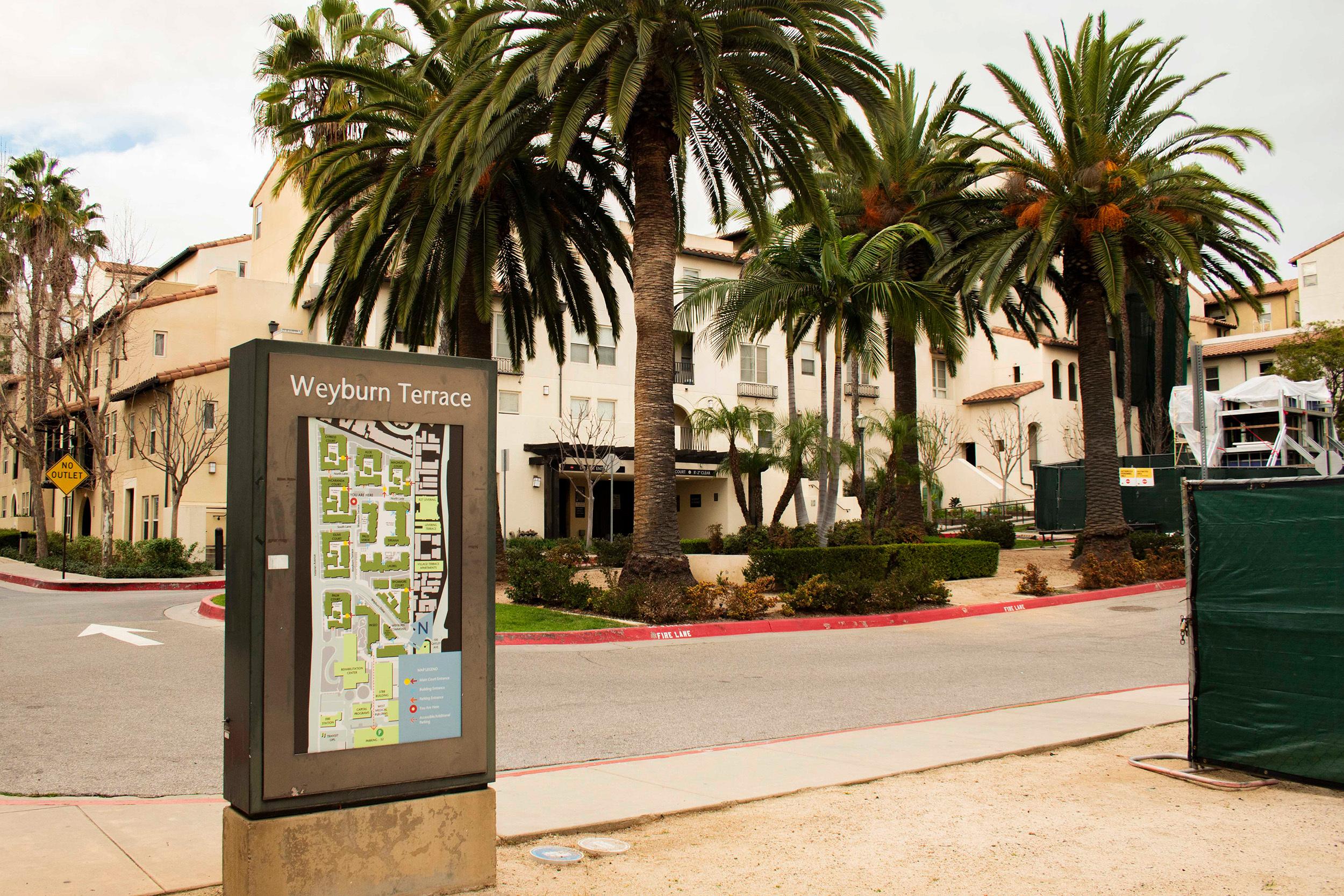
It proposed development of 901 Levering and the opening of Gayley Towers – a new co-living-style undergraduate facility with private sleeping spaces and shared kitchens and amenities. Weyburn Terrace will also be repurposed from graduate to undergraduate housing as a part of a phased strategy to maintain the undergraduate housing guarantee while still preserving graduate housing locations.
For the 2026-27 school year, UCLA Housing’s main focus is on expanding undergraduate apartment inventory, while continuing to balance affordability against rising operating and building costs, the spokesperson said in the statement.