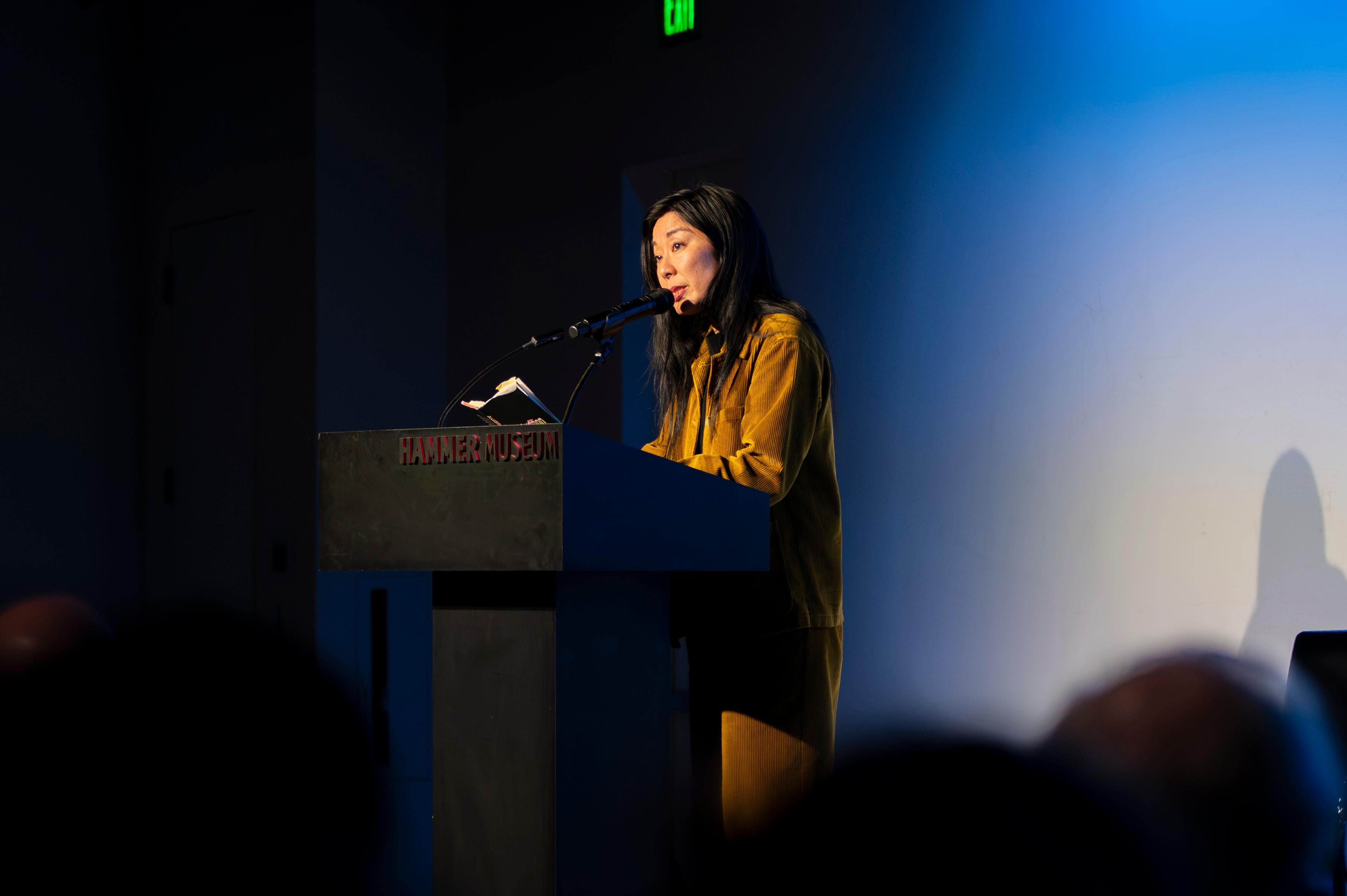
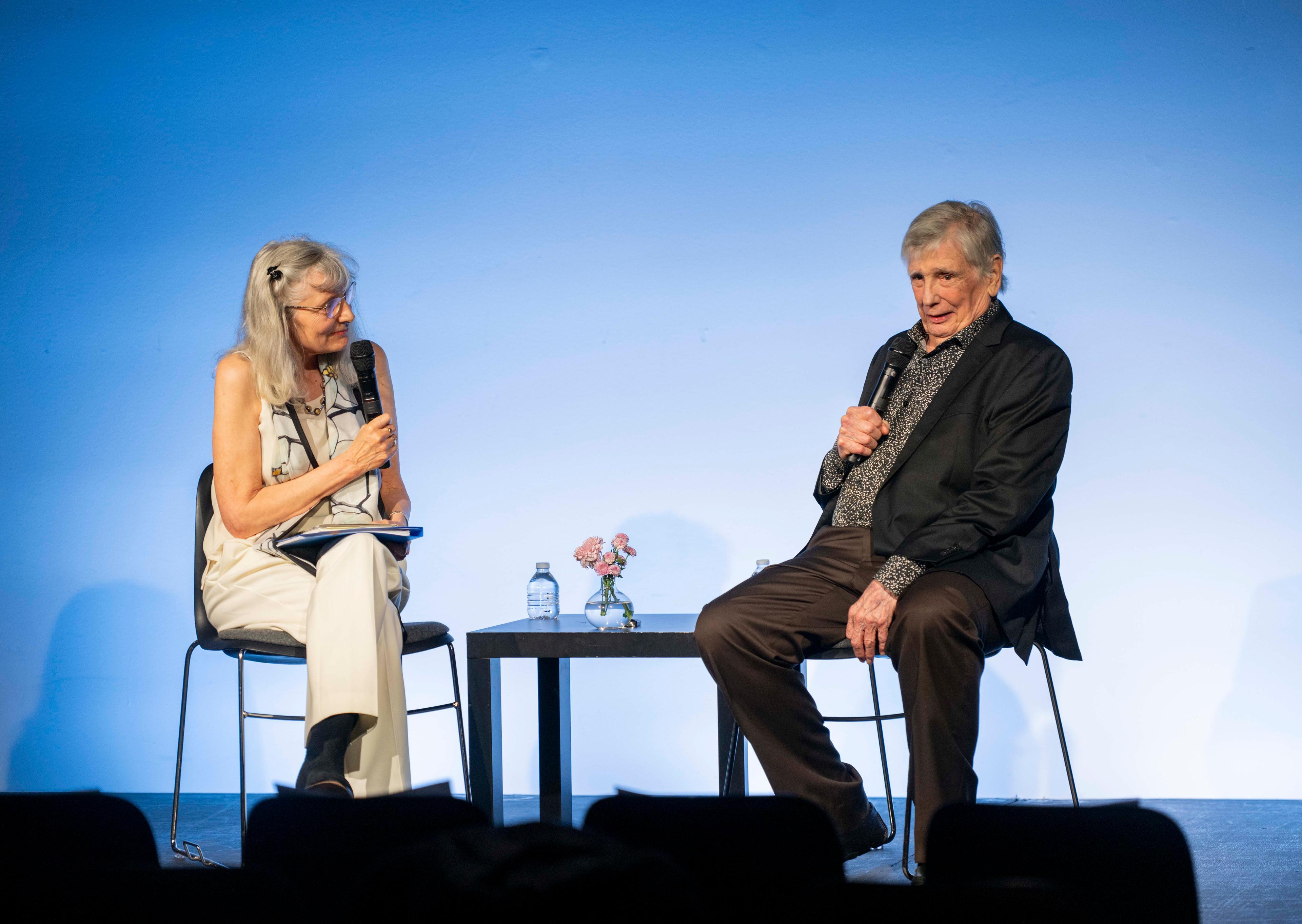
Ocean preservationists dive in to the effects of DDT dumping at Hammer Museum event
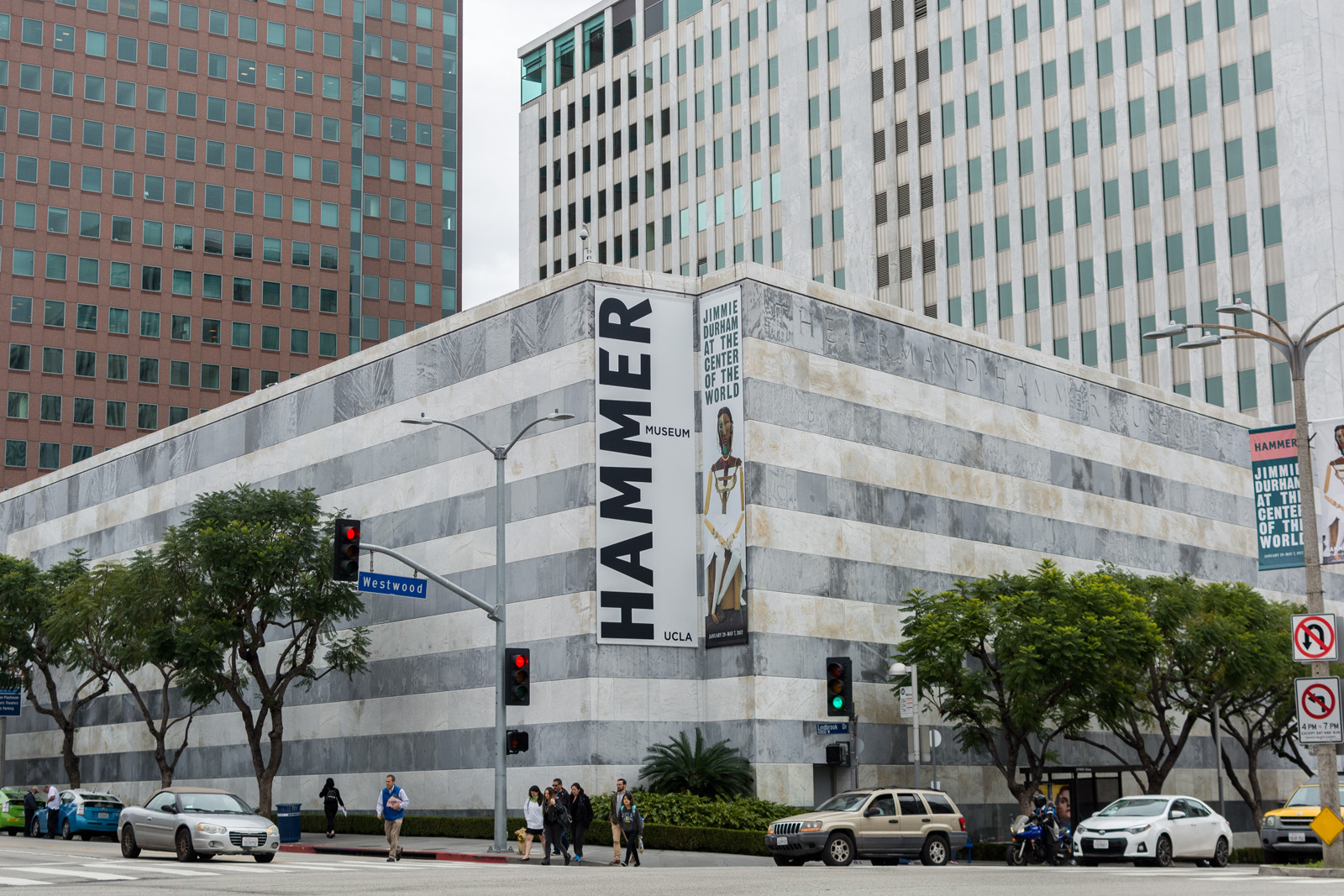
The Hammer Museum at UCLA is pictured. Researchers strove to educate attendees about marine ecosystems and ocean contaminants at an event at the Hammer Museum at UCLA on May 21. (Daily Bruin file photo)

By Donya Hassanshahi
May 29, 2026 2:58 p.m.
Researchers across academic disciplines should work together to address the negative impacts of human interactions with and educate people about marine ecosystems, ocean preservation activists said at a May 21 event.
“The Sea Within Us: Caring for the Deep,” which was co-hosted by the Hammer Museum at UCLA, the Department of Media Arts and the Institute of the Environment and Sustainability, featured nine speakers from UCLA, UC Santa Barbara, UC San Diego, the Pacific Marine Mammal Center, as well as leaders from Native American tribes to discuss their experiences with ocean preservation. The event sought to raise awareness about the negative impacts of DDT, a substance used to kill insects, and waste dumping on marine ecosystems.
The event marked the 75th anniversary of marine biologist Rachel Carson’s book, “The Sea Around Us,” which focuses on the power of the ocean and its impact on Earth and its inhabitants.
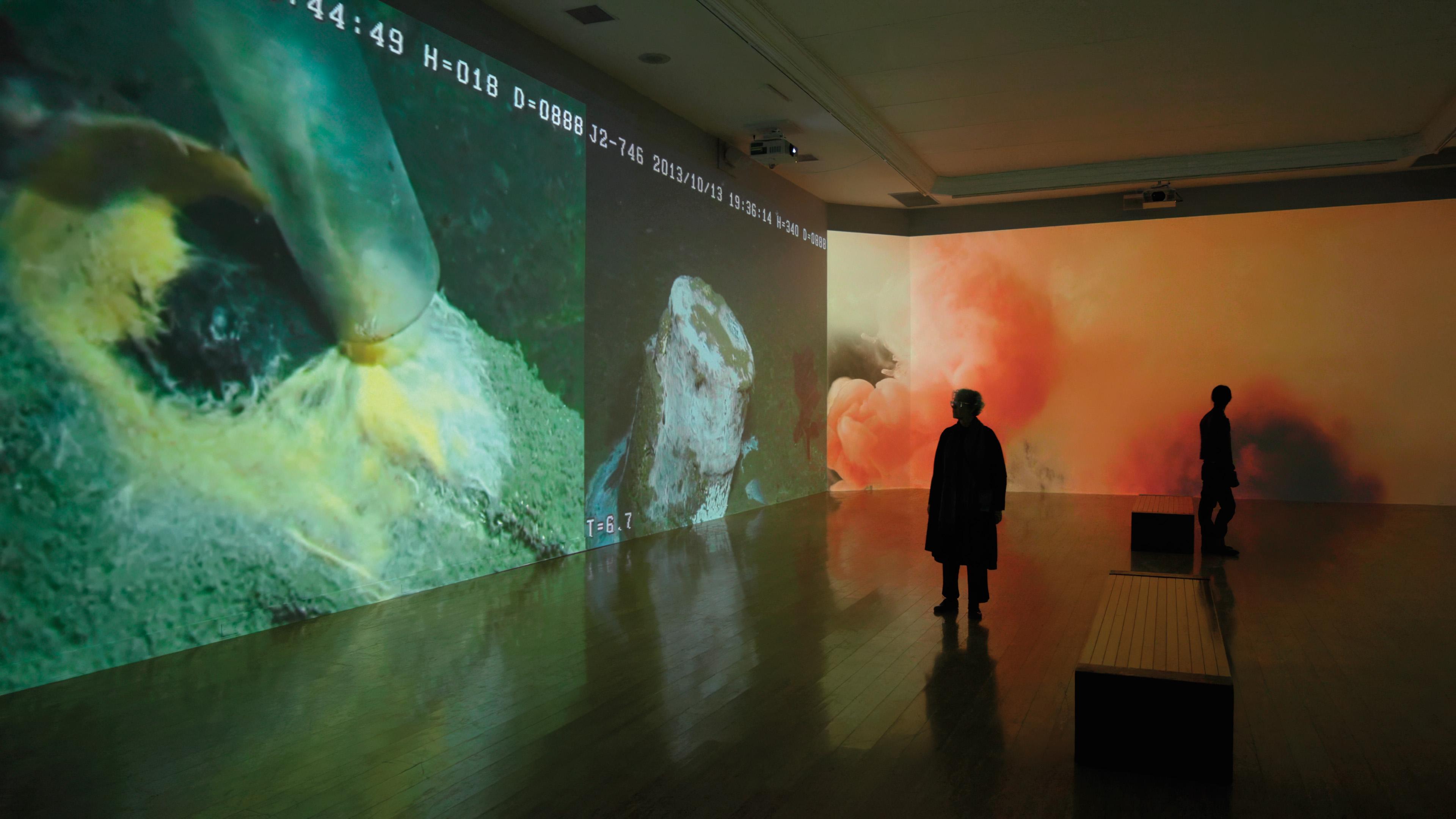
Rebeca Méndez, a professor of design, said her artwork – which focuses on posthumanism, eco-feminism, indigeneity and environmental justice – gives her a platform to spread awareness about the barrels containing the now-banned pesticide DDT, which were thrown off the Southern California coast in the 20th century.
“They are 3,000 feet at the bottom of the sea here, outside of the Palos Verdes area, in front of Catalina Island,” Méndez said. “It’s very important to know that I am able to bring so much of the emotional aspect of it to make you feel something.”
Considering the accessibility of the beach to the Los Angeles community, people should learn more about DDT to advocate for sustainability, she added.
“The more people that know, the more we can actually prevent,” Méndez said. “So we need to be activists. Our voice matters very much.”
Méndez added that author Donna J. Haraway’s 2016 book “Staying with the Trouble: Making Kin in the Chthulucene,” which explores how people can interact with and damage nature, inspired the event.
Méndez said she believes it is important for people in different disciplines to collaborate on ocean preservation efforts.
“Staying with the trouble means not surrendering to it, but no, it means to actually talk to each other – to all the different disciplines, to be able to then work with each other,” Méndez said. “We are intricately interconnected, we can help each other out of this ecological crisis.”
Dar Phan, a fourth-year design media arts student, said she was emotionally affected by what the panelists shared. The event inspired her to further her knowledge of ocean ecology, she added.
Phan also said Haraway’s book influenced her perspective of the marine crisis because she has to face the reality of the problem while being unable to directly change the circumstances.
Yuri Espinosa, a fourth-year design media arts student, said people need to have more conversations regarding humans’ impact on the environment – both within and outside of the ecological field.
“Thinking about human impact on the environment and how every single little thing we do kind of has an impact,” Espinosa said. “Specifically, the ocean and then how the ocean in turn comes back to us. So with DDT, we put that there and it’s reflecting back on the animals. And it’s not like ‘Oh, it’s just affecting them’ – that’s going to come back to us, too.”