Op-Ed: Sage Hill provides students a place to connect with nature, escape stress

By Madeleine Sleeper
May 21, 2026 10:25 a.m.
This post was updated May 31 at 7:34 p.m.
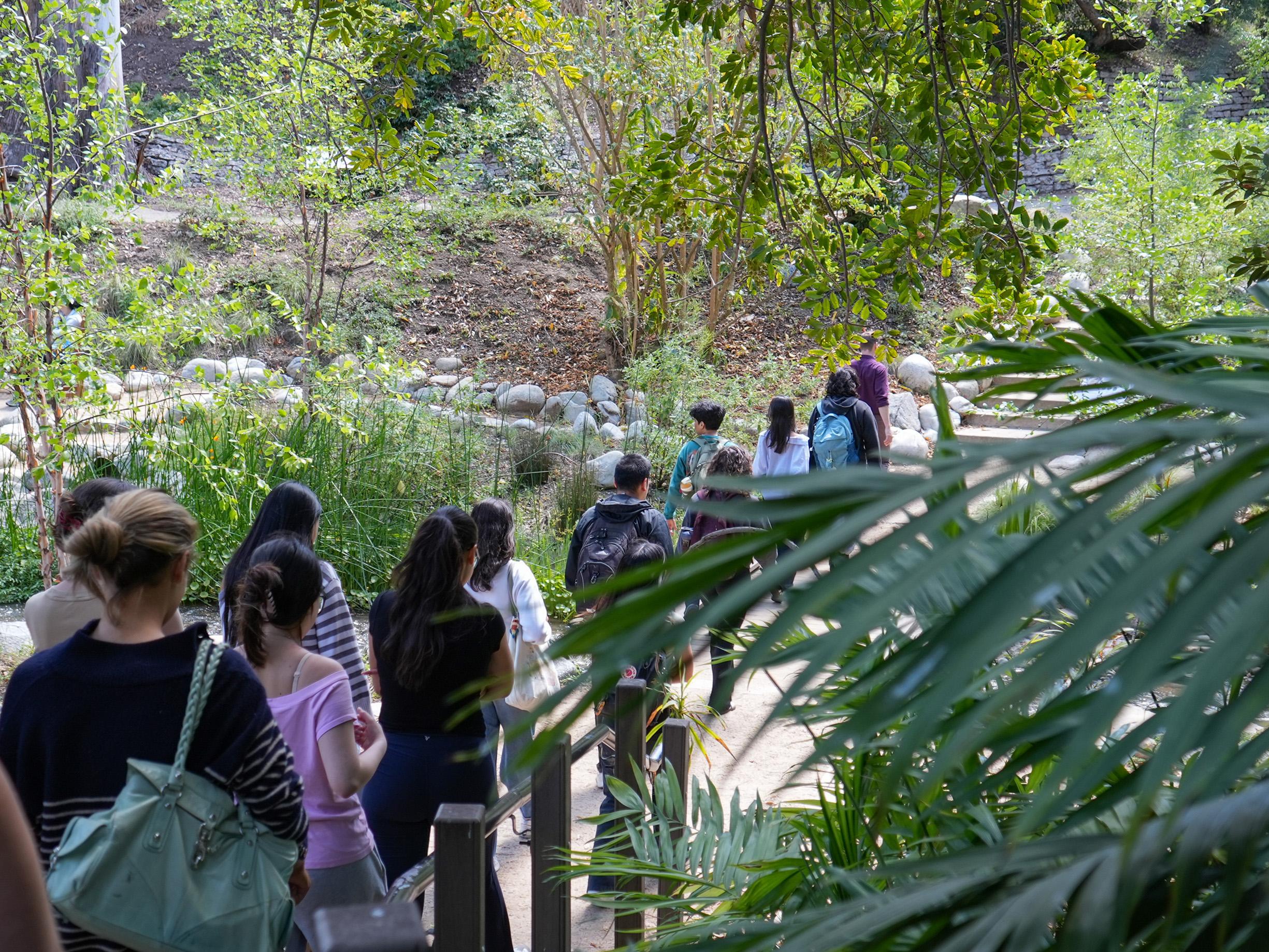
A hidden oasis on the outskirts of campus known as “Narnia” is a popular spot for UCLA students to hang out with friends, take a walk or, much like the name suggests, feel transported to a quiet and magical place away from the bustling bubble of Los Angeles. What many students don’t know is that their enchanted meadow is really a hillside teeming with native plants, unique biodiversity and wildlife habitats.
Sage Hill is UCLA’s best-kept secret. It is a 3.5-acre plot of land in the northwest corner of campus behind the Olympic Hall and Centennial Hall residential dorms, just south of Sunset Boulevard. The site remains one of the last undeveloped patches of native California habitat in West LA.
The hillside represents an opportunity to rebuild what was once lost – wild land belonging to the Tongva peoples, the original caretakers of the LA Basin.
Volunteering at Sage Hill has taught me that the rewilding of the site has been accomplished through the hard work of students with support from the Institute of the Environment and Sustainability. Undergraduates from all fields of study who are committed to sustainability, environmental justice and ecological restoration have been coming together since 2010 to rehabilitate the land.
Every Friday, volunteers weed out invasive species, water plants, sow seeds native to the Westwood region and clean up cigarette butts left by those misusing the space. Since when is environmental degradation cool?
UCLA often makes students feel like small fish in a big pond, but Sage Hill provides them with an outlet to make a genuine, tangible difference on campus that is outside of academia. The hillside can provide students with a break from a competitive atmosphere – where imposter syndrome and struggles with perfectionism seem to fade away.
These volunteers are a community working toward not only regenerating the site, but also cultivating a spirit of environmental stewardship among the student body. Their key plans involve working with local tribal members to integrate traditional ecological knowledge into their work and establishing on-site, land-based recognition.
So, where does Sage Hill go from here? The restoration of the site is still in its early stages and could benefit from more volunteers dedicated to preserving the existing vegetation and improving wildlife habitats.
Campus clubs and organizations can also make their way out there to hold meetings in a scenic site rather than in dark, brooding classrooms or basements. Andy Kleinhesselink – the managing director of Sage Hill – and the Institute of Environment and Sustainability are working towards funding a bench restoration project that will allow for increased community engagement and opportunities for students to sit and enjoy the great outdoors. They also hope to put up a website to remind visitors that they are walking through land full of native biodiversity to help prevent littering and other misuse of the space.
Students should make an effort to visit and volunteer at Sage Hill.
The hectic quarter schedule at UCLA often makes students feel like we need to disassociate from academics and “touch grass,” as many say online.
At Sage Hill, you can.
Madeleine Sleeper is a second-year public affairs student.