Op-ed: ‘Hands off Iran’ slogan, movement must include diaspora, all Iranian perspectives

By Jaden Penhaskashi
May 4, 2026 7:39 p.m.
This post was updated May 17 at 8:53 p.m.
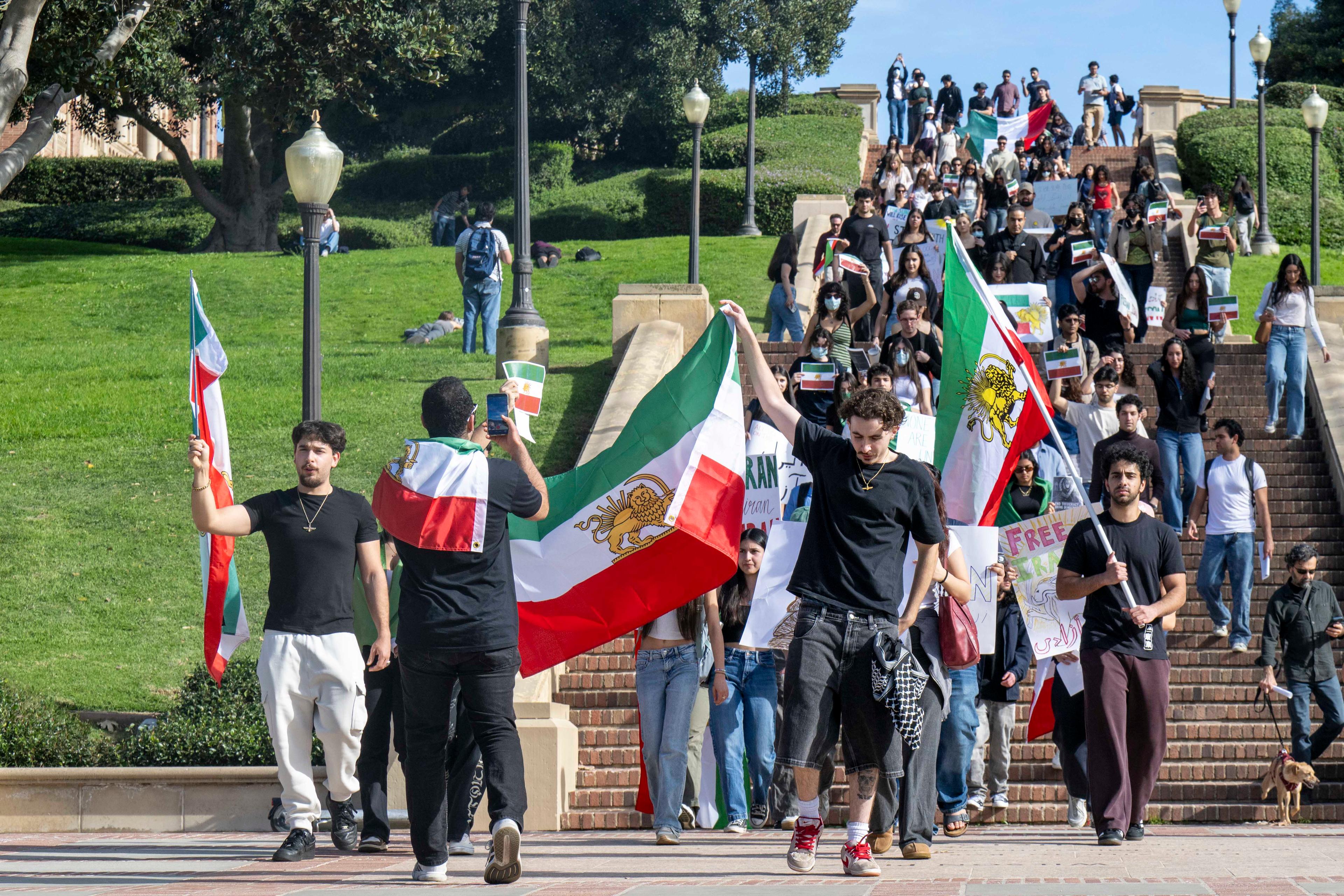
At first, the chant of “Hands off Iran” echoing through Bruin Walk sounds right. It feels like a call to avoid repeating the political interventions that have caused so much harm in the past. Yet the slogan ignores a reality that carries much more weight – one that students such as us in UCLA’s Persian Community at Hillel have been living with our entire lives.
As Persian Jews, our families lived in Iran for thousands of years.
It was home.
Fleeing was not something families planned for. The Iranian Revolution and government overthrow sparked the seizure of Jewish businesses and arrest of community leaders – stability disappeared overnight. When Habib Elghanian – one of the most prominent Jewish community leaders in the country – was executed by firing squad in 1979, our grandparents did not wait to see what came next.
They packed what they could and left behind family heirlooms, communities and a country that had been home for generations. Close to 90% of Iran’s Jewish population was displaced, and only a few thousand remain today.
Our relatives who stayed became second-class citizens. They had limited political representation, were subject to increased surveillance and had unequal treatment under the law as a religious minority.
And the current oppression under the same regime in Iran is a continuation of what forced our families out.
That history shapes how we hear this slogan today. While to some, “Hands Off Iran” raises questions about foreign involvement, to us, it is the call to turn a blind eye to the reality on the streets of Iran.
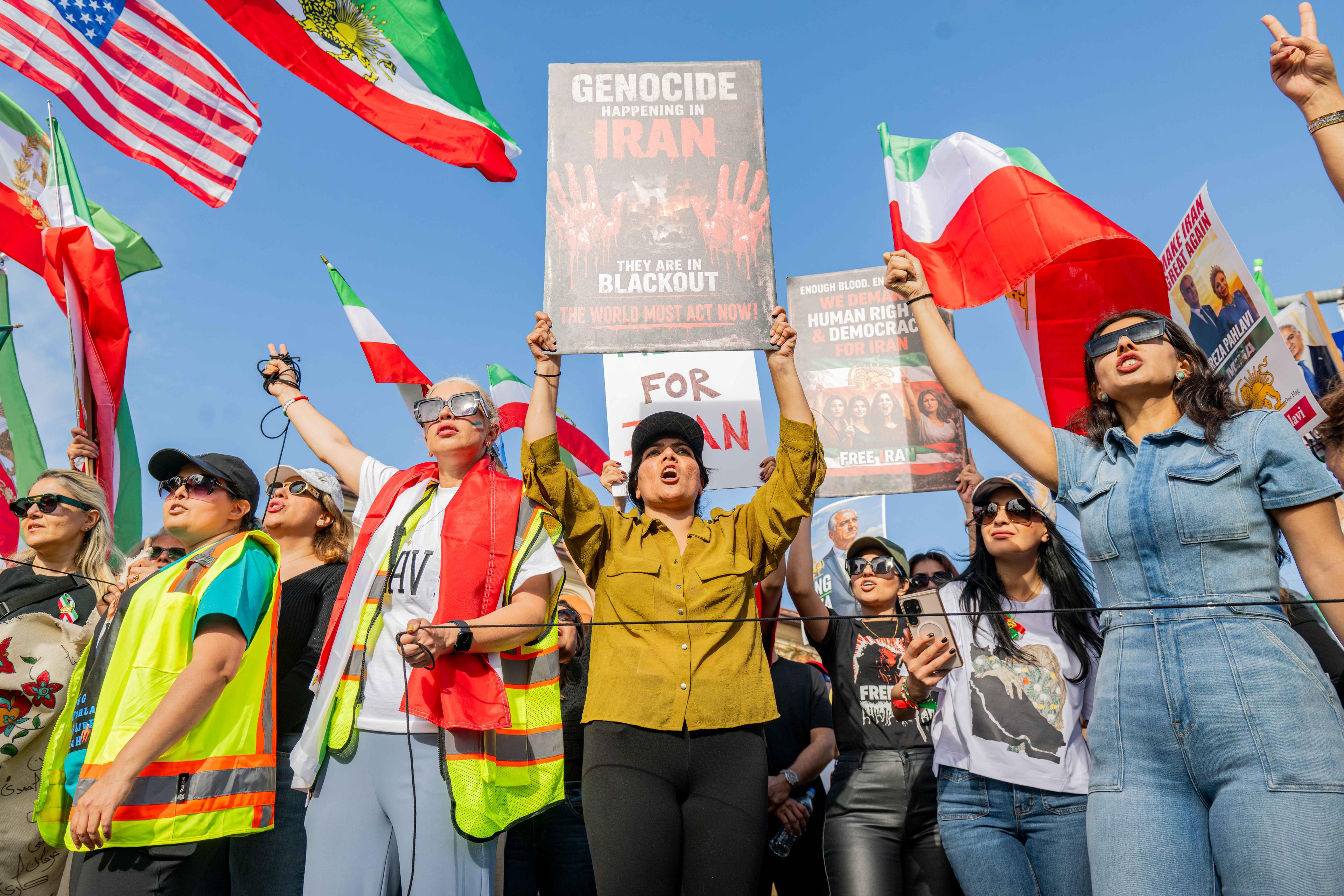
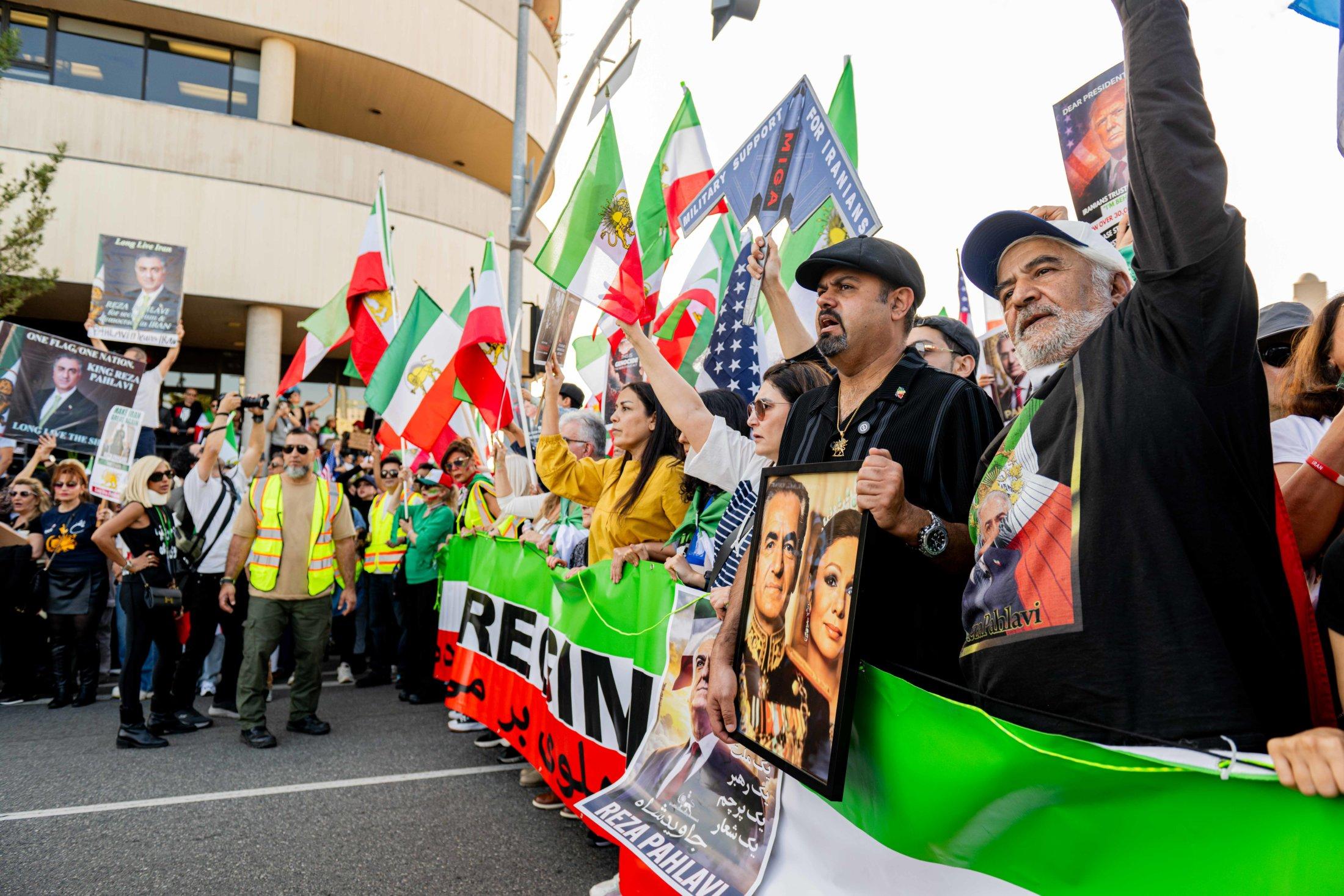
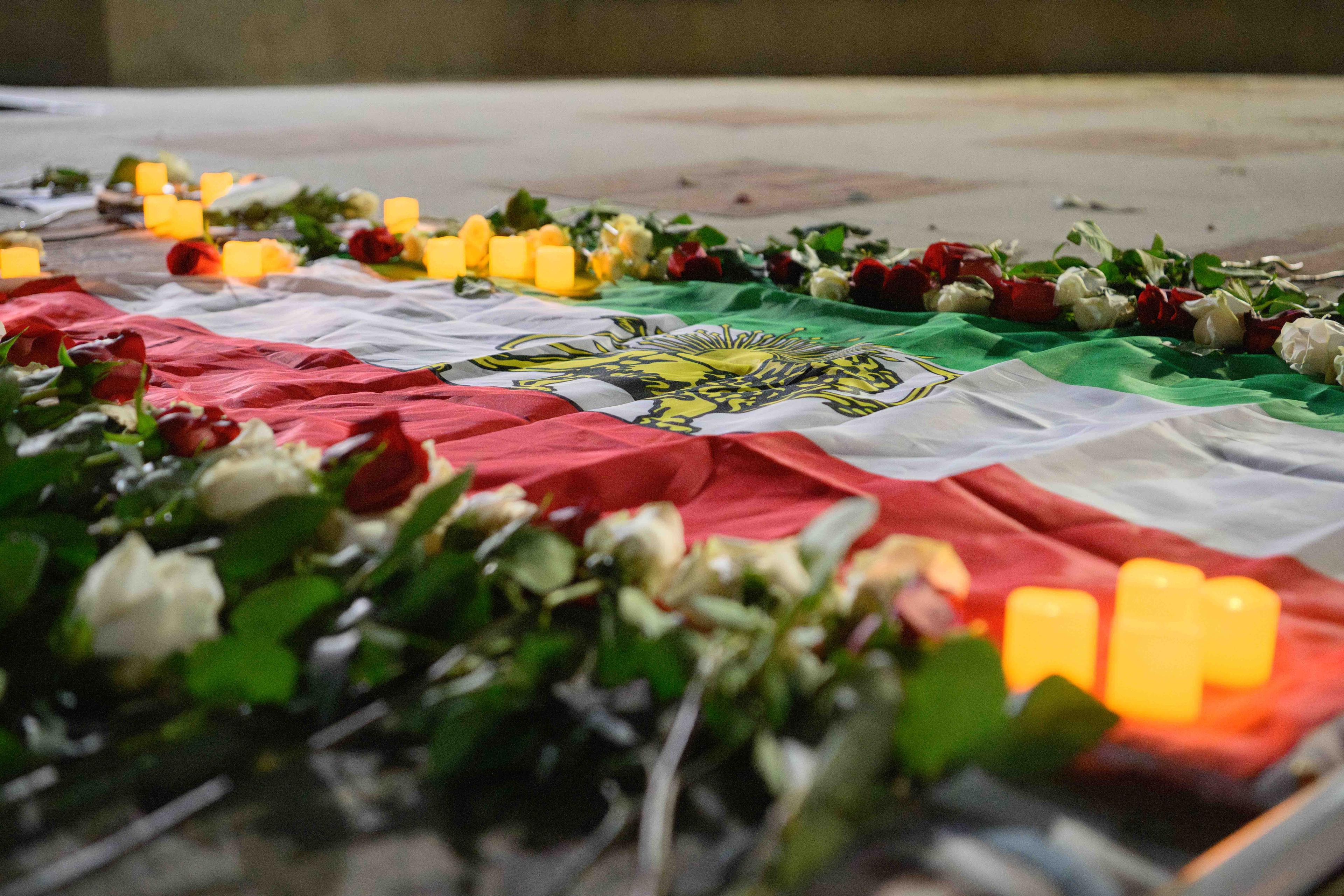
Unlike at UCLA, where students are able to gather and express their views, even basic forms of expression can carry severe consequences in Iran. Women have been detained and beaten for violating dress codes, LGBTQ+ individuals have been hanged by crane in public executions meant to instill fear and innocent children have died in the street during violent crackdowns on protests. Estimates of those killed during the government’s response to protests have exceeded 30,000.
While UCLA students protest freely from a position of privilege, our community lives in a reality where that freedom does not exist.
As a member of UCLA’s Persian-Jewish community, that disconnect is personal. Westwood is called “Tehrangeles” for a reason. My grandmother lived here for decades speaking only Farsi. My aunts still make my favorite khoresht (Persian stew) and tahdig (crispy rice) every Friday night. We remain deeply connected to Iran, both culturally and ethnically. It is constantly present in our lives even though it is a place we cannot return to.
The conditions that forced our families out have not disappeared. They are still shaping lives inside Iran right now. We are the living proof of what happens when a regime operates without accountability to its own people. Another generation of Iranians are growing up under the same system, and some of them will face the same impossible choice our families did.
If “Hands off Iran” is a genuine effort to stand with Iranians, it has to reflect more than one idea at once. One must acknowledge the reality of what people inside Iran are facing. You can oppose harm from the outside without ignoring the violence and oppression carried out by the regime from within. Rather than strengthen the message, excluding a perspective makes the message incomplete.
At UCLA, in the heart of Westwood, where one of the largest Iranian diasporas in the world has rebuilt its life, that perspective is sitting right next to you – in your classrooms and communities.
Reducing Iran to three words does not just miss the point. It replaces those students’ lived experiences with something easier to repeat. If this movement is meant to stand with Iranians, it must include them, even when it complicates the message.
Jaden Penhaskashi is a fourth-year computational and systems biology student and a vice president of the Persian Community at Hillel at UCLA.