Letter to the editor: In dark moments, choose laughter

By Spencer Williams
May 4, 2026 2:11 p.m.
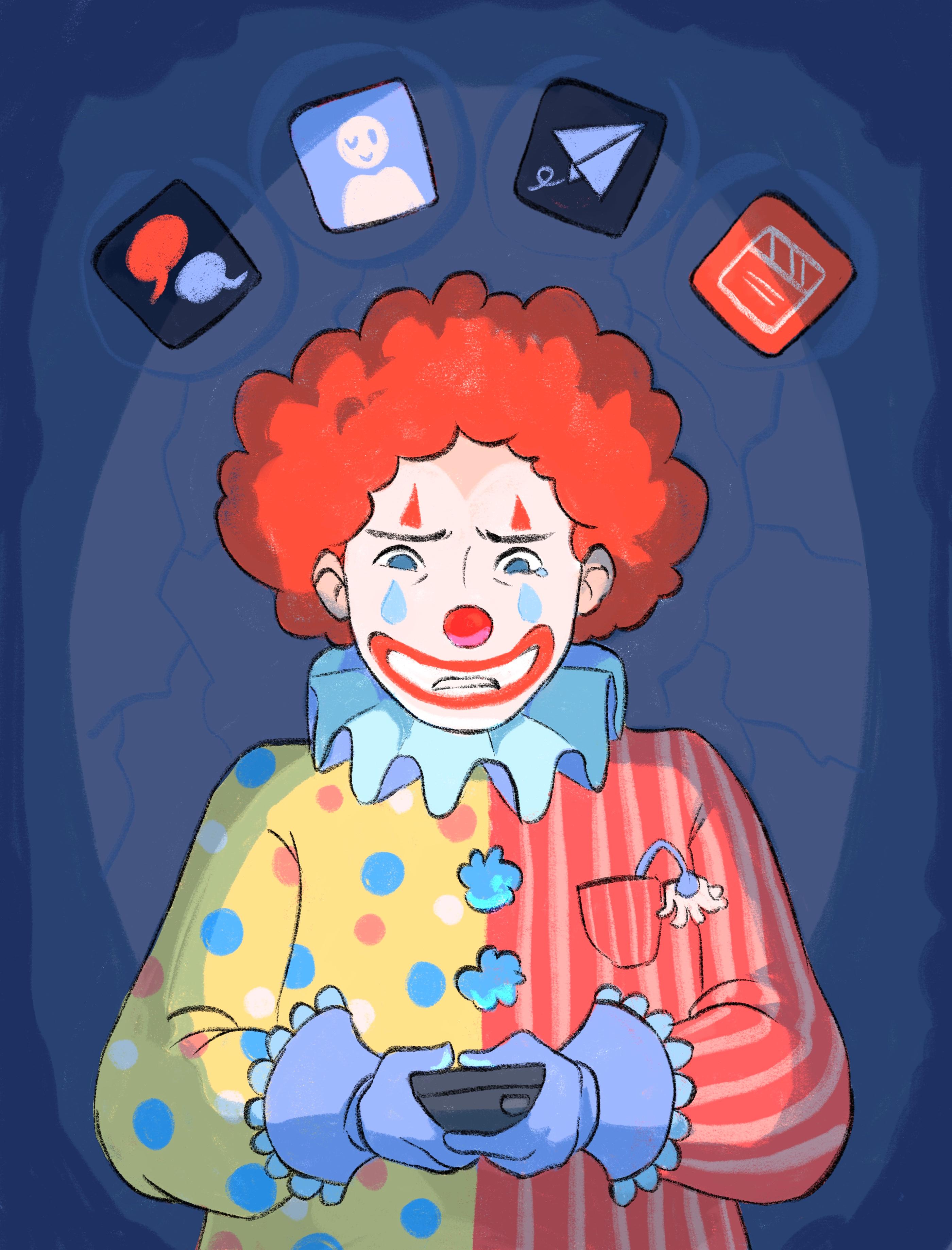
I’m writing in response to Janice Lee’s column, “Opinion: Amid normalization of dark humor, Bruins must choose empathy over entertainment.” She argues against consuming dark humor because we need to have more compassion for others.
However, I argue that what makes us human is our ability to cope with tragedy through humor and call attention to horrors by mocking them.
As 18th-century English author Horace Walpole wrote, “This world is a comedy to those that think, a tragedy to those that feel.”
Dark humor isn’t some recent internet phenomenon, it has a long and noble history. In “A Modest Proposal” in 1729, Jonathan Swift brought attention to Irish poverty by suggesting the poor sell their children to the rich as food. Readers weren’t laughing at the plight of the poor, they were shown the callousness of those who perpetuated it.
A more recent example is Kurt Vonnegut, who survived being firebombed as a World War II prisoner of war and wrote moving but comedic books like “Slaughterhouse-Five” about his experience. Rather than having a negative effect on the youth of his day, his dark comedy made him a leader in the 1960s anti-war movement, influencing a generation to oppose the senselessness of war.
Laughter, often a common response to dark humor, also provides well-documented health benefits to our mind and body. It reduces stress hormones and elevates beta-endorphins, among many other benefits.
Being able to find humor in the darkest moments helps keep us sane and healthy, instead of wallowing in misery. It is also an effective tool against those who cause suffering – dark humor mocks those kinds of people and rallies communities against them.
So my advice is to seek out dark humor, write dark humor and enjoy dark humor.
It doesn’t lessen our empathy, it shows our resilient spirit. When faced with tragedy, I would much rather laugh than cry.
Spencer Williams is a former Los Angeles resident.