Op-ed: 2028 LA Olympics must prioritize sustainability to be truly golden

By Amelie Le Prevost
April 27, 2026 3:41 p.m.
This post was updated May 3 at 7:26 p.m.
With April well under way, Los Angeles is in the midst of a season of dual significance.
Globally, April marks Earth Month. Here in LA, April also marks the first release of tickets for the upcoming 2028 Olympics. With tickets officially on sale this month, the Games are no longer a distant concept – they are an impending mega-event that could transform our city and campus.
In 2028, our campus will serve as the Olympic Village, transforming our dorms and dining halls into the home base for the world’s most elite athletes. As with any big event, we know this influx of people can lead to massive amounts of waste. According to the California Public Interest Research Group, the 2016 Rio Games, for example, created more than 6,000 metric tons of trash – the equivalent of 165 fully loaded semitrailer trucks.
As we secure our seats in the stands, we should also work to secure critical changes on campus that will prevent this waste. If the International Olympic Committee and the 2028 LA Olympics do not pivot their waste strategy now, our city risks being left with a legacy of detrimental plastic pollution rather than a gold medal for sustainability.
The 2024 Paris Olympics set a high bar. By implementing a reuse system and deploying widespread drinking fountains and reusable cup programs, organizers slashed single-use plastic bottle consumption by 70% compared to the 2012 London Olympics. Paris proved large events do not have to result in mountains of trash.
Unfortunately, subsequent efforts have faltered. During the recent Winter Games, organizers leaned heavily on rPET bottles made from recycled plastic. While rPET is marketed as a green alternative, recycling is an energy-intensive industrial process that does not eliminate waste. Instead, it merely delays it.
If the LA Olympics follows this path, the consequences will be visible in our streets, our campus and our oceans.
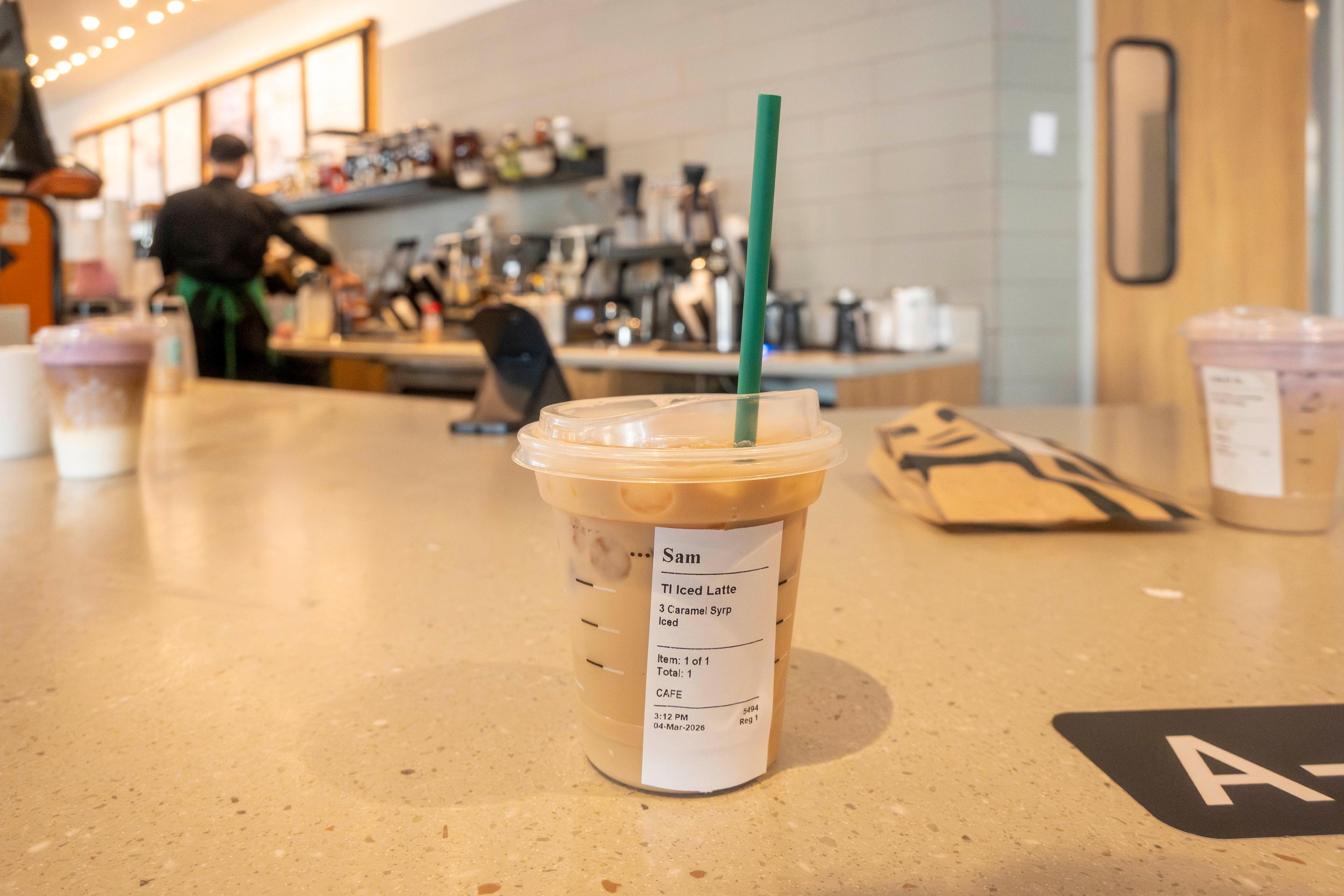
The goal for the LA Olympics should be simple and absolute: swap single-use cups, food containers and plastic bottles for reusable alternatives that are cleaned and reused instead of thrown away. Nothing we use for a few minutes should pollute our environment for hundreds of years.
As Bruins, our campus will be at the center of the 2028 Games. During past games, 40,000 meals were served a day. We must demand that all 40,000 of these meals are using reusables, not single-use plastics.
UCLA already has reusables in ASUCLA dining locations, but our efforts are still far from complete. As students, we have the power to call for change. We must call for the IOC and 2028 Olympics organizers to commit to eliminating the need for single-use plastics entirely.
It is time to ensure the LA legacy is one of environmental sustainability, not plastic pollution. We should not have to choose between world-class athletics and a healthy planet. Signing the Make the LA Olympics Plastic-Free petition is a perfect example of how we can call on the IOC to reduce waste on our campus and across LA.
Amélie Le Prevost is a second-year marine biology student.