Armenian Students’ Association remembers Armenian Genocide on 111th anniversary
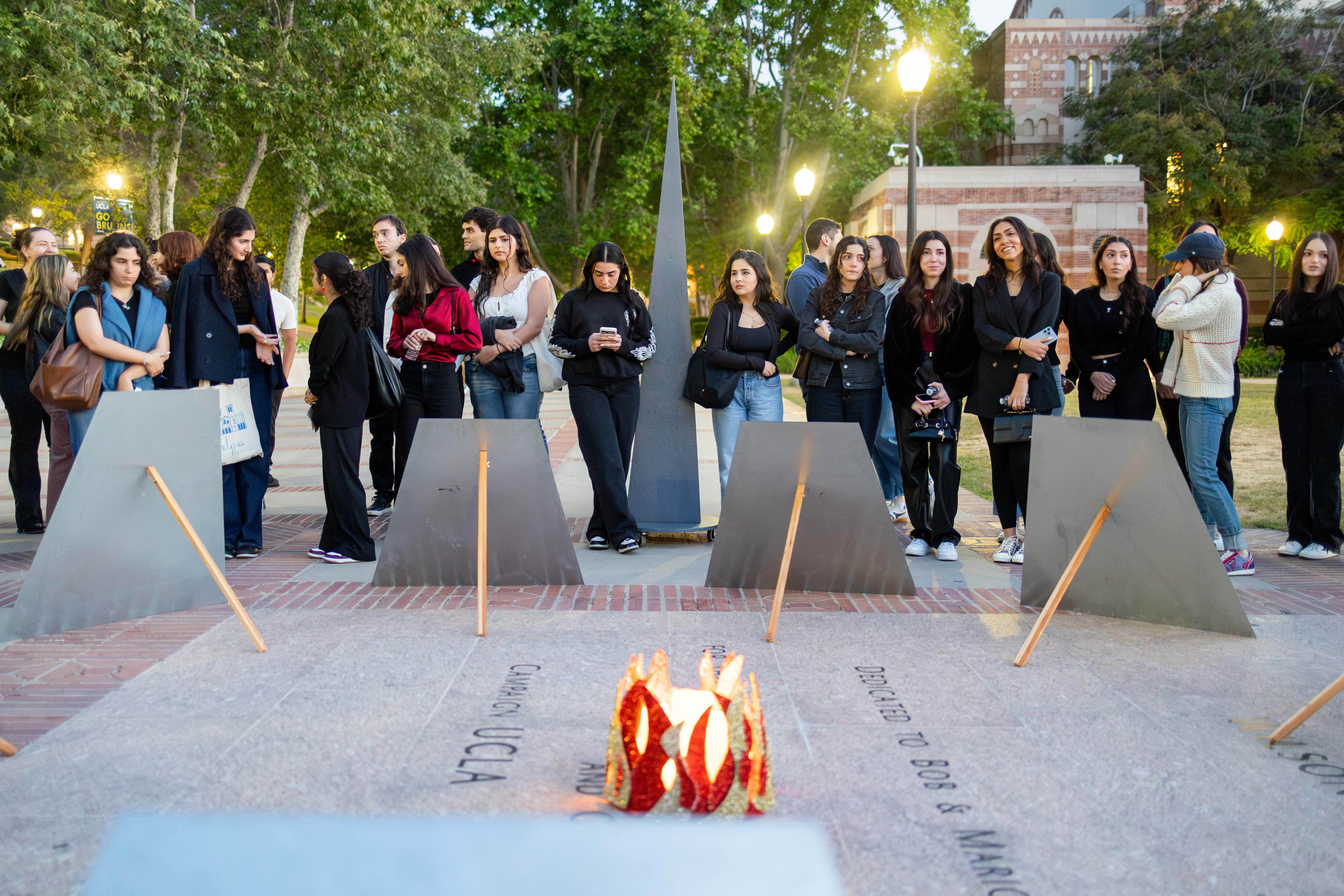
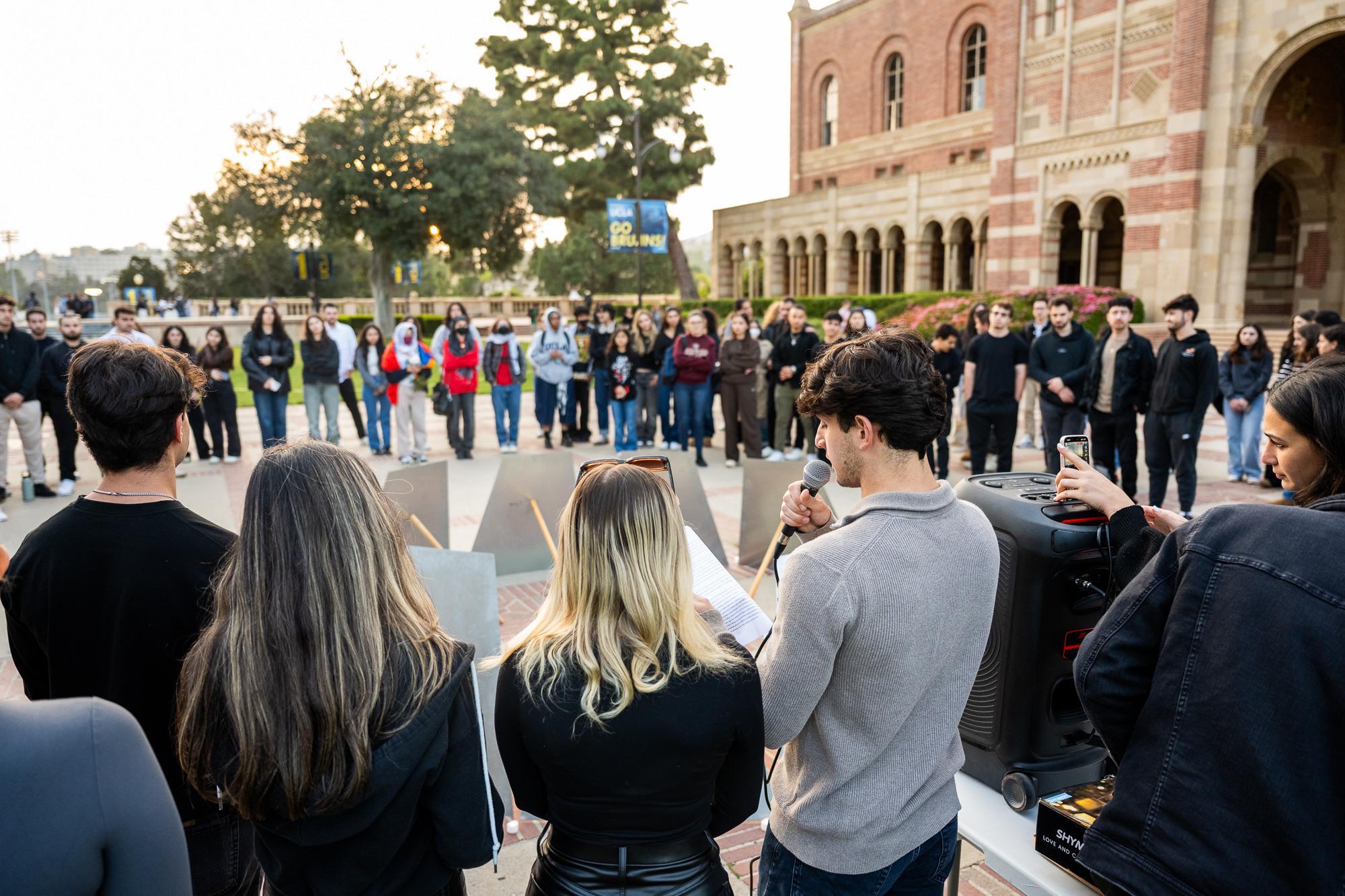
UCLA community members attend a vigil at the base of Janss Steps to commemorate the 111th anniversary of the start of the Armenian Genocide. The Armenian Students’ Association hosts the vigil annually. (Chenrui Zhang/Daily Bruin staff)

By Delilah Brumer
April 25, 2026 6:16 p.m.
This post was updated April 26 at 10:04 p.m.
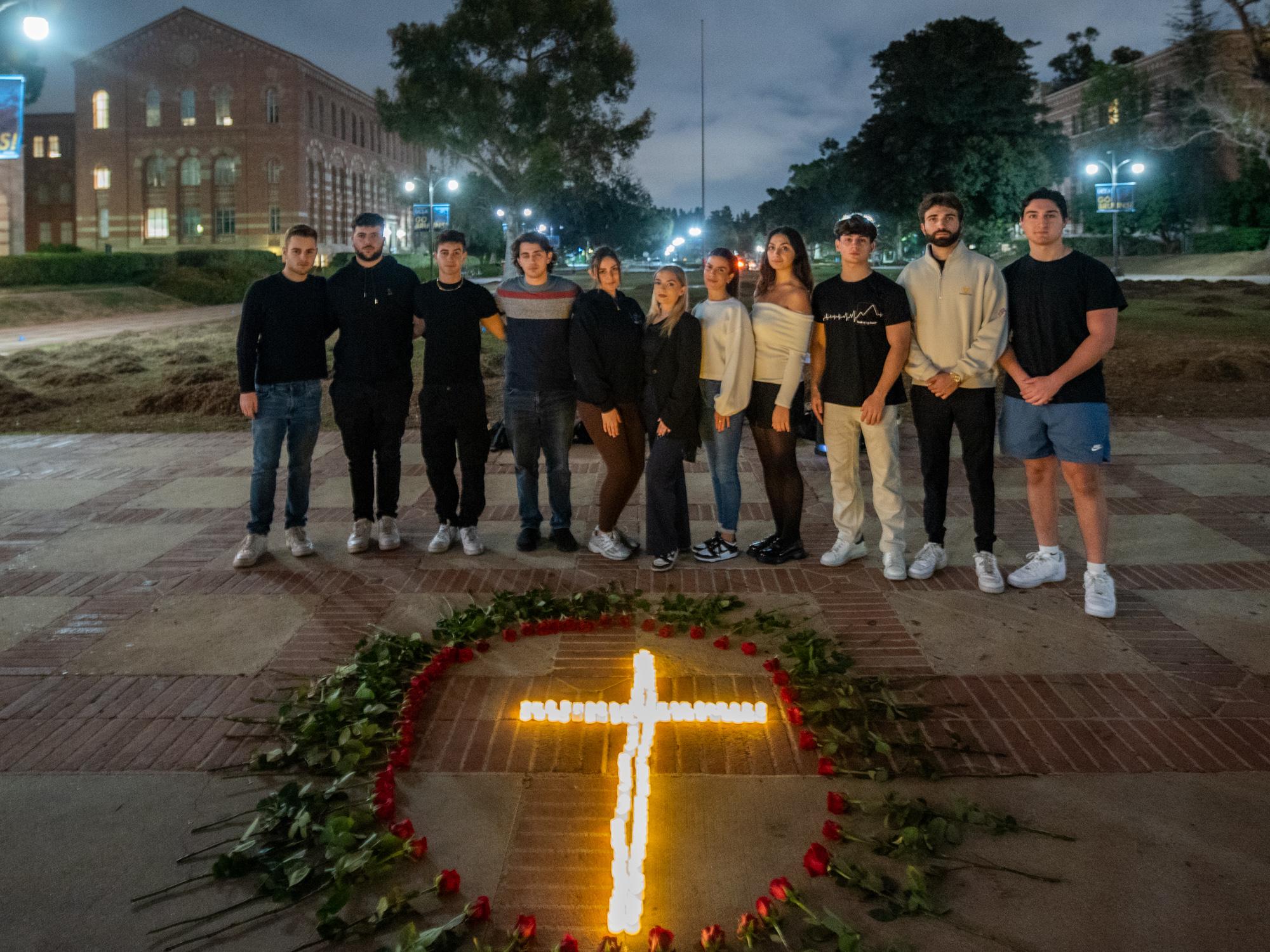
More than 100 people gathered for a vigil at the base of Janss Steps on Friday evening to commemorate the 111th anniversary of the start of the Armenian Genocide.
The Armenian Students’ Association hosts the vigil annually for students and community members to remember the more than 1 million Armenians killed by the Ottoman Empire in the early 20th century.
Faculty and ASA leaders delivered speeches at the Fowler Museum at 7 p.m., sharing stories of their grandparents and great-grandparents, many of whom were killed or deported during the genocide. The United States formally recognized the Armenian Genocide in 2021.
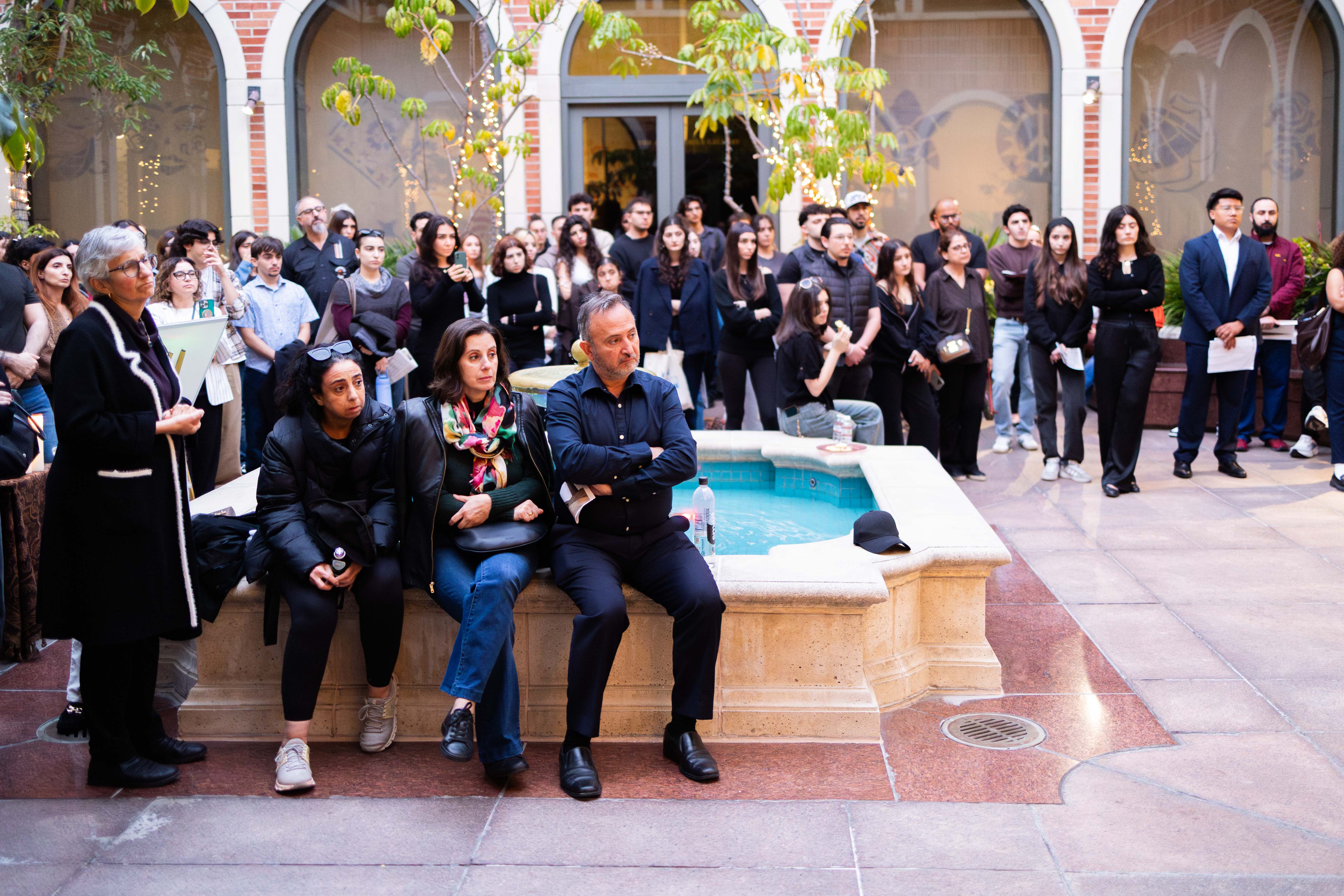
Ann Karagozian, the director of the Promise Armenian Institute at UCLA, said in a speech that she and her grandfather rarely discussed the genocide when she was a child because of the pain it caused him. Karagozian’s great-grandfather, great-grandmother and grandfather’s sister were all killed in massacres against civilians, she said.
“Besides his teaching me the meaning of the word genocide, my grandfather shared some very important additional lessons with me,” Karagozian said. “Don’t gloss over the past. State it as it is, remember it. But importantly, you judge people not by their ethnicity or seemingly outward appearance, but by their character.”
Mikayel Hovasyan, the ASA president, said in a speech that he has seen the resilience of the Armenian community throughout his four years at UCLA.
Hovasyan’s goal is to honor his community’s past by raising awareness about it, not just remembering it, he added.
“Our history has demonstrated with devastating clarity what occurs when the world chooses indifference, and that is precisely why we cannot,” he said in the speech. “We stand here today because those who came before us were not given the chance.”
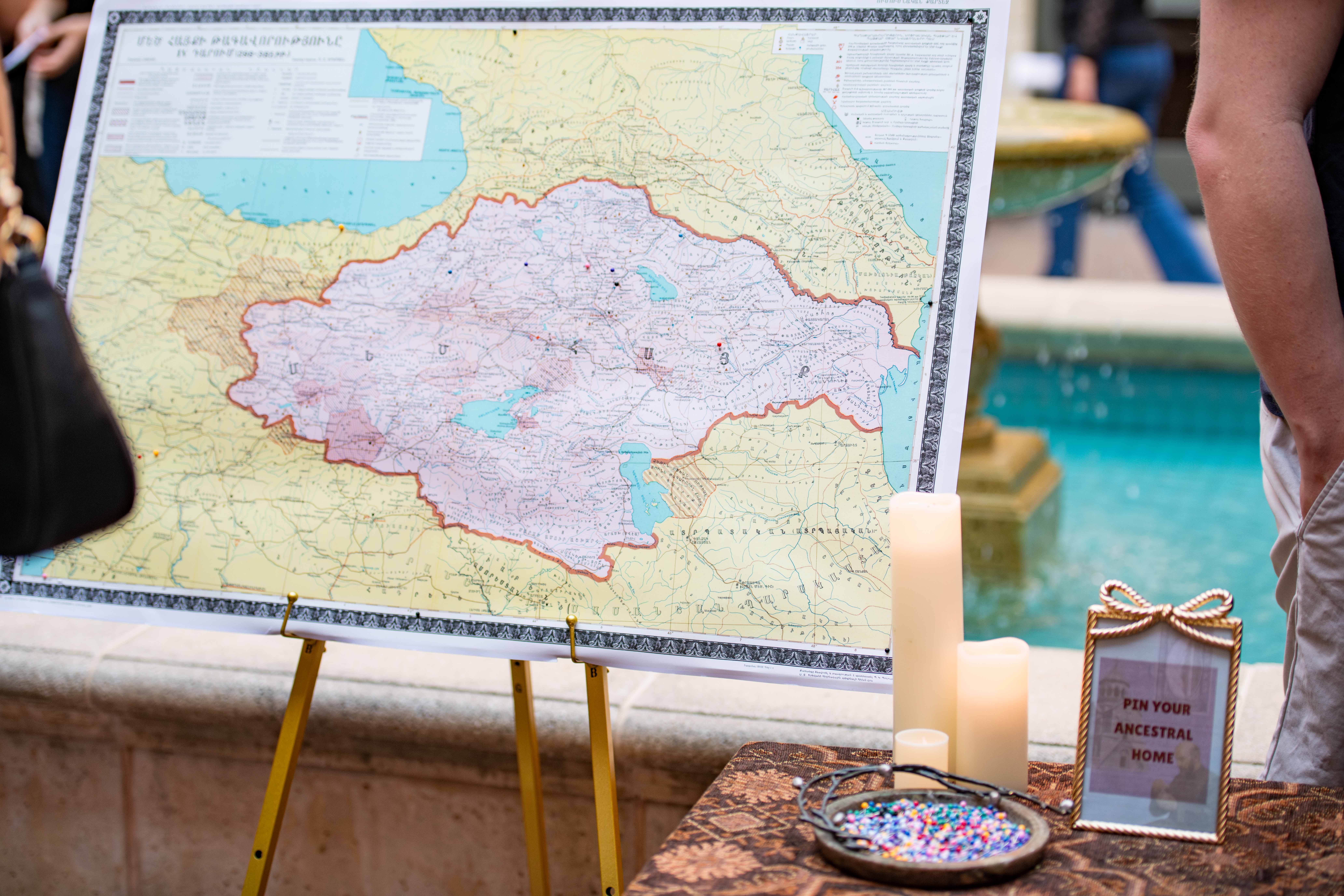
Vigil organizers invited speakers to raise awareness about the genocide and its impacts, said Lucine Ksajikian, the external vice president of ASA.
“(At UCLA) I found myself constantly explaining that I’m Armenian and that there is this thing called the Armenian Genocide, and in those moments, I realized something that deeply shifted my perspective,” Ksajikian, a fourth-year psychobiology student, said in a speech. “The story that shaped my entire identity was something so many people had never even heard of.”
Diego Bollo, the president of the Undergraduate Students Association Council, said in a speech that he was proud to fight for remembrance alongside UCLA’s Armenian community.
Students and community members read poems and prayed in a circle surrounding a replica of the Tsitsernakaberd Memorial complex – which is located in Yerevan, the capital of Armenia – during the vigil. The complex features 12 large stone slabs, representing the 12 lost provinces of Armenia, that surround a flame of mourning.
The University of Southern California’s Armenian Student Association worked with UCLA’s chapter to hold the vigil, said Lori Gaboudian, the president of USC’s ASA.
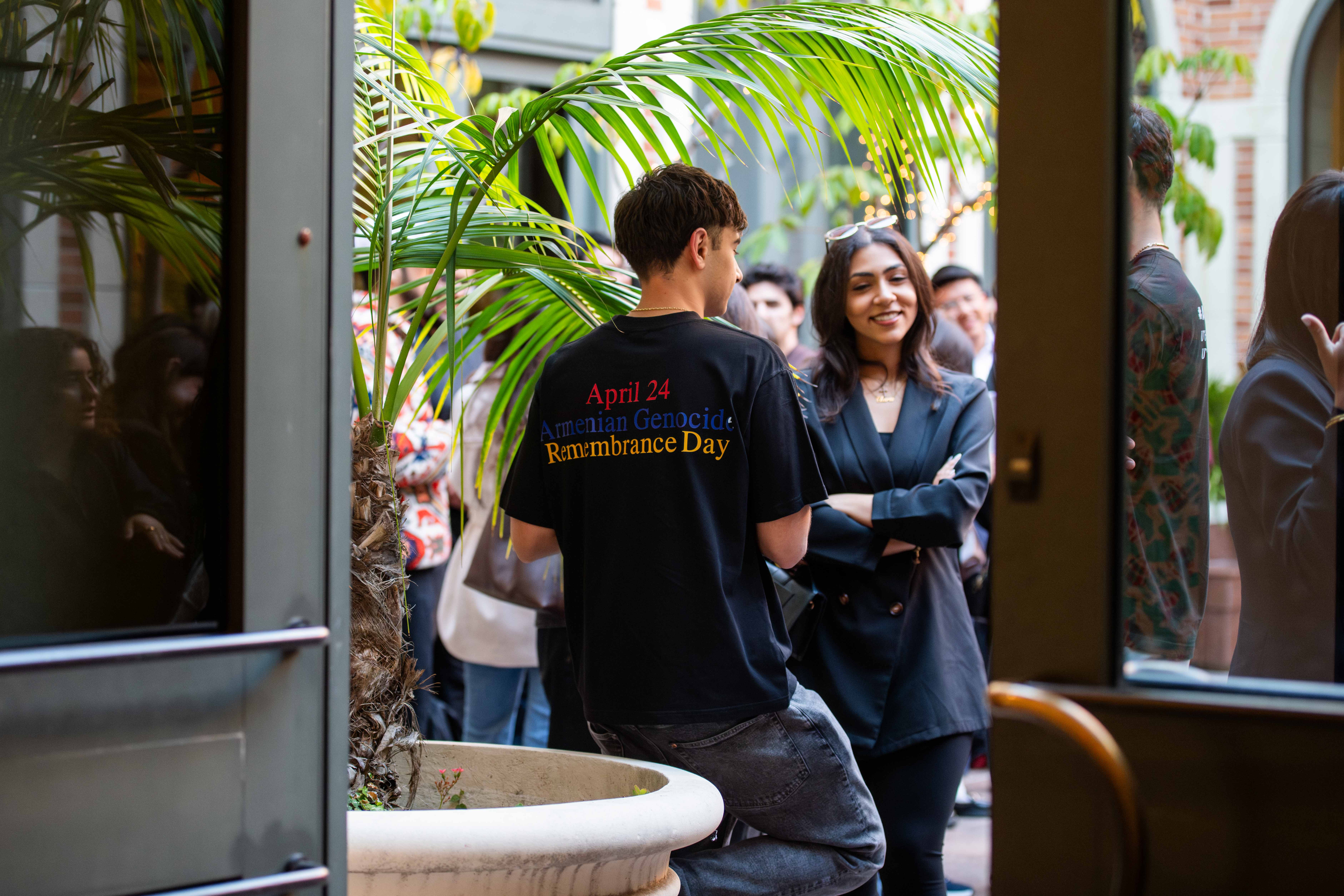
The event allowed the two universities to bridge gaps in Los Angeles’ Armenian community, Gaboudian said. LA County has the largest Armenian community in the world outside of Armenia, according to the Armenian consulate.
Gaboudian said her parents and grandparents were born in Iraq and her great-uncle escaped the genocide. She added that she is inspired by the resilience of the Armenian community.
“You always find your way, coming back to organizations like this,” Gaboudian said. “Having a place on campus that represents your culture and fights to maintain the culture’s presence is a really telling, meaningful thing.”
ASA’s focus on outreach to Armenian and non-Armenian communities alike has helped students understand the genocide on a deeper level, Ksajikian said.
“We, at this point, are now seeking more recognition and more support from non-Armenians, because we really need people to know (about the genocide), in order for us to continue fighting and for us to continue to make change,” Ksajikian said. “Stop thinking you need to be Armenian to care, because you don’t.”