Q&A: UCLA’s Latinx Success Center’s director is dedicated to institutional change
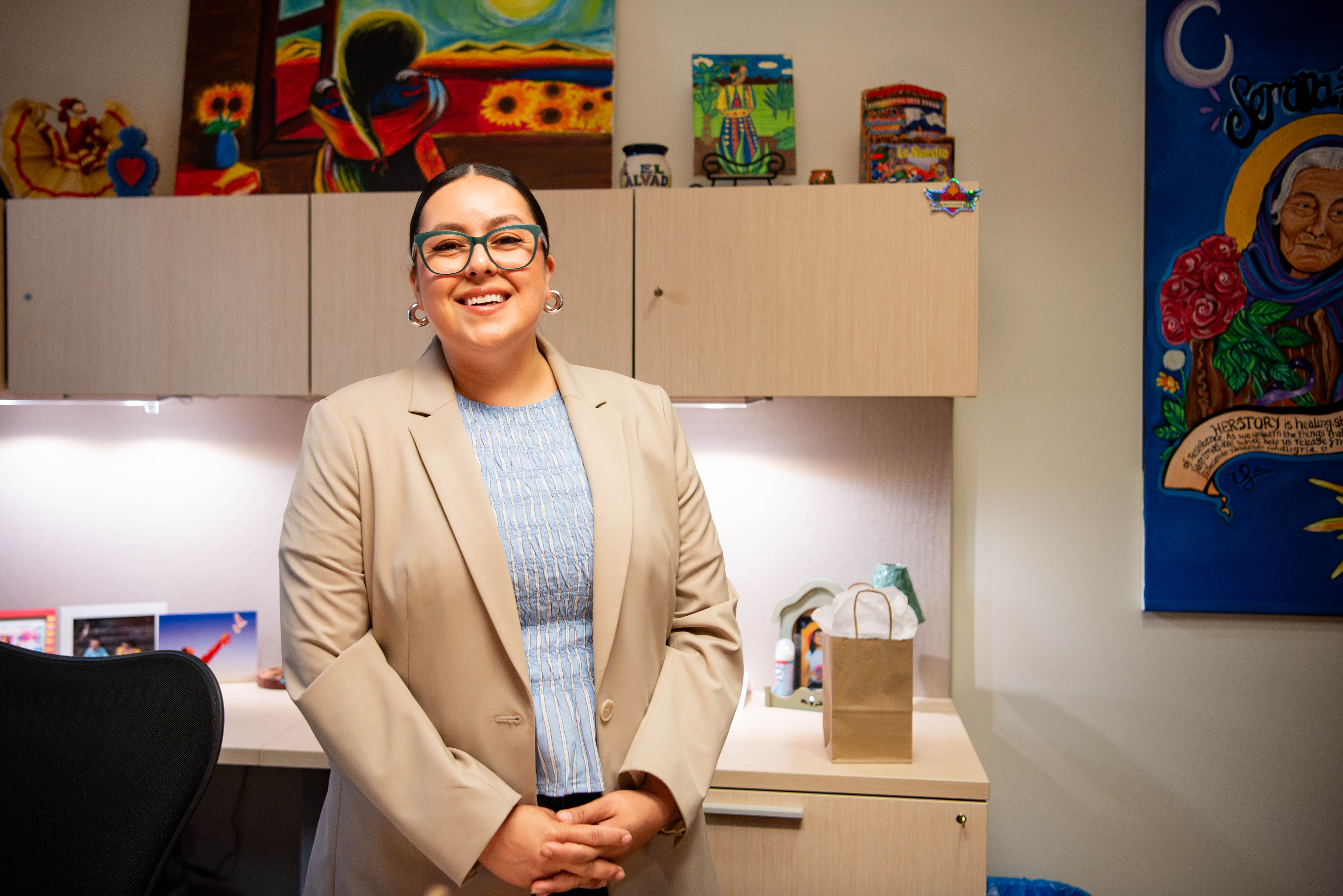
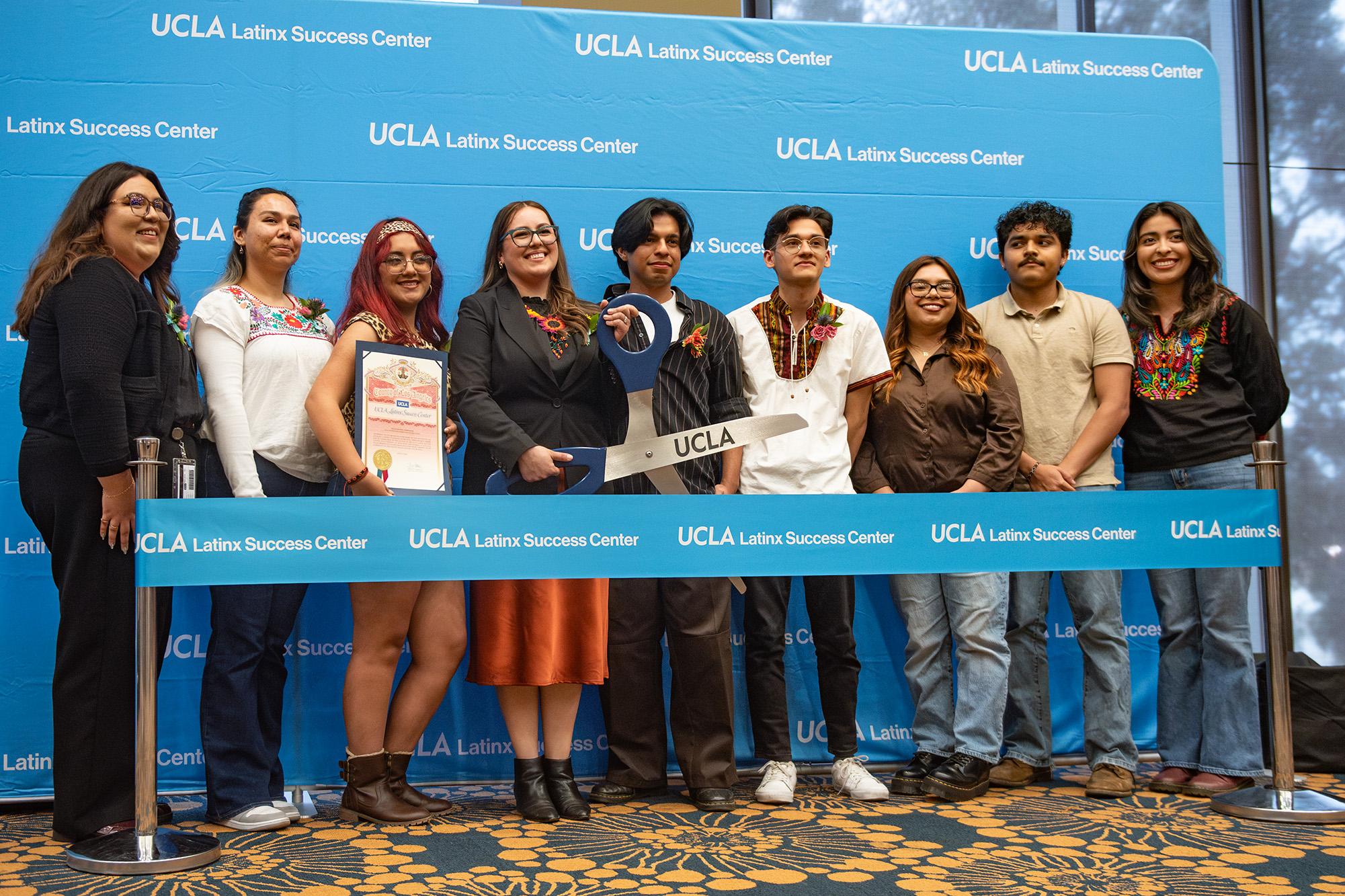
Arlene Cano Matute, the inaugural director of the Latinx Success Center, stands in front of artwork made by students. The center celebrated its one year anniversary March 31.(Victor Simoes/Daily Bruin)

By Victor Simoes
April 9, 2026 11:51 p.m.
The Latinx Success Center celebrated its one-year anniversary March 31.
Daily Bruin reporter Victor Simoes sat down with Arlene Cano Matute, the LSC’s inaugural executive director, to discuss the center’s first year.
This interview has been edited for length and clarity.
Daily Bruin: What would you describe as the past year’s biggest accomplishments, and what do you hope this center will continue to accomplish in the next year?
Arlene Cano Matute: One of our significant programmatic accomplishments has been hosting Latinx Welcome now, as part of our charge in the Latinx Success Center. Moving forward, we’ll have the honor of hosting that wonderful annual celebration and partnership with all of the leadership that have helped bring that to fruition.
I want to highlight the Latine Graduate Student Association for their solid partnership with the center. From our inception, they’ve really been such a prevalent voice in supporting the work that we’ve been doing in the center.
I’ll never forget our very first graduate welcome in September. We had almost 100 graduate students in the center. I have a picture of that that we featured at the one-year anniversary, and it’s one of my favorite photos, because it shows this community – you can sense this belongingness there.
DB: The LSC website says there is ongoing progress on the creation of a five-year plan to outline immediate priorities of securing grants, programming and Latinx equity. What progress has currently been made on the development of this plan, and what stage is it currently in?
ACM: We are definitely well underway – and this is in partnership with other resources on campus, like the HSI (Hispanic-Serving Institution) initiatives team, and our faculty leadership.
I’m really excited about that opportunity, because we started with a survey to the campus community about what they see in the vision of the center.
What we have found so far is that the center is serving as a hub of connection.
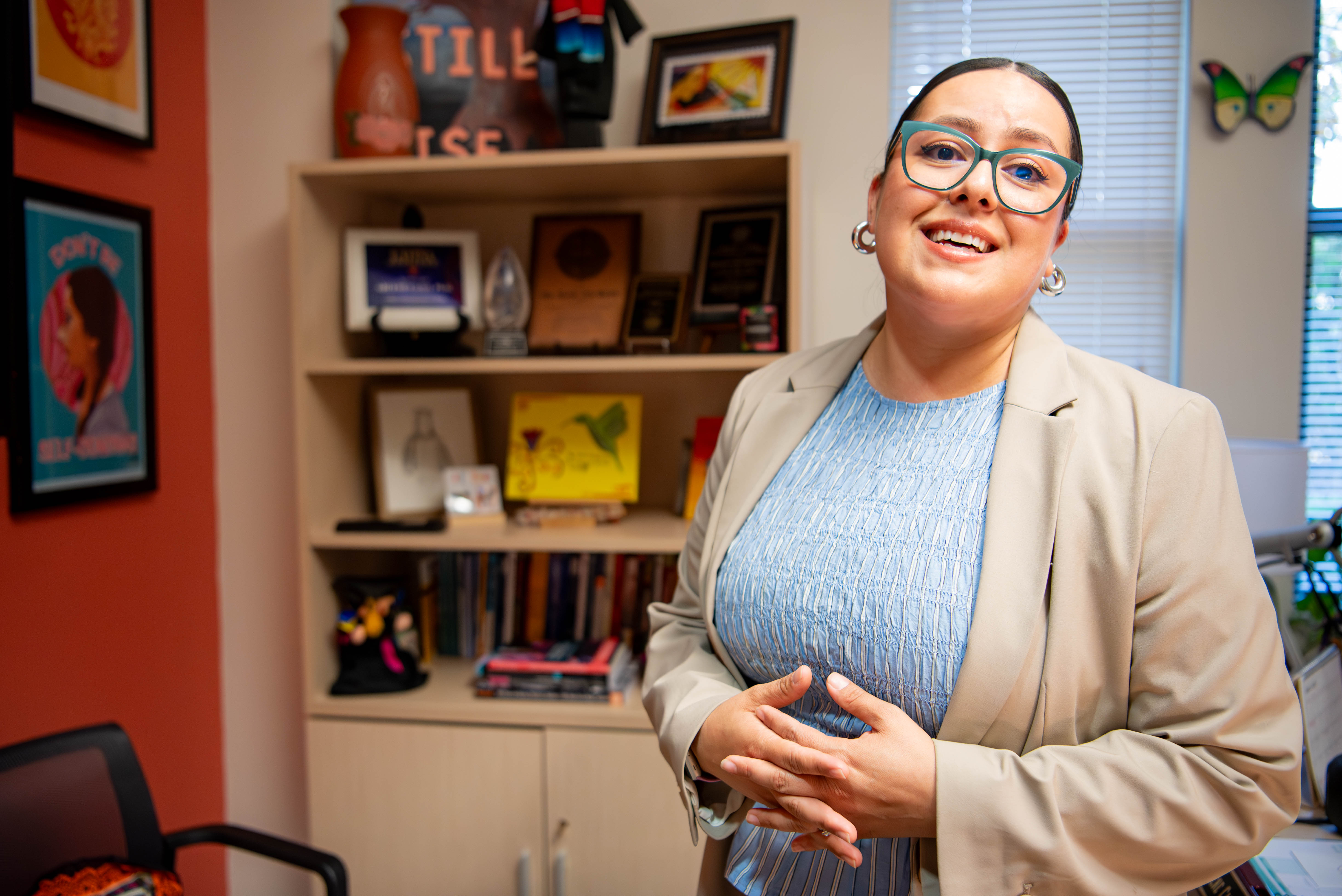
DB: As of fall 2025, UCLA is at 24.7% Latinx enrollment out of the 25% required to achieve HSI status, and 35% Pell-recipient enrollment out of the 37% required. Establishing a LSC was just one of seven recommendations from the original HSI task force. What progress has UCLA made on fulfilling the rest of the task force’s recommendations? How close is UCLA to closing this gap, and what do you see as the necessary steps to achieving HSI status? What steps is the LSC taking to support that goal?
ACM: Even before designation, we’re now building this home, and that signals to me that we don’t have to wait to be an HSI to serve our communities. They are here, and whether we have that 25% or not, we have Latinx scholars that are deserving of being serviced. By having a permanent, or having a physical space, we’re building the infrastructure for institutional change at UCLA.
DB: Now that a physical center for Latinx students has been officially established, what kind of programming have you filled the center with? What would you say the successes have been, and what progress have you made on ideas like cafecitos, peer mentors, advising and academic services? What has yet to be accomplished?
ACM: The mental health and wellness series has allowed us to do community building. We’re building partnerships. We’re also building relationships. We’re really building trust with our community.
Some of the other programs have been to support students on career pathways and partnering with our alumni. So, we’ve had the honor of partnering with our Latino Alumni Association, as well as our Undocumented Alumni Association, and most recently, our Grupo Folklorico (de UCLA) Alumni association.
But in addition to supporting us programmatically, another highlight has been how the alumni have felt. This center is also a home for them. Many have shared that they wish they had a space like this when they were students. It’s such an honor to be able to receive those messages of support.
We launched a school visitation program in the center where schools, K-14, parent groups and community agencies are able to reach out to us through a form, indicating that they’d like to visit the center. We provide a tour of the center, a student panel and or a presentation – sometimes all three. We have built capacity to host six to eight school visitations, and we have hosted six to eight, sometimes more per quarter, and we’ve been very flexible. Again, it’s about accessibility.
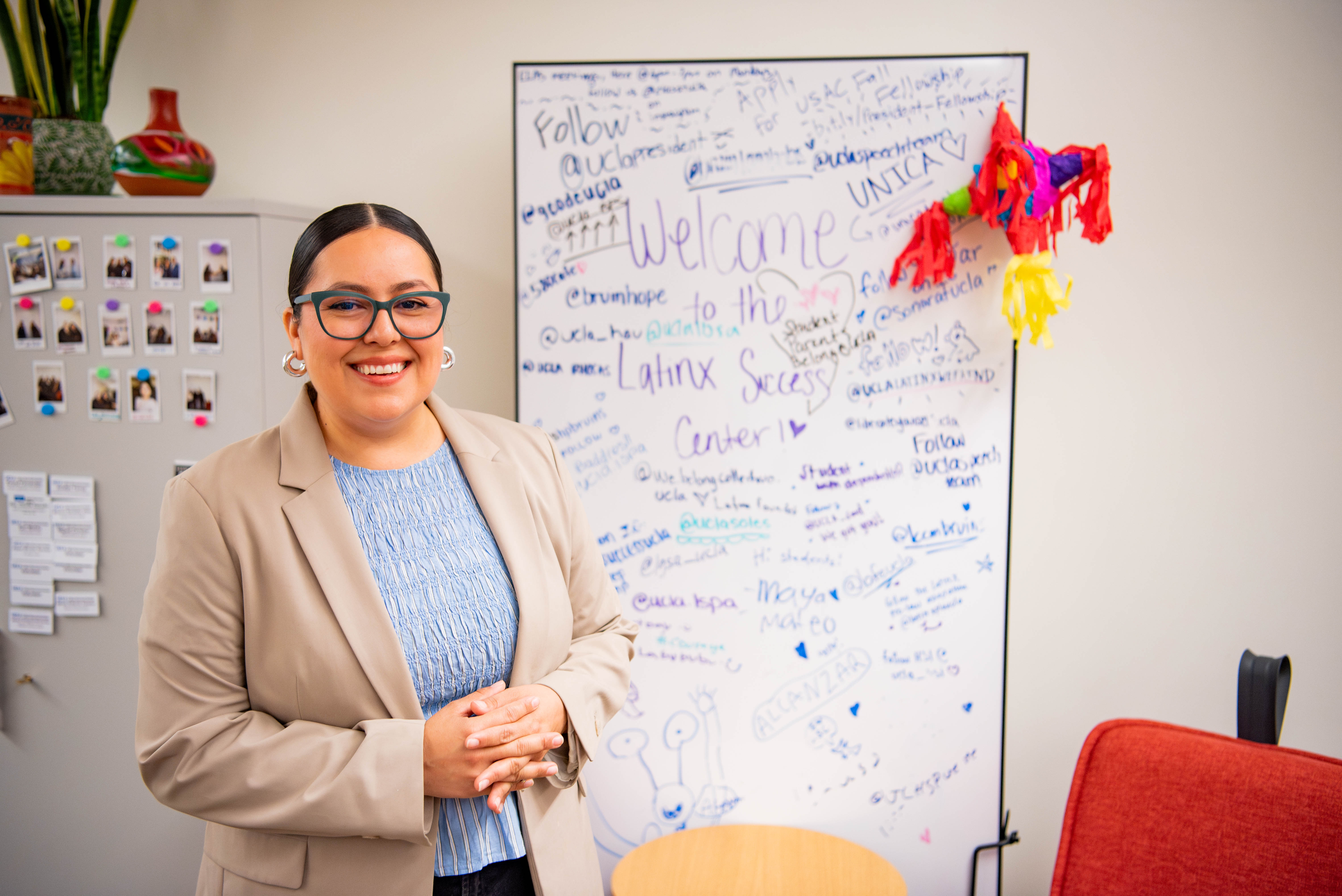
DB: This anniversary also marks the completion of the first of three years funded by the center’s initial grant. What kind of programming has the center’s current funding level supported? What would additional funding enable? What plans are there to secure further funding, with the longevity of the center in mind?
ACM: We hope we are here to stay for many, many years to come, and we celebrated our one-year anniversary with that in our minds, our hearts – that we hope that this can be a permanent home for our community.
Some of the initiatives that we’ve been able to to support have included the outreach initiatives, the mental health and wellness series, our partnerships with USP (Undocumented Student Program) and other other partners on our campus. We’re in the process of developing a series that will feature faculty in our center.
We had an annual crowdfunding campaign for the center, and we were able to raise $13,000 for the center. We’re going to be participating in another crowdfunding campaign at the end of this month, and there’s been a lot of generous donations to the center.
We’re continuing to work with our development team on longer term fundraising opportunities and donorship. Our student leaders have been alongside us in this process, and have drafted this student success referendum that includes the center as well as many other centers – on the foundation of our contribution to student success in the most tangible ways for the Bruin community – and we’re excited to be a part of that.
[Related: Fee-increasing referendums pass USAC, await chancellor approval for May ballots]
DB: The opening of the LSC originally coincided with César Chávez’s birthday. In light of recent allegations regarding the labor rights organizer’s sexual conduct, how do you see the meaning of the center’s founding date changing? What impact – if any – do you see it having on the center’s mission?
ACM: We want to acknowledge that there is pain across our campus. What we chose to center is the anniversary of this event as well as the plight of farm workers in our community, who are very deserving of this recognition. We want to make sure that we don’t lose sight of that, as well as the courage of our survivors, and so we have ensured that we are part of CARE’s sexual assault awareness month as well, so that we ensure that our survivors have that sense of empowerment.
Right away we posted a community acknowledgement on our social media, and we created a few healing circles with our partners at CARE and CAPS.
I feel like this center is a living, breathing home. We feel things as well – joy, pain – we feel them and we want to encourage folks to have a landing place, to not feel in isolation and to know that there are resources to support our communities.