Baller Biography: Through tenacity, strategy Ryan ‘Moose’ Bailey turns Brentwood basketball around
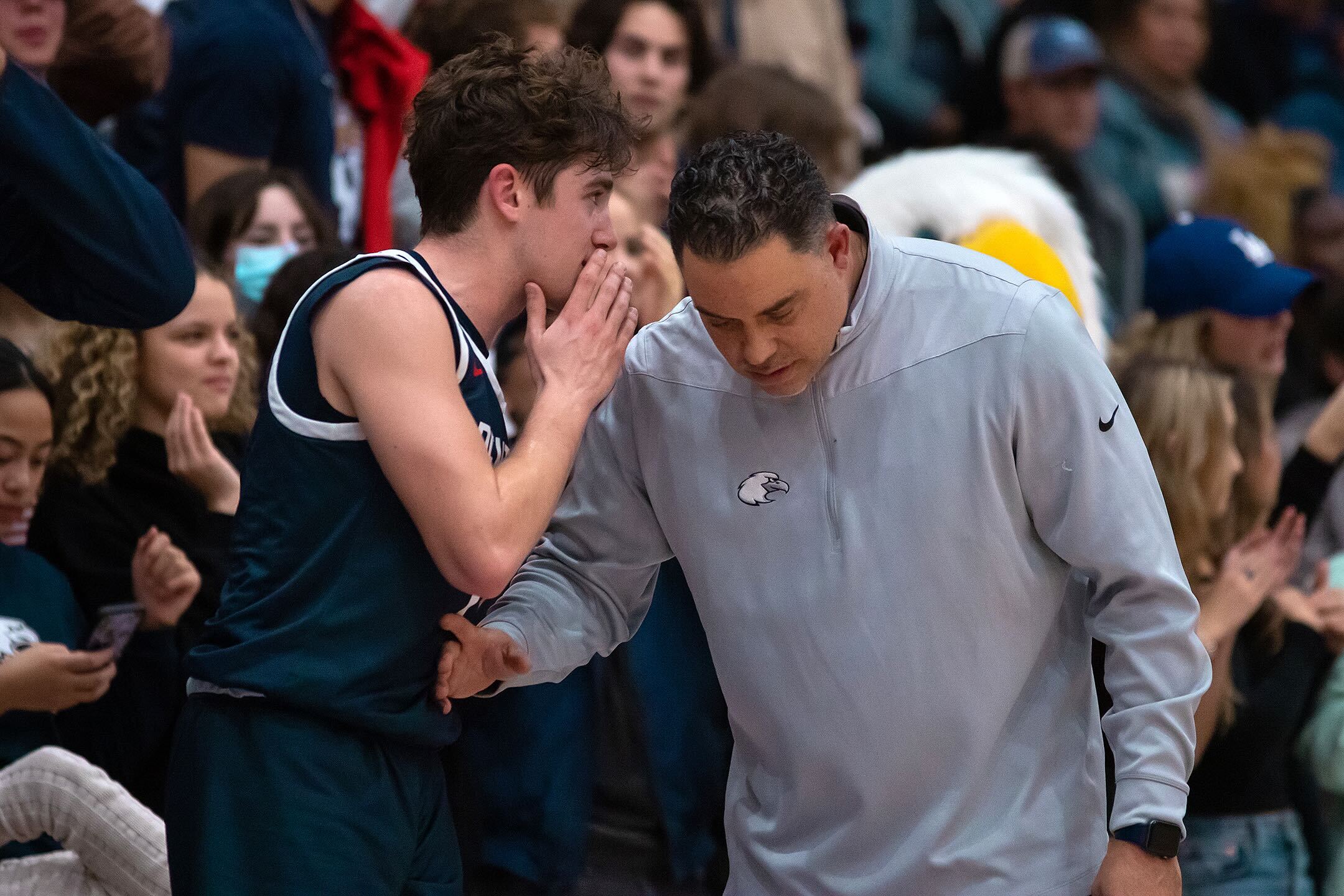
Ryan Bailey (right) talks to a player on the sideline. (Courtesy of Ryan Bailey)

By Badri Viswanathan
March 9, 2026 8:59 p.m.
Inside a warm gym in Thousand Oaks, California, 11-year-old Ryan “Moose” Bailey was all ears.
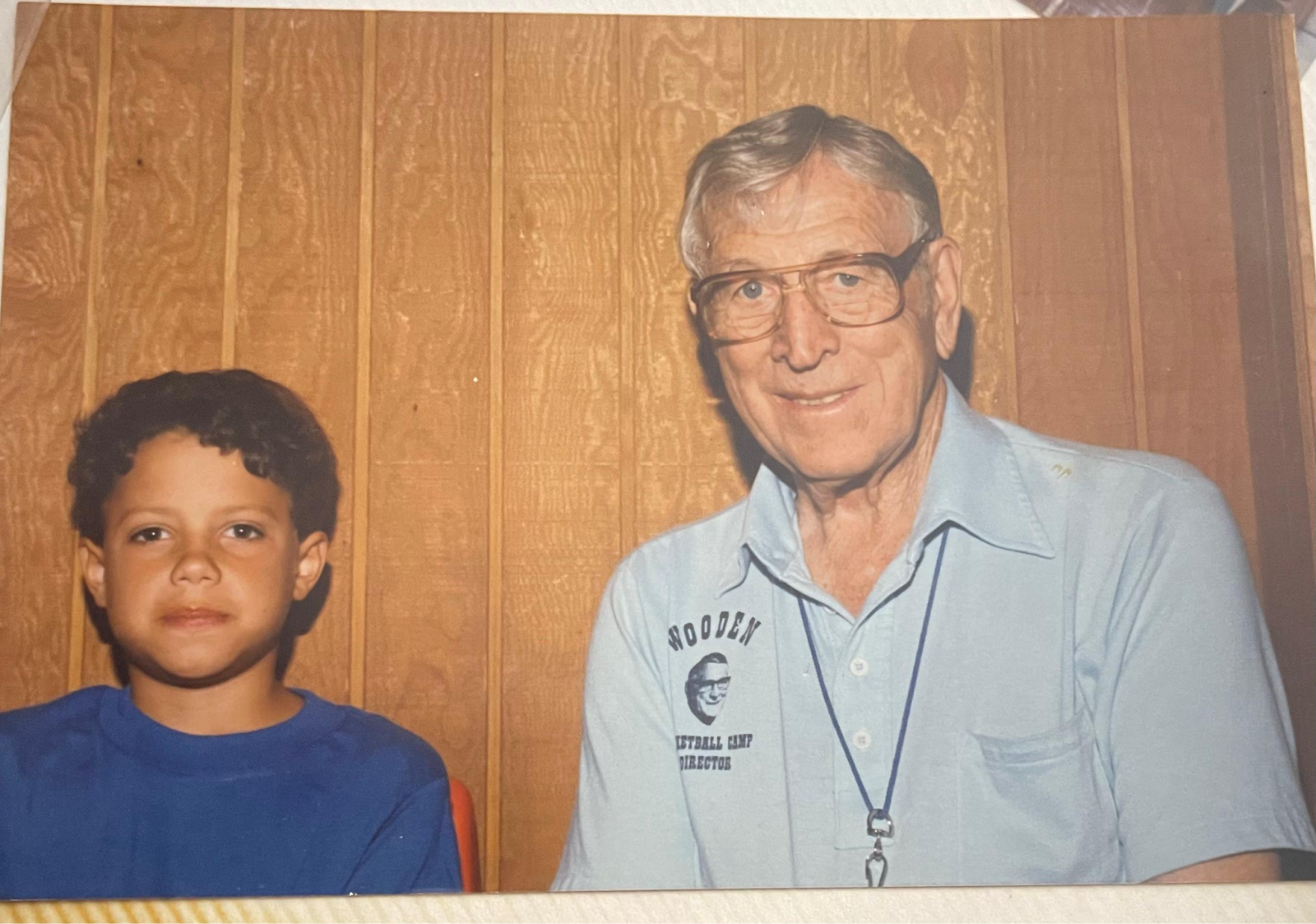
The most decorated coach in college basketball history – the man whose quotes adorned the walls of Bailey’s home – sat at the center of the court, drawing up a game plan on how to wear a sock.
“Every time we went to the camp, it was the same opening speech,” Bailey said. “John Wooden would say that basketball started with your feet, and that your feet need to be protected. So he would sit there and show us how to put on a sock properly.”
Bailey realized then that attention to detail was the driving force behind success, and excelling at the sport he loved so dearly required mastering the mundane.
Bailey has made that focus his mantra in the nearly four decades since, carrying it with him to Pauley Pavilion – where he played three seasons – and to the sidelines of Brentwood School, where he has coached for the last 15 years.
Brentwood School tallied a 26-4 record this past season, tying for the best finish in the Gold Coast league. And it marked the latest step in the school’s ascent from a sub-.500 Division 5AA program prior to Bailey’s hiring to a Division 1A squad ranked No. 24 in the state.
Bailey’s basketball journey began in South Central Los Angeles, where his father, John Bailey, introduced him to the sport at four years old. Ryan Bailey said he spent his early years flipping through pages of Street & Smith’s magazines and watching Lakers point guard Magic Johnson zip no-look passes.
But he said his outlook on the game was forged from matchups against his older brother, Toby Bailey, who would become UCLA’s fifth all-time scorer.
“He was always a lot smaller than I was, even though we were only 20 months apart,” Toby Bailey said. “When we were younger, my dad would make up rules to make the game even, where I’d have to shoot all jump shots and couldn’t go inside (the paint).”
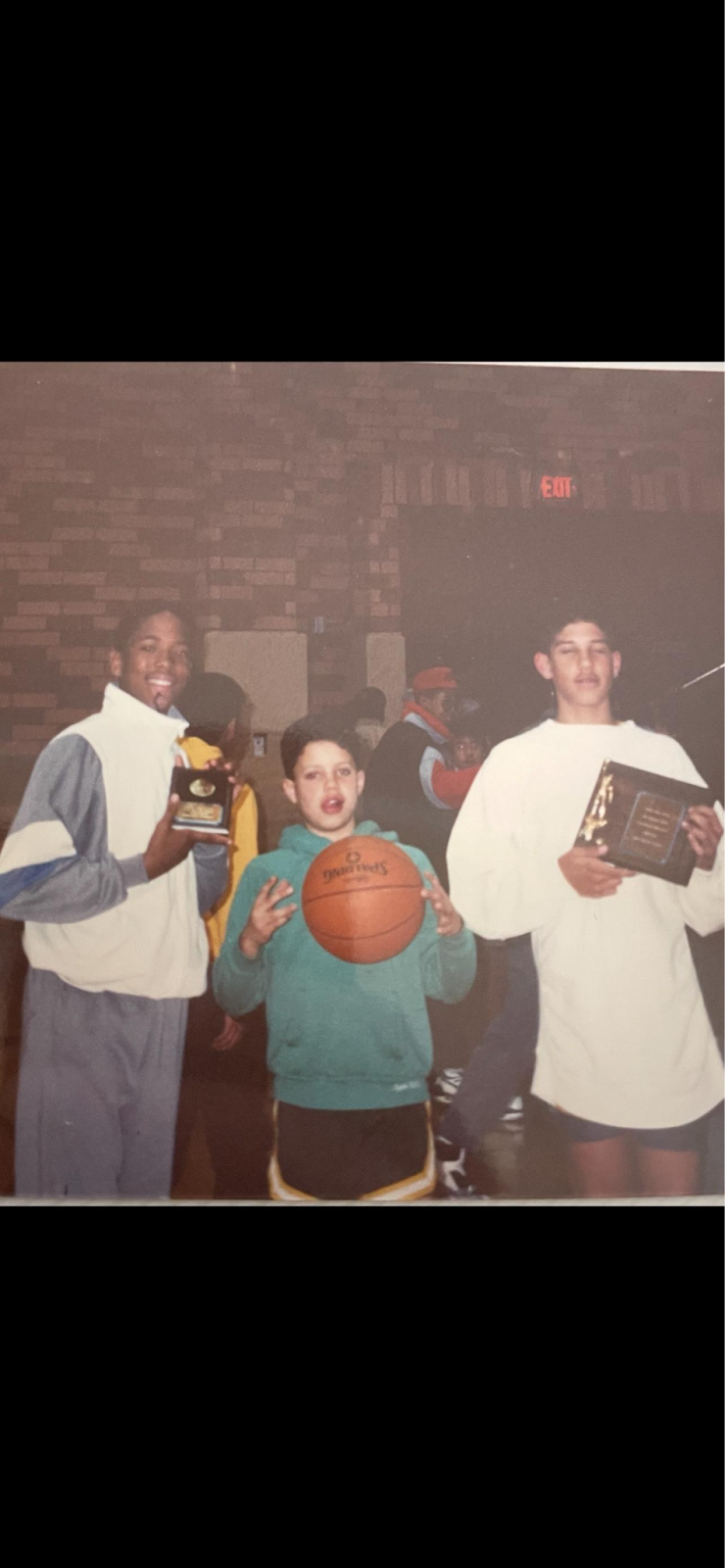
John Bailey noticed how his younger son competed against Toby Bailey and other older, bigger players – scraping and clawing for position. Ryan Bailey’s oversized jersey would dangle from his slight frame, grazing the ground as he punched above his weight.
To young Ryan Bailey, it wasn’t the size of the dog in the fight that mattered – but the size of the fight in the dog.
Or, in this case, the size of the fight in the moose.
“He (John Bailey) gave me the name Moose at that age to make me feel bigger than what I was,” Ryan Bailey said. “And it stuck.”
Toby Bailey said his younger brother lacked size early on, but refused to make it the limiting factor in his basketball development.
Ryan Bailey worked on strengthening his ball-handling and playmaking ability, emphasizing a focus on the small details that amount to larger results.
But most importantly, he lacked an off switch.
“For him, it was come home and watch basketball, go to practice, play basketball,” Toby Bailey said. “It was constantly on his mind and constantly something that he enjoyed being a part of.”
As his basketball career developed, Ryan Bailey resonated with a specific player archetype – the cerebral point guard conducting the orchestra, dictating the pace and setting the tone.
“The accountability and keeping a team happy, knowing what to run, when to run it, the time and score of a game,” Ryan Bailey said. “I got just as happy for an assist as I did for points.”
In his first collegiate season at Penn State, Ryan Bailey played 33.6 minutes per game and led the Nittany Lions with 4.2 assists and 1.1 steals per game.
It appeared as though he was on track to build a multi-year legacy in State College.
That was until Ryan Bailey shocked the basketball world.
In the summer of 1997, Ryan Bailey returned to LA to join the Bruins. He agreed to redshirt a season, relinquishing his high profile at Penn State and leading the scout team.
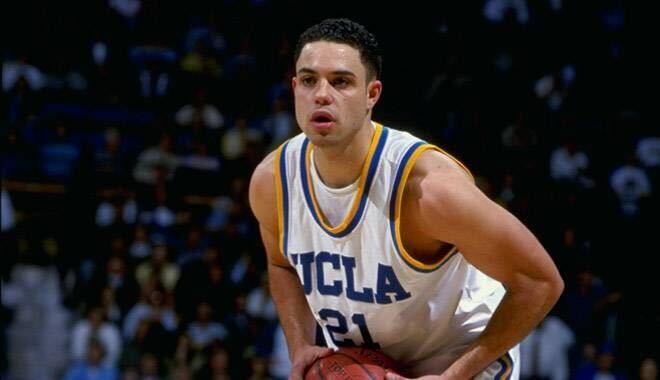
A move to UCLA appeared illogical from a minutes standpoint.
Ryan Bailey was sacrificing playing time and taking on a smaller role in a lineup headlined by future NBA point guards Baron Davis and Earl Watson.
He was essentially starting from scratch.
“I knew how good Baron was – growing up playing against him. I knew how good Earl was, highly rated, and they were both at my position,” Ryan Bailey said. “But I also knew that I could battle them. I knew when it was all said and done, LA was where I wanted to make my home.”
Ryan Bailey said he relied on his tenacity and understanding of the game to survive.
In his three seasons for the Bruins, he averaged 3.2 points, 1.7 assists and 0.9 steals through 14.7 minutes per game. Despite the dip in his stats, he found ways to make an impact on teams that reached the Sweet Sixteen and was named a team captain in his senior season.
“It was a day-to-day attitude,” said Matt Barnes, Ryan Bailey’s former teammate and 14-year NBA veteran. “He still came to practice hard every day. He was still rooting on his teammates. He and I were close, so I know it would hurt that he wasn’t playing, but he would never let anybody see that. He stayed a consummate pro.”
Ryan Bailey said his love for the sport dwindled at the tail end of his collegiate career following a series of injuries. After his playing career, he attended law school at Chapman University, pivoting his career goal from professional basketball player to sports agent.
In his second year of law school, Ryan Bailey made a routine phone call to former UCLA coach Steve Lavin.
It would become a career-defining moment.
At the time, Lavin was leading a Nike Team USA basketball trip to France and had a last-minute opening on his staff.
So he floated a question to a former player who had picked his brain for four years.
“By the luck of God, I called him on that day, and he said, ‘Hey, Moose, would you want to be an assistant coach with me and take this trip?’” Ryan Bailey said. “So I got to spend three weeks with Coach Lav, who’s a man I really admire and respect … soaking up all of that knowledge.”
When Ryan Bailey landed back on United States soil, he knew his calling.
He was going to be a coach.
After serving as an assistant coach at Loyola High School during his final years of law school and first few years at a law firm, Ryan Bailey interviewed for Brentwood School’s head coaching job in 2011, putting his legal career on hold.
Brentwood girls basketball coach Charles Solomon was on the committee that interviewed Ryan Bailey and still recalls the moment they knew they had found their guy.
“Right when we interviewed him, myself and the other committee members knew we had to have him,” Solomon said. “I remember how much he talked about molding the young men that he coaches into character kids – that character is most important, it’s not about wins and losses.”
Ryan Bailey was tasked with turning around a reeling squad that had gone 0-10 in conference play the year prior and had six coaches in seven seasons. And cornerstone players, including then-rising junior Leland King, were considering leaving the program amid the coaching changes.
But King said his doubts were relieved after consulting with friends at Loyola and meeting Ryan Bailey.
“As far as practices, it was distinct on how he coached,” said King, now Brentwood’s freshman basketball coach. “I hadn’t had a coach quite like him in a while. Most coaches are really tough on you and like to yell and are pretty aggressive. Moose, he had the same type of presence, but you could really feel that he cared who you were and how you were too.”
And in King’s senior season, Brentwood tallied a 27-5 record and reached the Division 4A CIF Southern Section Championships finals, marking an 18-win turnaround in just two seasons under Ryan Bailey.
In the following 13 seasons, Ryan Bailey has led the Eagles to seven more seasons with 23 or more wins, including back-to-back CIF Southern Section titles in 2017 and 2018 at the 3AA and 2AA level, respectively.
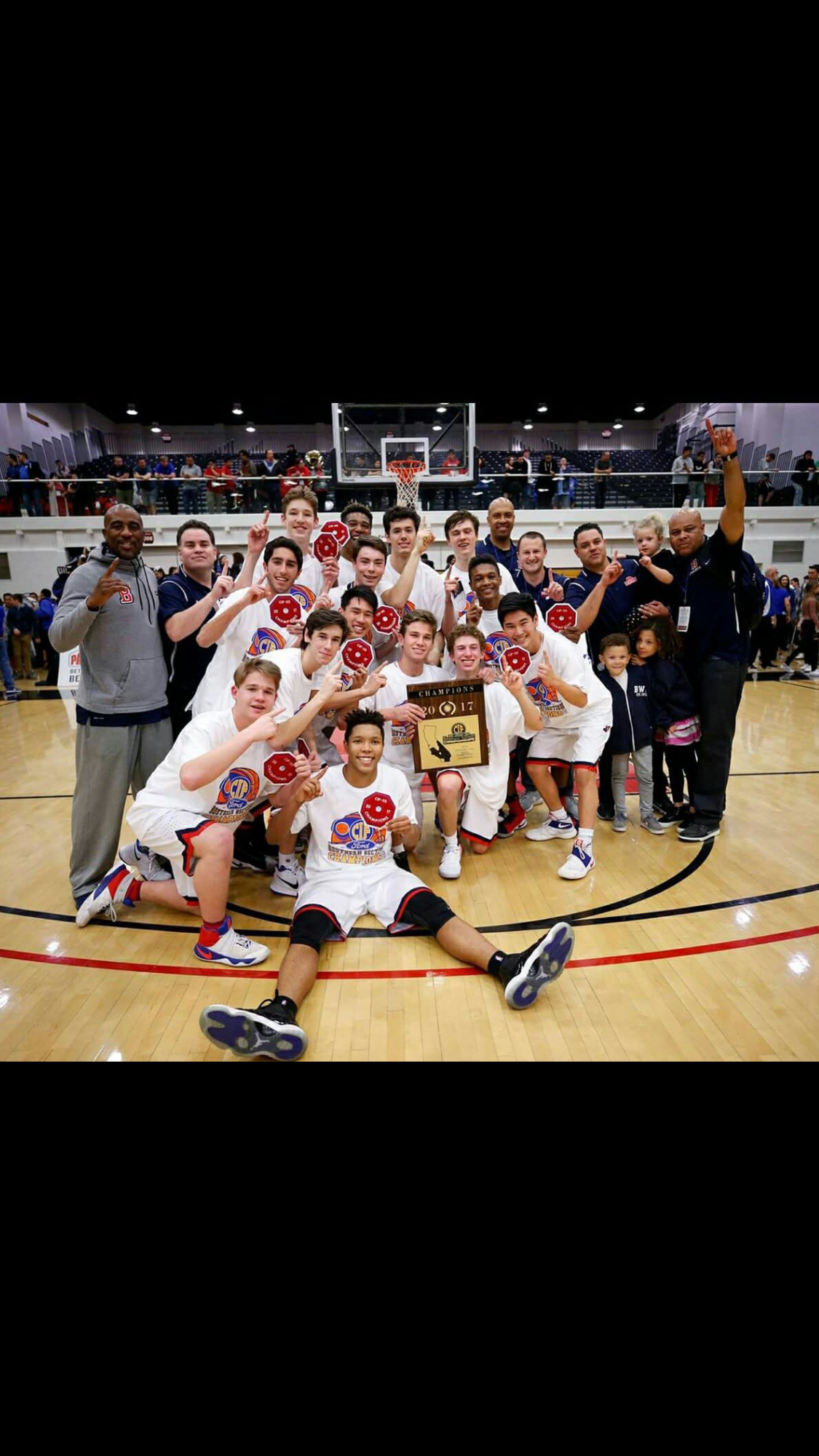
Rico Hines, a former roommate and teammate, said Ryan Bailey’s knowledge of the game is unmatched at the high school level.
“He’s the best coach on the West Coast,” said Hines, a Philadelphia 76ers assistant coach. “Sometimes, he doesn’t have the big names, but his teams always win, and that’s a credit to him and the schemes and his coaching style. … He has a really good basketball IQ and the eye for the game.”
One of Ryan Bailey’s defining attributes as a coach is ability to shift his basketball philosophy year to year.
His program ran an inside-out style of play, emphasizing designed looks for big men in 2026 – a shift from its guard-oriented, pace-and-space offense in past seasons.
Ryan Bailey said his philosophy has centered around refining and perfecting the team’s collective strategy, as opposed to adjusting around opponents.
The 15th-year head coach said he adopted that approach from the man who taught him how to properly wear a sock.
“He (Wooden) never worried about what the other team was running,” Bailey said. “I focus on my team a lot more than I focus on other teams. … If we know our reads – first, second, third options on each play – and know how to get to the second side of the court, then I know we’re going to be successful.”