Q&A: Dr. Vatche Agopian talks early detection of gallbladder, bile duct cancers
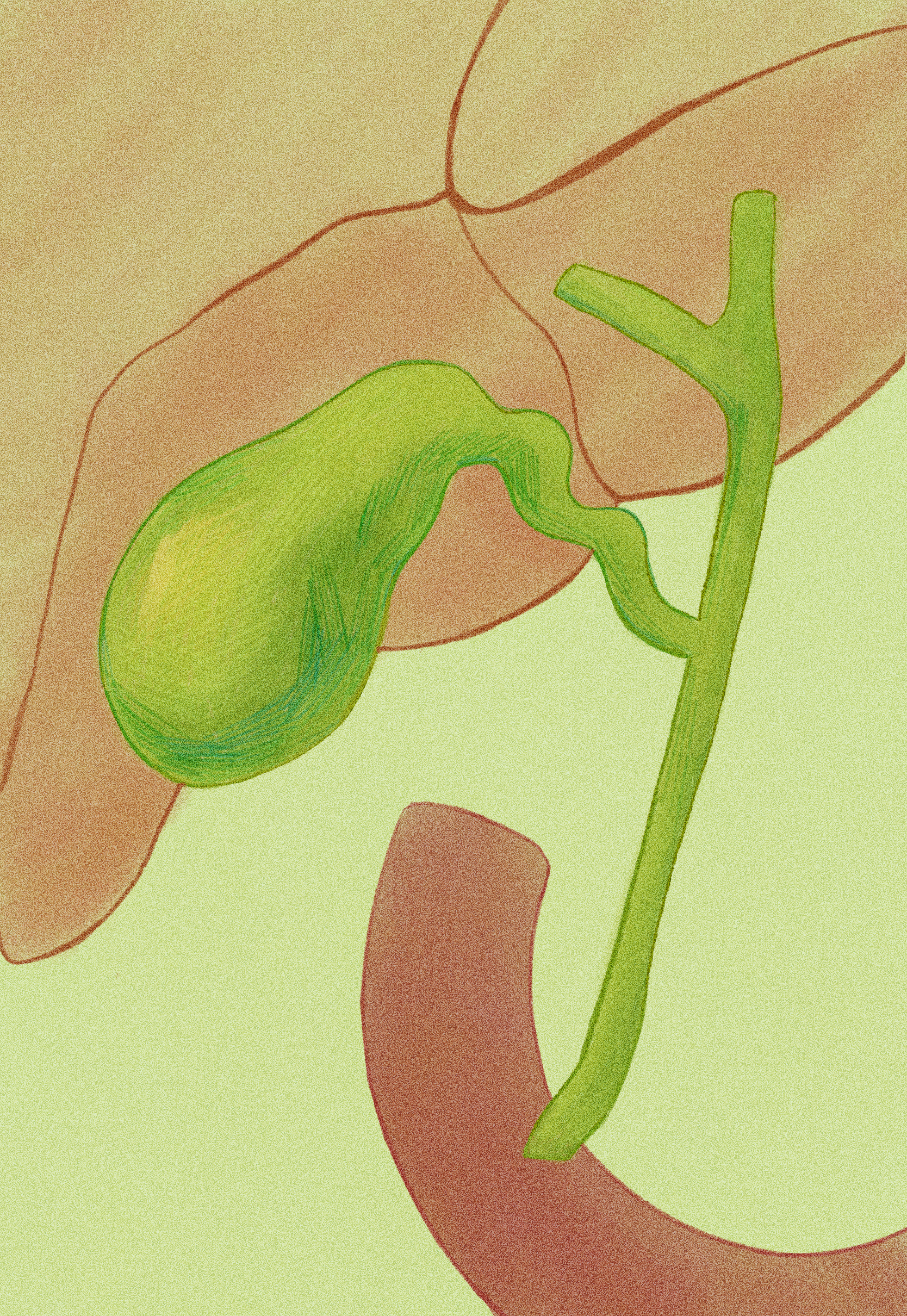
(Kirsten Matsumoto/Daily Bruin)

By Donya Hassanshahi
Feb. 24, 2026 10:01 a.m.
This post was updated Feb. 24 at 11:40 p.m.
Dr. Vatche Agopian, a liver transplant hepatobiliary surgeon at UCLA, sat down with Daily Bruin contributor Donya Hassanshahi during February’s Gallbladder and Bile Duct Cancer Awareness Month to discuss the importance of educating people about their health and taking the initiative to detect malignant cancers.
Agopian, a UCLA alumnus who has practiced medicine since 1999, received his medical degree from Columbia University and completed a two-year fellowship in liver transplant and hepatobiliary surgery in 2010. Agopian – a professor of surgery and director of the Dumont-UCLA Liver Cancer Center at the David Geffen School of Medicine – said he has been at UCLA since his general surgery residency in 2003.
This interview has been edited for length and clarity.
DB: How would you describe the gallbladder and bile duct cancers from both a surface level and physiological regard?
VA: The important thing for the average person who is not a doctor to understand is that gallbladder and bile duct cancers in general, they’re rare. But also, they’re tumors of inflammation. One of the most common things that cause inflammation in the gallbladder is gallstones. We would say that of all the people that get gallbladder cancer, 70 to 90% of them are going to have gallstones. But that doesn’t mean that 70 to 90% of people with gallstones are going to get gallbladder cancer, because there’s so many people that have gallstones – it’s actually probably only single-digit percentage points of anybody with gallstones that ultimately is going to develop gallbladder cancer.
It comes down to inflammation, so one of the most common risk factors that’s very well recognized is this disease called primary sclerosing cholangitis, which is termed PSC. That’s an autoimmune disorder. So that’s a disease that could be silent. It doesn’t necessarily have to present with any symptoms at all. It’s basically your immune system is identifying some feature on your biliary tree that it’s attacking and destroying, and it causes narrowing and strictures.
It’s a rare tumor. It’s an aggressive tumor, and really the only chance to cure it is if you find it at an early stage. It’s really, really important for the community to understand that and for research to move in that direction, is how do we do a better job identifying these tumors early so that we can cure them.
DB: How have you seen advancements in treatment for bile duct cancer, cholangiocarcinoma?
VA: What’s happened is, probably over the last 20-30 years, first, the incidence of these tumors have been slowly increasing whether that’s a combination of diet and obesity, and insulin resistance and diabetes – and there’s a lot of risk factors for that. I don’t think that we’ve done a better job of detecting them earlier but the key is, if you catch these at an early stage, they could be curable.
DB: What would you say that the patient demographic is for these types of cancers? For instance, do these cancers develop from genetics or do lifestyle factors contribute?
VA: In terms of patient risk factors, so for gallbladder – definitely gallstones. And then I would say diet-related factors because it’s a disease of inflammation, obesity and some suggestion that even diabetes is a risk factor for developing these tumors. It’s very rare, really, to be honest, to be seeing gallbladder cancer in a very young population, but it’s going to affect their parents and their grandparents.
Cholangiocarcinoma is, again, similar to one big risk group for these patients that have primary sclerosing cholangitis. But then outside of that, I would say, again, it’s the same patients – obese, diabetes, some underlying chronic liver disease. If you’re a big drinker, you have scarring of your liver, you have inflammation – anything that causes inflammation of the liver and bile ducts, that’s going to set people up to at least be more likely to develop bile duct cancer.
The other one big risk factor that actually can be related – and is more relevant for a younger population – there are congenital cysts. Genetic is different than congenital. Genetic is it’s in your DNA code that you’re going to develop this. Those are very rare.
We do see patients as young as 8, 9, 10, 14 that they have an abnormally big bile duct. Those patients, we don’t wait – we take them in the operating room and remove that dilated bile duct because that’s a risk factor. That’s a smaller percentage of the people. Most of the people that are going to develop this are going to be older people that have just more of the lifestyle-related and age-related risk factors for developing this disease.
DB: How do you advise students to become educated about these types of cancers that they may disregard because of it not necessarily affecting their age demographic?
VA: For the undergraduate population, it’s not going to affect them personally, but it’s going to affect a loved one. It’s going to affect the parent, it’s going to affect the grandparent – it’s just being vigilant about the vague symptoms. Unfortunately, they’re not very specific symptoms.
For example, like skin cancer, melanoma, you have a mole and, ‘Oh my god, it’s getting bigger and darker.’ Everyone can understand, like, ‘Oh, maybe I should check that out.’ But this is something that’s happening on your insides, and usually by the time it gets symptomatic, it’s a little bit too late. So if there are early symptoms, they need to be pursued.
DB: What do you think is something that readers, or people that are interested in these cancers, may learn about from a doctor as opposed to reading a general news article about gallbladder cancer and cholangiocarcinoma?
VA: You should be an advocate for both for yourself and for your family members. The blood tests aren’t even great early detection markers anyway, but if they are abnormal, don’t let anyone just explain it away with, ‘Oh, it’s nothing.’ They might have a benign explanation, but at least it’s got to be explored.
DB: What do you think people should know about the research that’s being invested into treating these patients?
VA: There’s a lot of work to be done. For people that are inclined, the pre-med students that are wanting to do research, there’s so much research into the biology of these tumors – into the early detection – I think will make a huge impact if we can increase the proportion of patients that have surgical options.
There’s a lot of research people can get involved in to find better therapies and then also to find better biomarkers for early detection. Those are the things that are going to make the biggest impact in both these diseases.