Five Things: UCLA women’s basketball vs. Michigan
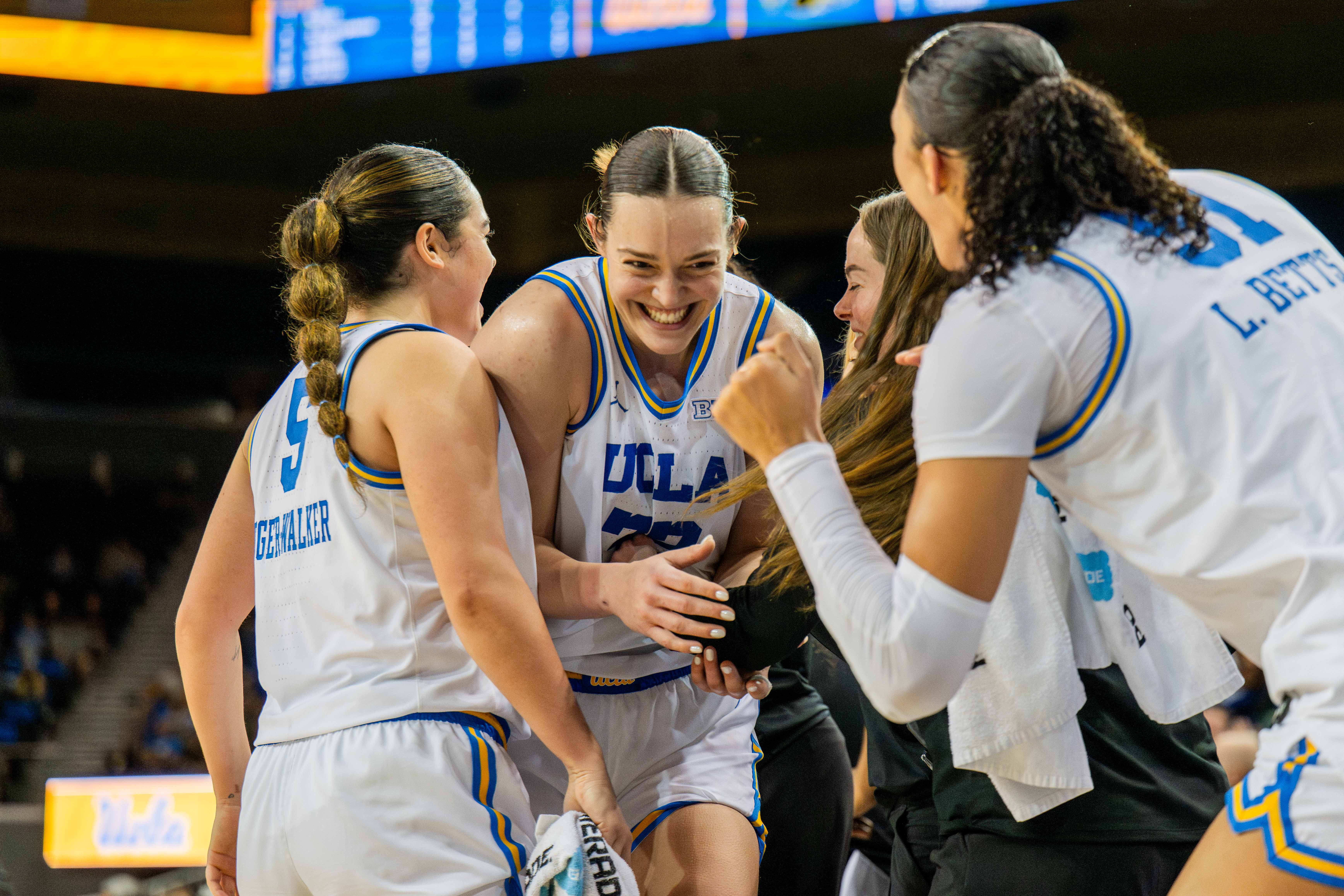
Graduate student forward Angela Dugalić celebrates with teammates and coaches as she comes off the court. (Zimo Li/Daily Bruin senior staff)

By Noah Massey
Feb. 11, 2026 3:49 a.m.
No. 2 UCLA women’s basketball (23-1, 13-0 Big Ten) narrowly maintained its undefeated conference record, defeating then-No. 8 Michigan (20-4, 11-2) 69-66 on the road in Ann Arbor. Daily Bruin Sports staffer Noah Massey breaks down his five main takeaways from the Bruins’ closest victory of the season before UCLA takes on No. 13 Michigan State (20-4, 9-4) in East Lansing on Wednesday.
“Close” call.
For the first time in 11 games – and just the second time this season – the Bruins won a game by single digits.
And they barely pulled off the win.
Michigan missed a 3-point shot to tie the contest after UCLA nearly squandered a nine-point lead with just 29 seconds remaining.
After weeks of dominating their opponents, the Bruins had their first real scare since the onset of their 17-game winning streak, which began Nov. 27.
While UCLA has played six other ranked opponents since then, only then-No. 19 Ohio State kept the game within 20 points.
UCLA trailed Michigan – which coach Cori Close described as an Elite Eight-level opponent – for most of the first quarter and the beginning of the second.
However, with its unblemished conference record and No. 2 national ranking on the line, UCLA managed to emerge from Ann Arbor unscathed despite scoring just 69 points – its fewest since its 65-point effort in its lone loss of the season against Texas on Nov. 26.
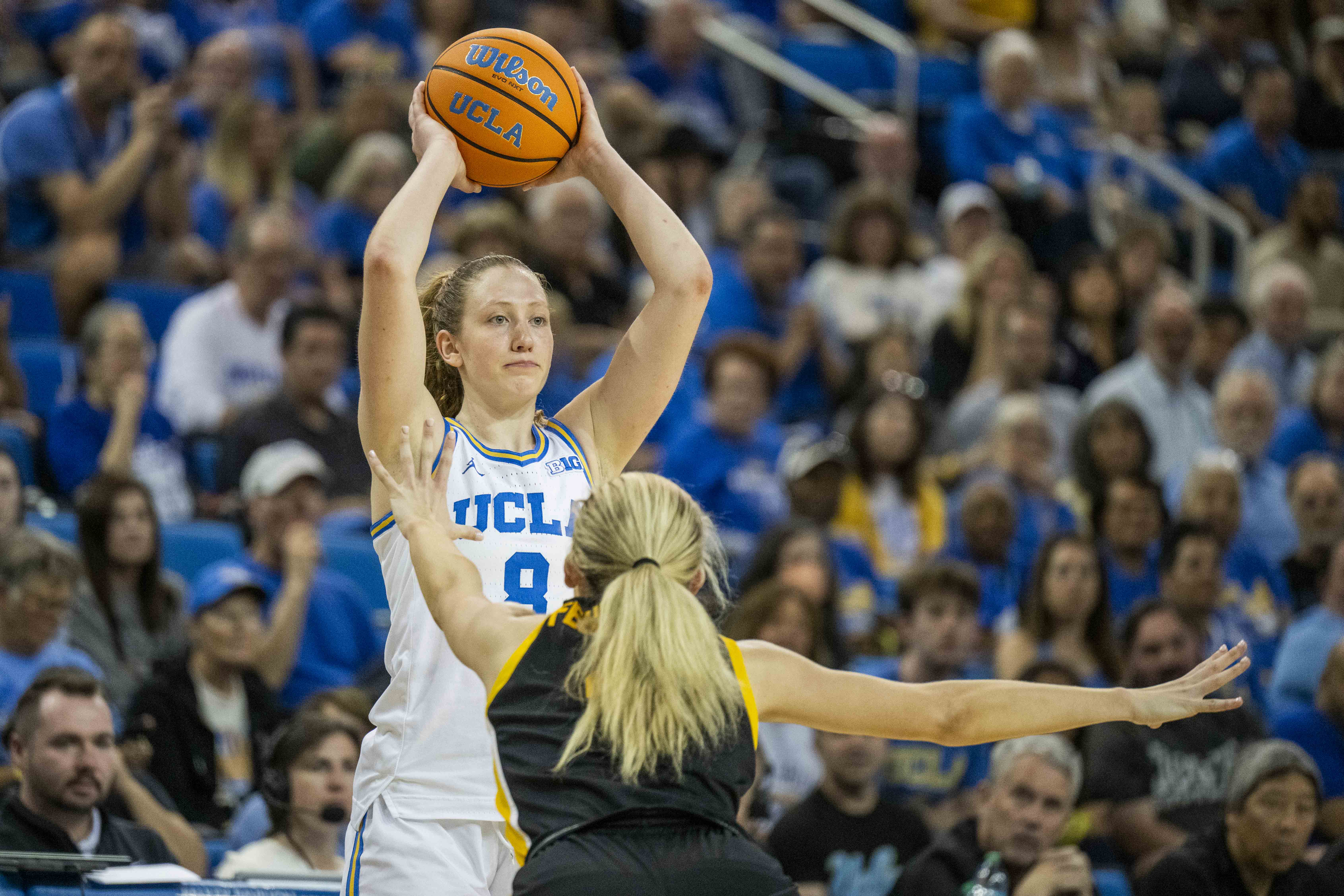
Kneepkens and..?
If the Bruins want to compete for a national championship, they need to be firing on all cylinders.
Against Michigan and Texas, UCLA was unable to create offense from beyond the arc.
The Bruins went 3-for-13 and 4-for-13, respectively, from 3-point land in both contests. The Bruins have attempted over 20 3-pointers per game this season and have converted an average of 7.7 – more makes than they posted against Michigan and Texas combined.
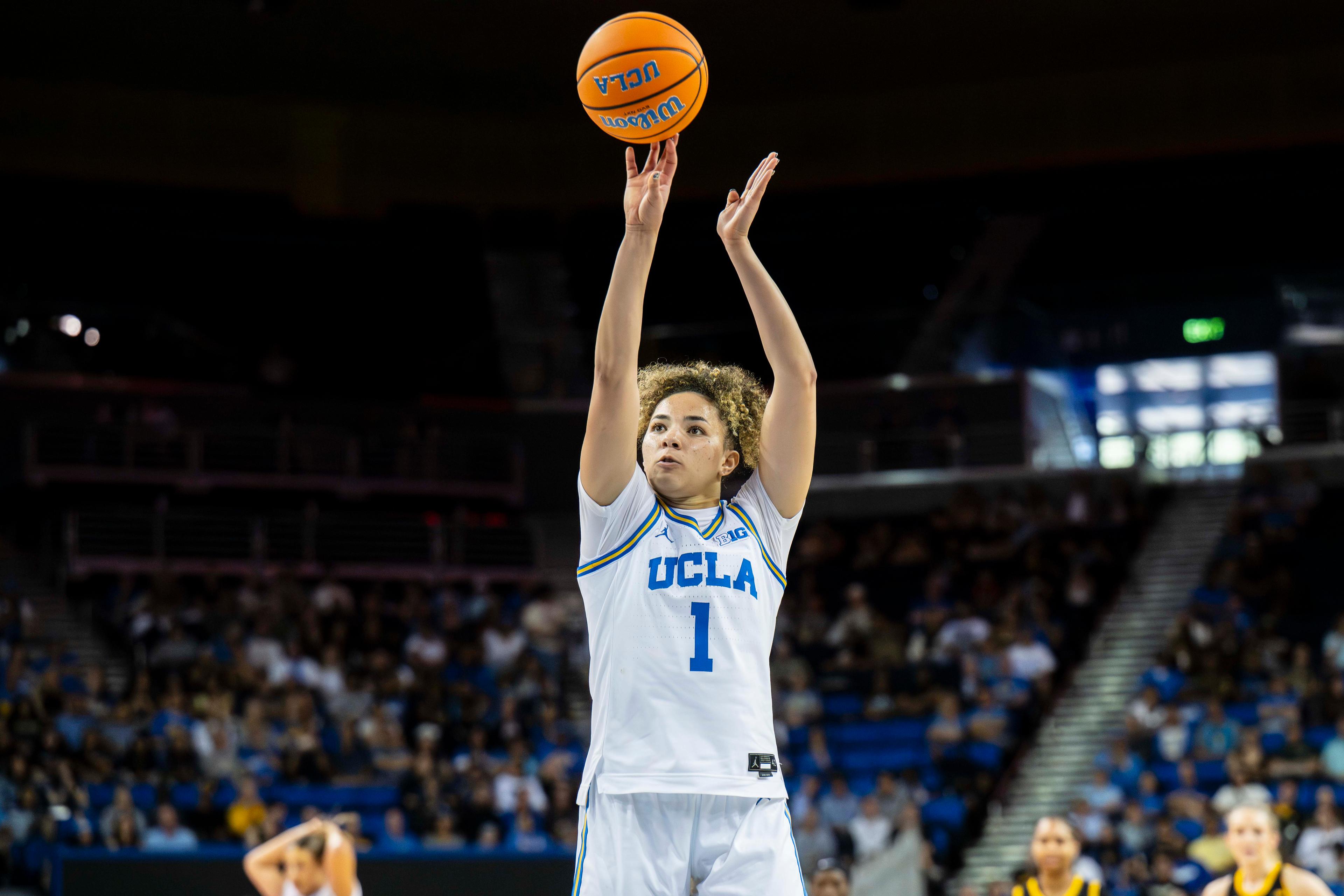
Graduate guard Gianna Kneepkens – who is the squad’s most efficient 3-point shooter – has been the lone bright spot, converting five of her 10 tries across the two fixtures.
The problem has been the remainder of the team, who converted just two of their 16 attempts from downtown during the same period.
If the Bruin offense wants to compete against the best in the nation, Kneepkens cannot be the only threat from deep.
Other players – such as guards senior Gabriela Jaquez, senior Kiki Rice and graduate student Charlisse Leger-Walker – will need to step up when the lights are brightest.
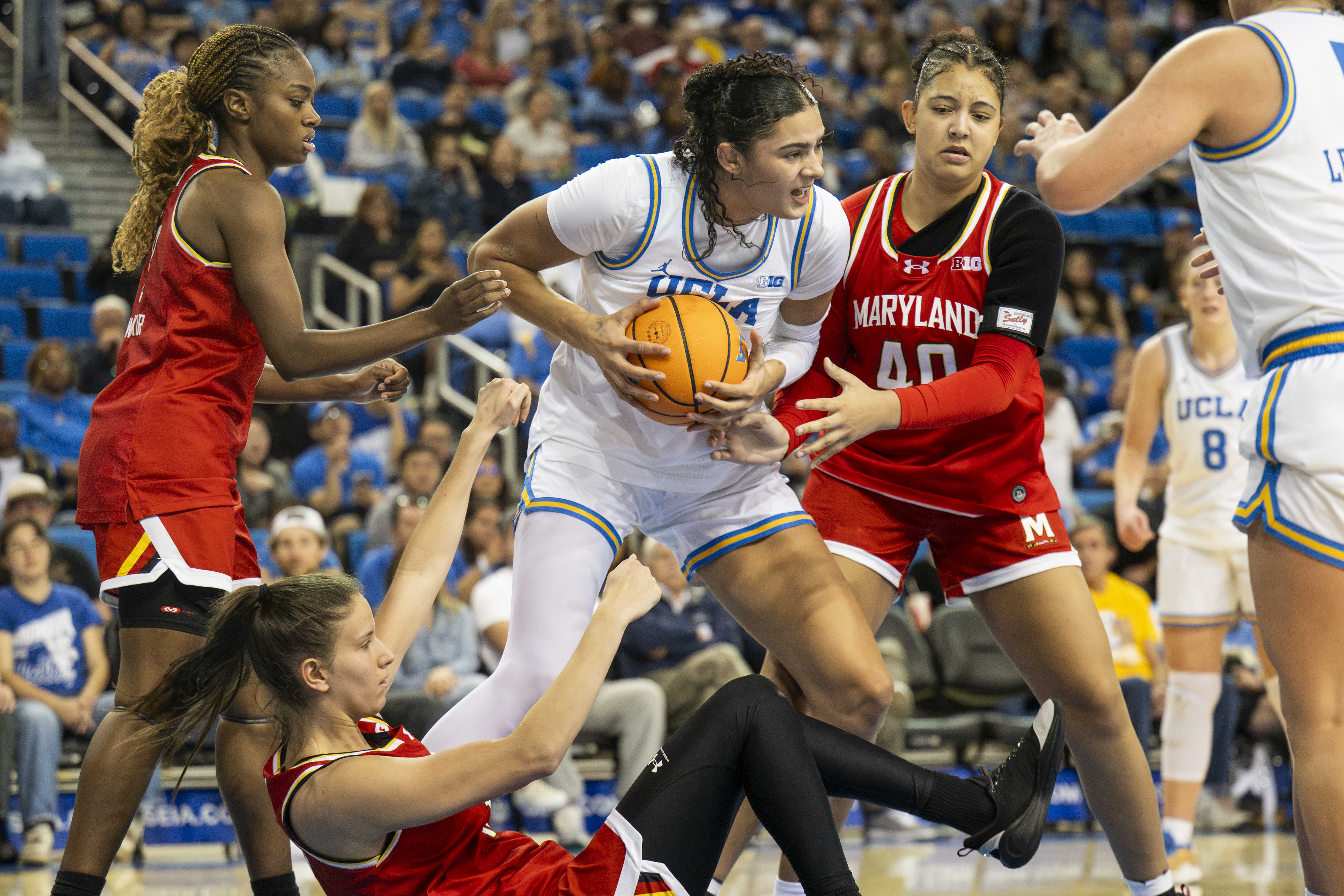
Second-chance opportunities.
When games are as close as Sunday’s victory, margins become paper-thin.
And when there is little room for error, rebounding and preventing second-chance points can be the difference.
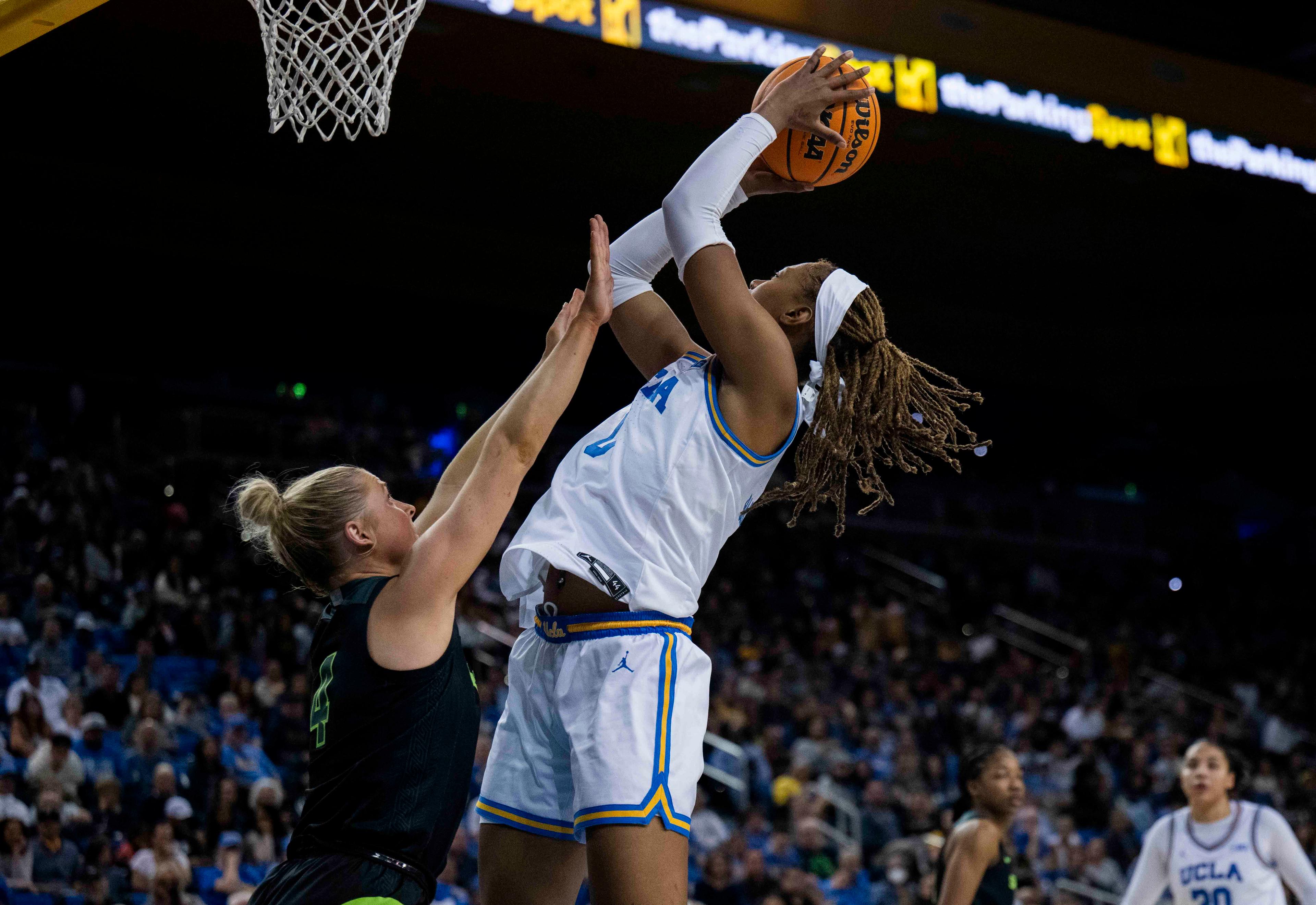
Despite senior center Lauren Betts accumulating 16 rebounds, UCLA was outrebounded by Michigan 14-9 on the offensive glass. And 20 of the Wolverines’ 66 points came from second-chance opportunities.
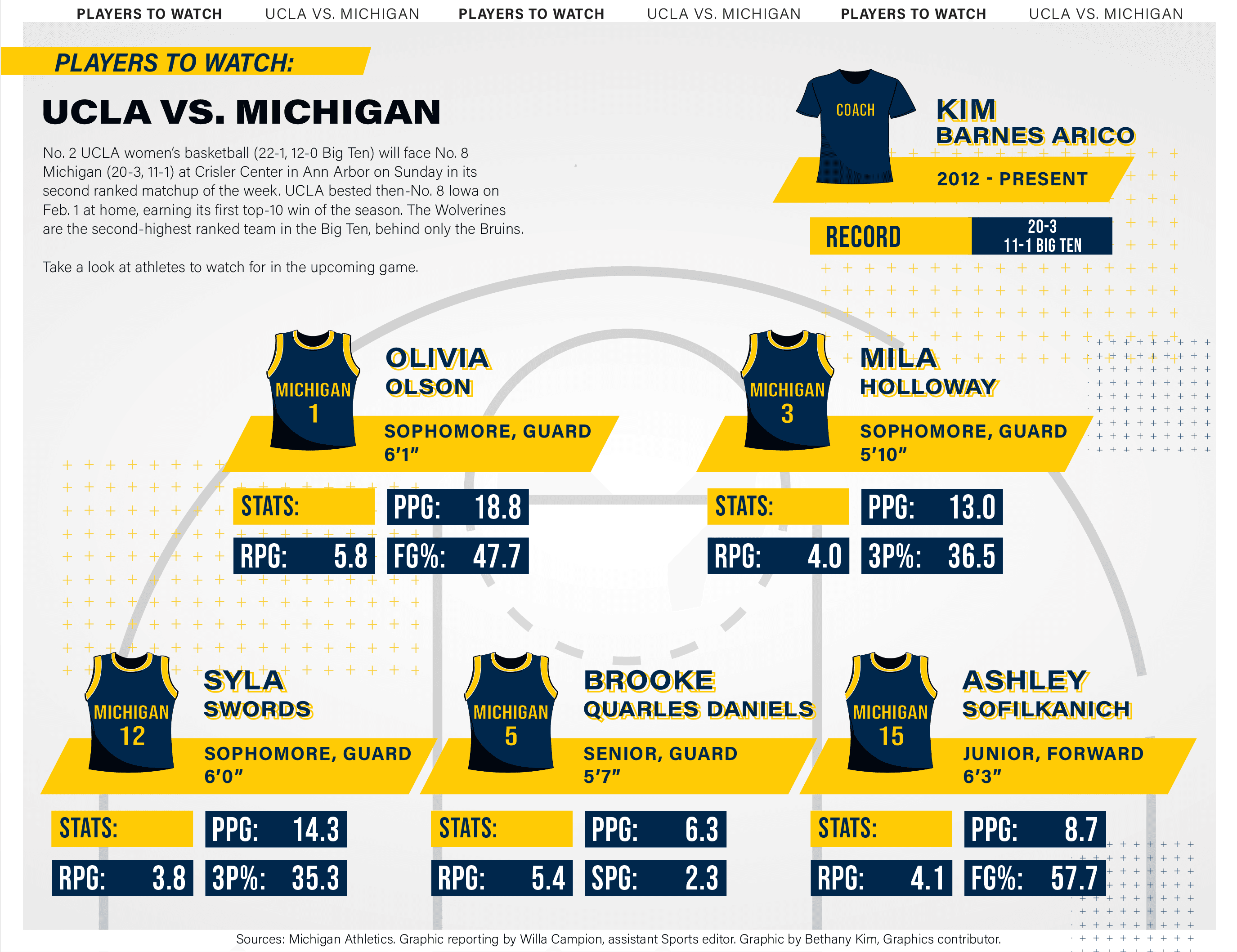
Of those 14 rebounds, six came from 5-foot-7 Wolverine guard Brooke Quarles Daniels, despite every Bruin on the floor being at least three inches taller than her.
While the Bruins are the No. 2 team in the nation in rebound differential – averaging 15 more rebounds than their opponents – and often has a height advantage, they need to consistently assert their dominance on the glass to prevent second opportunities.
If the Wolverines managed to make their final shot – a possible game-tying 3-pointer with just seconds left – those opportunities might have been the difference in the game.
And those are risks the Bruins cannot take when their season is on the line.
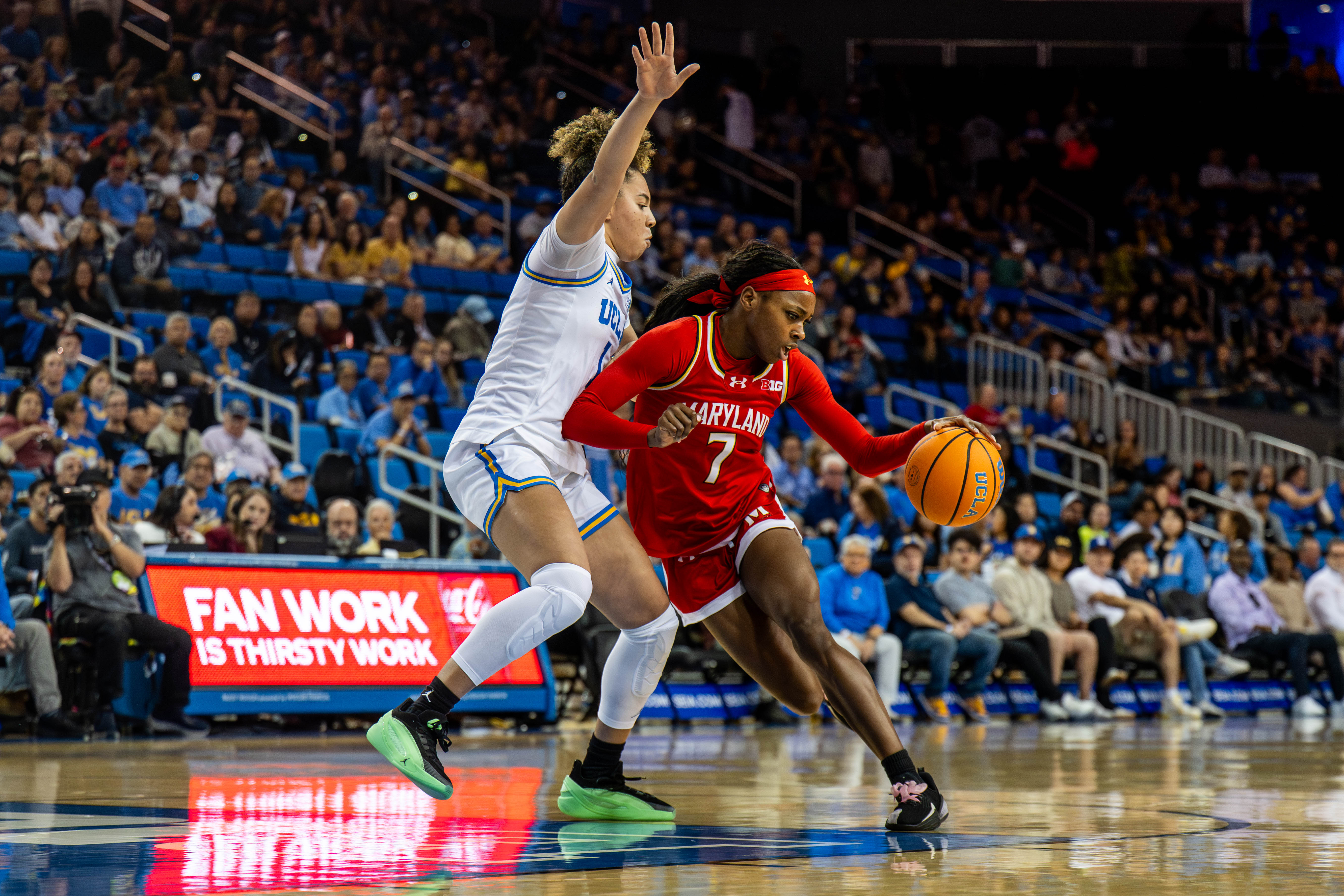
Defense wins championships.
On a day when the offense struggled, the Bruin defense helped pick up the slack.
Michigan has averaged 86.9 points per game this season, converting 48% of its field goals.
But it managed just 66 points against UCLA off 37% shooting from the field and 24% from the 3-point line – including a 0-for-11 stretch from deep that lasted two quarters.
This stretch was vital for the Bruins to turn the game around during that same period, where they converted a four-point deficit into a nine-point lead.
Furthermore, they held Michigan’s top three scorers to just 33% combined shooting from the field, including a 5-for-18 mark from distance.
If the Bruins continue to prevent their opponents from finding rhythm and can stifle multiple scorers at the same time, they can keep themselves in the game when their offense is not playing its A game.
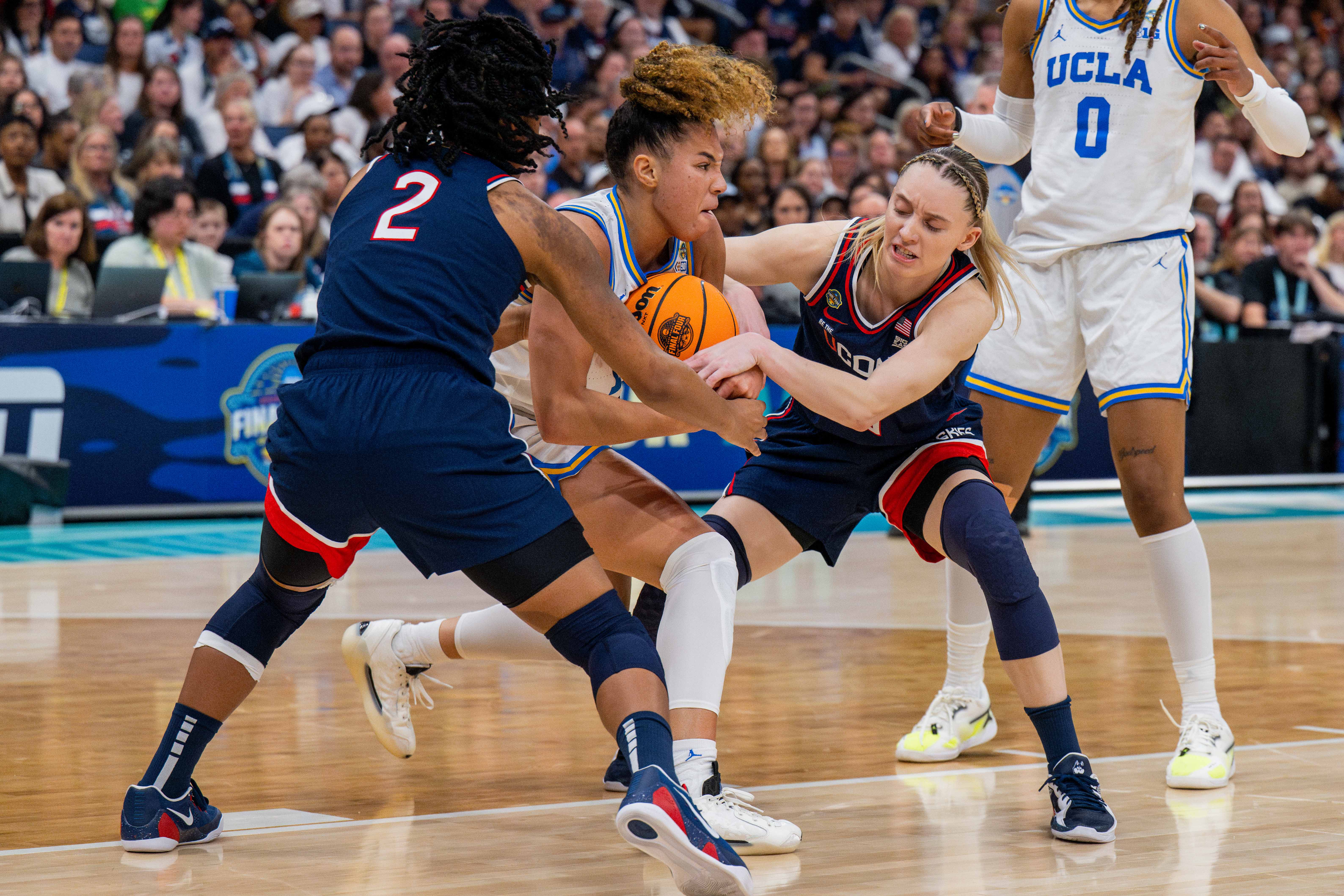
Well, it has been a while.
“You could feel it,” Close said following Sunday’s contest. “You could feel the intensity of each possession. That’s something, honestly, that we’ve needed. We haven’t had that since Texas.”
While an extensive run of dominating performances is never a negative sign, it can make the first close game feel jarring.
And UCLA looked a little off.
After the Bruins went up nine points with 29 seconds remaining, a Rice turnover and two missed free throws by Jaquez – who entered the game shooting 89.7% from the charity stripe – helped give the Wolverines the chance to win.
While the opportunity amounted to nothing, the moments of sloppiness that prevented UCLA from icing the game earlier should hopefully serve as a bit of a wake-up call.
Postseason play, where the games will be closer and the competition tougher, is approaching quickly.
Michigan is just the start of the battle.
Rematches with Texas and UConn may be on the horizon, and UCLA will need to be ready.