Materials conservation scholar, engineering professor Ioanna Kakoulli dies at 57
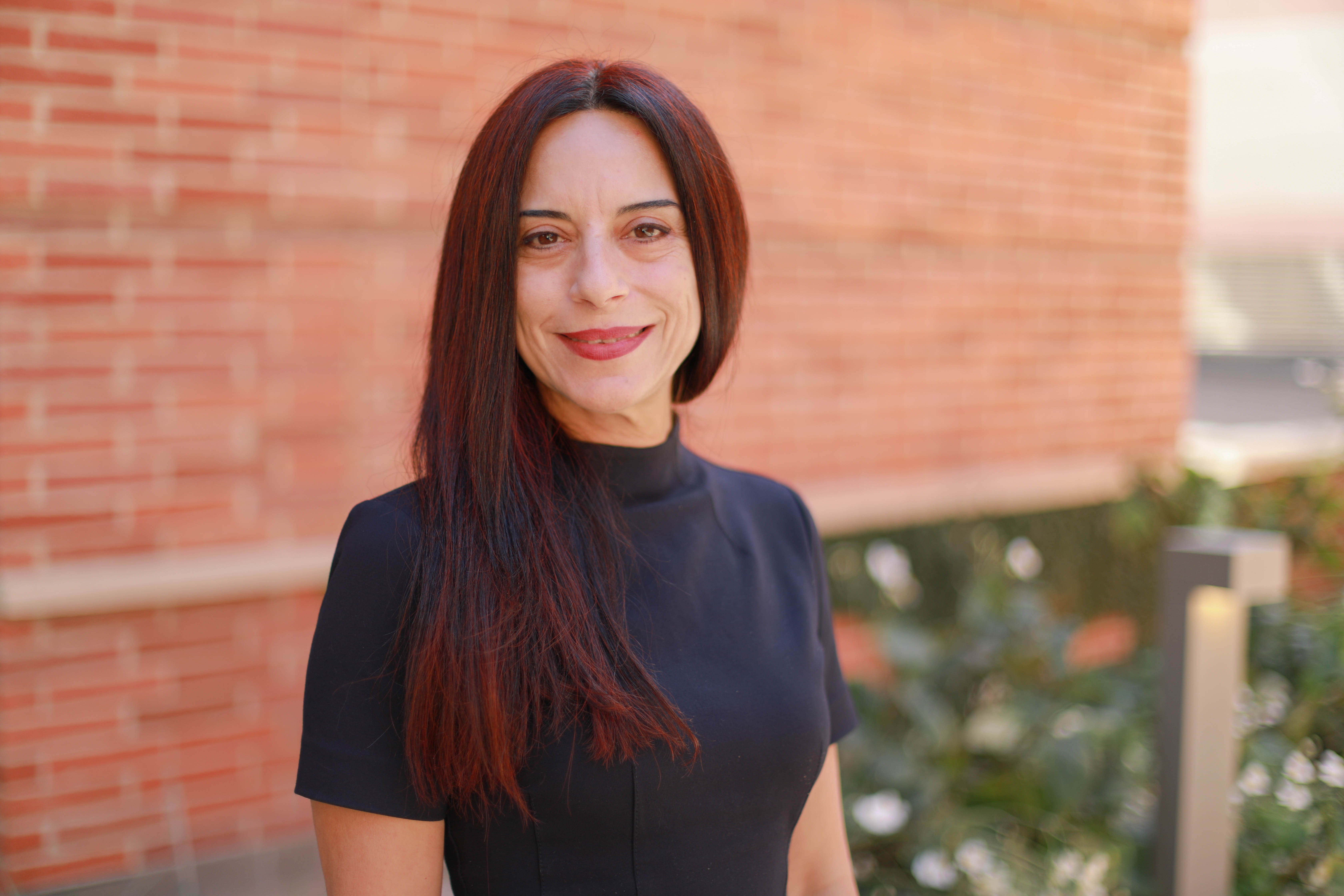
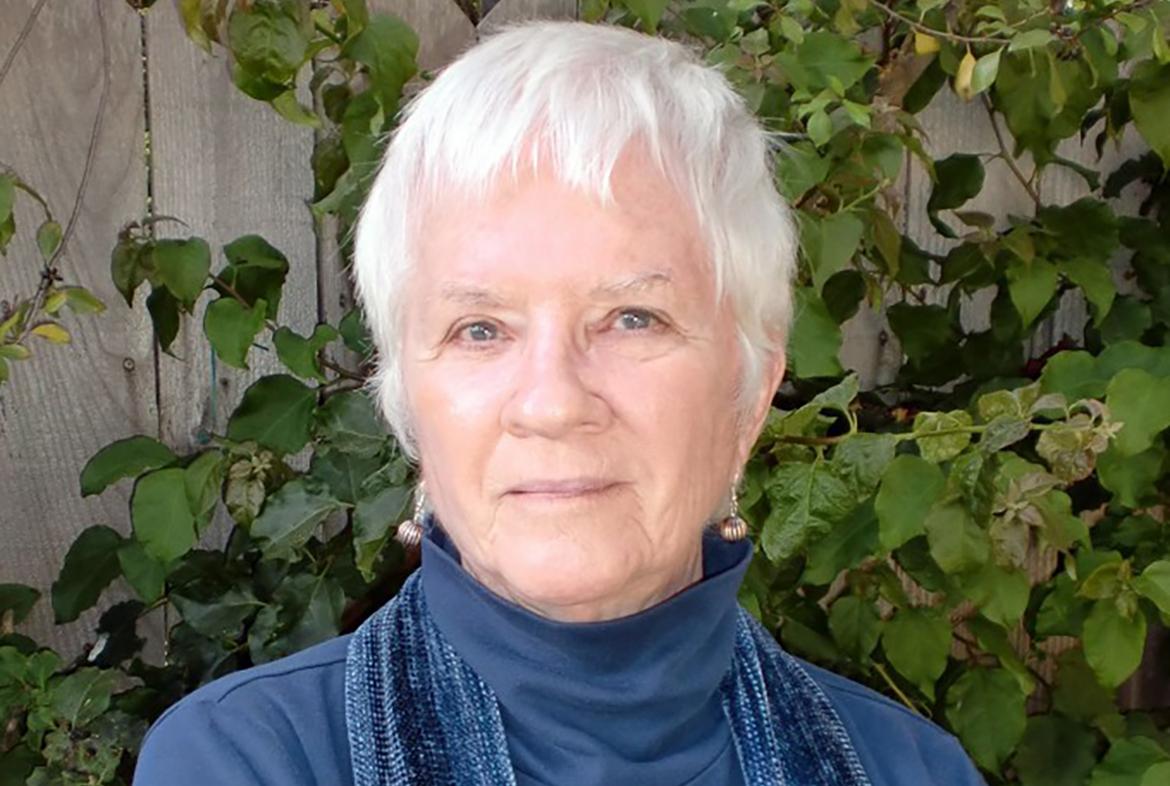
Ioanna Kakoulli, a professor of materials science and engineering, is pictured. Kakoulli – whose research focused on using materials engineering techniques to preserve cultural artifacts – died Jan. 1 at 57. (Courtesy of the UCLA Samueli School of Engineering)

By Alisha Hassanali
Feb. 10, 2026 11:45 p.m.
Ioanna Kakoulli, a professor of materials science and engineering, died Jan. 1. She was 57.
Kakoulli was the first female professor hired by UCLA’s materials science and engineering department, according to an obituary posted by UCLA Global Antiquity. Her research focused on using materials engineering techniques to preserve cultural artifacts.
Kakoulli – the co-director of UCLA’s Molecular and Nano Archaeology Laboratory – was also the acting director of the UCLA Stavros Niarchos Foundation Center for the Study of Hellenic Culture.
“She took on every challenge she pioneered and wanted engineers and wanted women to be seen in all different ways – and not just your traditional stereotypes,” said Haroula Kyriacou, who worked with Kakoulli as both an undergraduate and a graduate student starting in 2012.
Kakoulli, who was elected to UCLA’s Henry Samueli School of Engineering and Applied Science’s Faculty Executive Committee, also served as chair of the Academic Senate’s Graduate Council and was a member of its Executive Board. The Academic Senate is a governing body with nearly 4,000 UCLA faculty members that oversees academic and personnel decisions, and its graduate council reviews and designs policy for graduate programs.
Kakoulli’s interest in the authentic origins of art led her to collaborate with the United States Department of Homeland Security. She investigated the illicit importation of antiquities into the country through this partnership, according to the UCLA Global Antiquity obituary.
Yang Yang, the chair of the materials science and engineering department, said Kakoulli came from a non-traditional materials science background that combined archaeology and social analysis in research. Yang added that he hopes to build a research program that combines cultural and social studies with materials science to honor Kakoulli’s legacy.
“In addition to the highly precise engineering and the scientific research, our research can have also a deep touch to what our culture and what our humanity as well,” Yang said.
Kakoulli was a founding faculty member of the UCLA/Getty Interdepartmental Program in the Conservation of Cultural Heritage – which trains graduate students to conserve archaeological and cultural heritage materials, according to the UCLA Global Antiquity obituary.
Kakoulli used electron microscopy and X-ray diffraction – techniques used to analyze surfaces at atomic levels – to preserve and understand historical artifacts without causing damage, Kyriacou said. She added that Kakoulli valued the interdisciplinary nature of engineering and art preservation.
Kyriacou, who is of Greek Cypriot heritage, said she felt proud to see Kakoulli represent her culture in engineering. Kakoulli was born and raised in Cyprus and has close ties to antiquities and governmental departments in the country, Kyriacou added.
“It was amazing to see her strength, see how she carried herself, see the way that she could command a room,” Kyriacou said. “She always had the respect and the grace to make sure that wherever she was, she was in command.”
Kyriacou added that she and Kakoulli often bonded over their love for Greek folk dancing. Kakoulli performed Tsifteteli – a Greek belly dance – with Kyriacou’s family at her graduation party, she said.
Roxanne Radpour, who was one of Kakoulli’s doctoral students, said Kakoulli held her students to very high standards and fostered collaboration between them. Radpour added that she valued learning from Kakoulli, as she often found STEM research to be male-dominated.
“To see her be very exact and setting these high standards for the quality of our science while still promoting this camaraderie – watching her interact with her own colleagues – set a really good role model,” she said.
Radpour, who is now an assistant professor of art conservation at the University of Delaware, said she remembers Kakoulli by her infectious sense of humor. Kakoulli treated others with empathy and kindness, Radpour added.
“She was so compassionate and kindhearted,” Radpour said. “She made people feel very special when she was talking to them.”