UCLA BioCritical Studies Lab combines social, life sciences to analyze jail deaths
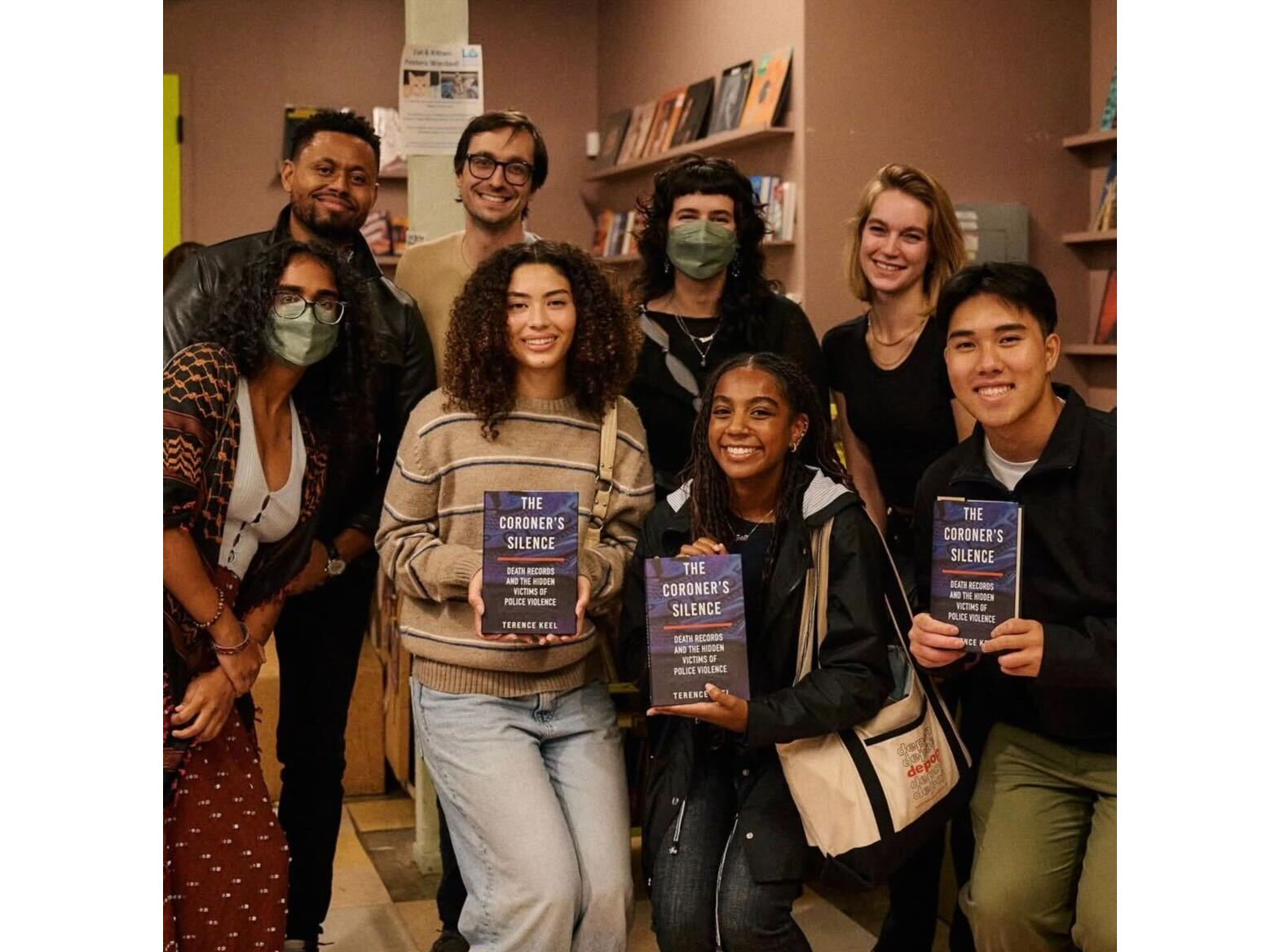
Keel and the BCS lab are pictured with the book. (Courtesy of Terence Keel)

By Zoya Alam
Jan. 25, 2026 12:00 p.m.
Quincy Peters’ family friend was shot and killed by police in 2008.
Fifteen years later, she began working at the UCLA BioCritical Studies Lab – where researchers analyze the autopsies of people who have died in jails or during encounters with law enforcement officers – with the hopes of making legislative change to the policing system.
“We are pushing for justice for the families who have lost loved ones in law enforcement custody, even just redefining what justice looks like,” said Peters, a recent UCLA graduate and research project manager at the BCS lab. “Because death is never justice – somebody dying is never justice.”
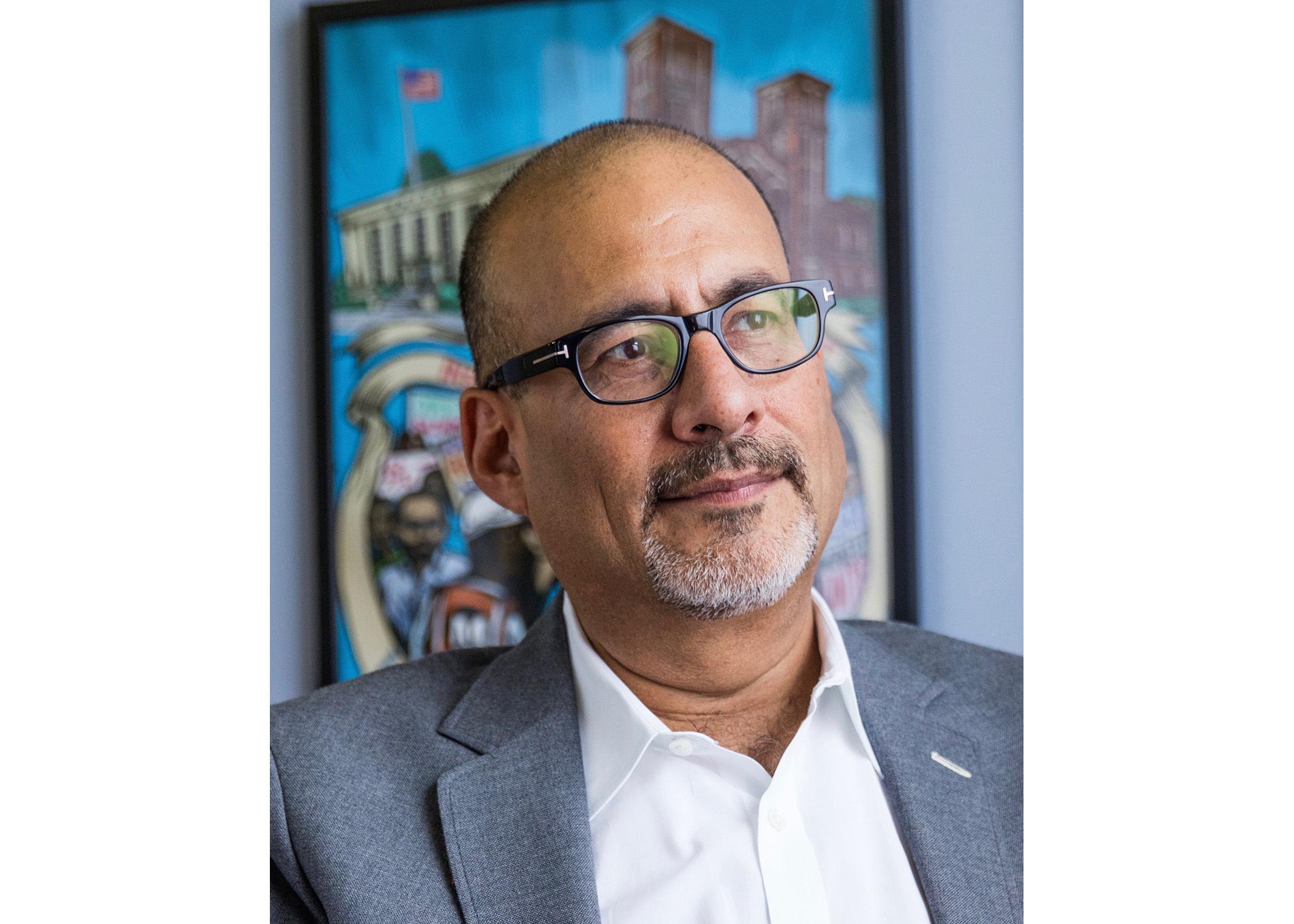
Terence Keel, a distinguished professor of African American studies and human biology and society, founded the BCS lab at UCLA in 2020. Keel said he started the lab shortly after the murder of George Floyd – an unarmed Black man killed by a police officer who kneeled on his neck for over nine minutes, which sparked a series of protests nationwide – with the hope of creating a research center that combined the social sciences with the life sciences.
The Coroner Report Project – one of the lab’s major undertakings – examines the biases within the United States medical examiner system. Keel said he cited much data aggregated from the project in his new book, “The Coroner’s Silence: Death Records and the Hidden Victims of Police Violence.”
Researchers at the BCS lab collected data from autopsies of people who died in Los Angeles County jails for the project, Peters said. The researchers then coded information – such as the person’s name, reported injuries and cause of death – into a large database, according to the BCS lab protocol.
Grace Sosa, the assistant director of the BCS lab, said that while the federal government mandates that law enforcement agencies must report data on deaths that occur while in custody via the Deaths in Custody Reporting Act, she said most agencies do not end up reporting such data or have inaccuracies in what they report.
“One of the goals of conducting this research is to provide alternate sources of data on death in custody,” Sosa said. “We’re getting more names. We’re incorporating more people who would otherwise in that government data set be missed or forgotten.”
Peters said it is not uncommon for coroners to deem a person’s cause of death as “natural” in autopsies, even when the situation around a person’s death may suggest otherwise. She added that, in doing so, medical examiners have the potential to create a scientific backing for politically rooted deaths that are influenced by systemic inequities.
“We see somebody’s death being ruled as natural and that, in many ways, shuts down a lot of questions you should actually be looking into like, ‘What does it even mean for there to be a natural death in law enforcement custody? How can that exist if there is nothing natural about the environment?’” Peters said.
Keel mirrored similar sentiment in his new book, and said the current death investigation system enables law enforcement officers to avoid accountability for the role they play in people’s deaths.
“In all of the autopsies I reviewed for this book, almost never did I find a medical examiner or coroner attribute an in-custody death to larger systemic issues within law enforcement, our criminal justice system, or inequities within our society,” Keel wrote in his book.
The BCS lab team is now working on analyzing autopsies of people who died during encounters with law enforcement officers in non-carceral settings, which are separate from and unrelated to prisons and other policing facilities. Researchers at the lab, who are undergraduate and graduate students, are assigned to one or two autopsy reports per week, from which they encode information about the deaths into databases using an established protocol, Sosa said.
Keel said it is important that he and his researchers treat each autopsy – which documents the last moments of someone’s life – with care and acknowledge a person’s story.
“It was a book that required me to put on many different hats,” Keel said. “I had to be a historian, a philosopher, a data scientist, someone who thought about medical science and anatomy and biology … someone who could sit down with impacted families and their stories and do the best I could at sort of conveying those stories while telling a larger story about what’s wrong with this system.”
Peters says the end goal of the lab’s research and data analysis is to spark legislative change in policing and prison systems. She added that the BCS lab partners with community organizations and other groups in LA that advocate for the abolition of county jails.
Keel said, through his courses and work at the BCS lab, he hopes to instills the importance of activism in his students.
“It’s really important for students at UCLA to remember that they inhabit two worlds simultaneously,” Keel said. “They are at once, students at a prestigious university, but they are also members of a democratic society, and they have civic duties and obligations as a member of a democracy. As an educator, I do my best to train both the student as well as the future leader of our democracy.”