Investigation Reveals UCLA Dining Cut Pest Control Budget Ahead of Rat Infestation
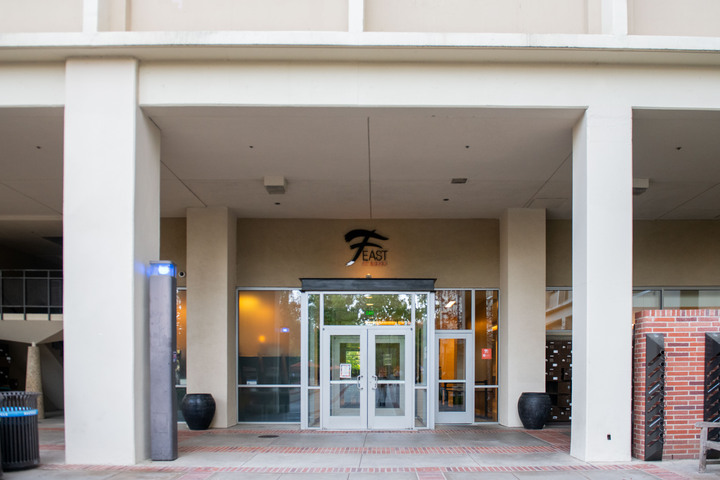
(Leydi Cris Cobo Cordon/Daily Bruin senior staff)


UCLA has consistently underallocated funds to pest control in its residential dining halls, despite warning signs.
The dining halls – including Feast at Rieber, De Neve Residential Restaurant, Bruin Plate and Epicuria at Covel – have not allocated sufficient money for pest control since 2017, consistently failing to increase budgets despite the departments being forced to blow through them each year.
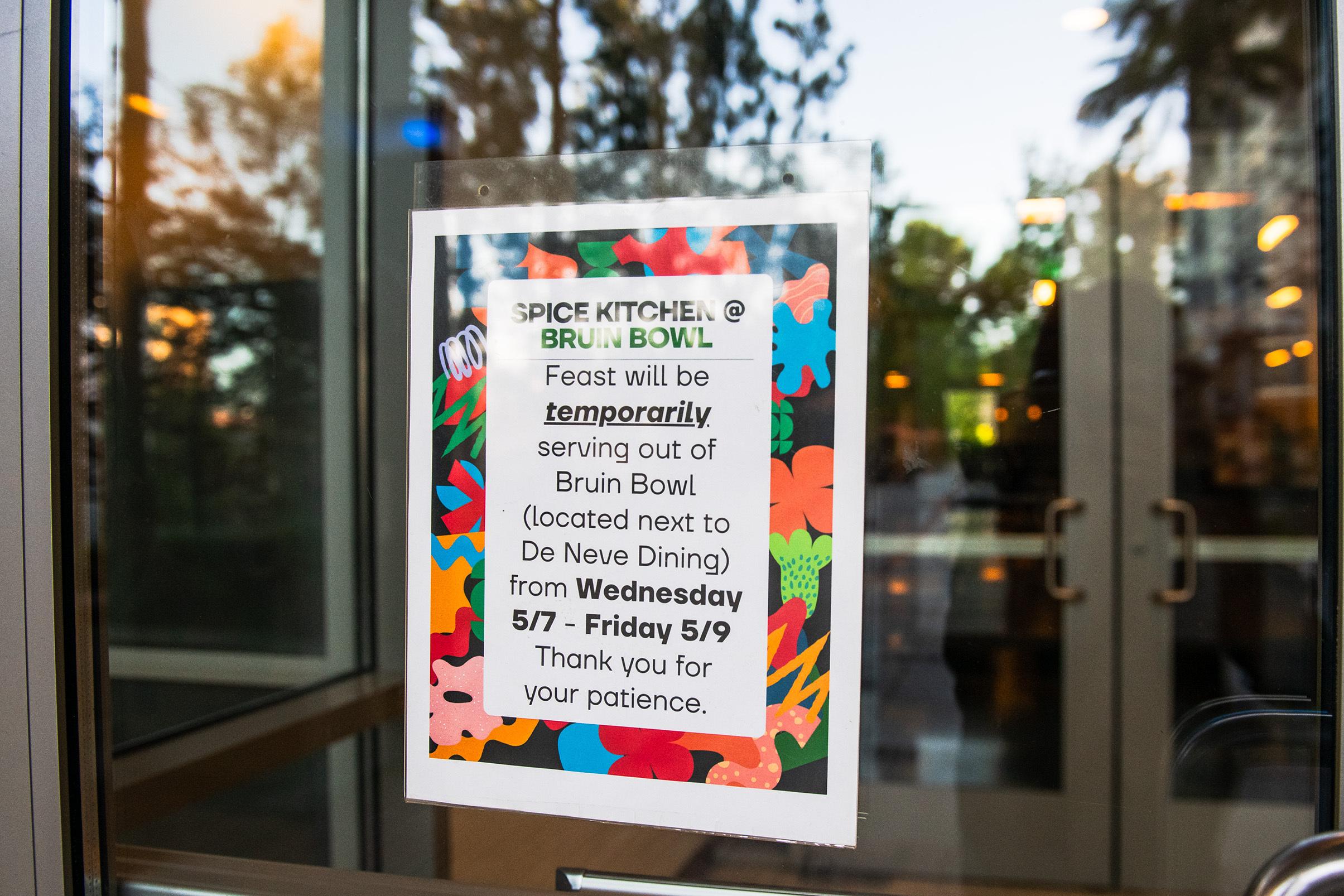
And amid the administration’s cuts to pest control budgets, a rat infestation forced the closure of Feast in May 2025.
[Related: Rat infestation leads to relocation of Feast at Rieber]
These budget cuts started in 2017, the year after Administrative Vice Chancellor Michael J. Beck took office, overseeing administration services, including UCLA Dining. Before 2017, dining halls were routinely budgeting for more than they ended up spending, indicating a policy change in budget distribution.
Between 2016 and 2017 – when Beck arrived at UCLA – De Neve dining hall cut its pest control budget by $11,166.10, with three out of the four dine-in restaurants also cutting the money they allocated to pest control. As a result, dining halls have been forced in recent years to outspend their budgets, with B Plate spending $7,605.07 more than it had allocated in 2023.
B Plate saw a marked increase in spending difference from 2017 onwards, consistently overspending from 2020 to the present. The mean allocation difference was $32,733.33 from 2018-25.
De Neve dining hall saw a drastic decrease in budget allocation from 2016-17, decreasing from $13,887.22 to $2,721.12. As spending trended upward over the years, the budget failed to catch up, remaining relatively unchanged from the years 2020-23 before a delayed uptake in the budget that still failed to cover actual expenditure.
Epicuria at Covel saw a minor budget deficit after 2019, increasing over the years and reaching its peak in 2023 with a spending difference of $3,672.50. Like De Neve dining hall, the budget stayed constant from 2019-23 as well, even as actual expenditure increased.
Despite the clear rise in spending over the years, Feast maintained – and even decreased – its budget from 2017 onward, with the budget for Feast also remaining unchanged from 2020-23, similar to Epicuria at Covel and De Neve dining hall. Despite the sharp increase in spending in 2024 following the rat infestation at Feast, the budget decreased, with a spending deficit of $5,701.12 for the 2024-25 school year.
Beck’s responsibilities as administrative vice chancellor involve management of administrative and operational units of the UCLA Administration, including the budget. He took office on March 1st, 2016, leading strategies in operational efficiency and fiscal management, and working to reduce spending.
When questioned about these issues, a UCLA Housing and Hospitality spokesperson said in an emailed statement that the department ensures dining halls are clean and deals safely with food.
“The issue observed in May was quickly addressed,” the UCLA Housing and Hospitality spokesperson said in the emailed statement. “Our pest management partner provides weekly service and increases visits as needed, while prioritizing prevention and rapid response. This approach aligns with the UC systemwide, long-standing Integrated Pest Management Program.”
Yuhan Zhang, a second-year statistics and data science student who works at Rendezvous, said student workers do what they can when it comes to maintaining the cleanliness of the dining halls by sanitizing tables, vacuuming the carpeted area and cleaning the used containers.
When asked about whether an increase in the budget would help address the pest control concerns regarding UCLA’s dining halls, she said more investigation is needed to uncover the reason these pest incidents are happening.
“I feel like it depends on the actual reason of the case,” Zhang said.
But on-campus residents are still concerned about these issues.
“It’s crazy to see we’re ranked the number one dining hall in the U.S. but we have a lot of sanitary issues,” said Samarth Hedge, a second-year statistics and data science student who lives on the Hill. “It’s something we need to fix.”
About the data:
The Stack used UCLA’s yearly financial reports from 2013-25. These reports included the budget and actual expenses for the different operating expenses of the dining halls, including pest control.
Contributing reports by Dylan Winward, Daily Bruin senior staff.