Opinion: Out-of-state students lack the same resources as their in-state counterparts
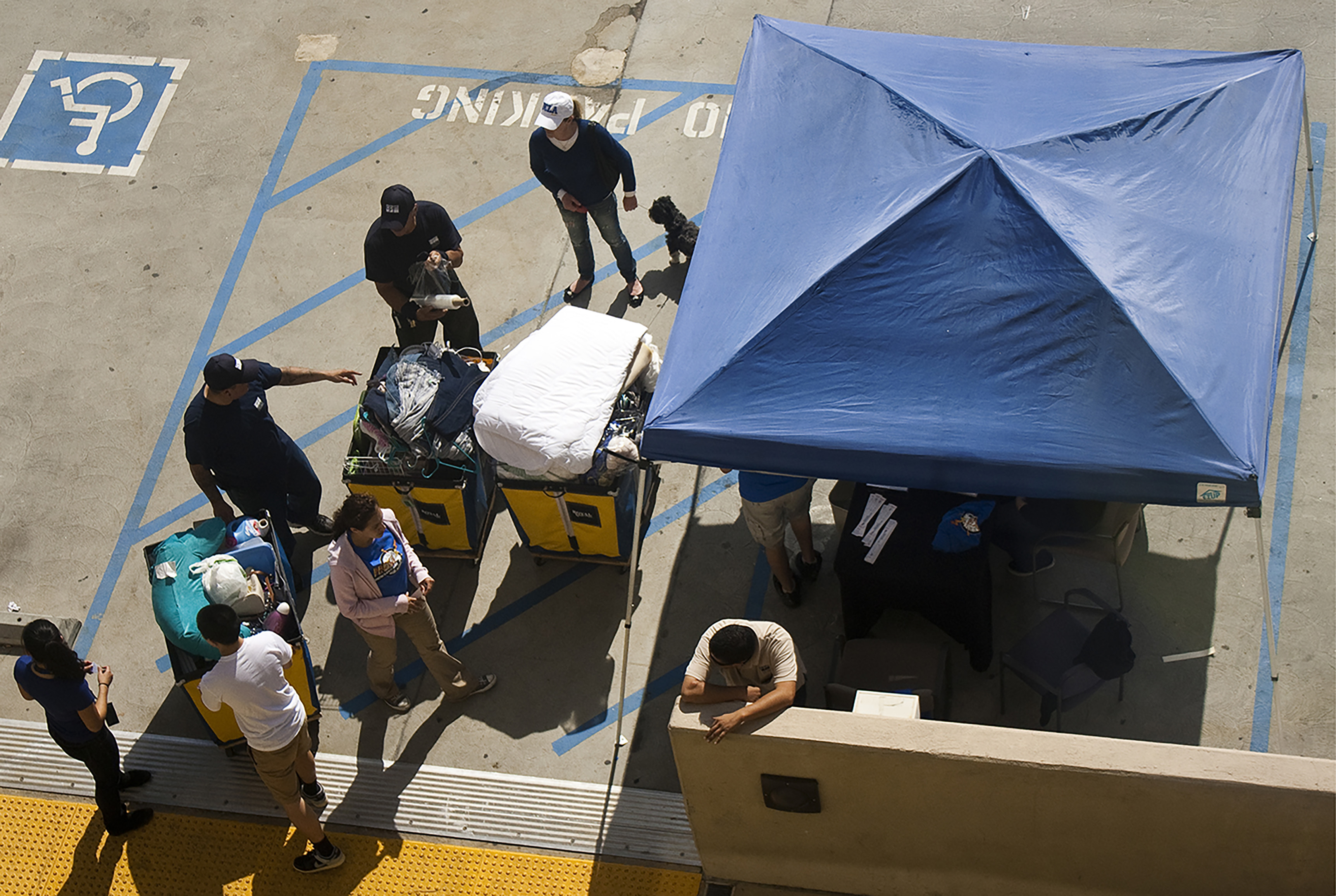
Students moving into dorms at UCLA are pictured. Columnist Ingrid Gruber argues that UCLA needs to provide more support for it’s out-of-state students. (Daily Bruin file photo)

By Ingrid Gruber
Jan. 12, 2026 3:46 p.m.
This post was updated Jan. 21 at 8:10 p.m.
No matter where home is, leaving it is hard.
But UCLA’s out-of-state students face an added challenge.
Out-of-state students pay at least $30,000 more than their in-state counterparts annually. They also must navigate an entirely new environment, community and state.
UCLA must invest in additional resources for its out-of-state students and increase visibility of its existing resources.
“UCLA is dedicated to providing programs and services that advance the well-being and success of our students, including out-of-state Bruins,” said a UCLA spokesperson in an emailed statement.
However, it is unclear what these programs and services are.
For the 13% of the undergraduate population that is domestic out-of-state, there is one out-of-state-specific resource: the Out of State Student Association. OSSA was founded in 2019 and has more than 200 members.
The organization has not updated its website since 2021. It contains only two additional pages: True Bruin Welcome and the Common Experience.
And while the True Bruin Welcome webpage has resources and events specifically tailored for graduate students, transfer students and commuter students, none exist for out-of-state students. The Common Experience also offers no specific out-of-state resources.
It seems that out-of-state students were forgotten by their university among introductions to Greek life, the welcome sale at the UCLA Store and academic open houses.
Joslyn Garcia, a first-year film and television student from Arizona, said she could not find any booths dedicated to out-of-state students at the Enormous Activities Fair.
Services may be available for out-of-state students, but even so, they are too difficult to locate.
“Students generally aren’t as aware of them as I feel like they should be,” Garcia added.
Emmett Stewart, a second-year mathematics/economics student and resident assistant, said RAs conduct surveys and personally reach out to residents to gain an understanding of their backgrounds, asking where students are from as an introductory question.
While RAs are informed of some possible resources they can share with out-of-state students, Stewart said that they lack additional resources.
Some may argue that university students should locate resources individually, but only one resource exists for out-of-state students, and it lacks guidance and current information.
OSSA is relatively active on its Instagram. The website should be updated to reflect this, and the association should work with the university to address the specific needs of out-of-state students.
Garcia said there should be additional resources to help navigate Los Angeles, travel to and from home and find off-campus housing. Stewart said RAs should be informed of out-of-state specific services and programs so they can relay information to their residents.
Out-of-state students are not asking for special treatment. They are asking for acknowledgment.
Despite paying more and traveling farther, but arriving with fewer built-in support systems and safety nets than their in-state counterparts, out-of-state students are offered little more than indefinite affirmations and resources with a title and not much else.
If UCLA truly values the diversity of perspectives that out-of-state students provide, it will invest in their success, not merely in recruitment.
Bruins should not leave home only to be left behind.