Op-ed: One-year anniversary of LA fires emphasizes cruciality of research

By Julio Frenk
Jan. 11, 2026 8:13 p.m.
This post was updated Jan. 21 at 7:56 p.m.
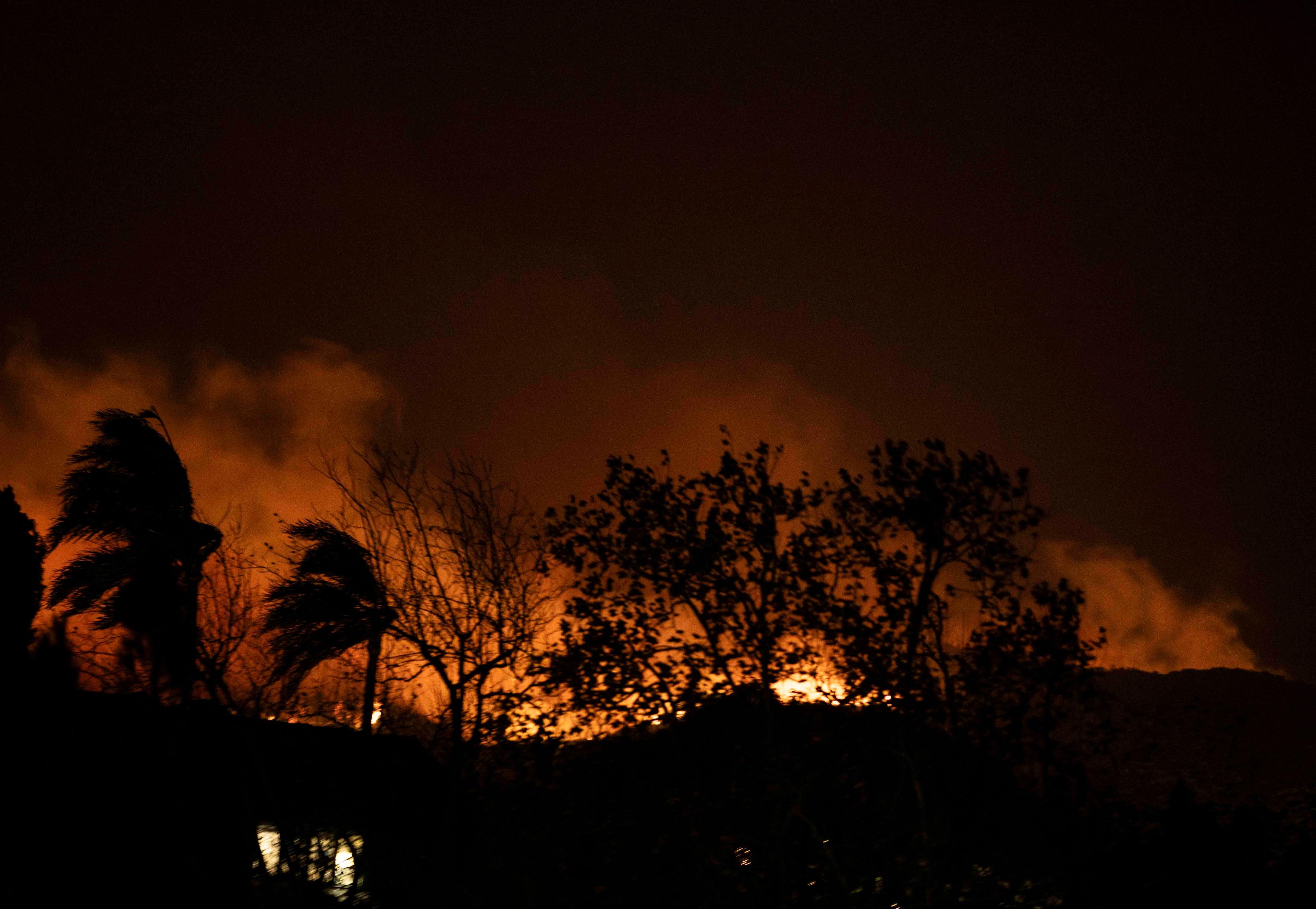
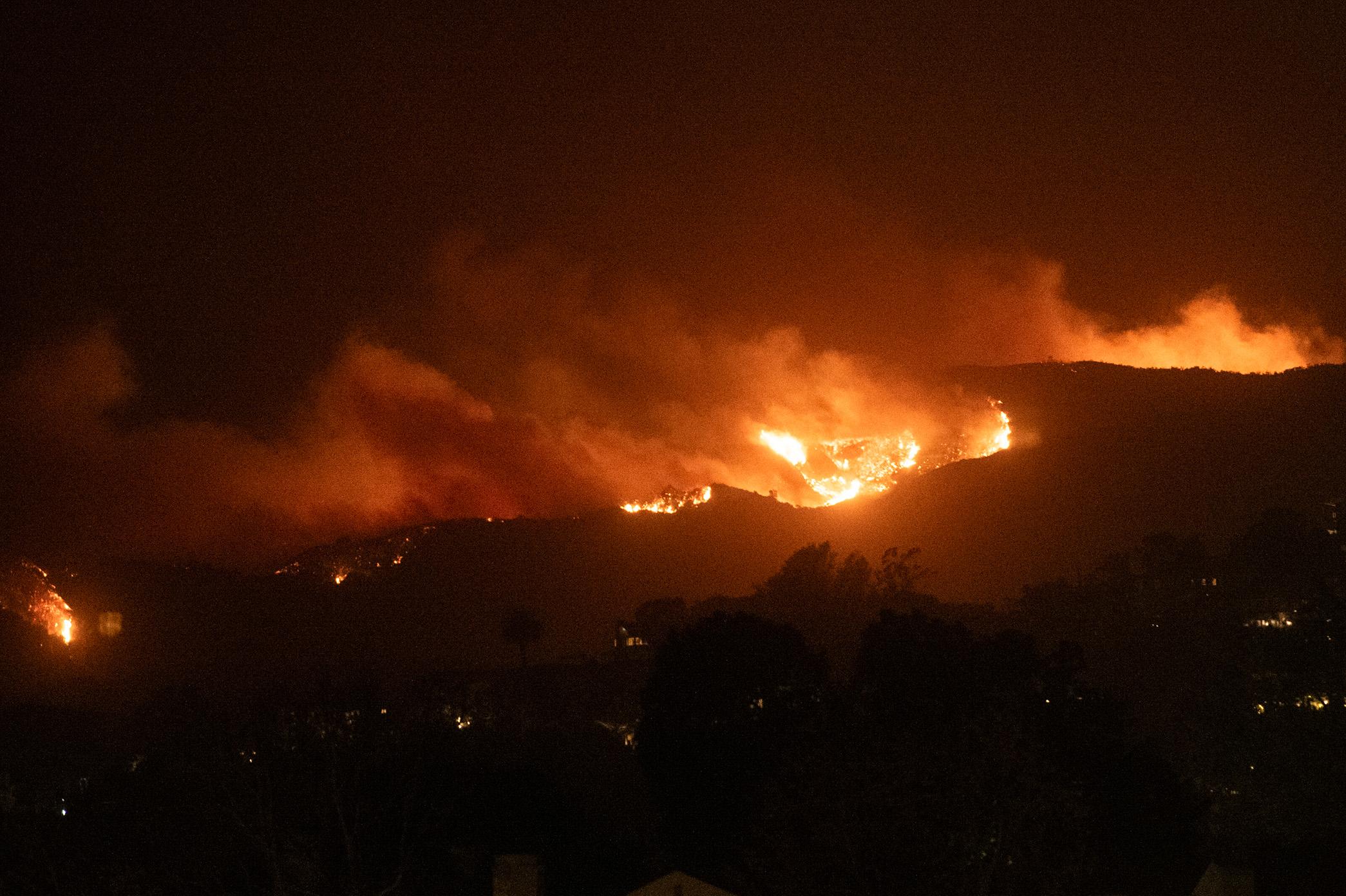
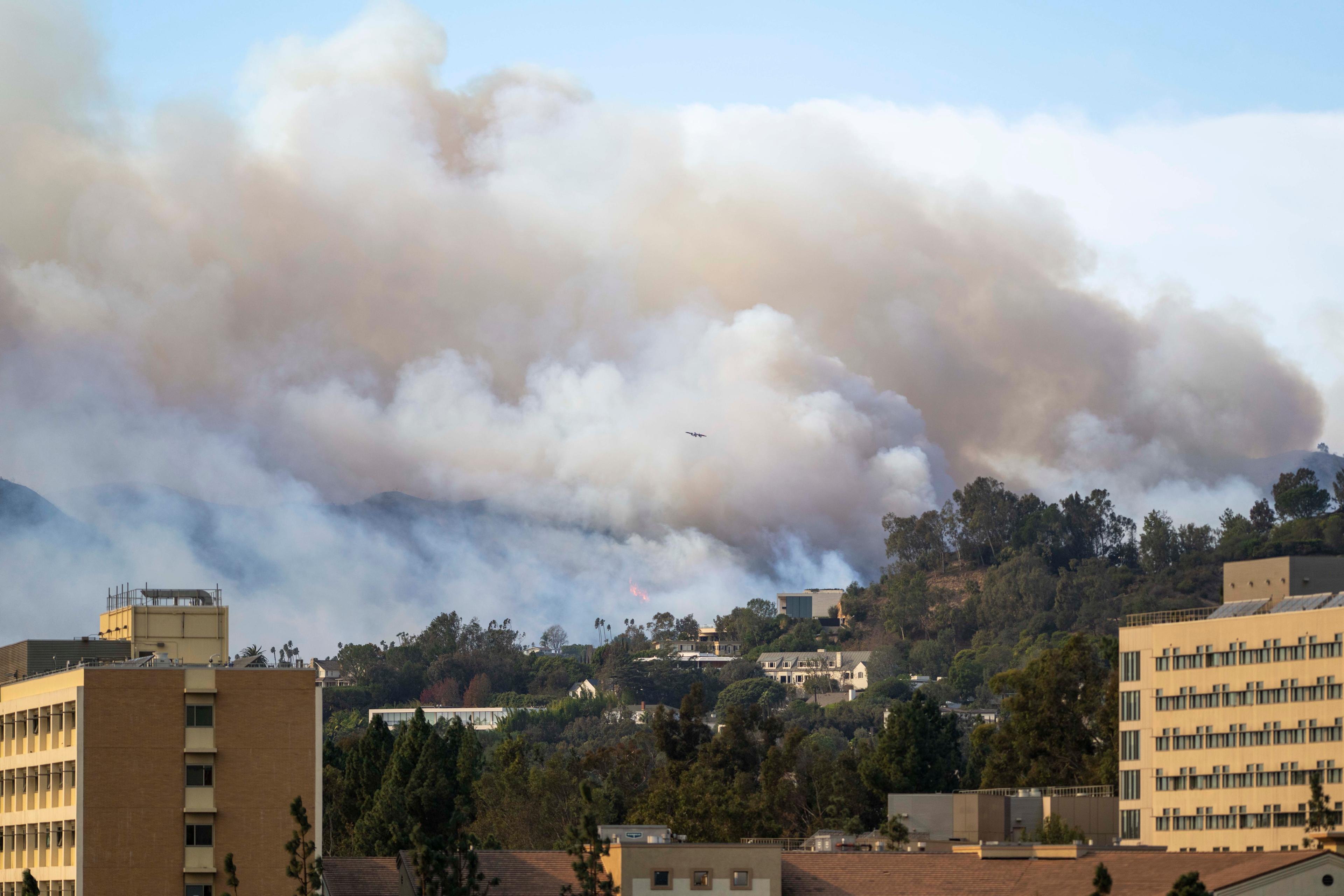
As last year’s Los Angeles wildfires swept through neighborhoods, they left a trail of heartbreaking loss and destruction. Many in our community faced urgent questions: What toxins were lingering in the air? Was the water safe? Could children play outside without risk?
Scholars from our city’s top research universities were quick to help answer these questions. At UCLA, climate scientist Alex Hall and his colleagues – whose models had warned that such catastrophic fire events were increasingly likely – began supporting local agencies and communities in understanding the causes of the fires.
The university’s air quality experts explained how smoke and particulate matter moved through neighborhoods, while environmental health researchers collected air and soil residue samples so families could make informed decisions about returning home. And our scholars were on the ground not just to study the disaster, but to protect the people living through it.
This is what research does. It improves – and saves – lives.
As we mark the one‑year anniversary of the wildfires – one of the worst natural disasters in LA’s history – this truth stands out loud and clear, particularly as many have lost sight of the value of research.
On campuses across the country, research itself has come under attack.
At UCLA, the federal government’s suspension of research funding last summer threatened our ability to pursue life‑saving and life‑changing work, undermined our mission and disrupted the careers of scholars and staff dedicated to serving society.
That funding has been temporarily restored, but the uncertainty remains.
As we continue to respond to this challenge, we must also rise above it. The extraordinary value of research has never been clearer than in the months following the fires.
That is certainly true at UCLA. In our UCLA Fielding School of Public Health, teams tracked how wildfire smoke exposure affected vulnerable residents – older adults, children and outdoor workers – and helped inform guidance to protect long‑term health.
In our UCLA Samueli School of Engineering, researchers developed new approaches to fire‑retardant sensors and components that can withstand extreme heat and help keep first responders safe in harsh environments. Urban planners and community scholars studied how to rebuild neighborhoods in ways that reduce future risk and support social resilience.
UCLA social scientists worked directly with displaced families to understand housing needs and trauma impacts after the disaster. These efforts reflect the breadth and scope of university scholarship.
These are not abstract pursuits. They answer serious questions and take on the most important challenges faced by our communities.
The wildfires demonstrated how urgently we need to invest in knowledge rather than retreat from it. Climate change is producing a new reality in California – hotter, drier and more volatile – and we will face more disasters in the years ahead. Our ability to prepare for that future depends on the research we support today.
That is why threats to federal research funding are so concerning. These grants are not academic luxuries. They are resources that the government itself has deemed vital to our nation’s health, safety and economic strength. At UCLA, they support work spanning public health, engineering, climate and community resilience, as well as broader efforts in cancer therapies. Curtailing such investments slows progress that millions of people depend upon.
The spirit I have found at UCLA gives me optimism. For 107 years – through world wars, economic shocks, a once‑in‑a‑century pandemic and natural disasters like last year’s fires – UCLA has remained steadfast in its mission to educate, discover and serve. We will continue to defend academic freedom, support our scholars and honor the public trust placed in us.
LA has a long road to recovery from last year’s fires, and the sense of loss will remain with us for decades. But let’s remember: research powers progress. It protects families, informs decision‑making and opens the door to a safer, more sustainable future.
UCLA’s motto, Fiat Lux – Let there be light – is not just an aspiration. It is a responsibility. In moments of crisis, the light created by research can be the difference between uncertainty and understanding, between danger and safety, between loss and resilience.
We will keep shining it where it is needed most.
Julio Frenk is Chancellor of the University of California, Los Angeles.