Op-ed: UCLA must build on-campus football stadium to reclaim athletic identity

By L. Carlos Simental
Jan. 9, 2026 6:09 p.m.
UCLA’s recent football coaching hire has done what years of messaging could not: It has created real optimism on campus. Students are paying attention again. Alumni are engaged. Donors are listening. Moments like this matter.
These moments also close quickly.
If UCLA is serious about competing in the Big Ten and reclaiming its athletic identity, the next step should be obvious: commit to building a donor-funded, on-campus stadium at the Drake Stadium site.
This should not be controversial. What’s surprising is how long UCLA has treated it as if it were impossible.
Drake Stadium sits at the center of campus life, between the Hill and main campus – where students actually live, walk and gather. A roughly 45,000-seat stadium, steep and intimate, designed in UCLA’s established architectural language alongside Royce Hall and Powell Library, would immediately transform game days. Built as a multipurpose, year-round venue, it could host football, track and field, soccer, commencement, concerts and major campus events. This is precisely the kind of institutional project donors support because it strengthens UCLA as a whole, not just one program.
Yet whenever the idea resurfaces, it is smothered by a familiar refrain: UCLA can’t build an on-campus stadium because wealthy neighboring communities won’t allow it.
That claim has been repeated so often it is treated as fact.
It isn’t.
Public universities do not operate at the pleasure of private homeowners. The UC has constitutional authority over land use on its own property. UCLA is not subject to the City of Los Angeles zoning or permitting requirements on campus. The only approval that matters is from the UC Board of Regents. Neighborhood opposition can create political friction, but it does not carry veto power.
So where did this belief come from?
In past debates over campus development – including proposals for on-campus hotel and conference facilities – Daily Bruin coverage documented neighborhood objections framed around zoning, traffic and permitting concerns. Those objections were real. They were also loud.
What often faded into the background was UCLA’s own position, stated explicitly at the time: State law exempts UC campuses from local land-use controls. Over time, repeated references to zoning “concerns” hardened into campus folklore that UCLA must ask permission to build on its own land.
That belief is wrong.
And it has constrained UCLA’s imagination far more than the law ever has.
Concerns about traffic, parking and noise are routinely overstated. Westwood is becoming more transit-accessible with the Purple Line extension. Modern stadium planning prioritizes rail access, shuttles and ride-share – not acres of parking lots. Contemporary acoustic design directs sound inward toward the field. UCLA already manages more daily activity from tens of thousands of students living on campus than a stadium would generate on a handful of Saturdays each year.
There is also a cost rarely discussed: branding.
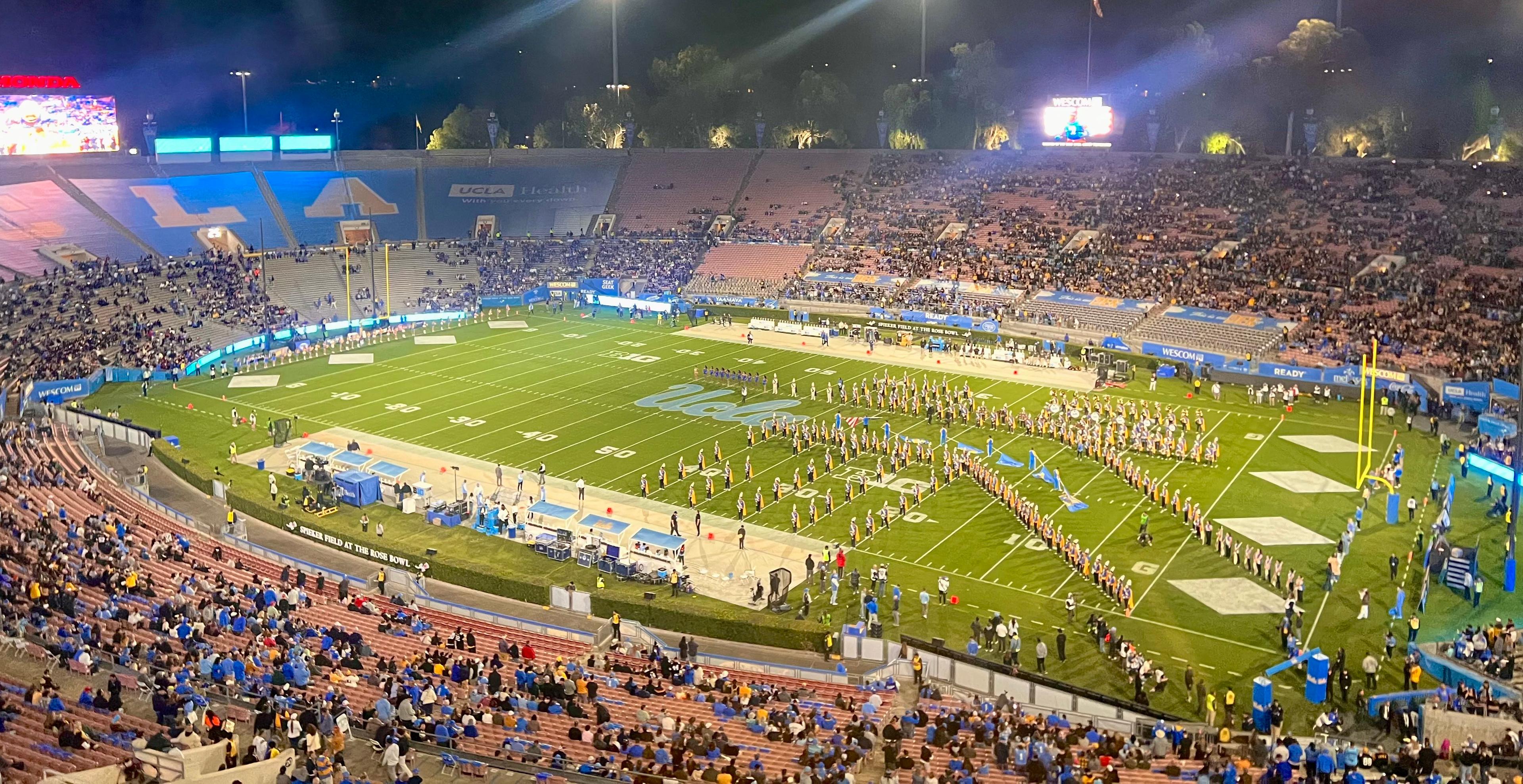
When UCLA plays football, television audiences see generic shots of the Santa Monica Pier, a brief glimpse of Bruin Walk and perhaps a few seconds of Royce Hall. The campus itself – one of the most beautiful public universities in the world – remains largely invisible. An on-campus stadium would place UCLA’s identity, architecture and student energy at the center of every broadcast, strengthening recruiting, alumni connection and national perception in ways no marketing campaign can replicate.
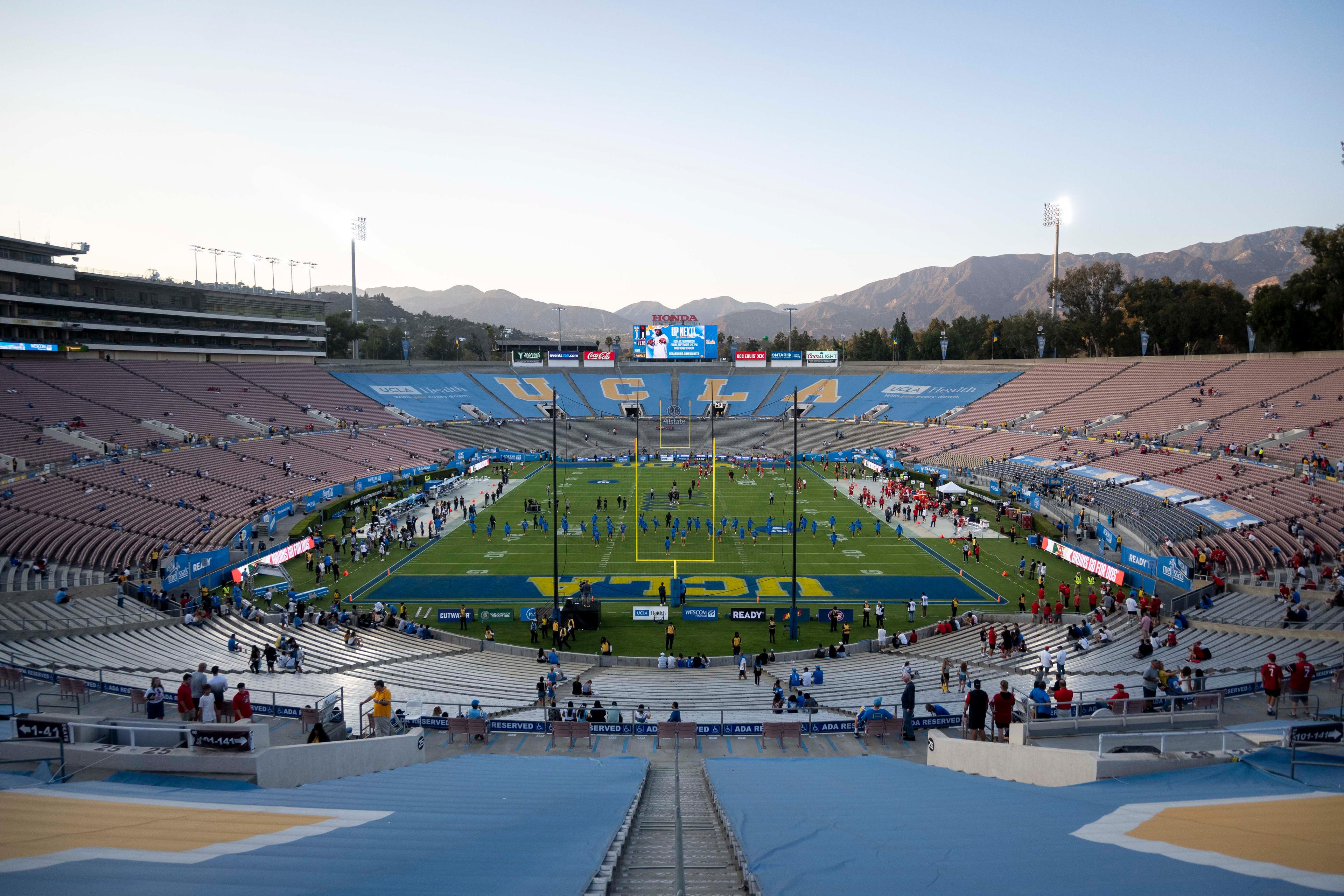
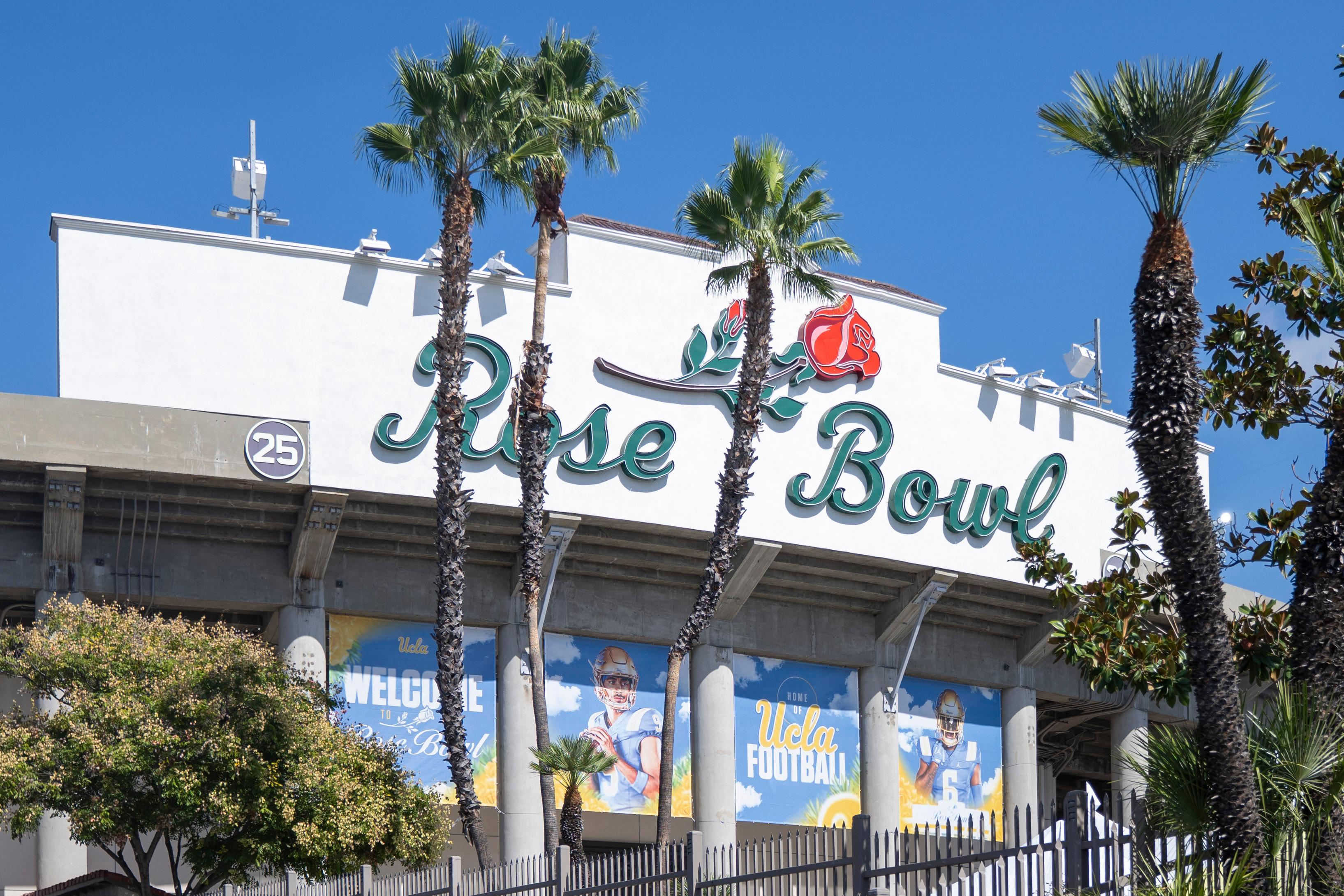
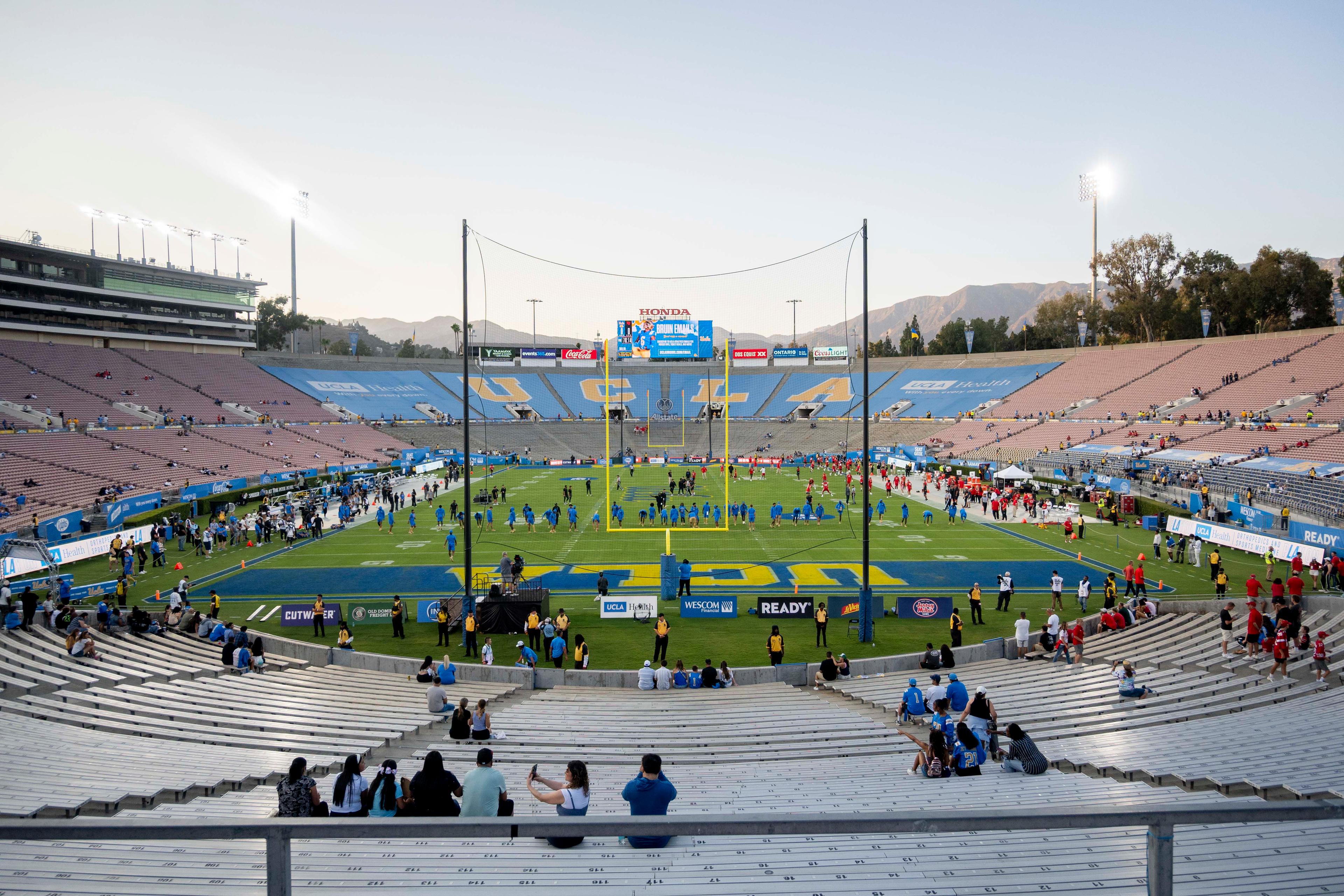
While an on-campus stadium is planned and built, UCLA should renegotiate its Rose Bowl lease as a short-term bridge. But it should be understood for what it is: temporary.
The Rose Bowl is not UCLA’s future. SoFi Stadium should not be part of this long-term conversation.
UCLA is entering a new era. Big Ten membership, NIL and national visibility demand leadership – not hesitation. The question is no longer whether UCLA can build an on-campus stadium.
It can.
The real question is whether students and alumni will continue accepting the fiction that a handful of wealthy neighbors should have more say over UCLA’s future than the people who live, study, teach and invest in it.
L. Carlos Simental is a UCLA alumnus who graduated with a B.A. in political science in 1986 and received a J.D. at UCLA School of Law in 1990.