Indigenous Lit Book Club builds Native community, connections amid retention cuts
(Luna Fukumoto/Daily Bruin)

By Zachery Chagoya
Jan. 6, 2026 5:54 p.m.
This post was updated Jan. 6 at 10:14 p.m.
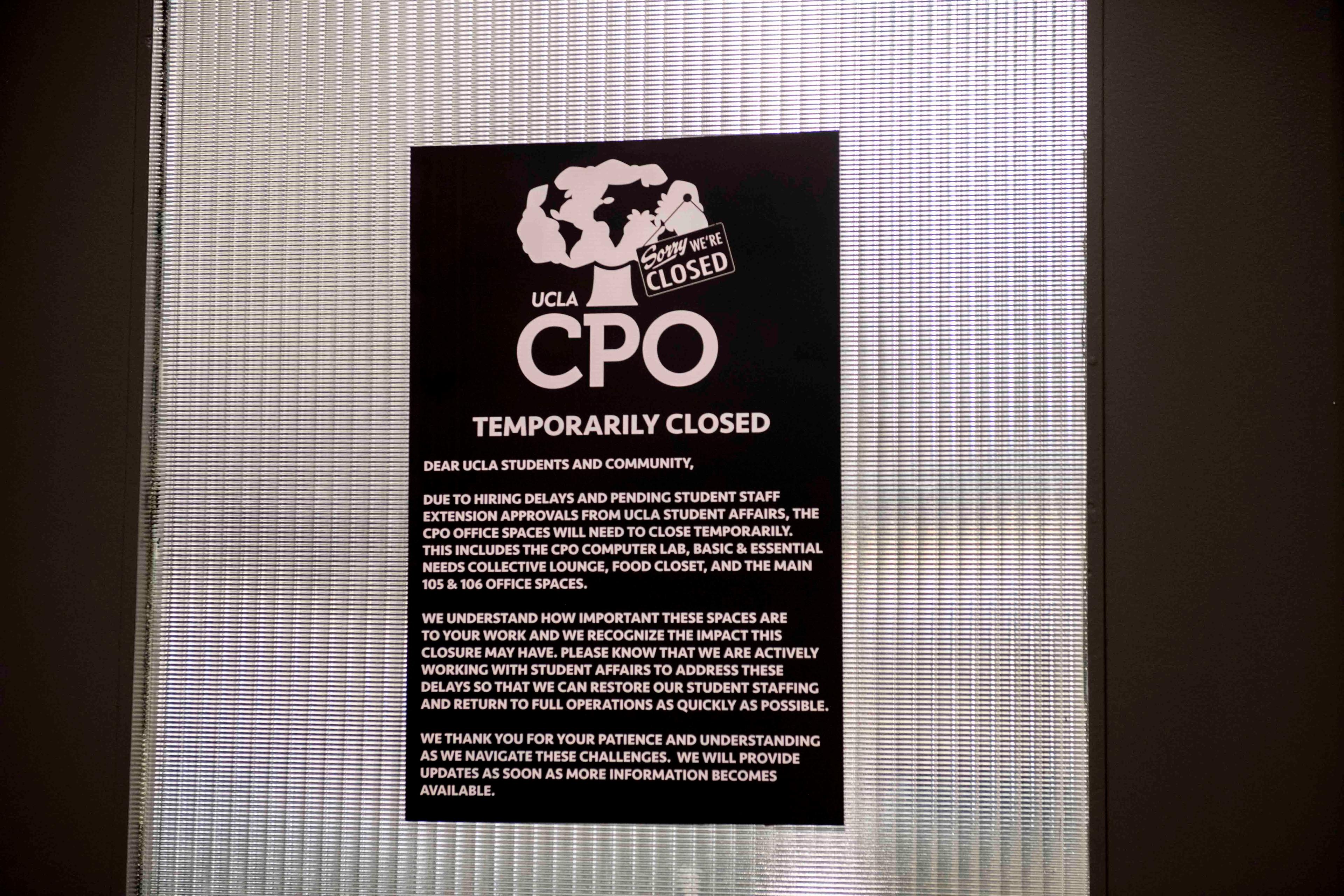
Amid cuts to retention programs for Indigenous students at UCLA, two members of the American Indian Studies staff said they are providing a space for community members to feel seen and heard.
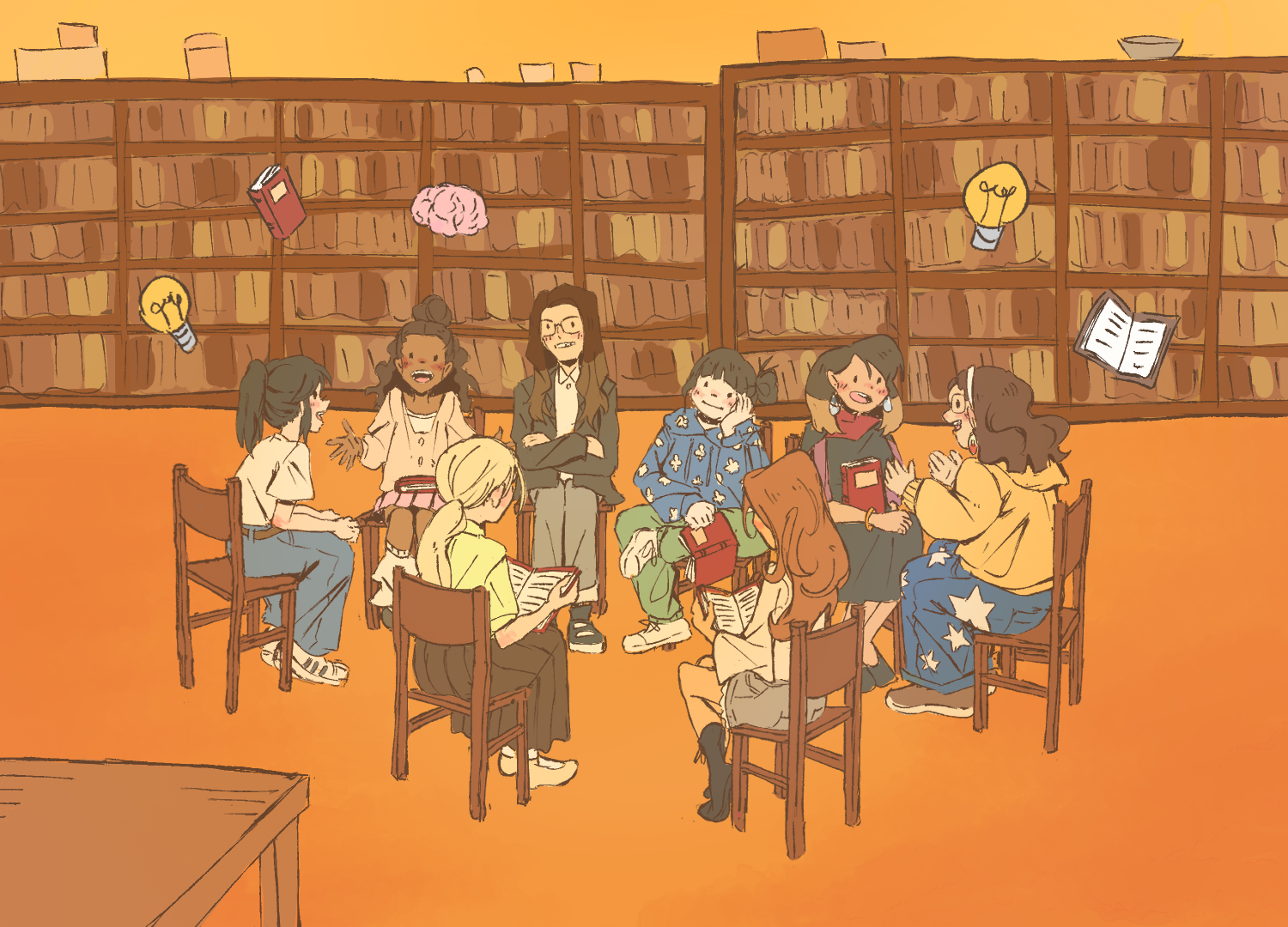
The Indigenous Lit Book Club – which first met Nov. 24, 2025, and is hosted by the UCLA American Indian Studies Center Library – offers a space for students, staff and faculty to engage with Indigenous literature and culture through quarterly meetings, said Theresa Ambo, an associate professor in the Department of American Indian Studies at UCLA.
Joy Holland, a librarian and archivist for the American Indian Studies Center Library, said she and Ambo co-lead the Indigenous Lit Book Club. They decided to create the club because of the uncertainty students face regarding the future of UCLA’s Indigenous retention projects, as well as concerns over support programs for American Indian Studies students, Holland added.
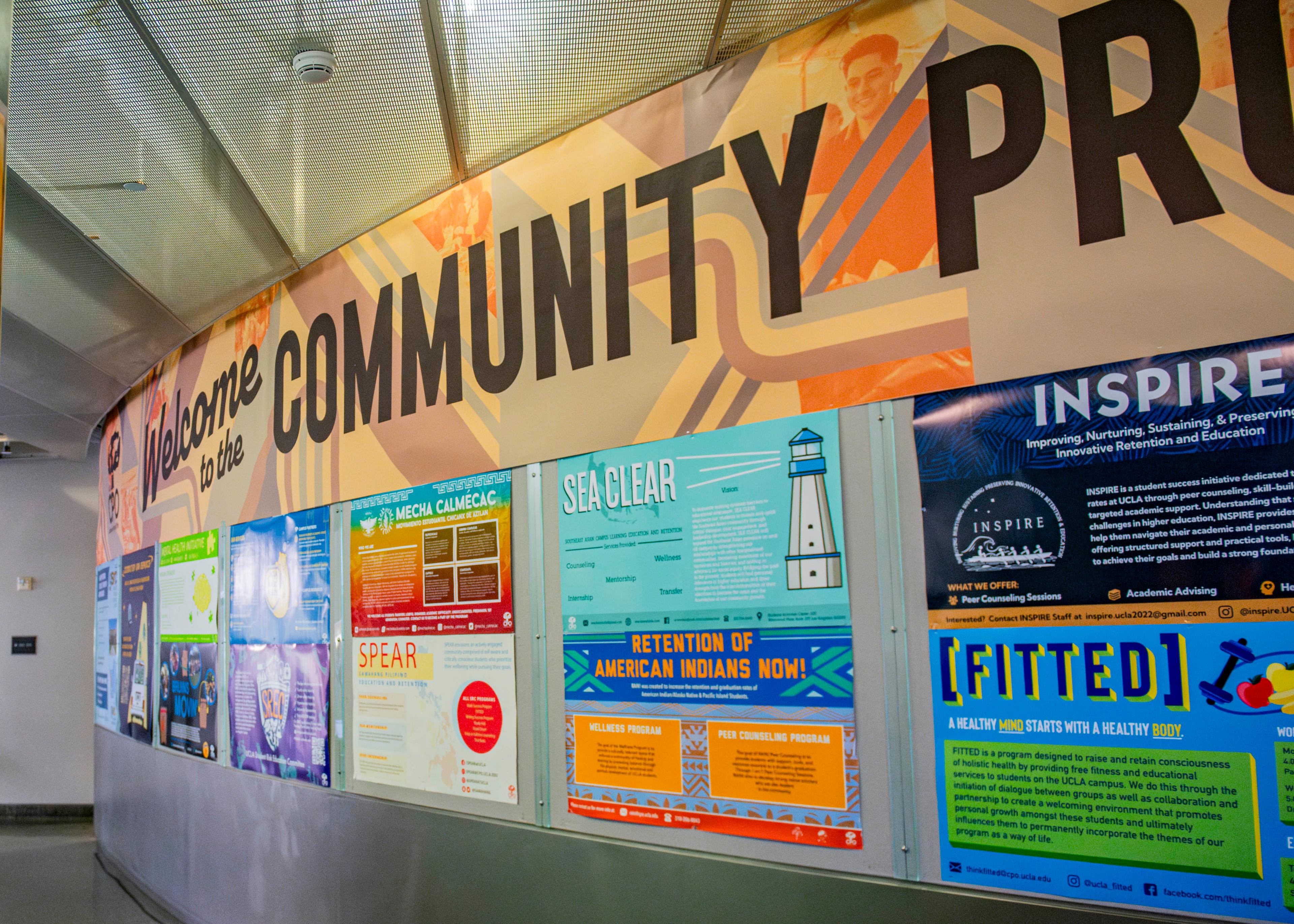
Retention and access projects – which fall under the UCLA Community Programs Office’s Student Initiated Outreach Committee and the Campus Retention Committee – provide counseling and workshops to help students from low-income backgrounds succeed academically, according to the CPO’s website.
Five project directors said in a July letter that UCLA Campus Life chose not to renew the contracts of some project directors who oversaw the programs past July 31, 2025, including the project director for the Retention of American Indians Now! program. RAIN! aims to support Native students’ mental, physical and spiritual well-being according to its Instagram account.
[Related: UCLA lays off some retention, access program staff amid federal DEI scrutiny]
UCLA Media Relations did not provide a specific comment on the cuts to Indigenous retention and access projects, instead referring the Daily Bruin to a BruinPost about Chancellor Julio Frenk’s leadership coalition to address the university’s budget deficit.
[Related: Julio Frenk announces Executive Budget Action Group to manage UCLA’s monetary concerns]
Project directors added in the letter that Campus Life told staff it would not renew their contracts because of federal directives that “reinterpret diversity, equity, and inclusion initiatives as potentially non-compliant with anti-discrimination laws.”
“There’s a couple of programs that are long-standing that relate to retention and recruitment of Native students that have been cut back this term, and we wanted to make sure that our students didn’t fall through the cracks,” Holland said.
[Related: UCLA outreach, retention programs manage staffing constraints]
Salvador Cruz, a fourth-year American Indian studies and sociology student, said the book club felt like “home.”
He added that he believes the club creates opportunities for Indigenous people to unite on campus. Indigenous undergraduate students make up less than 0.7% of the university’s total undergraduate student body, according to UCLA’s website.
Faculty, staff and students from different departments participate in the club, which Cruz said helped him build confidence in his communication skills.
“We’re all from different tribes and different areas of the land, so for us to get together and be in one place at the same time, I think that’s beautiful because you create that medicine, … the unity and that family,” he said.
The meetings are informal and aim to shine a light on Indigenous authors who may not be widely known, Ambo said. Holland added that the club is open to all members of the UCLA community who are interested in learning about Indigenous literature.
“Our goals were to support Indigenous authors and creatives to bring people together regardless of their background, regardless of gender, regardless of class or position within the institution and to create a creative space where the common denominator was a piece of creative work and build a community around that,” Ambo said.
Ambo said members of the book club had a discussion on “Big Chief,” a novel by Jon Hickey about a former law school student navigating tribal politics, for their first meeting. The attendees often discuss how the given book relates to students’ scholarly activities and daily lives, Holland added.
The club plans to explore a range of genres and formats in future meetings, including horror, graphic novels and poetry, Ambo said. She added that she intends to include a variety of creative mediums, engage different audiences and keep club members coming back.
“It really accomplished what we set out to do, which was, one, to have fun and read something,” Holland said. “But two, also just create those connections so the students remember that they have this support network on campus.”