UCLA First Year Scholars Program goes on hiatus after years of denied funding
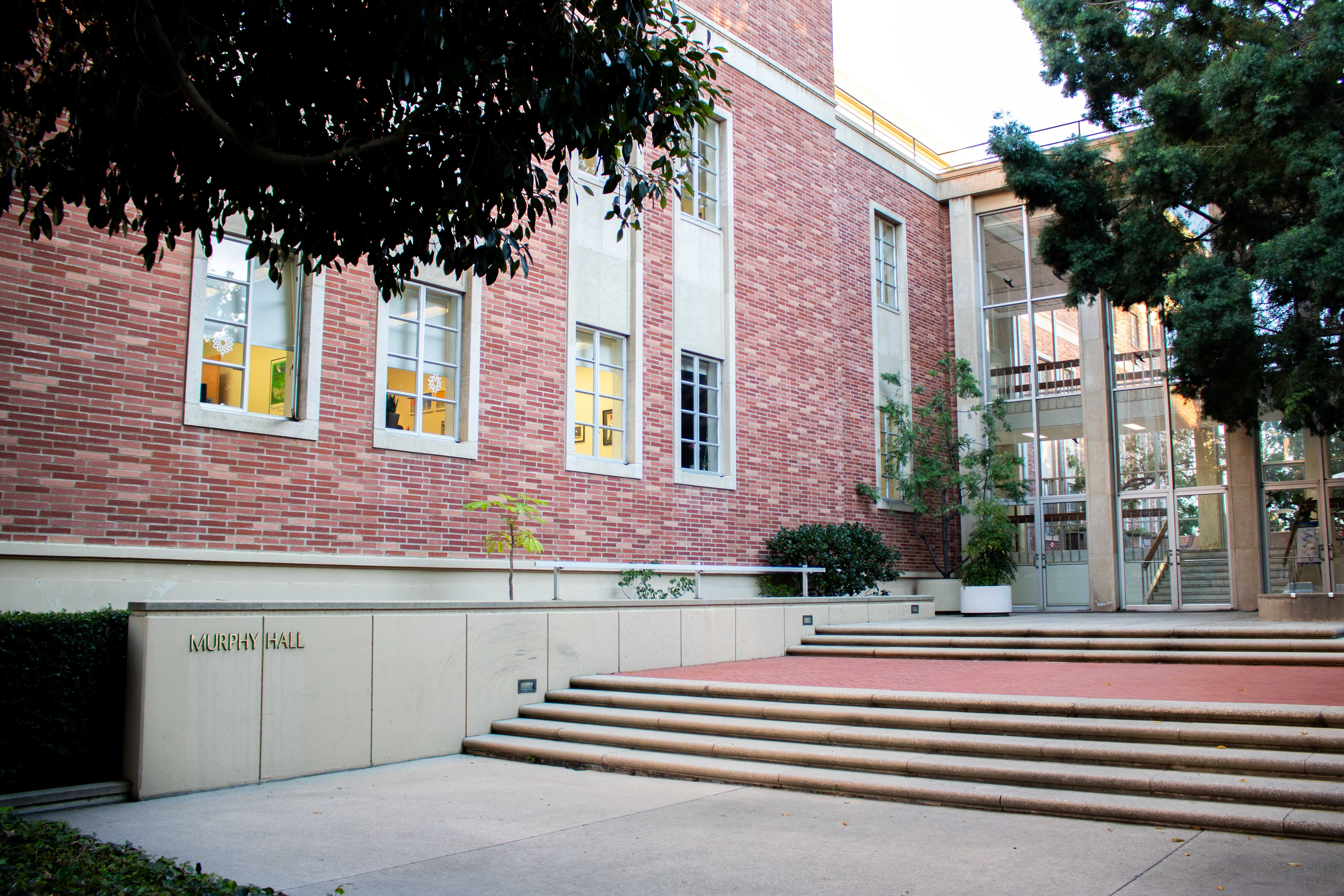
Murphy Hall — where the Center for Academic Advising in the College is located — is pictured. The Center for Academic Advising in the College paused the First Year Scholars Program, which offers academic guidance to first-year humanities and social science students. (Daily Bruin file photo)

By Zachary Turcios
Nov. 21, 2025 12:05 a.m.
Samantha Talbot said exploring humanities research felt daunting when she came to UCLA.
Talbot added that because academia is a predominantly white field, she felt out of place as a student of color. But the First Year Scholars Program, which offers academic guidance to first-year humanities and social sciences students, provided her guest speaker opportunities to guide her through her research journey, making the process less intimidating. FYSP also provides first-year students with academic advising and peer mentorship.
Through FYSP, Talbot said she met Justin Dunnavant, an assistant professor of anthropology who demystified the field of humanities research and became a person she could look up to.
“It made the idea of going through higher education as a person of color a lot less daunting because I was able to see, ‘Oh, there are people who have done it and have been wildly successful,’” she said.

However, the UCLA Center for Academic Advising in the College – which runs FYSP – paused the program for the 2025-26 academic year, citing denied funding over the past several years as the reason for the pause, according to its website.
The Center for Academic Advising temporarily paused the program to avoid a permanent shutdown, according to a March email sent to FYSP scholars. The program is seeking out external funding sources in an attempt to restart operations in the 2026-27 or 2027-28 academic year, according to FYSP’s website.
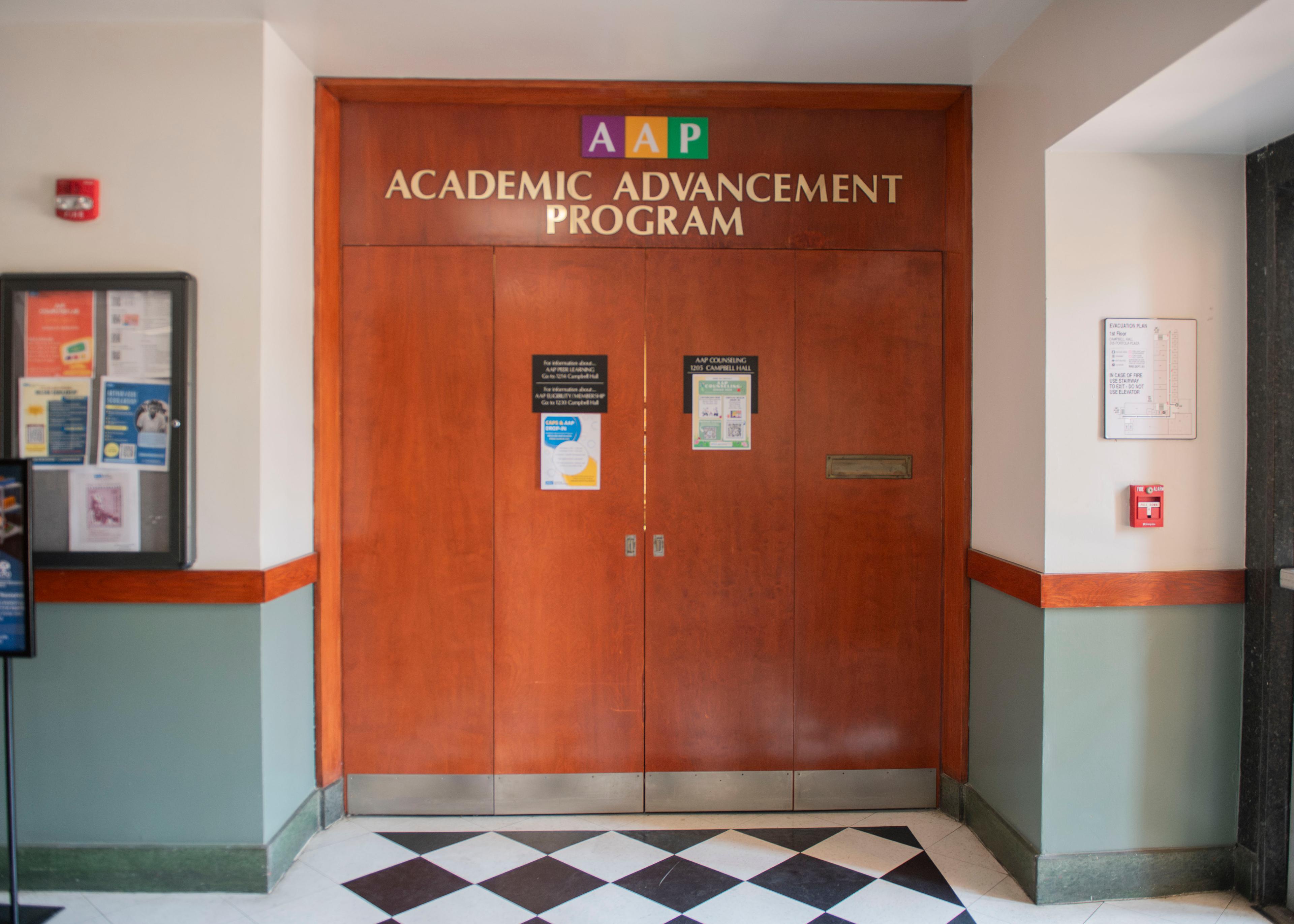
FYSP also connected students to the Academic Advancement Program, which provides low-income and first-generation students with peer learning opportunities and academic advising. AAP paused several of its initiatives and reduced staff because of budget cuts to UCLA’s Division of Undergraduate Education, which also oversees the Center for Academic Advising.
[Related: Academic Advancement Program to pause some programs, reduce staff amid budget cuts]
UCLA Media Relations declined to answer specific questions about FYSP’s hiatus and denied funding requests, instead referring the Daily Bruin to a Bruin Post about Chancellor Julio Frenk’s new leadership coalition to manage the university’s ongoing budgetary constraints.
[Related: Julio Frenk announces Executive Budget Action Group to manage UCLA’s monetary concerns]
UCLA has faced financial issues throughout the past year, including the federal government’s suspension of $584 million of its research grants in late July, alleging that the university allowed antisemitism, affirmative action and “men to participate in women’s sports.” The California State Legislature also deferred a payment of about $129.7 million to the UC until July 2026.
FYSP cohorts consist of about 50 students who take a cluster course throughout the year together, said Lauren Tran, a former FYSP member. Students participate in FYSP through invitation only, according to its website.
Tran added that she believes FYSP primarily reached out to incoming humanities and social science students from low-income areas. The program seeks to help students achieve high grades and take more units, according to its website.
Janetzy Ramirez, a former member of FYSP, said she did not know how to navigate college life or enrollment as a first-generation student. Ramirez, a second-year political science and sociology student, added that she often did not see students from low-income backgrounds and Latina students like her in her classes.
However, FYSP surrounded Ramirez with students who understood the struggle of navigating UCLA after the initial excitement of being accepted, she said. She added that the program helped her break free of her internalized belief that she did not belong at the university.
“It just felt very casual, and I liked that because a lot of my other classes felt very serious, and since UCLA is very fast paced, it was really easy to get overwhelmed,” Ramirez said. “Having these cool professors that felt just like us and these cool classmates that wouldn’t take things too, too seriously – it was cool.”
Ramirez said she decided to pursue a minor in community engagement and social change after learning about it through FYSP. She hoped to become a mentor at FYSP but was unable to apply because of the program’s pause, she added.
“It (a permanent discontinuation of the program) would just take away all those resources that first generation students have – the knowledge of how to navigate through UCLA and the doors it opened to a lot of students,” Ramirez said.
Tran, a second-year English student, said FYSP’s diverse community made her feel more comfortable on campus.
She added that the instructors at FYSP felt more like mentors and educated her on resources that UCLA provides – such as study abroad opportunities. The program also helped her improve her public speaking skills, Tran said.
Talbot said the program helped her understand how guest speakers’ backgrounds influenced their research interests. FYSP also offered students financial help, such as textbook reimbursements for up to $450, Tran added.
“FYSP made students feel welcomed, … like they fit in at a university like this, and it gave us an opportunity to celebrate our backgrounds and where we came from,” Tran added.
[Related: ‘The program saved my life’: UCLA to eliminate Community Youth Programs]
Ramirez said seeing cuts to several of UCLA’s academic programs has made her question whether the university values its students.
“It just makes me feel less valued because these are things that represent who I am: first generation, low income, humanities,” she said. “It just feels like they don’t care about that certain demographic of students if they’re willing to just take it away that easily.”