Editorial: UC must prioritize food-insecure students’ basic needs amid reduced SNAP benefits

By Editorial Board
Nov. 11, 2025 12:30 p.m.
This post was updated Nov. 16 at 7:18 p.m.
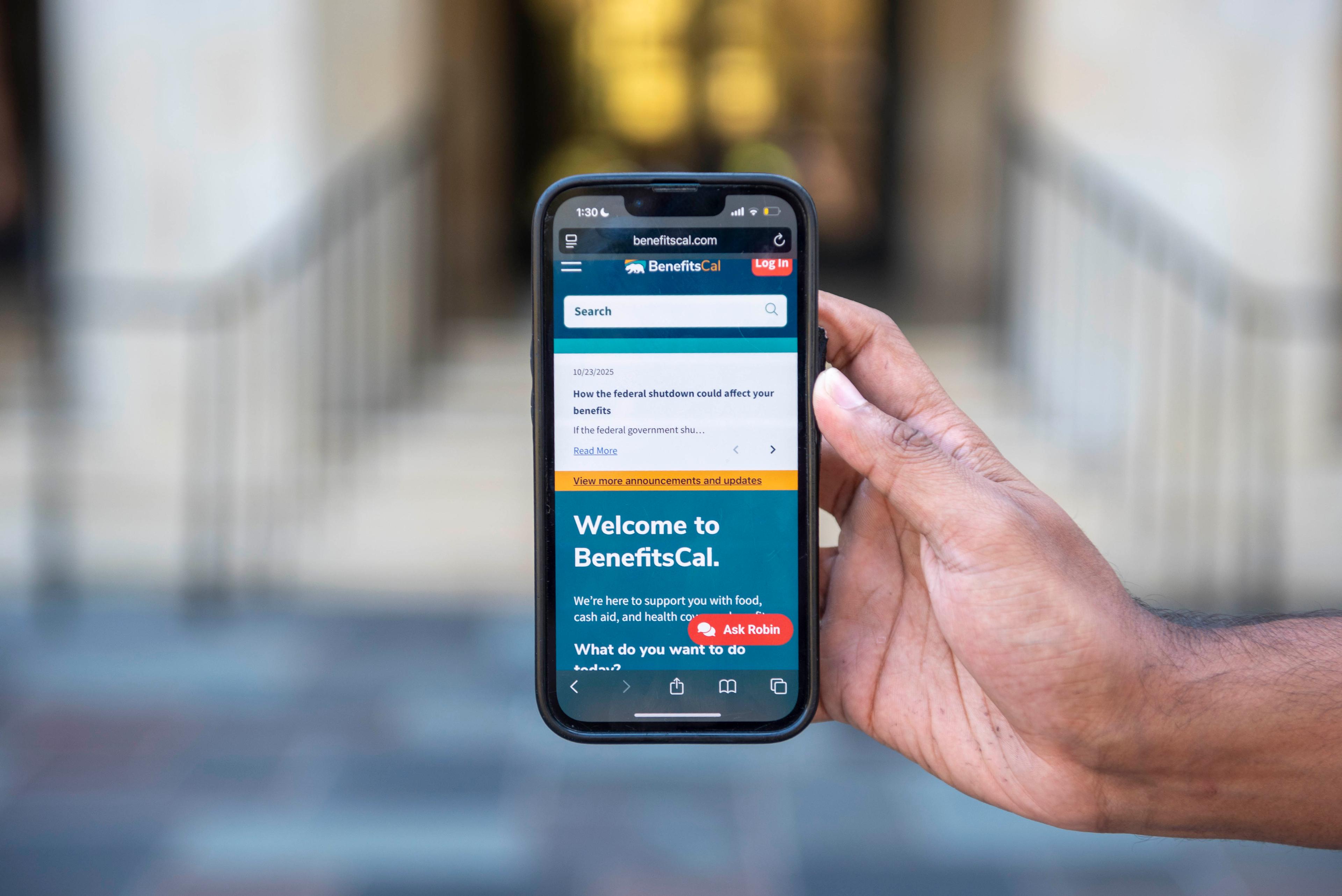
A reported 42% of food-insecure UC students might not get food-assistance benefits this month.
Even though a federal judge ordered the Trump administration to fully fund the Supplemental Nutrition Assistance Program by Friday, the federal government is still appealing to get out of its obligation. If it is able to do so, nearly five million low-income households nationwide will not receive any money from the program this month.
The legal battle highlights the reckless instability of a federal government willing to use hunger as a political bargaining chip.
Even before the ruling, the Trump administration did not engage with media questions about support for food-insecure people during the government shutdown. Instead, in an automated emailed statement, they blamed the Democratic Party for the closure, writing, “As you await a response, please remember this could have been avoided if the Democrats voted for the clean Continuing Resolution to keep the government open.”
While the judge’s decision attempts to force federal compliance, it is still striking that it will require a judicial ruling to finally get the Trump administration to feed its citizens.
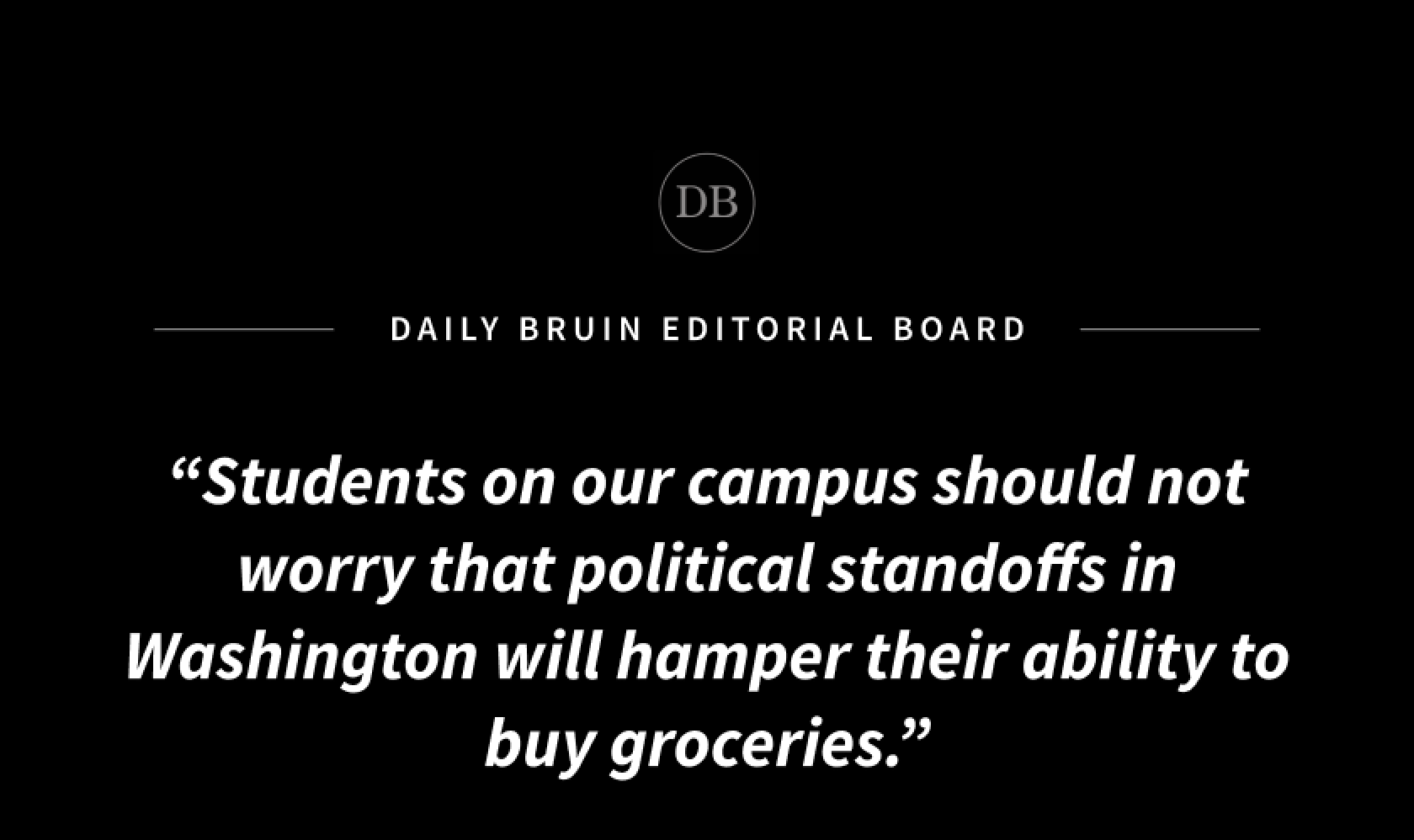
Students on our campus should not worry that political standoffs in Washington will hamper their ability to buy groceries.
It is yet another federal decision that is negatively impacting life on campus.
Funding strains have deprived students of teaching assistants. Popular retention programs have reduced operations. The University has shirked its duty to stand up for students, provided no guarantees that it will stand up for gender-affirming care, drastically limited undergraduate research opportunities and eliminated its systemwide Equity, Diversity and Inclusion office to replace it with the Office of Culture and Inclusive Excellence.
The mark of a great institution is – or ought to be – how it rallies under pressure.
Chancellor Julio Frenk has emphasized that we as a community need to face this pressure together and that “We are One UCLA.” Even though the “courage, resilience and wisdom” he promised at his inauguration has been conspicuously absent recently, it is incumbent on his administrators to ensure its most vulnerable students don’t go hungry.
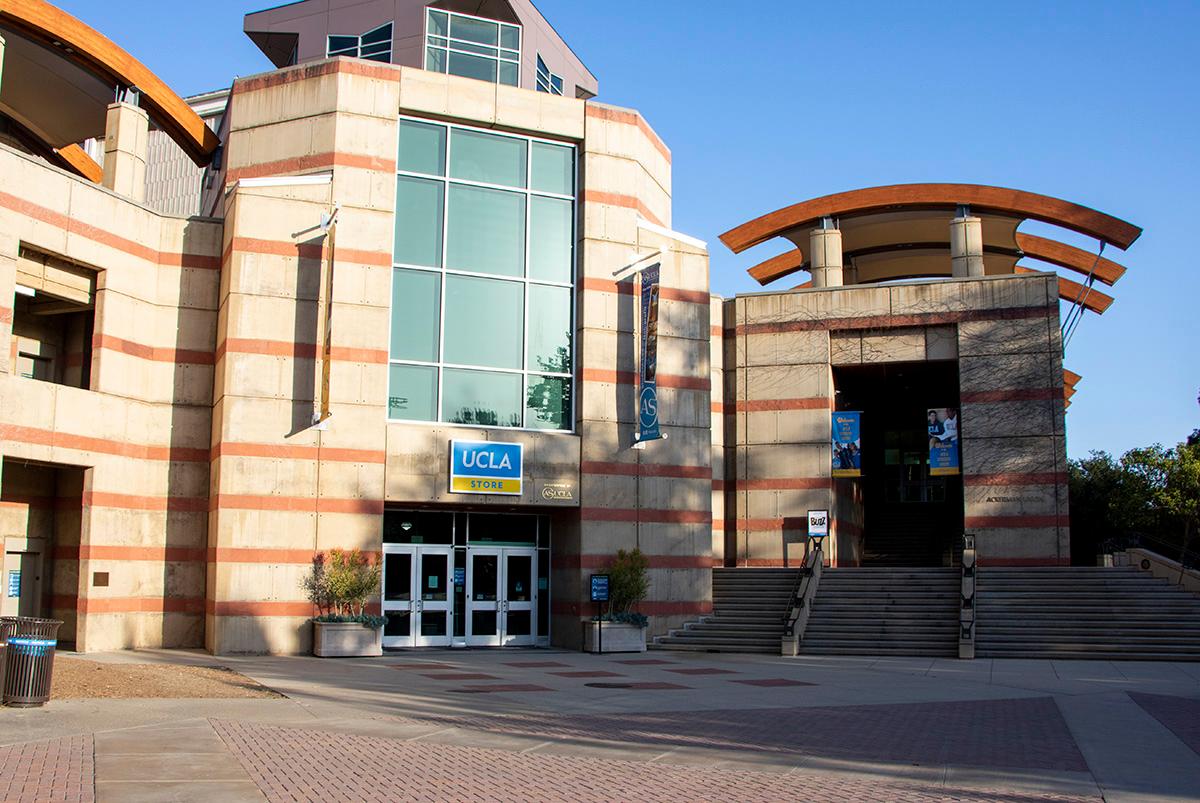
UCLA has already taken important steps to this effect. The UCLA Economic Crisis Response Team (ECRT) increased emergency meal support to up to five dining hall swipes or ASUCLA meal vouchers per week. While this does not equate to the $74.50 students would usually get from the government, it is a good-faith first step.
“We are working closely with campus partners to minimize the impact of delayed benefits to ensure students have access to food and other essential support,” a UCLA spokesperson said in an emailed statement. “The well-being of the Bruin community remains our highest priority.”
However, UCLA can still do more to ensure the stability of such services.
It took a student referendum to increase funding for Bruin Dine, which transports unserved leftover food from across the dining halls, Kerckhoff Coffeehouse and Anderson Café and distributes it to food-insecure students. Even though UCLA was willing to promote and publish coverage on the service, it was student fees that had to fund it.
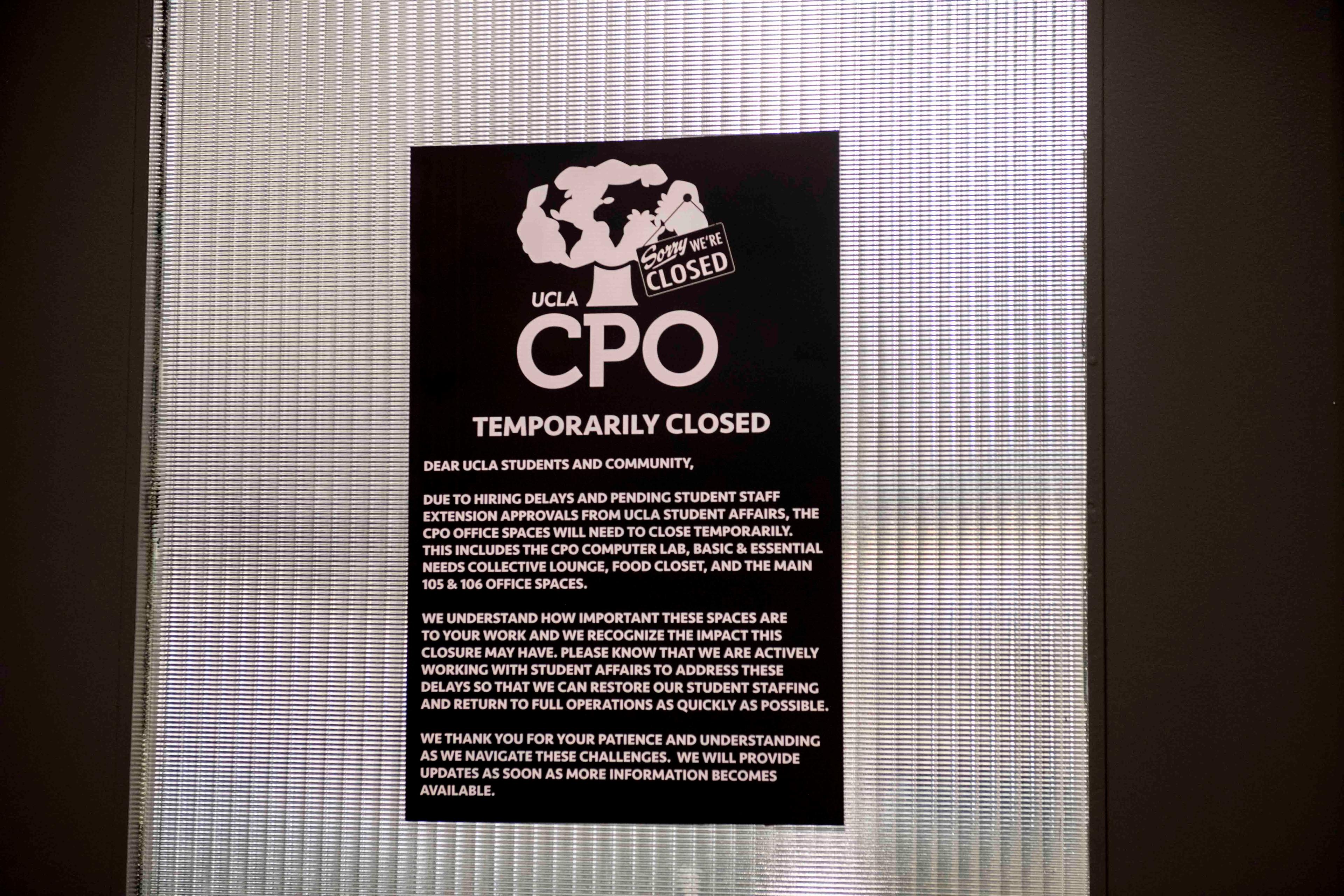
And similarly, the UCLA Community Programs Office – which delivers students’ basic needs through, for example, its food pantry – was forced to close earlier this year because of hiring delays with nearly no prior notice. Even though UCLA eventually reopened the space, the fact that it was allowed to close in the first place makes it hard for students to rely on it.
[Related: Editorial: UCLA’s CPO closure demonstrates failure to prioritize students’ basic needs]
Even the ECRT’s emergency support has not been guaranteed for the full length of the shutdown, with the program’s website instead citing unclear information about how long students would be able to use the benefits. The site even suggests the program will only open while swipes are donated by other students, suggesting UCLA is unwilling to fund the program.
This uncertainty reflects the larger federal picture. The administration’s repeated defiance of court orders and its attempt to partially defund SNAP illustrate how the basic needs of students can be collateral in partisan conflict. UCLA cannot let that same pattern play out on our campus.
It is understandable that the University must make difficult decisions with financial pressures looming. It makes sense that it might not have all the answers yet. But with an annual budget of $11 billion, administrator salaries at a historic high and a donor base giving record-breaking contributions, there is money to be found for something as important as students’ lives.
UCLA must guarantee that it will support its food-insecure students. Rather than just providing one-time stop gaps, campus administrators need to demonstrate a long-term commitment to ensuring students can focus on their studies rather than feel anxious over where their next meal will come from.
Anything less would be a stain on the conscience of the leaders who claim “We are One UCLA.”