Researchers, experts highlight breast cancer advancements during awareness month
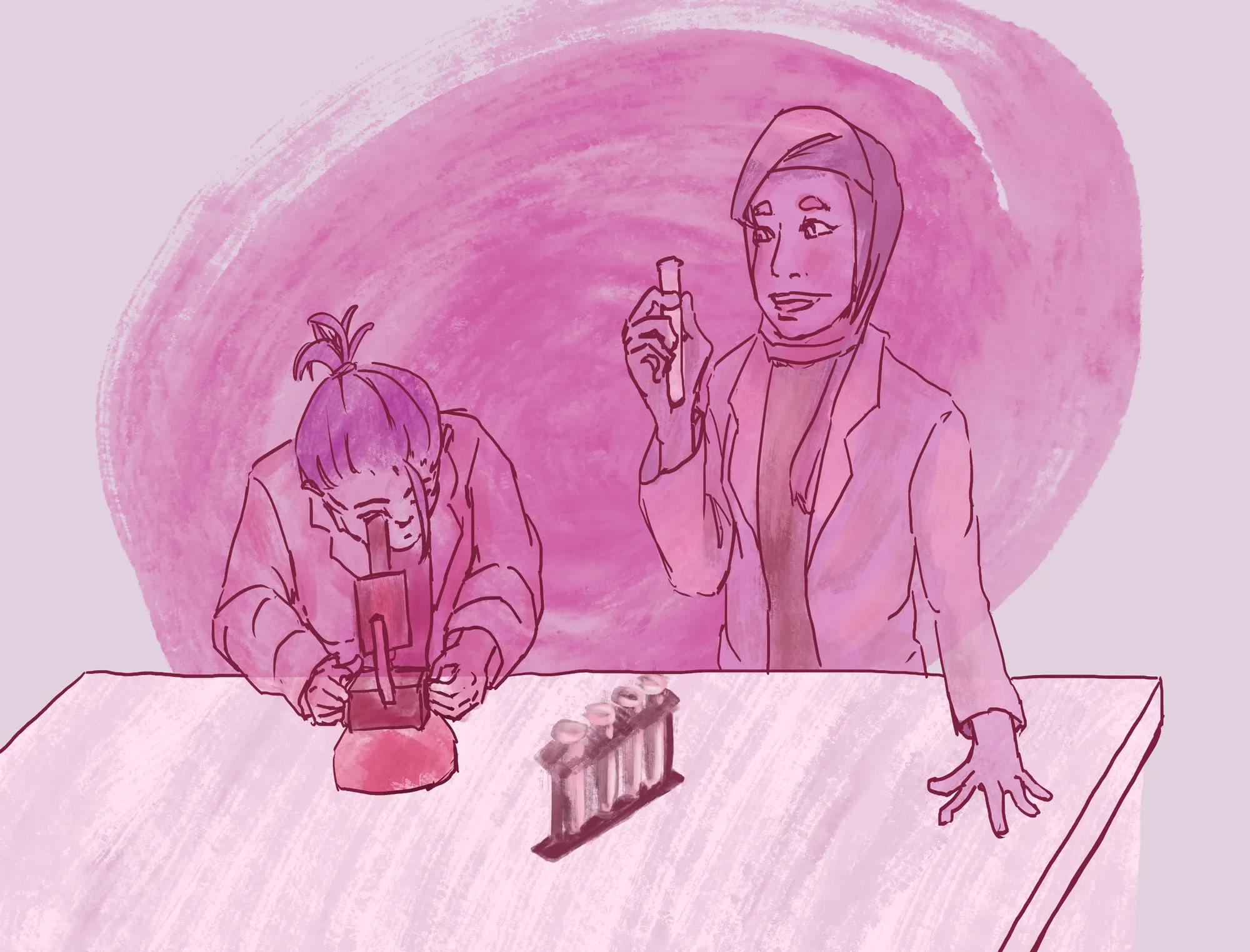
(Helen Juwon Park/Illustrations director)

By Donya Hassanshahi
Oct. 31, 2025 9:17 p.m.
This post was updated Nov. 2 at 12:29 p.m.
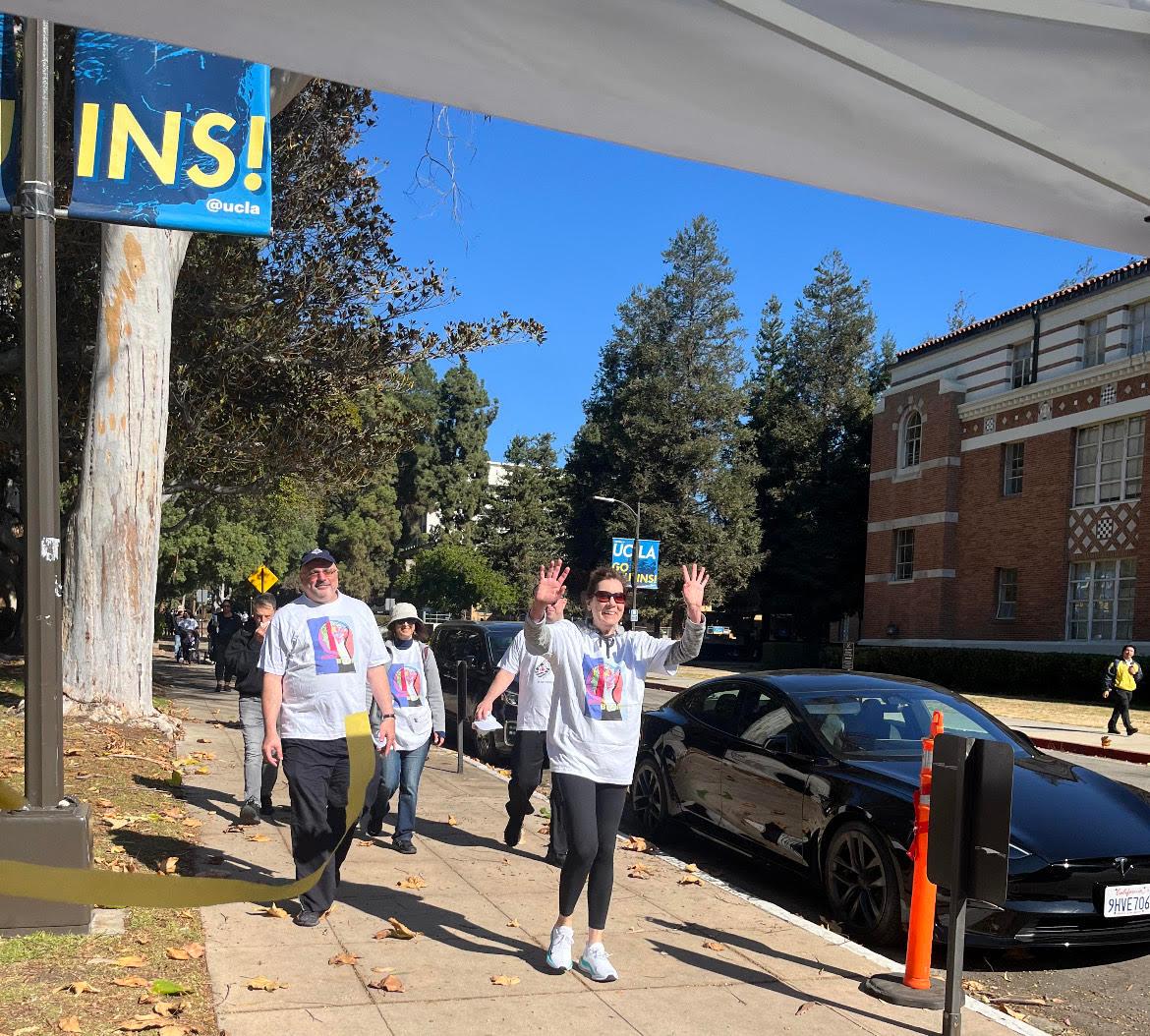
In October, wearing pink isn’t just a personal style choice – it’s a show of support for those affected by breast cancer and a way to highlight the work scientists have done to improve outcomes.
This October marked the 40th annual recognition of Breast Cancer Awareness Month – a tradition that began in 1985. Breast cancer survival rates have increased due to advocacy and research focused on the disease since 1989, according to Mayo Clinic.
Dr. Aditya Bardia, a professor of medicine at the David Geffen School of Medicine and director of the UCLA Breast Cancer Research program, said breast cancer research is developed with the intent to improve therapies for patients. This year, he and his co-researcher Dr. Dennis Lehman were surprised by the number of undiscovered proteins that could be used to target cancer, he said.
Bardia said his research is focused on improving hormone-based therapies with antibody-drug conjugates – treatments that act like precision-guided missiles by delivering chemotherapies directly to cancer cells. The approach aims to destroy cancer cells while sparing healthy tissue – ultimately making treatment both safer and more effective, Bardia added.
“We’ve always had the view that patient comes first,” Bardia said. “Our research should be patient-centered, so patient-centered research is coming up with new therapies for patients with breast cancer.”
Dr. Alice Vijjeswarapu, an associate professor of anesthesiology and director of the acute pain anesthesia program at Cedars Sinai, said she takes care of breast cancer patients during and after surgery as a practicing anesthesiologist. During mastectomies – surgeries involving the removal of breast tissue, often used for patients with breast cancer – Vijjeswarapu said her work involves using a technique known as cryoanalgesia, which uses extreme cold to relieve pain.
She added that this treatment allows many patients to go home the same day of their surgery.
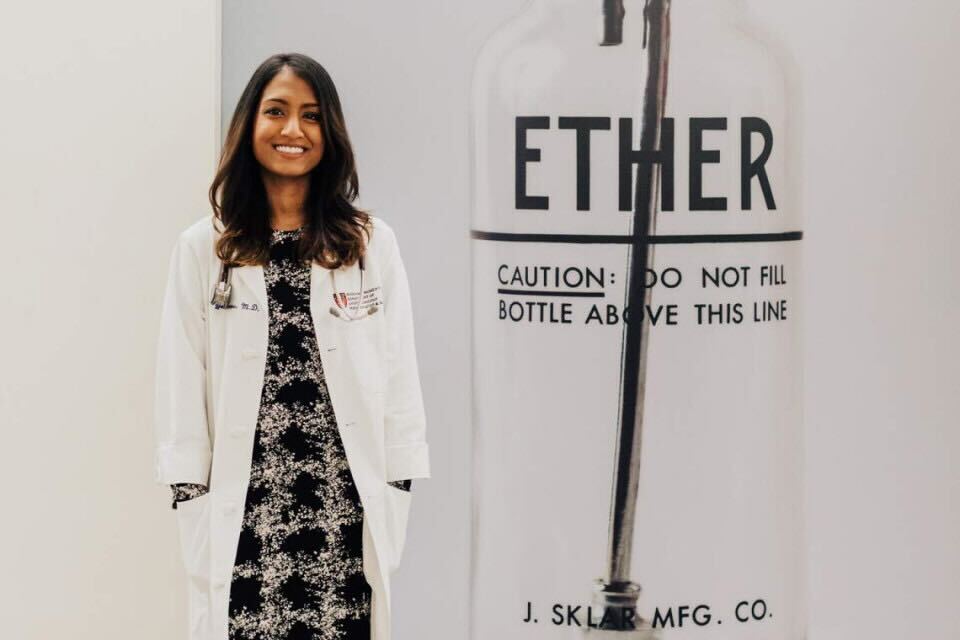
Both male and female patients should advocate for themselves when taking preventative health measures, she said. Vijjeswarapu, a UCLA alumnus, said her main goal is to improve her patients’ quality of life and minimize the use of medications that may have future negative consequences.
“Chronic pain can affect so many areas of the body and so many disease processes, and this is for my outpatient practice and also a broad array of treatment modalities,” Vijjeswarapu said. “The goals of the care are to improve quality of life, functionality and, if possible, along the way, minimize or reduce the need for medications that we now have a lot of adverse side effects like opioids.”
Pain associated with breast cancer often depends on the age at someone’s diagnosis, pain perception, therapeutic interventions and a person’s levels of physical activity, according to the National Library of Medicine.
Vijjuswarapu added that the shift in research priorities in the ever-changing medical field has enhanced collaboration among her and her colleagues, as well as propelled her ability to teach and care for patients clinically.
“That’s where translational research comes in – where you kind of combine what’s happening on the science end and what’s happening on the patient end and you bring those two things together,” she said.
Dr. Patricia Ganz, a professor at the School of Medicine and Fielding School of Public Health, said her research is focused on mental health and looking beyond the physical impacts of breast cancer. Her studies focus on helping women overcome cognitive difficulties that may come as side effects from their administered treatment, such as integrative oncology interventions like mindfulness and yoga, she added.
“We are interested in what happens to the whole people while we’re curing the cancer – what happens that may make it more challenging for people to get back on track with their lives,” Ganz said.
Ganz said that throughout the past two decades, treatments have been tailored to the patient, like administering aggressive therapies to those with aggressive cancers. She also added that providers need to continue to personalize their treatments to their patients, as each has a different experience with the disease.
Ganz said a major risk factor for breast cancer diagnosis is genetic inheritance, adding that patients should take the initiative to learn their family’s medical history.
“It’s sometimes difficult if you are in a group where people didn’t talk about cancer, or you don’t know what your heritage is – to know what that history is – and sometimes our students who are recent immigrants, their families are immigrants, they may not know about their family history, so that’s a challenge,” Ganz said. “Some families are uncomfortable talking about cancer, thinking that they’ve done something to cause the cancer.”
Breast cancer researchers have deepened their understanding of protein structures and antigens, identified cancer with liquid biopsies and improved screening strategies, Bardia said.
“We can come up with better drugs, including targets that previously were undruggable, if you will, but we can target them now with better therapies because of innovations in computational biology in terms of how we understand the targets,” he said.
Bardia said people who want to be involved in breast cancer advocacy should engage in community outreach, research or education. Bardia also added that he encourages future clinicians and scientists to pursue breast cancer research, which will help “move the field forward.”
Cultural emphasis on preventative health has improved breast cancer outcomes, Vijjeswarapu said. She added that she would advise younger people to pursue preventative measures, such as getting screened for breast cancer.
“The point is really to help people live meaningful lives, and that’s so different than many of the outcomes of other medical research,” Vijjeswarapu said. “Whatever technologies we can use for that, whether it’s VR (virtual reality), whether it’s cognitive behavioral therapy, whether it’s implants, new medications that are coming out – there’s a lot to learn and a lot to be done.”