Opinion: Personal consumerism lets us reclaim joy in corporate slog, so go buy that Labubu

(Susanne Soroushian / Daily Bruin staff)

By Haley Marks
Oct. 27, 2025 4:00 p.m.
This post was updated Oct. 28 at 8:59 p.m.
As a senior standing on the precipice of graduation, I’ve been mulling over how to balance my creative impulses as a writer with the bleak fact that I need money to survive.
I’ve come to a simple conclusion: Labubus. Or more generally, blind boxes sold at Pop Mart, which have accumulated on my desk and shelves.
While collecting decorative objects may seem trivial, I view it as one of the ways people can enrich their lives.
Funko Pop, Pokémon, baseball cards and other memorabilia are a representation of an individual’s interests – a way to say “This is who I am” through the tangible. For me, a collector of Nyotas and Hironos, the appeal is never-ending and self-sustaining. Once my original figurine is acquired, there is always the next one to seek out. The collecting process is as legitimate a hobby as scrapbooking or golf.
It is through these meaningful actions, aided by the help of my furry friend, the Labubu, that I plan to make corporate America more enjoyable.
However, to ensure that I wouldn’t fall into the trap of overconsumption, I decided to do some research on the dual nature of consumerism and capitalism.
Former Harvard researcher Xueqin Jiang explains in his lecture, “Consumerism is the Perfection of Slavery,” that consumer goods only have a predicted value before they hit the market. Actual value, however, is dependent on whether the working class decides the product is worth their money at the given price.
The power of the collective ended in the United States in the 1980s with the birth of free market capitalism and Reaganomics. Reagan’s 1981 Economic Recovery Tax Act, a major tax cut designed to create more wealth across the country, intended to increase financial leverage for the individual consumer.
But much of the increased capital generated from the Recovery Act accrued at the top of the tax bracket. The illusion of newfound affluence resulted in spending wars across the middle class as an attempt to emulate the lifestyles of the rich. The result of these self-imposed spending competitions was a working class further entrenched in debt.
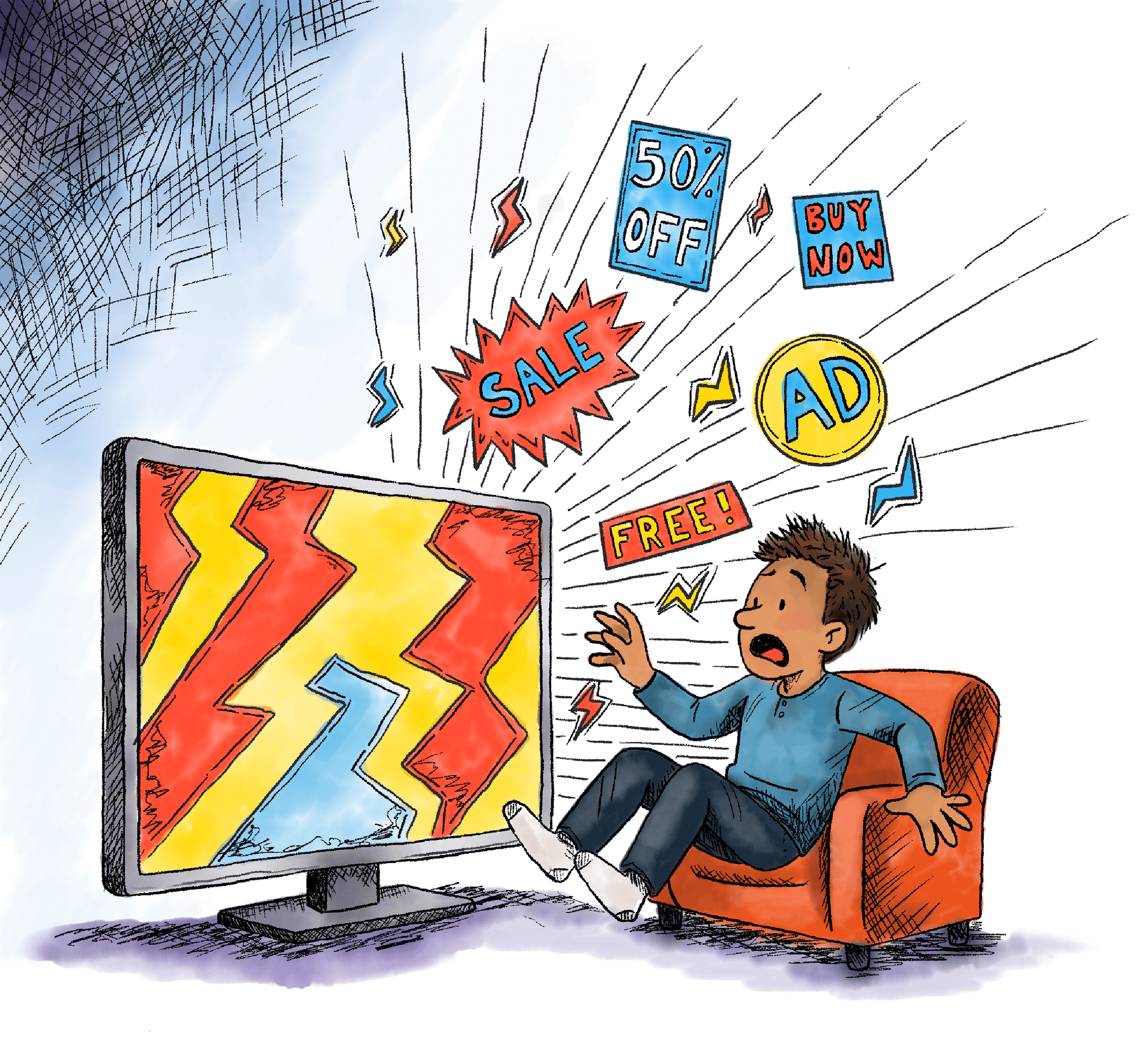
Positing this phenomenon in the digital landscape, it is easier than ever to get lost in the echo chamber of sponsored content and materialism.
Despite this reality, there is a difference between a single person’s compulsive spending and the kind of mass production that only a conglomerate could accomplish. Blaming the consumer for where they allocate their disposable income shifts the blame from predatory marketing tactics and neoliberal economic policy to the average shopper.
For me, acquiring figurines is a way to retain autonomy over my own spending – I choose consciously where to allocate my money as a way to retain a sense of pre-Reagan purchasing power. I believe queuing up at Pop Mart for the latest drop is more a reflection of self-expression than endemic to mass consumerism.
Even if I desire a Labubu simply because it’s trending, making a $20 purchase has a negligible impact on my day-to-day life. If I’m destined for a corporate job in an office, using my Hironos and Nyotas to decorate my space is a way to claim ownership against a system designed to create blank slates.
The reality is the average person cannot feasibly leave the Sisyphean corporate ladder. But among the rituals of work are also the liturgies of play: weekend trips out of the city, excellent literature and art, the social systems we create and the more mundane pleasures of retail therapy.
It is possible to question the larger system at play while allowing ourselves to enjoy the simple excitement of peeling open a blind box.
Western productivity economics is structured to transform individuals into solely the products of their labor, so decorating my space is one method toward resisting this flattening. Deriving pleasure from physical objects is not inherently a negative practice. Instead, it can be a tactic toward regaining the whimsy of childhood afternoons spent playing with toys.
None of this assuages my anxieties over who or what I’m going to be post-grad, but I know that whatever cubicle I occupy will have “Haley Marks” written all over it.